
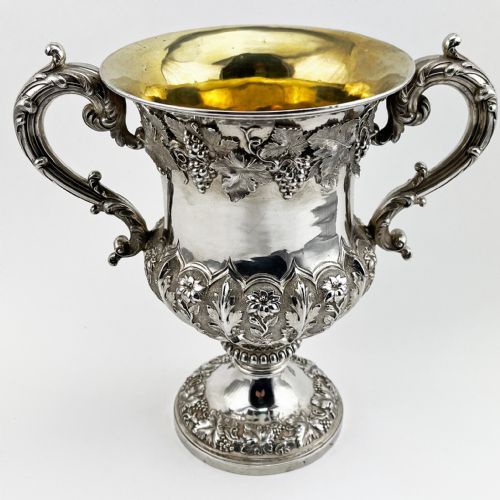


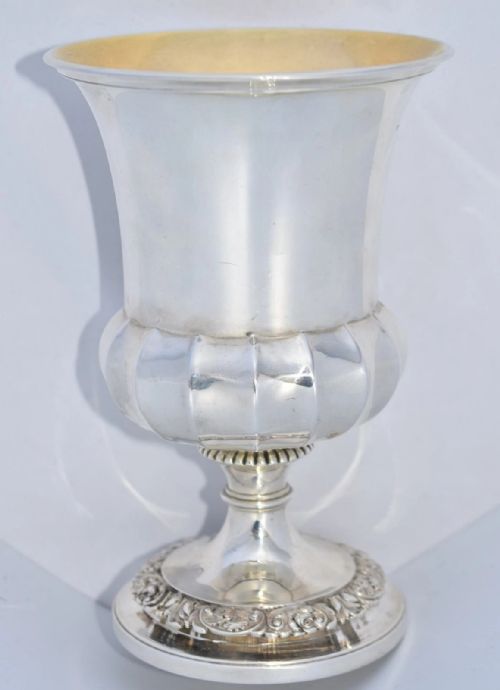


Gilt Silver Goblet
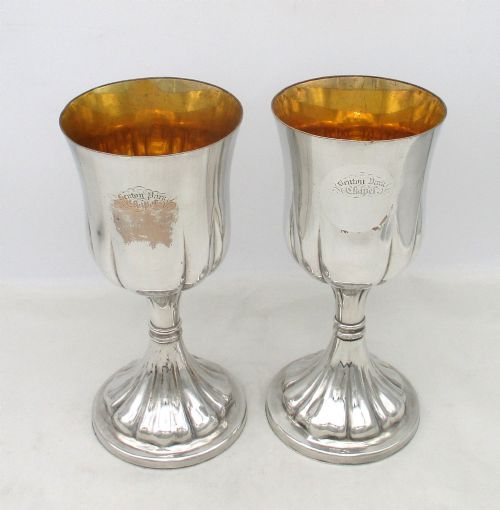
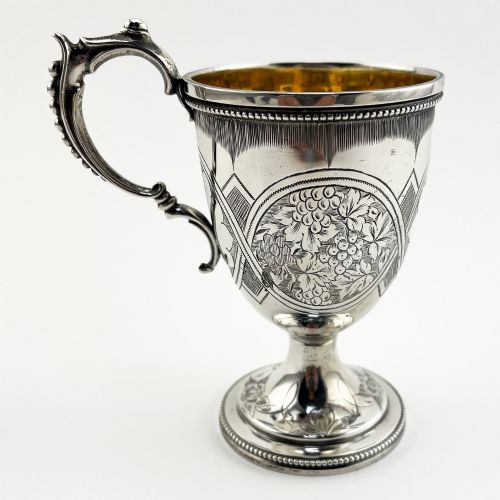
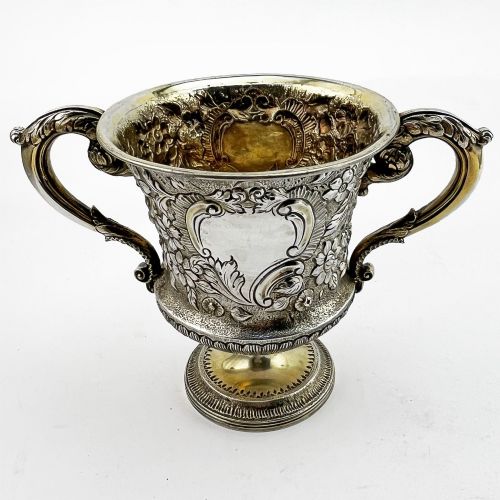
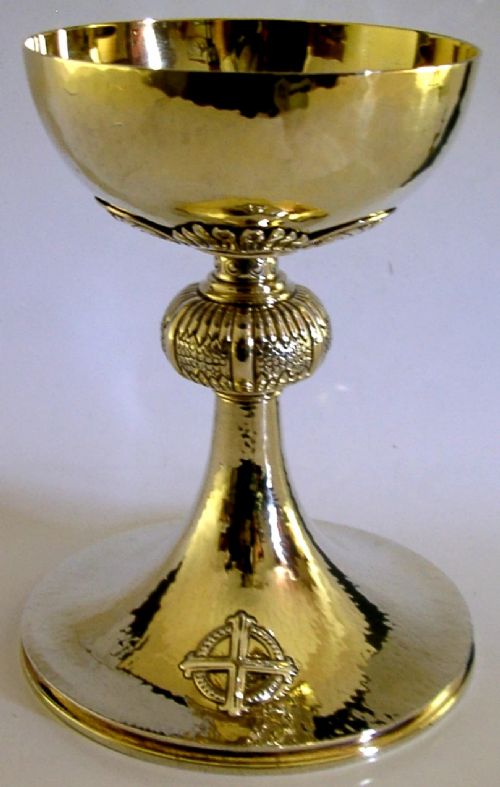
These gilt silver goblet pieces bring together rich gold surfaces and solid silver craftsmanship across centuries of drinking vessels and ecclesiastical chalices.
Gilt Silver Goblet
A gilt silver goblet encompasses a range of drinking vessels, communion chalices, and presentation cups finished with gold over silver or plated bases. When searching for a gilt silver goblet, buyers encounter forms spanning Georgian neoclassical revival pieces, Victorian christening mugs, and Art Deco barware.
The selection includes secular trophies and loving cups alongside church communion sets and chalices. Pieces date from the eighteenth century through the mid twentieth century, showing styles such as George III, William IV, and Mid Century Ecclesiastical.
How they were made
Silversmiths constructed these drinking vessels using sterling silver, silver gilt, and vermeil, often applying a layer of gold to the interior bowls or exterior surfaces. Makers also utilised Old Sheffield plate and copper foundations with heavy silver plating for substantial church vessels and communion chalices.
Techniques range from cast campana shapes and heavy raised beaker cups to parcel gilt ornamentation and engraved armorial crests. Workshops employed traditional hammering, turning, and gilding methods suited to secular presentation pieces and religious silver.
Listings feature sterling silver, silver gilt, and Old Sheffield plate across forms including communion chalices, christening mugs, and Art Deco barware.
What varies in quality
Quality rests on the weight of the silver foundation and the richness of the surviving gilt layer across the bowl and stem. Heavy gauge sterling silver and deep vermeil distinguish substantial presentation cups and chalices from lighter plated wares.
The definition of chased detail, the crispness of maker marks, and the balance of cast handles or stems separate ordinary production from distinguished workshop output.
John Hunt and Robert Roskell·Elkington Mason·William Eaton·James Deakin and Sons
The Gilt Silver Goblet Glossary
- Gilt
- Silver that has been covered with a thin layer of gold, either by fire gilding or electroplating. This finish protects the interior from acidic liquids.
- Vermeil
- Sterling silver coated with a heavy layer of gold. It provides the appearance of solid gold while maintaining a silver core.
- Campana
- An inverted bell shape common in classical urns and decorative cups. This profile appears frequently on Georgian presentation pieces.
- Parcel gilt
- An object decorated with gilt in specific areas while other portions remain in plain silver. This technique highlights particular bands or interiors.
- Old Sheffield plate
- A method of fusing a thin sheet of silver to a thicker copper base before rolling. Pieces made this way show a rich depth of metal.
Gilt Silver Goblet: Frequently Asked Questions
Are these chalices safe for drinking wine?
Many historical vessels featuring gold lined interiors were designed for ceremonial or secular toasts and remain suitable for occasional use. Ensure the piece is clean and free from old residue before serving acidic beverages.
Silver gilt interiors offer natural resistance to tarnishing from wine compared to untreated silver surfaces.
What is the difference between a chalice and a goblet?
Chalices typically feature a deep bowl, a knopped stem, and a wide foot designed for ecclesiastical communion services. Goblets encompass both secular drinking vessels and presentation trophies used across domestic and civic settings.
Religious pieces often display more robust construction and ecclesiastical iconography such as crosses or engraved church dedications.
How can I date an unmarked gilt silver piece?
Examine the form, weight distribution, and construction methods to compare the piece against documented Georgian and Victorian styles. Elements like campana profiles or Art Deco geometry point toward specific design eras.
Check for maker marks, retailer stamps, or registry numbers hidden near the base rim for further chronological clues.