


Gilt Porcelain Serving Dish
When you search for a gilt porcelain serving dish, you are looking at ceramic platters and trays enriched with gold leaf.
Gilt Porcelain Serving Dish
A gilt porcelain serving dish is an elevated ceramic vessel designed for presentation at table or display in a cabinet. These items emerge from various periods including the eighteenth and nineteenth centuries, as well as the Edwardian era.
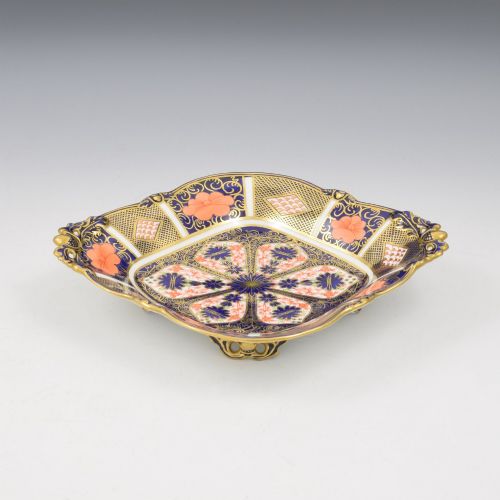
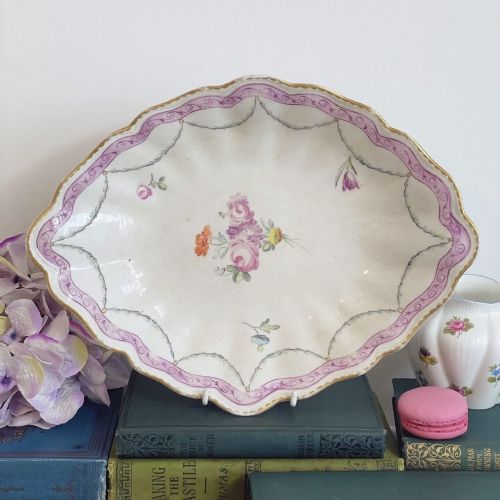
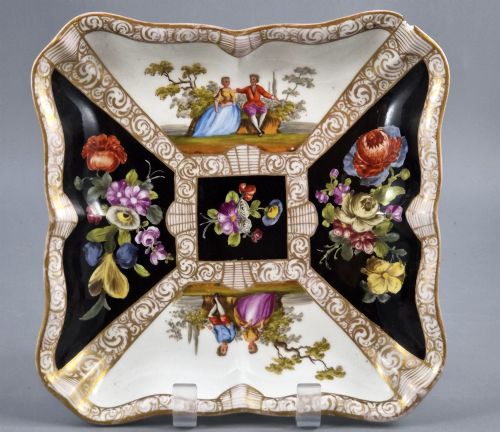
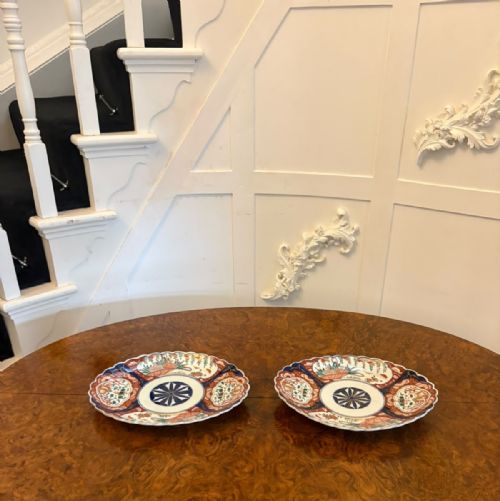
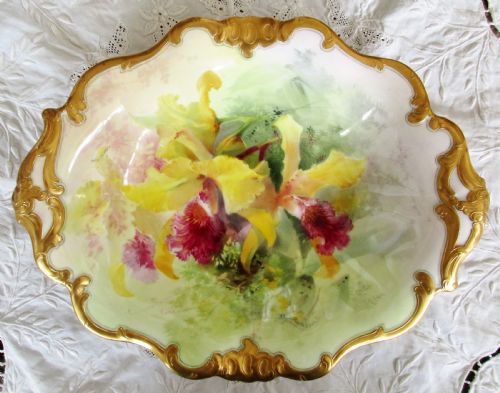
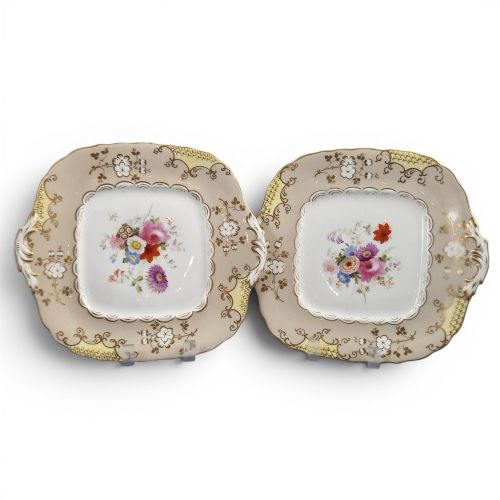
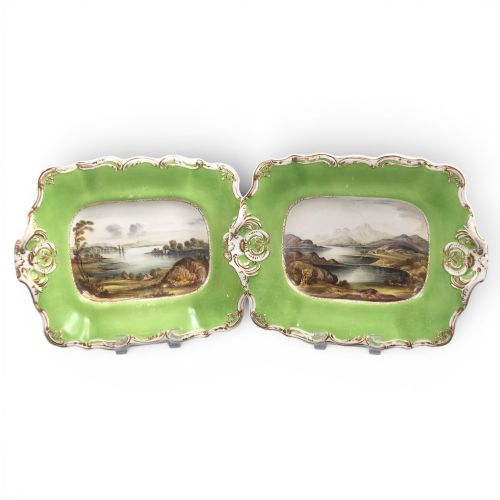
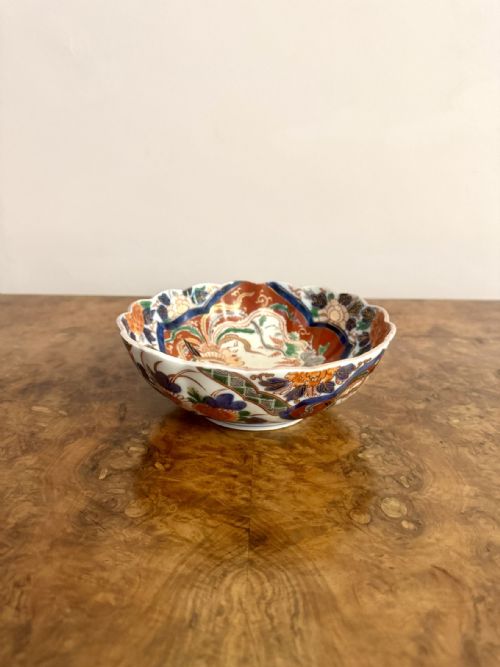
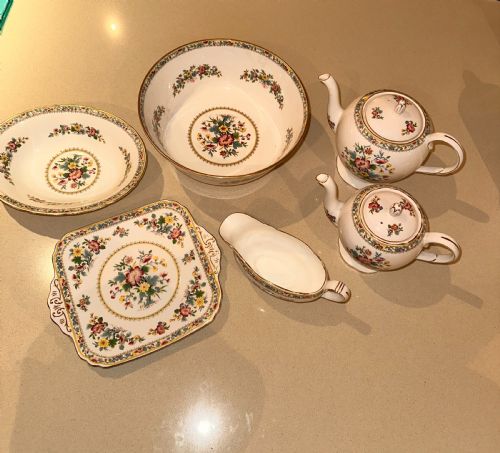
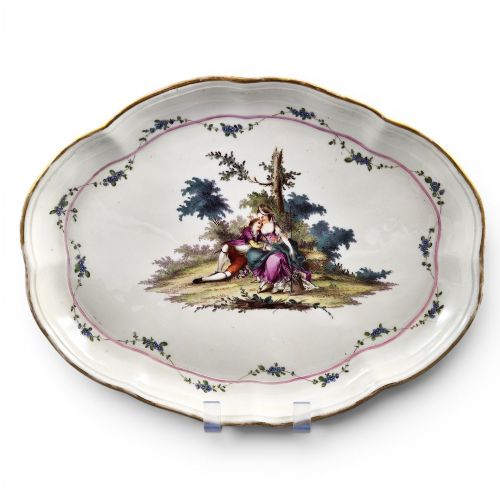
The forms seen here include oval dishes, square dishes, shaped dessert plates, and rectangular platters. Many originate from renowned English and European factories, spanning traditional English patterns to Japanese Imari styles.
Most examples function as decorative trays, cabinet pieces, or elements of larger dinner and dessert services. They combine utilitarian forms with painted scenes, botanical studies, or armorial crests.
How they were made
Makers utilised porcelain, bone china, earthenware, and ironstone as the solid foundation for these vessels. Potters shaped the ceramic bodies by hand or in moulds before firing them in kilns.
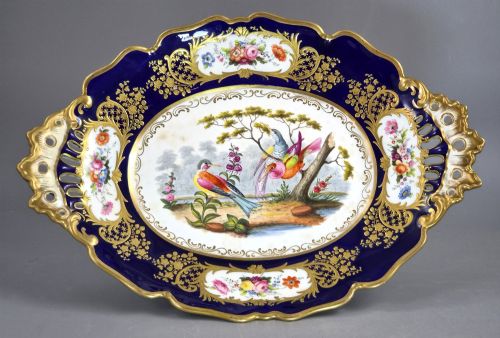
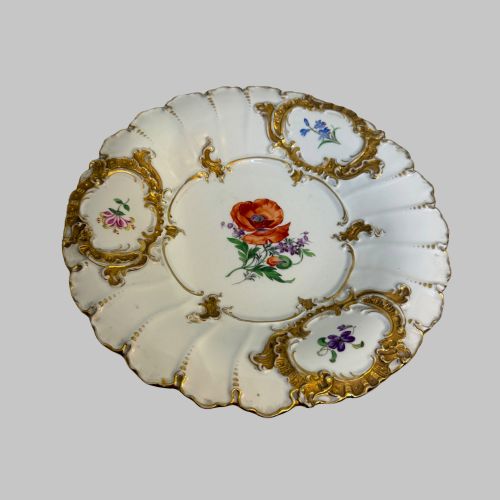
Surface decoration relied on hand-painted polychrome enamels depicting birds, flowers, figures, and landscapes. Artisans then applied gold leaf or gilding to edges, rims, and borders to accentuate the form.
Gilt Porcelain Serving Dish Retail Price Guide 2026
Typical asking prices for gilt porcelain serving dish among the pieces listed under this phrase on Sellingantiques today, from the lower quarter to the upper quarter. They describe what is for sale here now, not the wider market.
Some cabinet dishes immortalise obscure Scottish views and exotic birds, ensuring a dining table could double as a geography lesson.
What varies in quality
The standard of a gilt porcelain serving dish rests upon the precision of the hand-painted details and the depth of the palette. Skilful brushwork in floral motifs or figural scenes separates finer pieces from standard production.
The application and preservation of the gilding also define the tier of the piece. Thick, burnished gold leaf that retains its bright lustre indicates superior manufacture and careful handling over the centuries.
Royal Crown Derby·Coalport·Meissen·Royal Doulton·Copeland and Garrett·Minton·Carlton Ware·Worcester·Paul Muller Selb·Samson·Royal Worcester·Spode·Mason's Ironstone·KPM·Chamberlains·Wedgwood·Flight Barr and Barr
The Gilt Porcelain Serving Dish Glossary
- Gilding
- The application of gold leaf or powdered gold to the ceramic surface. This technique highlights rims, handles, and painted borders.
- Polychrome
- Decoration employing multiple colours. Painters used these varied enamel pigments to render naturalistic flowers, birds, and scenes.
- Bone china
- A type of soft-paste porcelain containing bone ash. It produces a strong, slightly translucent body favoured by English potteries.
Gilt Porcelain Serving Dish: Frequently Asked Questions
What is a gilt porcelain serving dish used for?
These pieces originally served food items such as fruit, desserts, or sauces at formal dining tables. Over time, many transitioned into decorative cabinet pieces or display trays.
Today, owners typically exhibit them on sideboards, walls, or within glass cabinets to showcase their painted scenes and gilded borders.
How can I tell the period of a dish?
The period is often identified through factory backstamps, painted marks, and stylistic clues. Eighteenth-century pieces frequently display hand-drawn underglaze blue marks, while nineteenth-century items may feature impressed or printed ciphers.
Forms and decorative styles also shift across eras, moving from Rococo curves to Victorian botanical realism and Edwardian refinement.
Are these dishes safe to use for serving food?
While these vessels were originally made for dining, most antique porcelain and enamel surfaces are now treated as display items. Age, wear to the gilding, and historic manufacturing methods mean daily use is rarely recommended.
Gentle hand washing in lukewarm water is necessary if you choose to clean them, avoiding harsh detergents and abrasive sponges.
What is the difference between porcelain and ironstone?
Porcelain is a fine, vitrified ceramic that can possess a degree of translucency when held to the light. It provides a smooth base for delicate hand-painted artwork and bright gilding.
Ironstone is a heavy, opaque earthenware developed for durability. While it forms sturdy dinner services, it lacks the delicate translucency of true porcelain.