
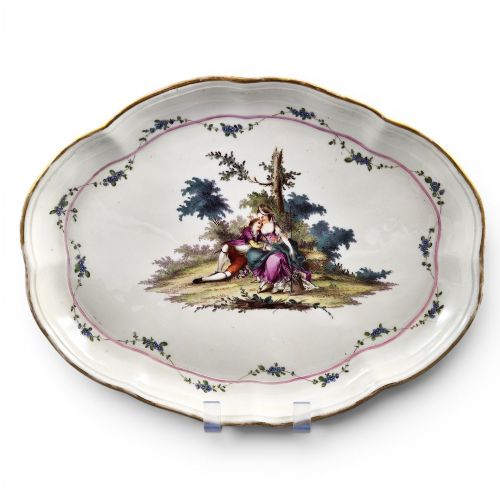


Gilt Porcelain Platter
A gilt porcelain platter brings together fine ceramic surfaces and gold enrichment, spanning European factories and Japanese workshops.
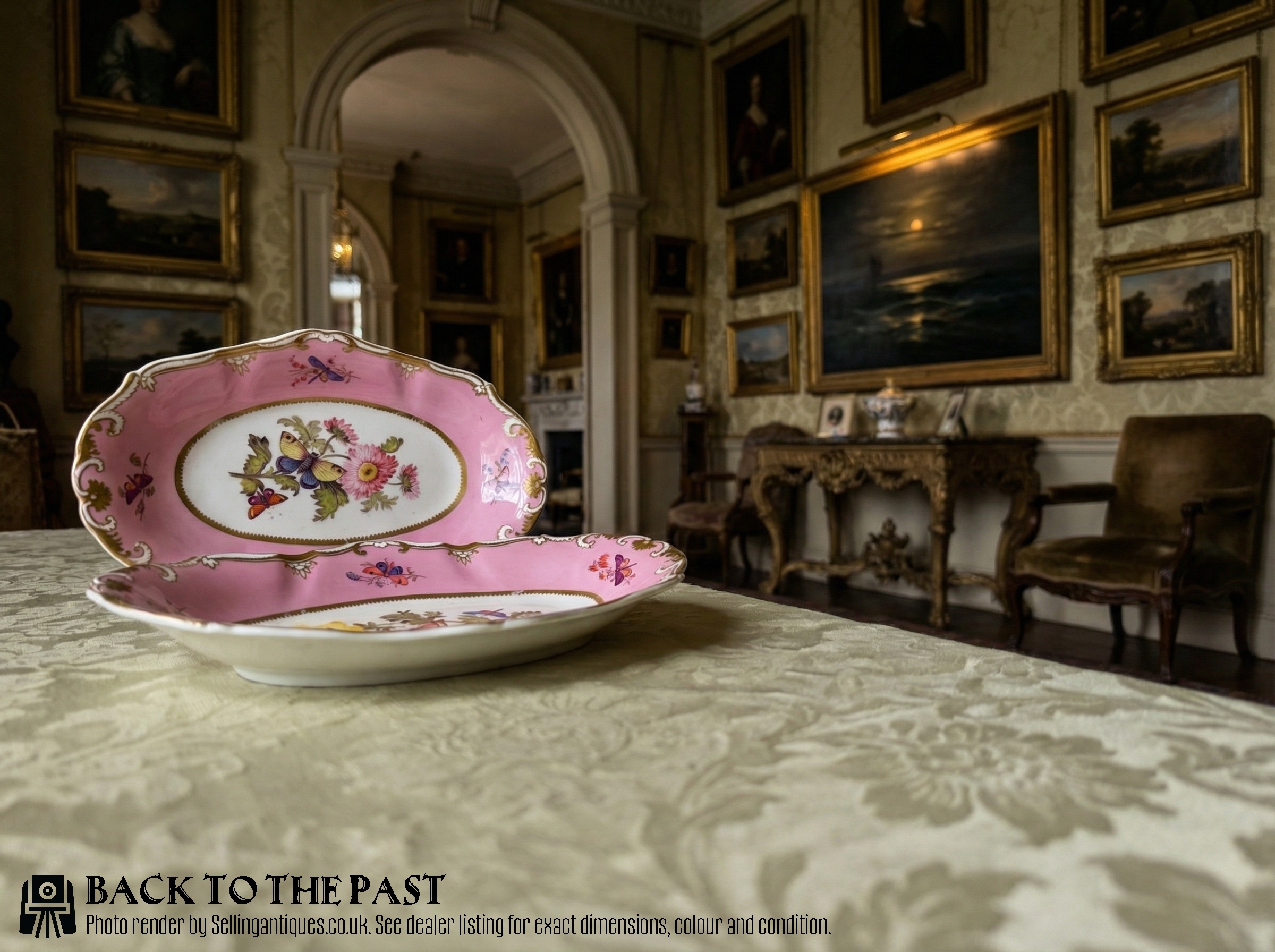
Gilt Porcelain Platter
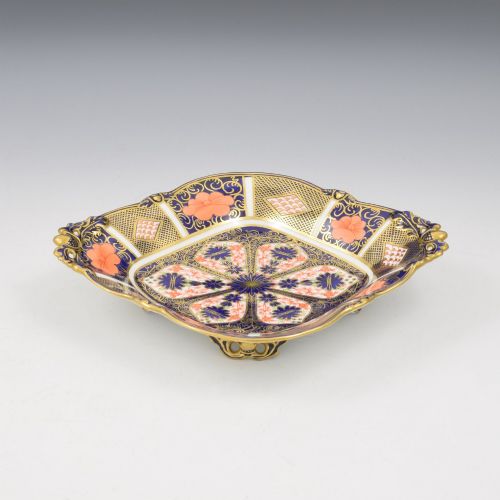
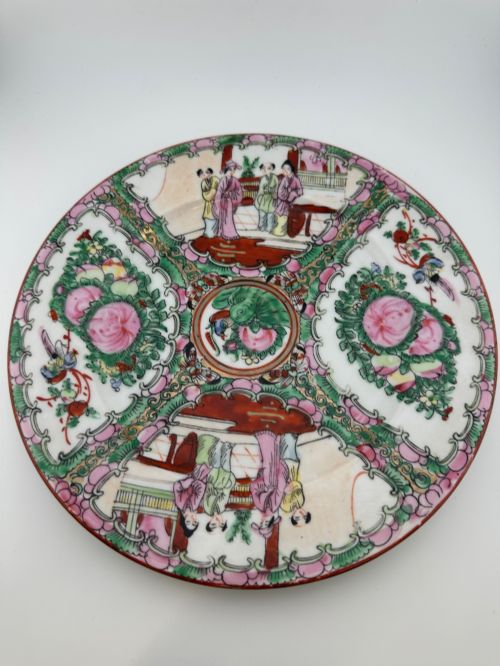
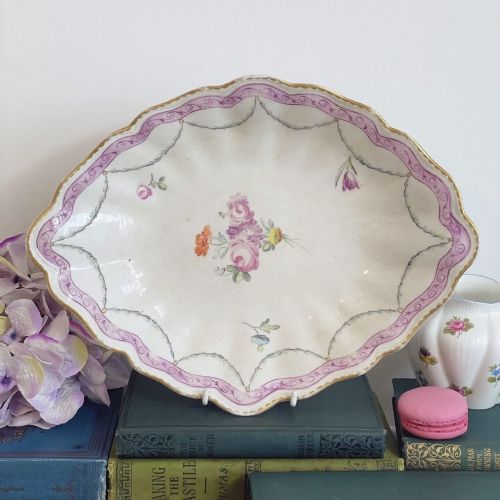
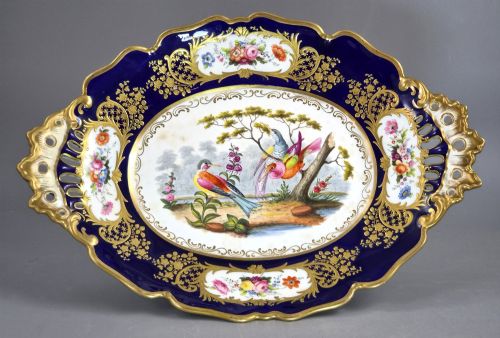
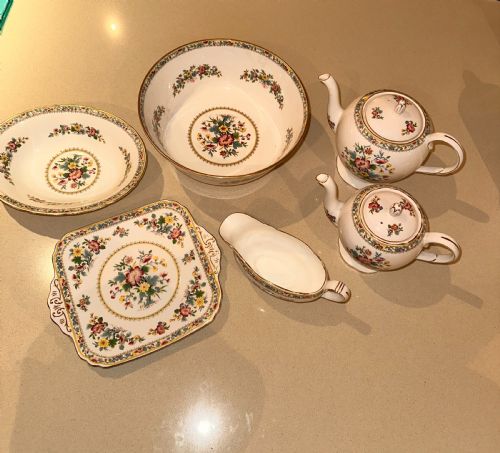
A gilt porcelain platter is a flat or shallow ceramic vessel designed for serving, display, or centrepiece use, enhanced with gold leaf, gilt, or gilding. Buyers searching for a gilt porcelain platter encounter various forms including chargers, serving dishes, cabinet plates, and rectangular trays.
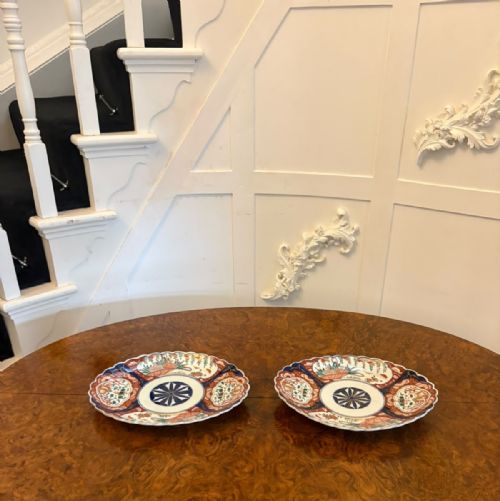
The pieces on this page span the 18th century, the Georgian era, the 19th century, and the early 20th century up to 1920. European factories such as Vienna, Sèvres, Royal Worcester, and Spode appear alongside Japanese Imari and Kutani wares.
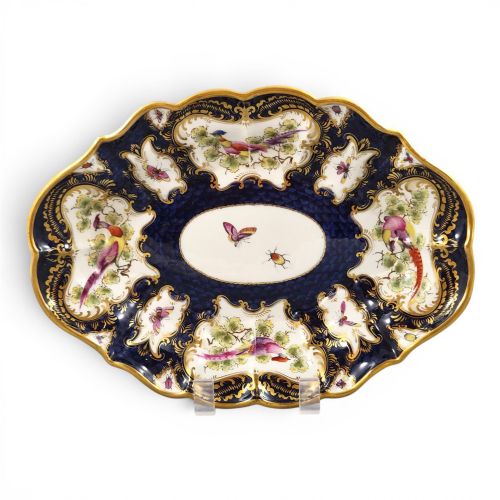
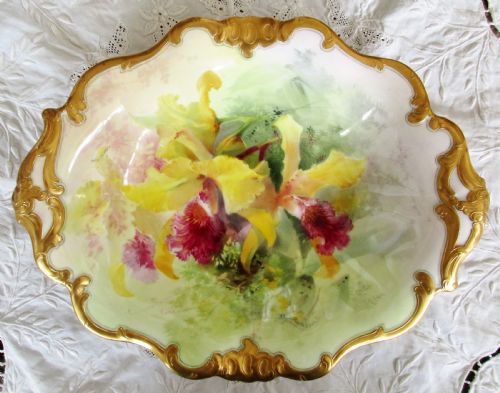
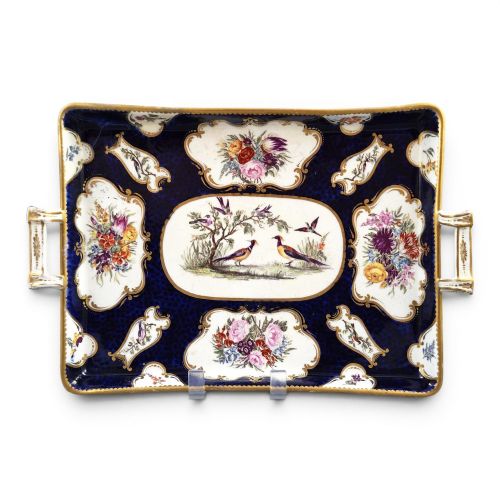
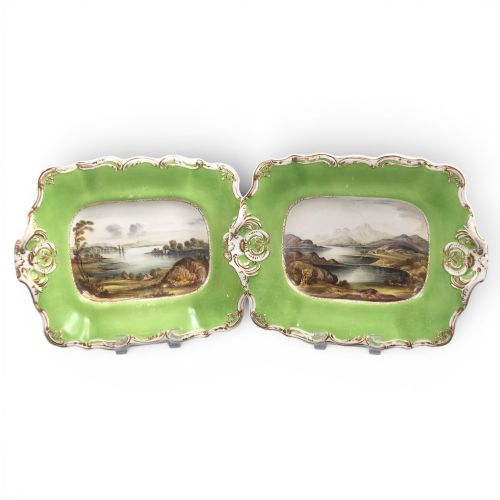
Most examples combine painted polychrome scenes, botanical studies, or exotic birds with metallic borders and highlights. Buyers find items ranging from large decorative chargers measuring up to fifty centimetres to smaller oval and rectangular serving dishes.
How they were made
Makers shaped porcelain, bone china, ceramic, and ironstone before applying hand-painted enamels, cobalt blue, and polychrome pigments. Artisans then added gold leaf, gilt, or gilding to edges, handles, and borders, sometimes fixing the metal through secondary firing.
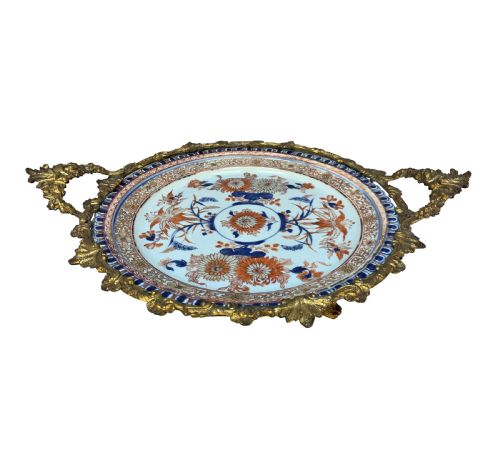
Certain objects integrate mixed media by mounting porcelain bodies in gilt bronze, ormolu, and champlevé enamel. Potters utilised traditional throwing, moulding, and piercing techniques to form plates, trays, and chargers prior to detailed pictorial painting.
Gilt Porcelain Platter Retail Price Guide 2026
Typical asking prices for gilt porcelain platter among the pieces listed under this phrase on Sellingantiques today, from the lower quarter to the upper quarter. They describe what is for sale here now, not the wider market.
The selection includes items from 18th Century, Georgian, Victorian, Edwardian, and Meiji periods.
What varies in quality
The standard of a gilt porcelain platter depends on the crispness of the hand-painted decoration, from finely rendered mythological scenes and botanical studies to repetitive transfer printing. The precision of the gilding and the depth of the porcelain body, whether bone china, hard-paste, or ironstone, also define the tier of the piece.
Attribution to documented makers, renowned factories, or specific artists elevates an object above standard factory production. The scale and ambition of the form, such as large chargers or ormolu-mounted centrepieces, separate ordinary domestic tableware from high exhibition pieces.
Royal Crown Derby·Royal Worcester·Royal Doulton·John Davenport of Longport·Copeland and Garrett·Joseph Gaspard Robert·Pucher Deroche·Carlton Ware·Müller Volkstedt·Mason·Spode·Minton·Samson
The Gilt Porcelain Platter Glossary
- Charger
- A large decorative plate or platter traditionally used for display or as a base for smaller service dishes. These broad surfaces often feature extensive hand-painted scenes and gilt borders.
- Gilding
- The application of gold leaf or powdered gold to the ceramic surface. This technique provides metallic highlights that frame the painted reserves and central motifs.
- Ironstone
- A heavy, durable type of ceramic developed in the 19th century to imitate porcelain. It provides a sturdy body for large platters and brightly coloured transfer-printed designs.
- Imari
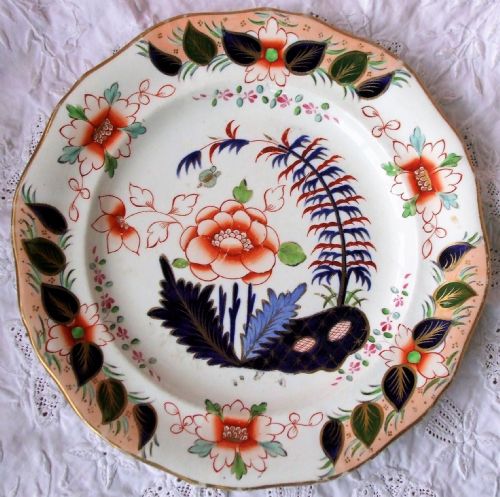
- A Japanese style of porcelain decoration characterised by a palette of underglaze blue, iron red, and abundant gold. European factories frequently copied these patterns during the 18th and 19th centuries.
- Cabinet Dish
- A decorative porcelain plate or tray intended for display in a cabinet rather than functional dining use. These pieces usually display high-quality artistic painting.
Gilt Porcelain Platter: Frequently Asked Questions
What is a gilt porcelain platter?
A gilt porcelain platter is a decorative or serving ceramic dish enhanced with gold leaf, gilt, or gilding. These objects include chargers, cabinet plates, and rectangular trays.
They originate from various periods including the 18th century, the Georgian era, and the late 19th century. European and Japanese makers produced them for display and service.
How were these platters used?
Many examples served as dessert dishes, cabinet plates, or large chargers for formal dining rooms. Others functioned as decorative centrepieces on tables and sideboards.
Larger chargers were often displayed upright on walls or in cabinets. Smaller trays held visiting cards or small objects in period interiors.
How do I care for a gilt porcelain platter?
These antique ceramic pieces require careful manual cleaning with soft, dry cloths to protect the delicate enamel and gold leaf. Water and harsh detergents can damage old gilding and hand-painted surfaces.
Display them away from direct sunlight and heavy foot traffic to prevent accidental knocks. Secure plate hangers safely if mounting them on a wall.
How do I identify the period?
Factory marks, blue stamps, and painted signatures on the reverse provide primary clues to the date of manufacture. Stylistic indicators like Neoclassical borders, Rococo Revival scrolls, or Japanese Meiji motifs also help determine the era.
The weight and composition of the material, such as bone china, ironstone, or hard-paste porcelain, assist in distinguishing 18th-century pieces from later Victorian and Edwardian revivals.