


Gilt Porcelain Ornaments
These gilt porcelain ornaments bring together intricate ceramic forms, hand-painted details and metallic highlights from past centuries.
Gilt Porcelain Ornaments
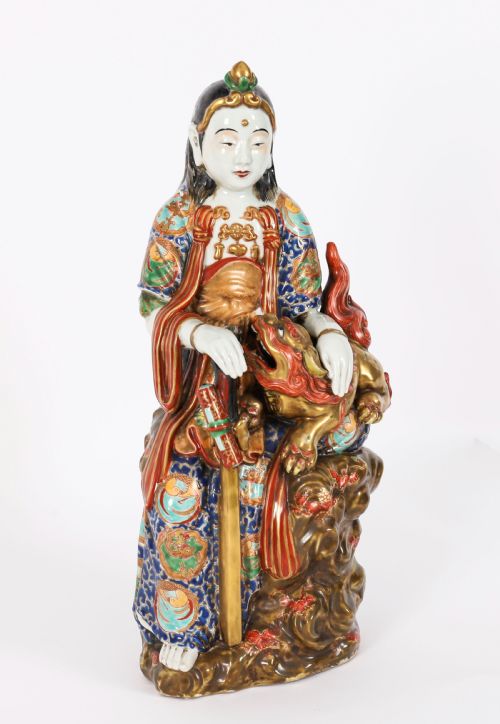
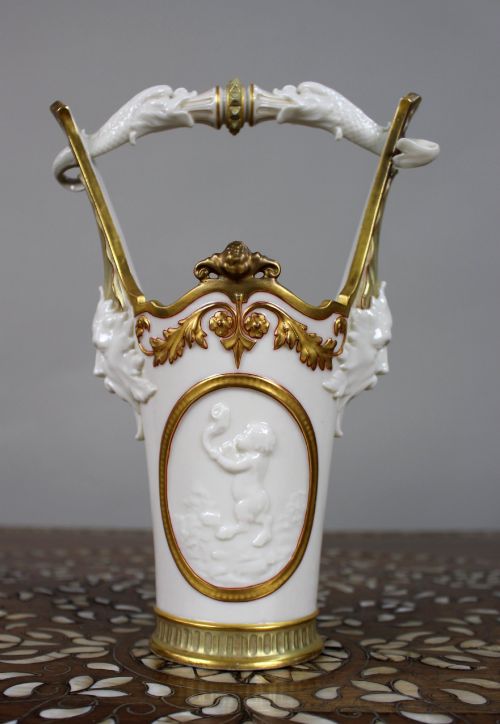
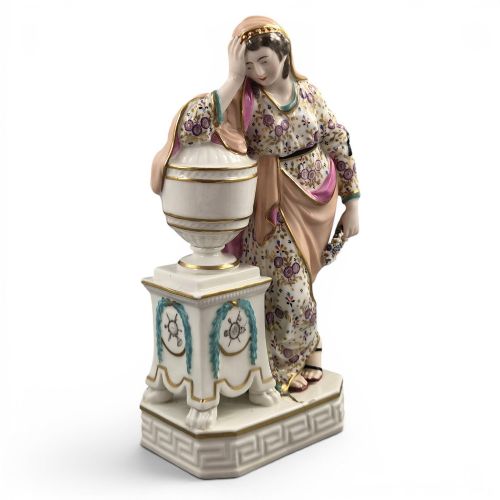
When searching for gilt porcelain ornaments, buyers encounter figures, vases, busts and decorative objects originating from English, continental European and Japanese makers. These pieces span multiple eras, including Georgian, Victorian and Meiji periods, reflecting diverse aesthetic movements from Rococo Revival to Art Deco.
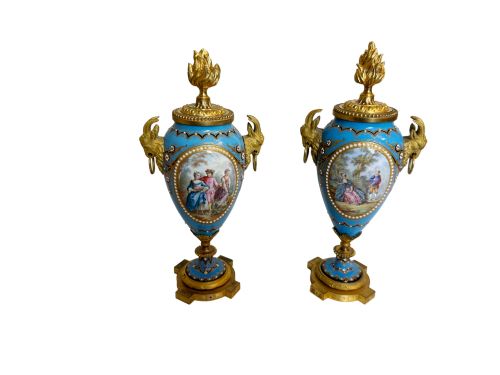
The most common versions met on this page include hand-painted figurines depicting mythological figures, pastoral characters and animals, alongside decorative vases and cassolettes. Many examples incorporate metallic gilding or gold leaf applied to glazed surfaces to accentuate moulded details.
Objects range from early English factory works by Derby and Bow to continental European productions by Meissen and Samson of Paris, as well as Japanese Satsuma and Kutani wares. Each piece serves primarily as a decorative table or mantel display rather than utilitarian ware.
Materials and Construction Techniques
The objects combine hard-paste or soft-paste porcelain bodies with coloured enamels and applied gilding. Craftsmen shaped these ceramic pieces through moulding or hand-modelling before firing them at high temperatures to set the paste.
Glaze and enamel paints were subsequently applied to the surface and fired again to achieve glossy finishes and vibrant pigments. Gold leaf or liquid gold highlights were added in a final stage, often highlighting drapery folds, bases and moulded ornamentation.
Listings feature hard-paste porcelain and earthenware bodies decorated with enamel, glaze, and gold leaf across multiple historic periods.
Assessing Craftsmanship and Detail
Hand-painting further differentiates quality, with superior pieces showing meticulous brushwork in the facial details, polychrome enamels and precise application of gold leaf. Inferior items rely on hurried brushstrokes, transfer printing or crude gilding that obscures underlying ceramic contours.
Royal Worcester·Derby·Meissen·Samson of Paris·Makuzu Kozan
The Gilt Porcelain Ornaments Glossary
- Hard-paste porcelain
- A dense, vitrified ceramic compound composed of kaolin and petuntse fired at extremely high temperatures. It resists scratching and possesses a bright, translucent quality.
- Gilding
- The application of gold leaf or powdered gold suspended in a medium to the ceramic surface. It is often fired to bond the metal permanently to the glaze.
- Cassolette
- A decorative vessel designed to function as a perfume burner or vase, typically featuring a removable pierced lid. These dual-purpose objects frequently incorporate classical ornamentation.
- Enamel
- Opaque or translucent glass-like pigments applied over the glazed porcelain surface to add colour. These pigments require a low-temperature kiln firing to fuse with the glaze.
- Okimono
- A Japanese freestanding decorative sculpture designed for display on a shelf or in a tokonoma alcove. These carvings and ceramic figures depict animals, deities and figures from daily life.
Gilt Porcelain Ornaments: Frequently Asked Questions
What are gilt porcelain ornaments?
These pieces are ceramic decorative objects, figures, and vases embellished with metallic gold highlights, enamel paints, and glazes.
They originate from various European and Asian kilns across the eighteenth, nineteenth, and early twentieth centuries.
How were antique figures used?
Historically, these ornaments served as decorative displays on mantelpieces, tables, and cabinets within wealthy homes and salons.
They were meant to demonstrate taste, reflect classical learning, and add colourful visual accents to interior spaces.
How do I care for gilt porcelain?
Dust the surface gently with a soft, dry brush to prevent accumulation without disturbing fragile hand-painted enamels or raised gold leaf.
Avoid using water, chemical cleaners, or abrasive cloths, which can strip away delicate surface decoration.
How can I tell periods apart?
Examine the stylistic cues, such as Rococo curves, Neoclassical restraint, or Victorian elaboration, alongside the paste type and modelling style.
Factory marks, when present on the underside, also provide specific clues regarding the manufacturing era and origin.