
Gilt Porcelain Fruit Dish
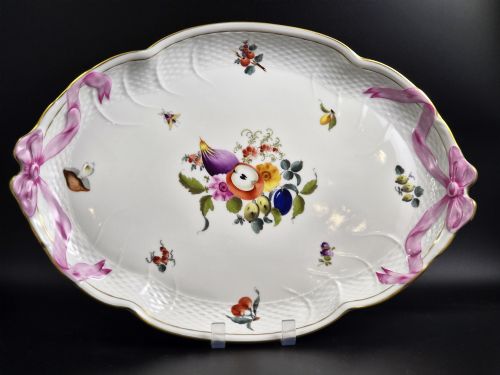
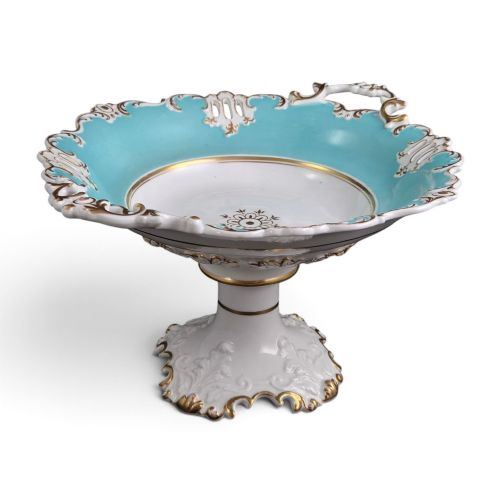
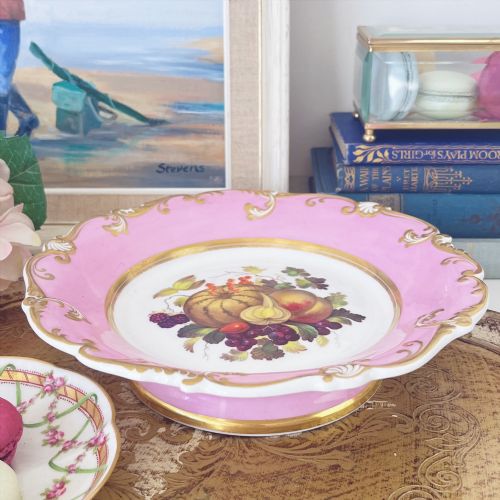
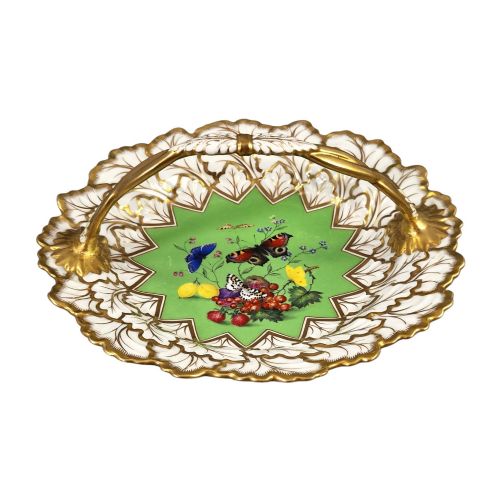
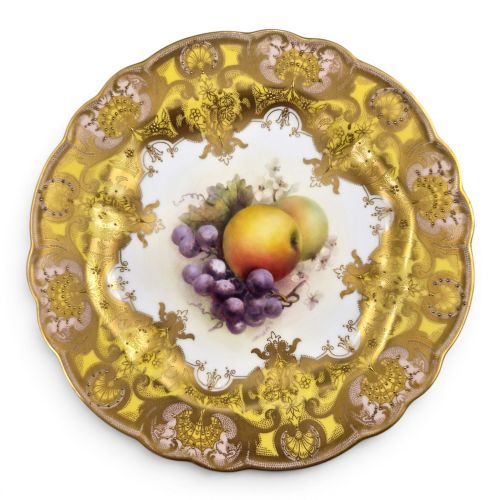
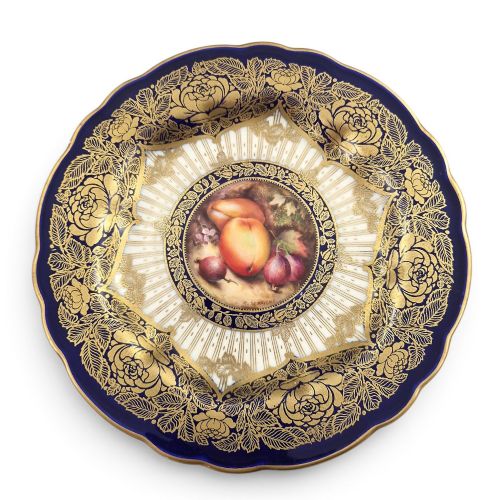
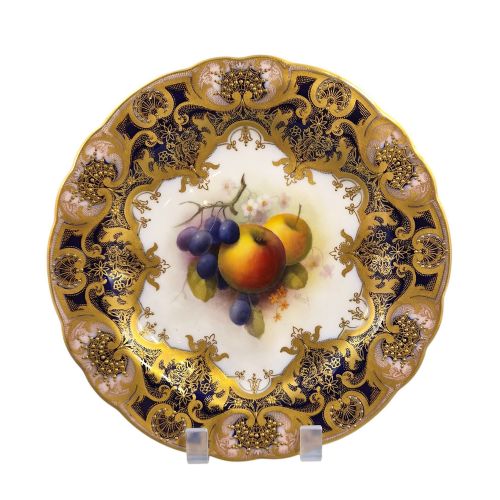
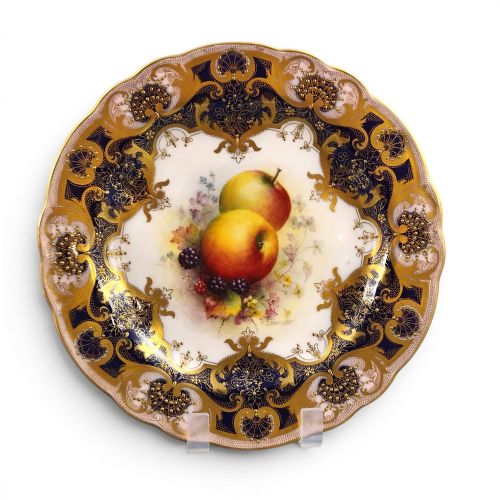
These gilt porcelain fruit dish examples combine fine ceramic bodies with rich gold leaf ornamentation, offering a traditional centrepiece for display tables.
Gilt Porcelain Fruit Dish
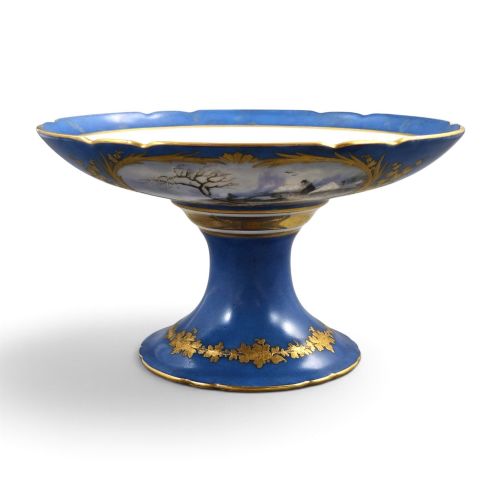
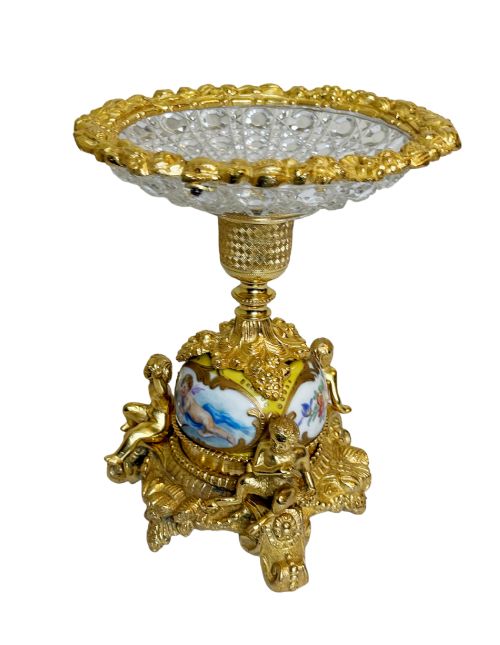
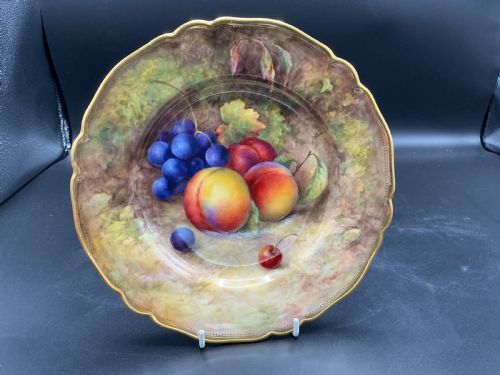
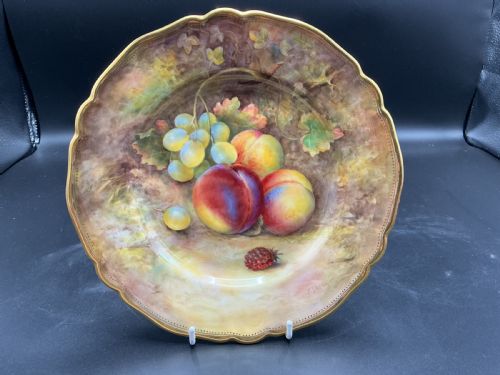
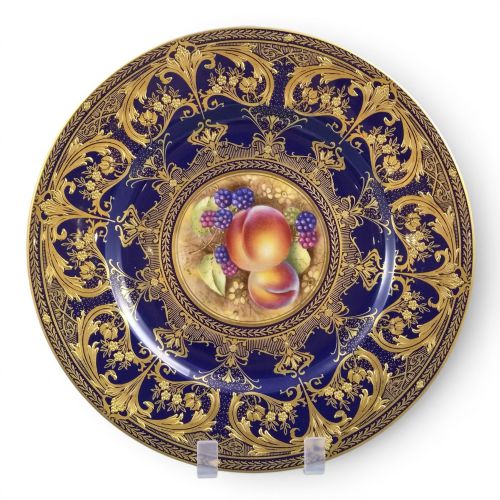
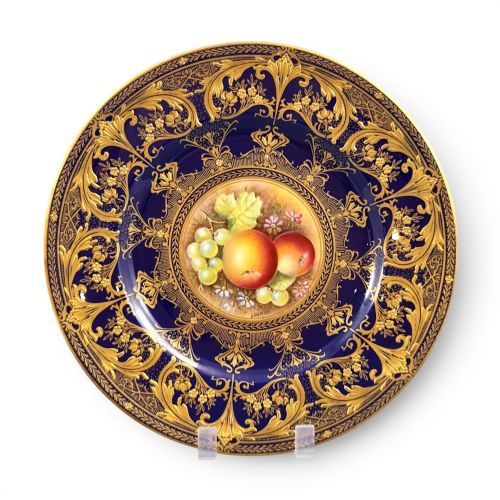
A gilt porcelain fruit dish spans several formal serving forms, most frequently appearing as cabinet plates, comports, tazzas, and decorative bowls intended for display. The pieces originate from periods ranging from the eighteenth century through the mid-twentieth century, with strong representation from the Victorian era and early twentieth-century factories.
Makers include English manufacturers such as Royal Worcester and Coalport alongside continental porcelain houses. Buyers encounter painted fruit scenes, transfer-printed motifs, and moulded edges finished with hand-applied gilding.
How they were made
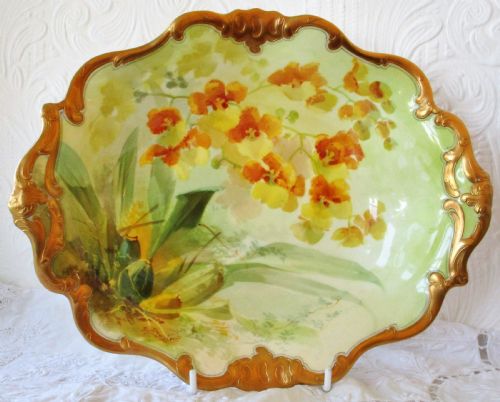
The foundation relies on hard-paste or soft-paste porcelain, bone china, and glaze fired at high temperatures to provide a smooth white surface for painting. Artisans applied enamel colours by hand, often depicting botanical studies or fruit arrangements.
Gilding was executed using gold leaf or liquid gold preparations, applied to borders, handles, and raised relief elements before a final low-temperature kiln firing to bond the metal to the glaze.
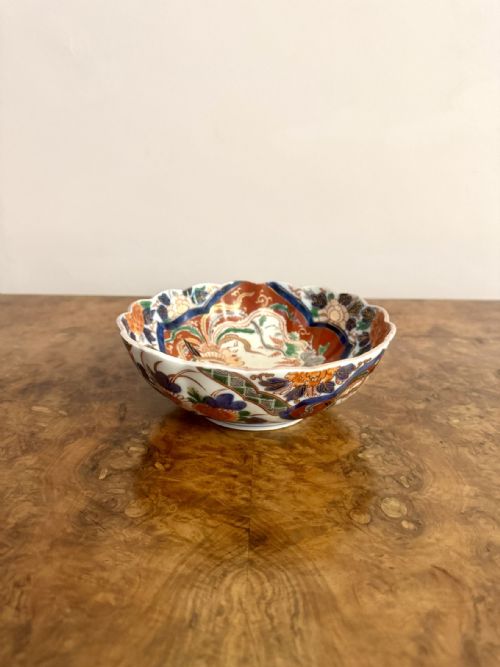
The selection includes works from English potteries alongside continental European porcelain houses and Japanese Imari imports.
What varies in quality
Quality rests upon the skill of the enamel painting and the crispness of the porcelain moulding. Pieces decorated by named artists display greater nuance in colour gradation and brushwork than standard factory-painted output.
The preservation of the gold leaf across high-wear surfaces like handles and rims indicates the care a piece received over its lifespan. Richer ground colours and complex applied three-dimensional details point to higher production tiers.
Coalport·H & R Daniel·Flight Barr & Barr·Royal Worcester·Royal Doulton·Meissen·Derby Porcelain·Doulton Burslem·Copeland·Schierholz·Wedgwood·Chelsea Derby
The Gilt Porcelain Fruit Dish Glossary
- Comport
- A raised vessel used for serving fruit or sweets at table. These stand on a central foot or pedestal above the level of standard dining plates.
- Tazza
- A shallow saucer-like dish mounted on a stem and foot. The form originates from classical vessels and functions primarily for display.
- Cabinet plate
- A decorative ceramic plate intended for exhibition in a display cabinet rather than dining use. These often feature elaborate hand-painted central subjects.
- Gilding
- The application of gold leaf, powder, or liquid gold to the surface of porcelain. This technique highlights rims, handles, and moulded scrollwork.
Gilt Porcelain Fruit Dish: Frequently Asked Questions
How were fruit dishes used?
These vessels served fresh fruit, preserves, or sweetmeats during formal dessert courses in wealthy households. They occupied the centre of the table or sat within display cabinets when not in use.
Over time, the function shifted from active dining service to decorative exhibition as dinner service practices evolved through the Victorian and Edwardian periods.
How do I care for gilt porcelain?
Gilt porcelain requires gentle hand washing in warm water with mild soap. A soft cloth prevents scratching the delicate enamel paints and the underlying glaze.
Harsh detergents and abrasive sponges will wear away the thin gold leaf applied to the rims and handles over generations of cleaning.
How can I date these pieces?
Dating relies on factory backstamps, impressed marks, and painted registration numbers found on the underside of the ceramic body. Stylistic indicators like colour palettes and border designs also point to specific manufacturing decades.
Reference guides for marks issued by factories such as Royal Worcester provide precise year codes corresponding to dots or symbols printed beneath the glaze.
What is a cabinet plate?
A cabinet plate is a decorative ceramic piece produced specifically for visual display rather than practical dining. These items frequently feature detailed hand-painted scenes by named artists.
Because they avoided the wear of cutlery and washing, many survive with their original gilt borders and painted enamel surfaces intact.