


Gilt Porcelain Centrepiece
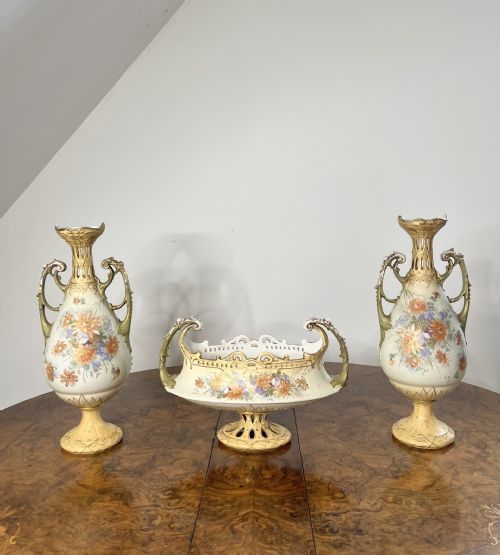
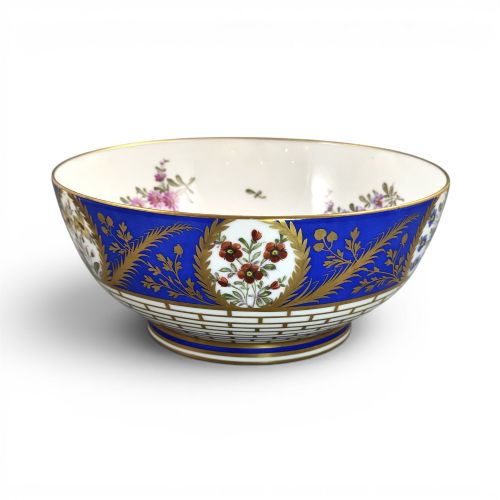
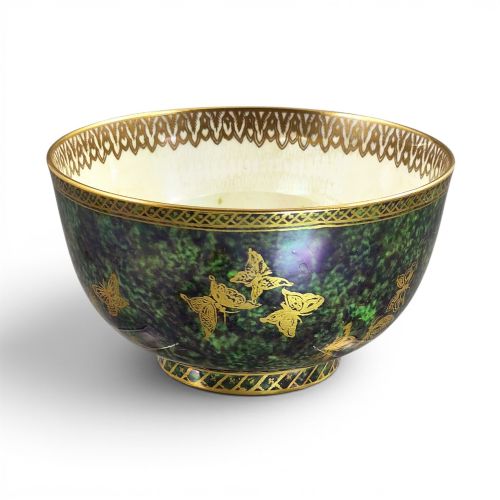
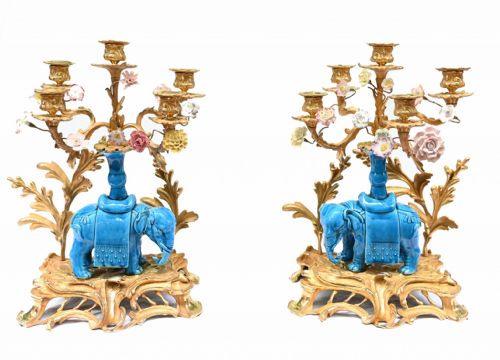
These gilt porcelain centrepiece examples bring together refined ceramic bodies, rich metal mounts and ambitious table display.
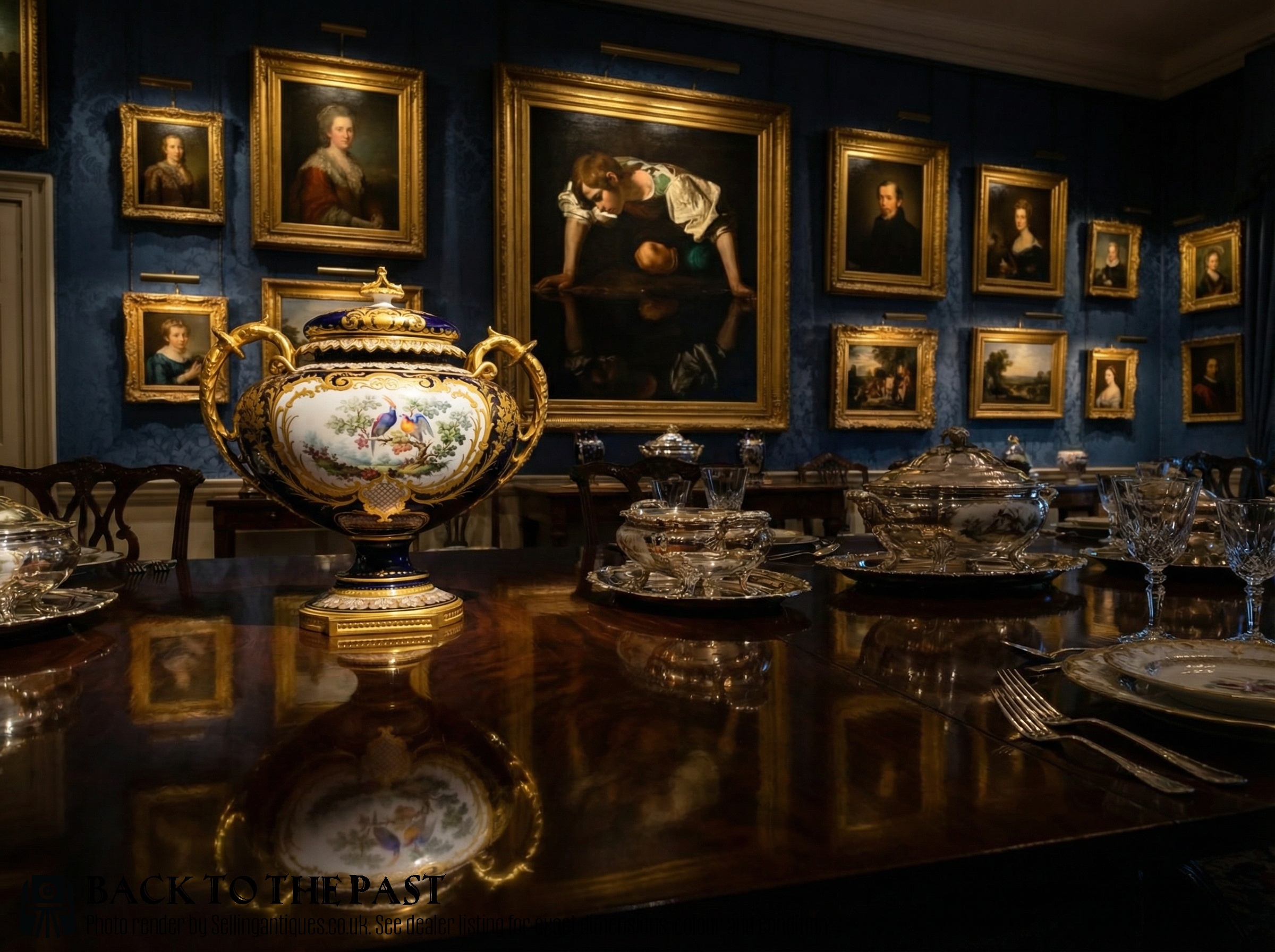
Gilt Porcelain Centrepiece
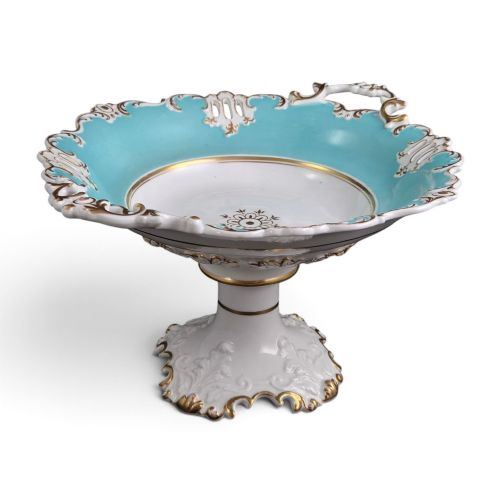
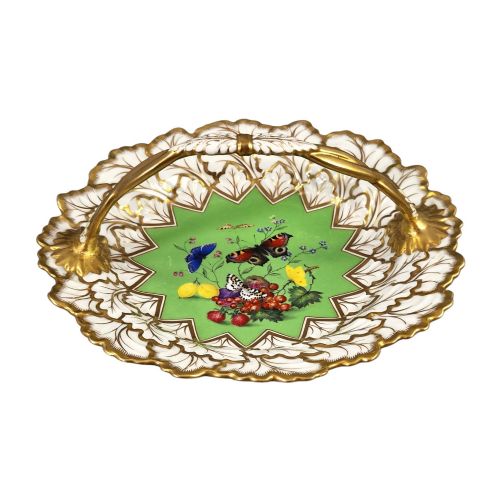
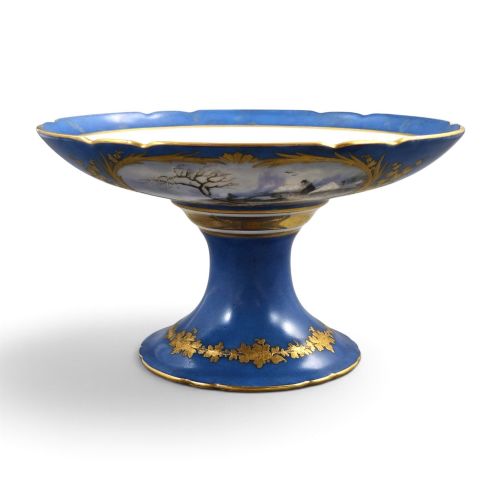
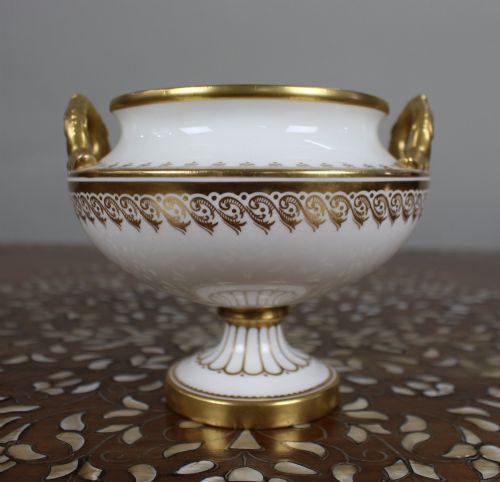
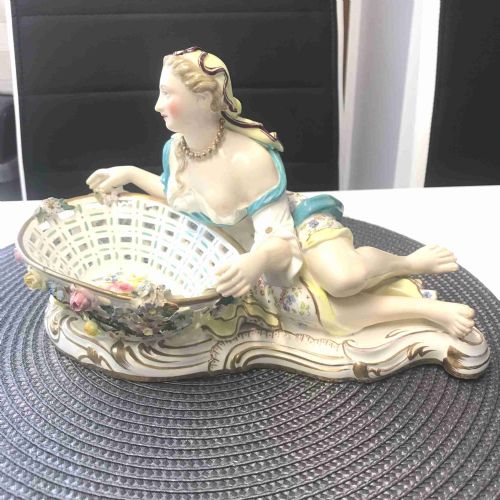
A gilt porcelain centrepiece serves as a striking focal point for a table or sideboard, combining ceramic craftsmanship with metallic embellishment. These works range from large decorative bowls and tazzas to elaborate figural baskets and urns.
The pieces seen here stretch from the eighteenth century through the Victorian era and into the Edwardian period, encompassing English, French, German and Asian origins. The most frequent examples on this page are nineteenth-century decorative bowls, tazzas and mounted porcelain vessels featuring applied gilding.
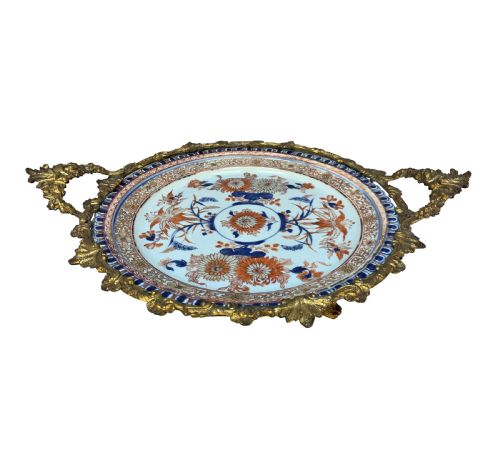
Makers and factories such as Coalport, Worcester, Sèvres, Meissen and Wedgwood appear alongside Japanese Imari and Chinese export wares. Buyers encounter varied stylistic interpretations, from French Rococo Revival and Regency to Art Deco and Japanese influences.
How they were made
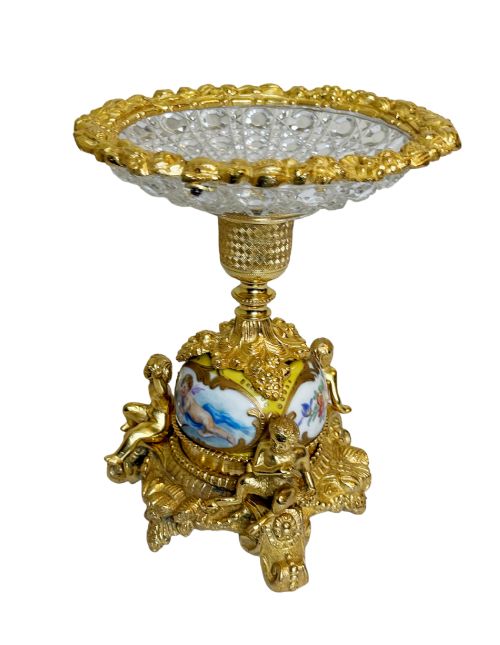
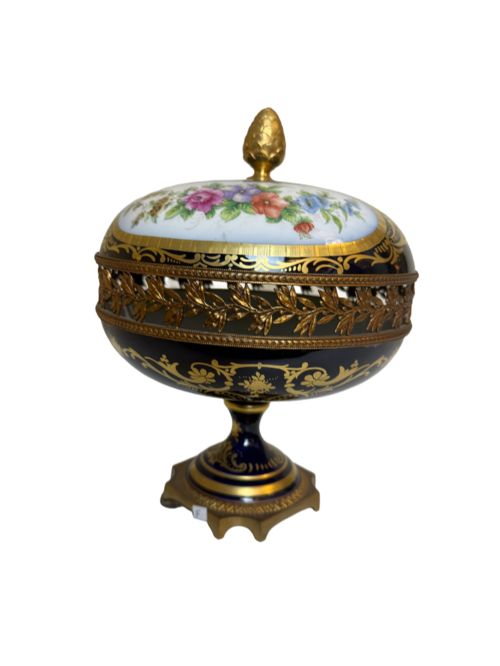
The primary material is porcelain, shaped into bowls, baskets and vases, then painted with enamels, glazes and gold leaf or liquid gilding. Many vessels incorporate cast metal mounts known as ormolu or gilt bronze, securing the ceramic body within decorative handles, rims and footed bases.
Advanced manufacturing involved high-temperature kiln firing of the clay body before intricate hand-painting, transfer printing and subsequent gilding processes took place. Metal components like champlevé enamel or cast bronze were then fitted precisely to the porcelain shapes.
Several porcelain centrepieces feature cheeky cherubs clinging to the edges as if investigating the fruit inside.
What varies in quality
Quality rests upon the crispness of the porcelain moulding, the delicacy of the hand-painted details, and the weight and execution of the metal mounts. Pieces featuring signed artists, intricate figural putti or hand-painted landscapes demonstrate higher artistic ambition.
The depth and preservation of the gilding and ormolu also dictate the grade of a piece. Finer examples display meticulous burnished gold work and harmonious integration between the ceramic body and its metallic framework.
Coalport·Flight Barr And Barr·Sèvres·Meissen·Doulton Burslem·Royal Worcester·C G Schierholz Und Sohn·Wedgwood·Samson Paris
The Gilt Porcelain Centrepiece Glossary
- Ormolu
- A gilded bronze finish applied to decorative metal mounts. This technique was frequently utilised on French and English porcelain pieces during the eighteenth and nineteenth centuries.
- Tazza
- A shallow ornamental bowl or cup set upon a footed base or pedestal. These are often used for serving sweetmeats or displaying fruit.
- Imari
- A traditional style of Japanese porcelain featuring distinctive underglaze blue and iron-red designs with added gold highlights. These wares were heavily exported and later emulated by European factories.
- Gilding
- The application of gold leaf or gold dust to a surface. In ceramics, it provides decorative borders, highlights and accents.
- Putti
- Depictions of plump, winged infant figures, often found as sculptural elements on nineteenth-century European centrepieces and figural baskets.
Gilt Porcelain Centrepiece: Frequently Asked Questions
What is a gilt porcelain centrepiece used for?
These pieces were originally designed to anchor large dining tables, holding fruit, flowers or sweetmeats during formal meals. Today, they serve as prominent decorative objects on sideboards, tables and mantelpieces.
Their substantial presence and elaborate decoration make them natural focal points for interior display without requiring additional contents.
How do I distinguish eighteenth-century pieces from nineteenth-century revivals?
Examination of the paste, glaze characteristics and mount construction reveals the manufacturing period. Eighteenth-century wares often exhibit softer glazes and distinct potting techniques compared to later nineteenth-century revival pieces.
Factory marks, where present, help confirm the exact era of production.
How should I care for gilt porcelain?
Dust these items gently with a soft, dry cloth to protect delicate hand-painted surfaces and applied gilding. Avoid using liquid cleaners or abrasive materials, which can strip the gold leaf or damage the enamel.
Keep pieces away from direct sunlight and areas of high humidity to preserve the integrity of the porcelain and metal mounts.
What styles are most common in these centrepieces?
Rococo Revival and Victorian styles dominate the European offerings on this page, featuring asymmetrical scrolls, floral appliqués and gilt bronze mounts. Regency, Edwardian and Art Deco pieces also appear alongside traditional Asian export forms.
Each style reflects the prevailing aesthetic tastes of its respective decade.