

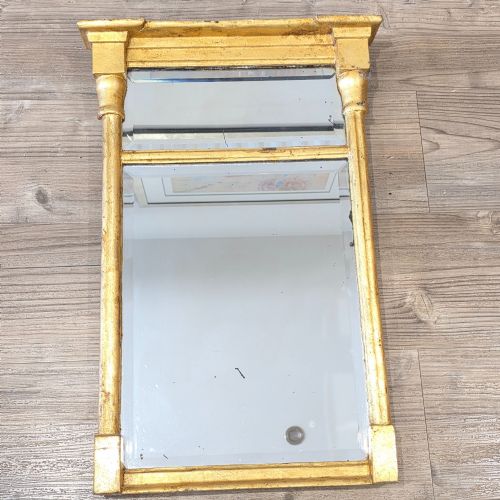
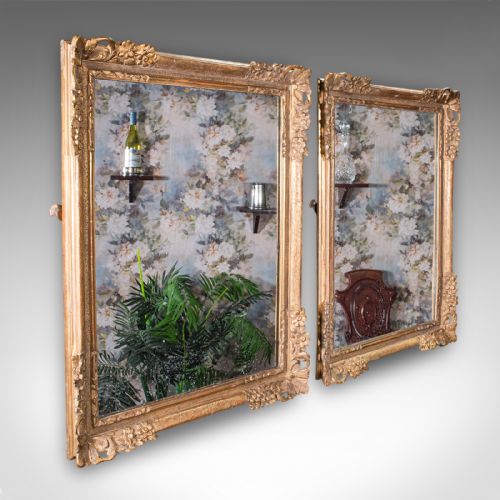
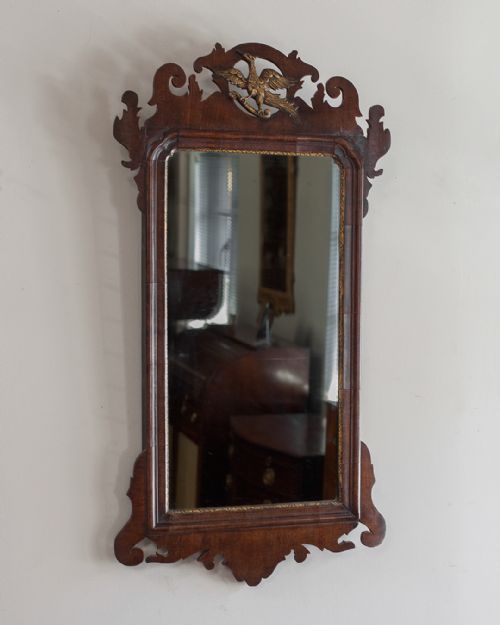
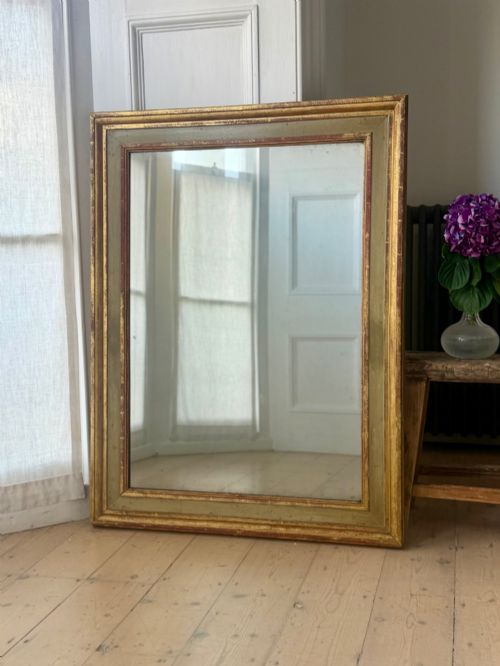
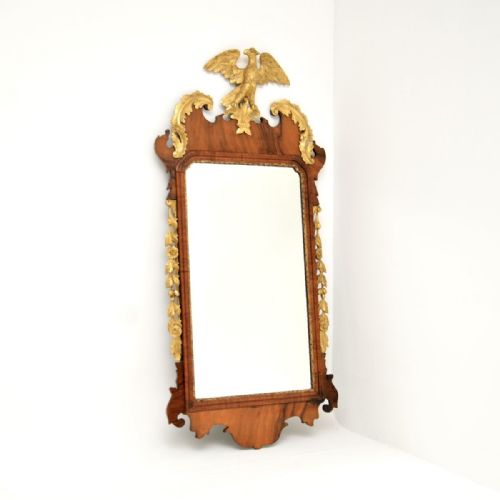
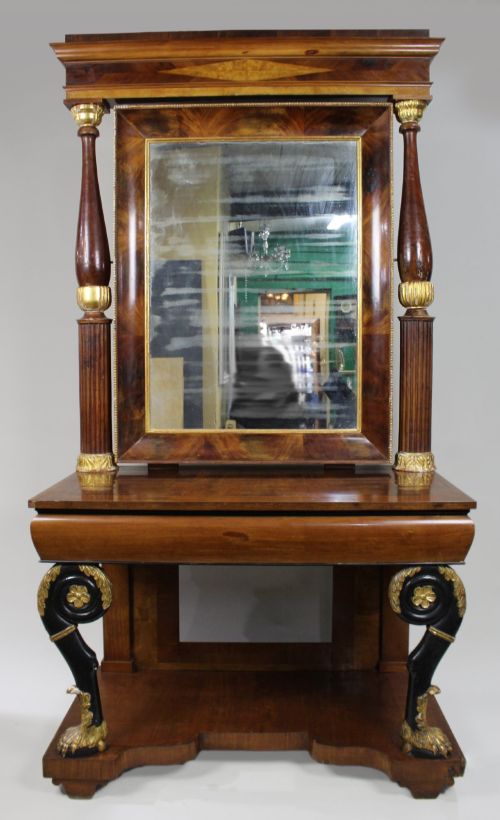
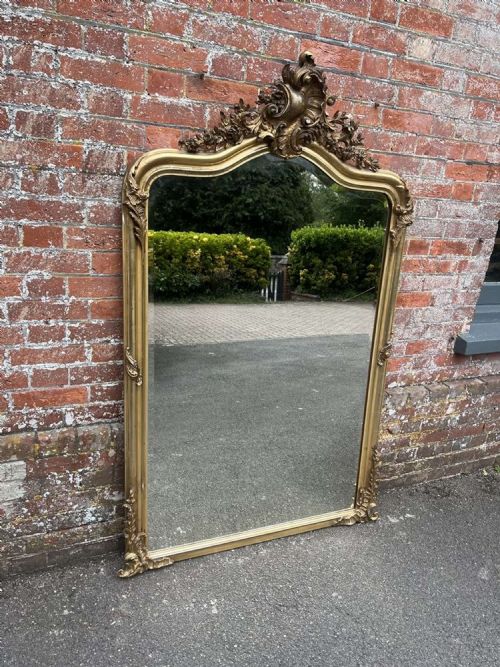
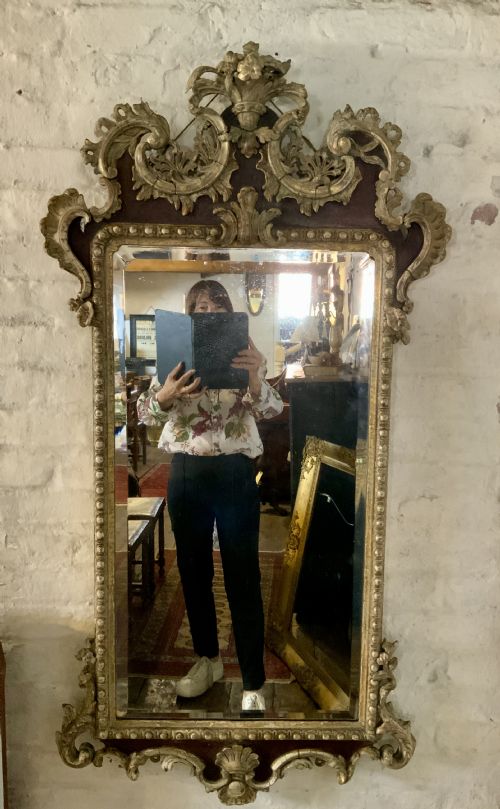
Gilt Pier Glass Mirror
A gilt pier glass mirror brings architectural presence and reflected light to a room, drawing on centuries of classical design.
Gilt Pier Glass Mirror
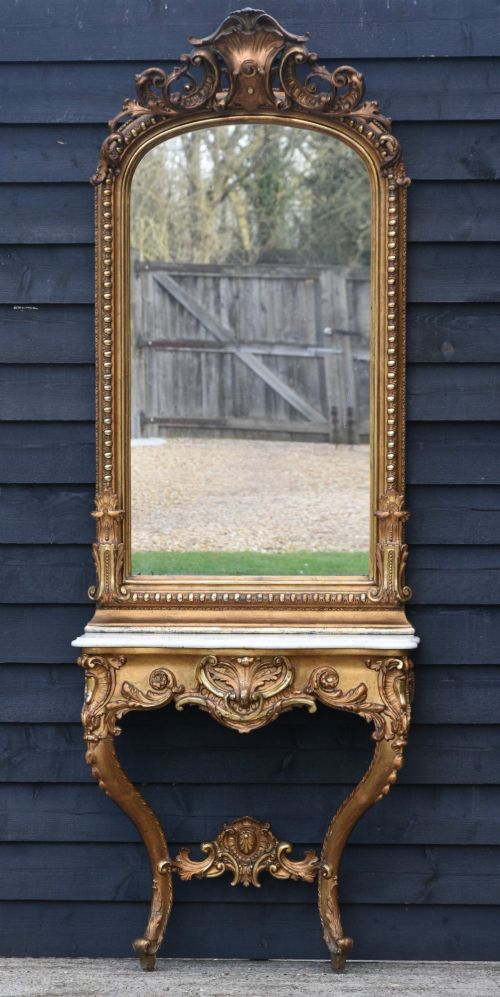
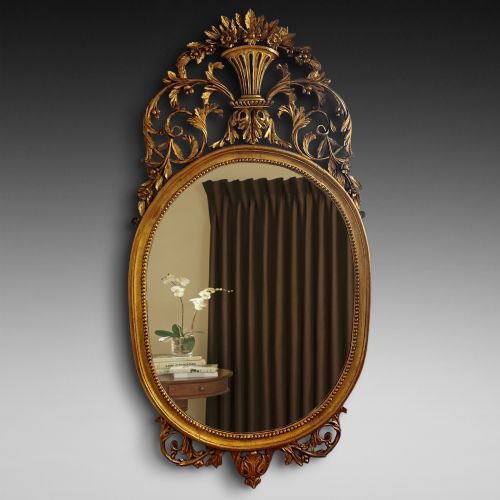
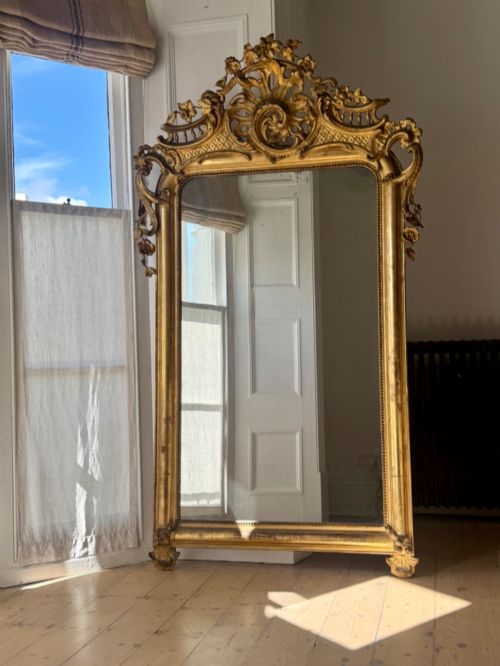
A gilt pier glass mirror is designed specifically to hang on the wall space, known as a pier, between two windows or above a console table. Buyers encounter examples spanning the eighteenth and nineteenth centuries, including Georgian, Regency, and French decorative traditions.
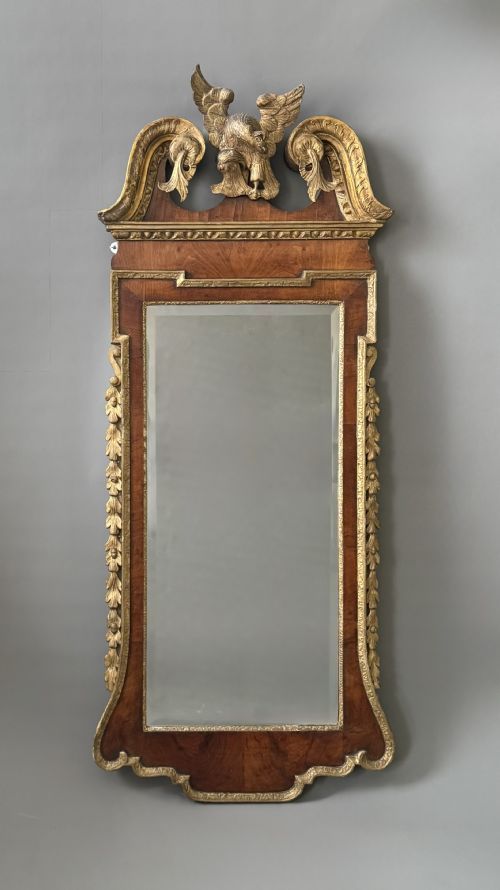
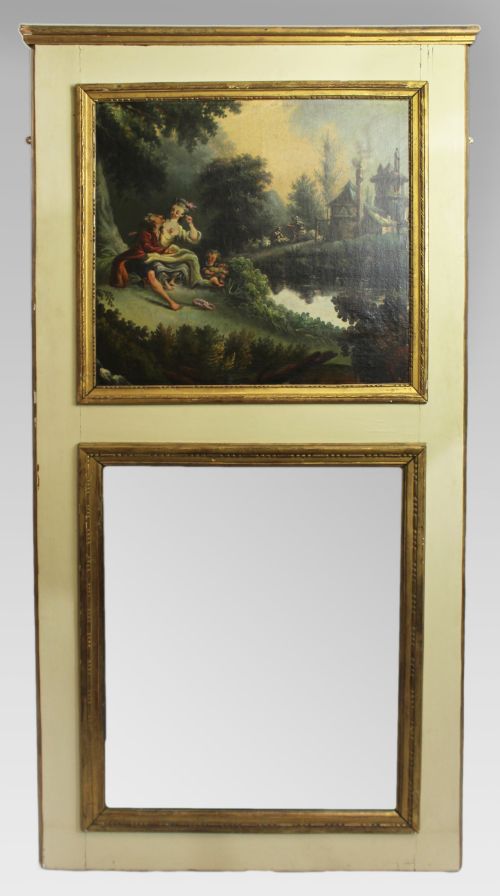
The selection ranges from tall trumeau frames incorporating oil paintings to console tables paired with matching wall glass. Pieces frequently display carved wooden frames finished with giltwood, gesso, or parcel gilt accents over mahogany and walnut bases.
Materials and Construction Techniques
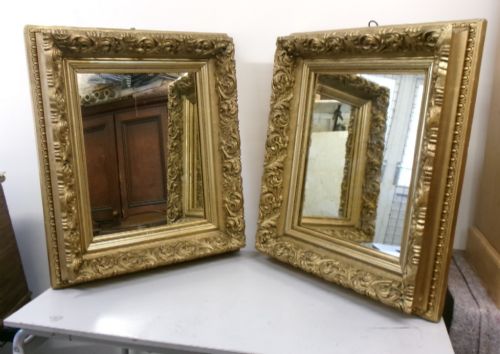
Frames rely on timber foundations such as mahogany, walnut, or carved wood built up with gesso layers to hold crisp decorative details. Artisans applied thin sheets of gold leaf or silver gilt directly onto the prepared gesso surfaces to achieve a brilliant metallic sheen.
Early examples feature original mercury glass plates with characteristic foxing and depth, while later pieces utilise standard mirror glass. Specialised panels like verre eglomise or painted pastoral scenes frequently occupy the upper sections of the frame.
Distinctions in Quality and Preservation
The standard of carving determines much of the distinction, separating sharply defined acanthus leaves, fretwork, and crests from softer, shallower ornamentation. Original components, including backboards, mercury glass plates, and untouched gilding, carry greater historical weight than later replacements.
Proportion and scale dictate the visual impact of the piece within an interior setting. Examples retaining their early gilding and untouched mirror plates demonstrate the superior integrity sought by collectors.
The Gilt Pier Glass Mirror Glossary
- Giltwood
- Wood carved and coated with gold leaf or metallic powder to create a radiant finish. This technique defines the primary appearance of classical wall glass frames.
- Gesso
- A plaster-like mixture applied to wooden frame bases and carved before gilding. It provides a smooth, receptive ground for intricate raised ornamentation.
- Verre Eglomise
- A cold decoration technique where artisan painters apply design elements to the reverse of glass panels using gold or silver leaf. It appears in upper mirror sections to add decorative contrast.
- Trumeau
- A decorative wall panel combining a mirror glass plate with an oil painting or carved motif above. These architectural mirrors originated in French interiors.
- Parcel Gilt
- A finishing method where specific areas of a wooden frame receive gold leaf while the underlying wood grain remains visible. Walnut and mahogany pieces frequently utilise this selective highlighting.
Gilt Pier Glass Mirror: Frequently Asked Questions
Where should a pier glass mirror hang?
These mirrors suit narrow wall sections between windows, echoing historical placements designed to maximise reflected daylight. They also function effectively above console tables or mantelpieces as principal decorative focal points.
Selecting a scale appropriate to the architecture ensures the frame commands the wall without overwhelming adjacent furniture.
What is mercury glass?
Mercury glass refers to double-walled blown glass mirrors produced with a silvering mixture inserted between the layers during historic periods. This technique creates a deep, slightly uneven reflection with characteristic dark spots known as foxing.
Original plates provide authentic period character that distinguishes eighteenth and early nineteenth-century examples from later replacements.
How do I identify a Regency mirror?
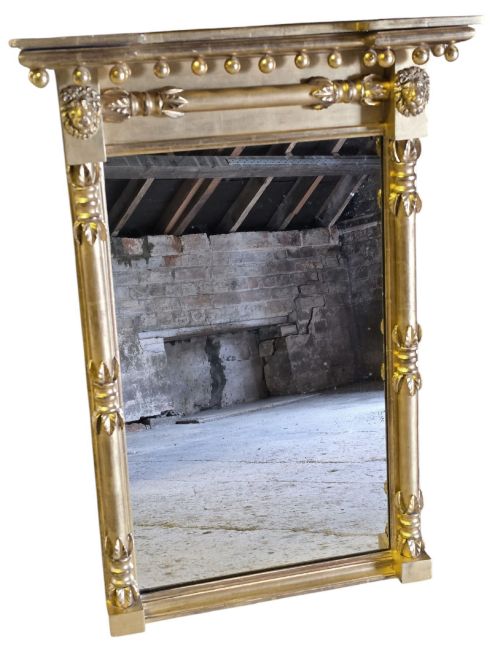
Regency frames often incorporate classical motifs such as ball-stud cornices, carved eagles, convex plates, and bold architectural lines. Mahogany and giltwood predominate in this era, frequently paired with verre eglomise panels.
Comparing construction methods and decorative details against known Georgian and Victorian styles helps confirm the period.
How do I care for antique gilding?
Antique gilt surfaces require gentle dusting with a soft, dry cloth to prevent abrasion of the delicate gold leaf layer. Avoid chemical cleaners, moisture, and direct sunlight, which can degrade the gesso and underlying wood over time.
Maintaining stable indoor humidity preserves both the wooden structure and the historic finish.