




Gilt Painted Mantel Mirror
A gilt painted mantel mirror anchors a room with light and architectural weight, combining reflective glass with decorative surfaces.
Gilt Painted Mantel Mirror
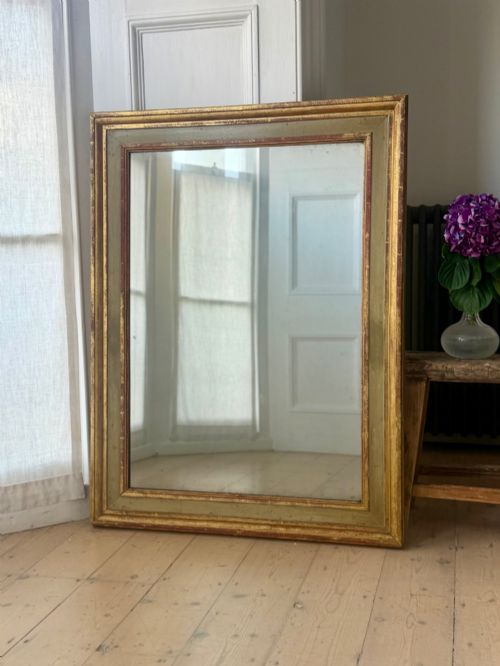
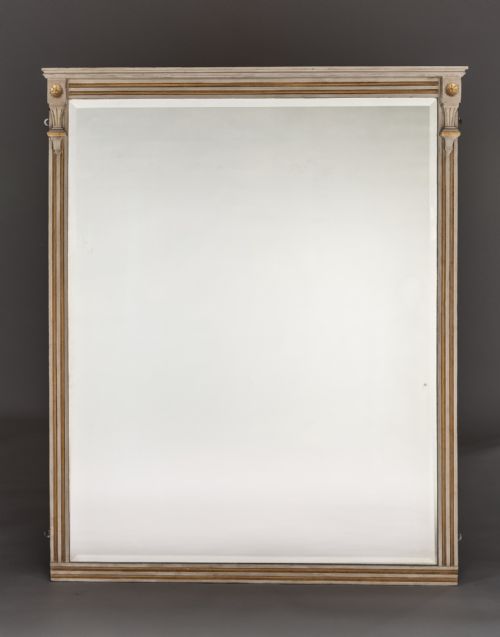
A gilt painted mantel mirror is a substantial domestic furnishing designed to sit above a fireplace or upon a principal wall. The selection centres on nineteenth-century examples, spanning Victorian, Edwardian, and Regency periods alongside French and English workshops.
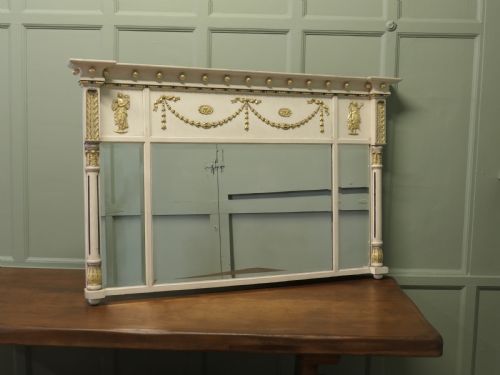
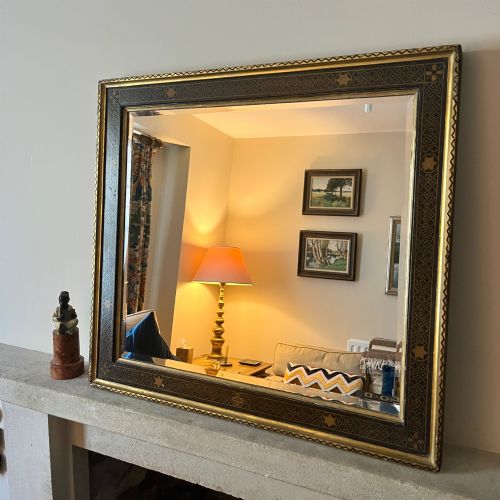
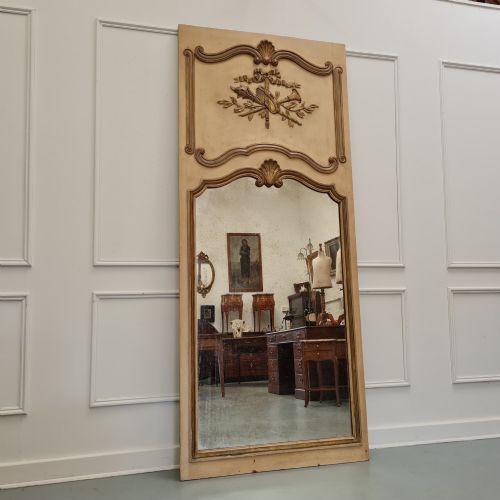
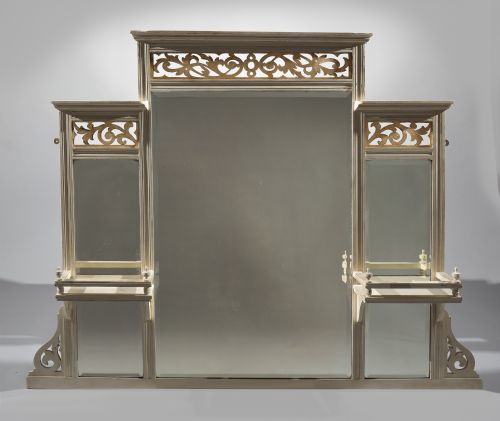
The dominant forms are large overmantle mirrors, wall mirrors, and trumeau mirrors featuring rectangular, shaped top, or triple plate configurations. These pieces combine painted wooden frames with applied gilding to create decorative focal points for domestic interiors.
How They Were Made
Frames rely on carved wood and moulded gesso built over a timber foundation, providing the structural depth required for large overmantle formats. Artisans applied layers of paint alongside gold leaf or parcel-gilt details to produce the characteristic dual-tone finish.
Reflective surfaces utilise traditional mirror glass or mercury glass held within the rebated frame. Decorative relief panels, often depicting classical motifs or figurative scenes, were integrated into the upper sections of trumeau and French style frames.
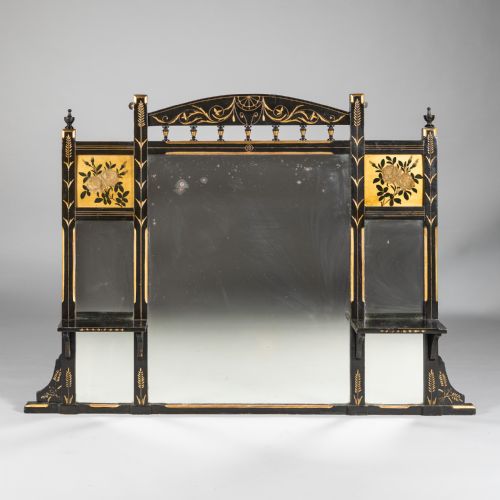
Materials recorded across the inventory include gesso, gold leaf, ebonised wood, and original mercury glass.
What Varies in Quality
The standard of a gilt painted mantel mirror depends on the depth and crispness of the hand-carved woodwork and the execution of the gesso relief ornament. Pieces with original paint surfaces and undisturbed gilding demonstrate greater integrity than later repainted examples.
Proportion and scale dictate visual impact, with superior items maintaining balanced dimensions across expansive triple plate or large overmantle formats. The retention of original mirror glass, showing appropriate age-related foxing, adds considerable character to the piece.
The Gilt Painted Mantel Mirror Glossary
- Gesso
- A plaster-like mixture applied to wood frames to create a smooth surface for carving and gilding. This material allows for intricate relief ornamentation.
- Parcel-gilt
- A decorative treatment where only specific portions of a painted or ebonised frame receive gold leaf. It creates contrast against the underlying painted wood.
- Trumeau mirror
- A tall wall mirror incorporating a painted or carved panel above the glass. Originating in French interior design, these pieces often sit above mantelpieces.
- Overmantle mirror
- A wide mirror specifically designed to hang above a fireplace mantel. These architectural pieces often reflect natural light across a reception room.
Gilt Painted Mantel Mirror: Frequently Asked Questions
Where should a mantel mirror hang?
These mirrors traditionally occupy the wall space directly above a fireplace mantelpiece, serving as the central architectural feature of a room. Their generous proportions help to distribute light and visually expand the floor space.
Alternatively, large wall-mounted versions function effectively in hallways or principal reception rooms when anchored securely to solid masonry.
How do I identify a Victorian mirror?
Victorian examples often feature substantial carved wood and gesso frames with parcel-gilt and painted finishes, frequently embracing Aesthetic Movement ebonising. Dating is supported by construction methods visible on the reverse and the characteristics of the glass.
Later nineteenth-century pieces balance classical proportions with ornate decorative relief work, distinguishing them from earlier Regency or later Edwardian iterations.
What is mercury glass?
Mercury glass is an early type of silvered mirror glass produced by pouring a liquid amalgam between double-walled blown glass or applying it to flat sheets. This technique creates a distinctive mottled reflection with characteristic dark spots.
Finding original mercury glass in an antique frame indicates early nineteenth-century manufacture and adds historical interest to the piece.
How do I clean an antique frame?
Dust gilt painted surfaces gently with a soft, dry brush to prevent damage to fragile gesso and delicate gold leaf layers. Moisture and modern chemical cleaners should be avoided entirely to preserve the original finish.
Glass panels require careful wiping with a lint-free cloth dampened lightly with water, keeping all liquids away from the wooden frame joints.