



Gilt Mounted Vases
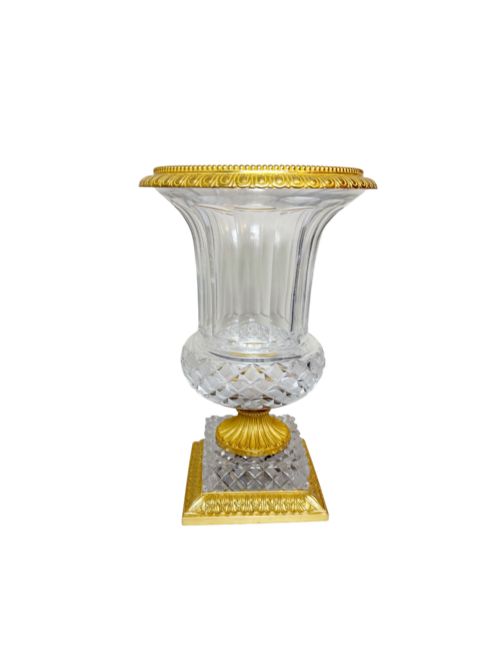
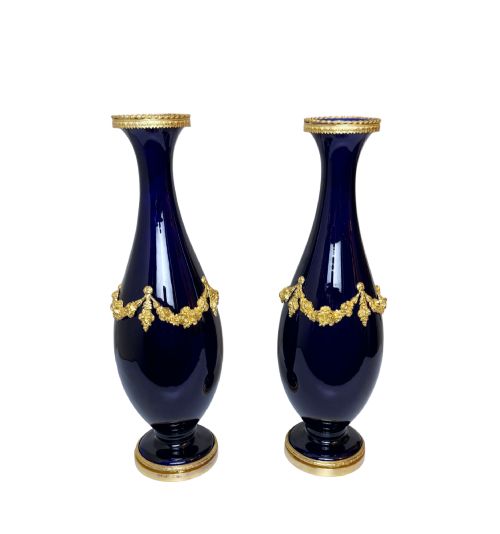
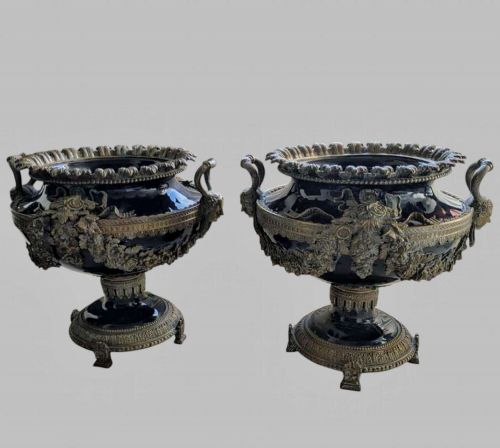
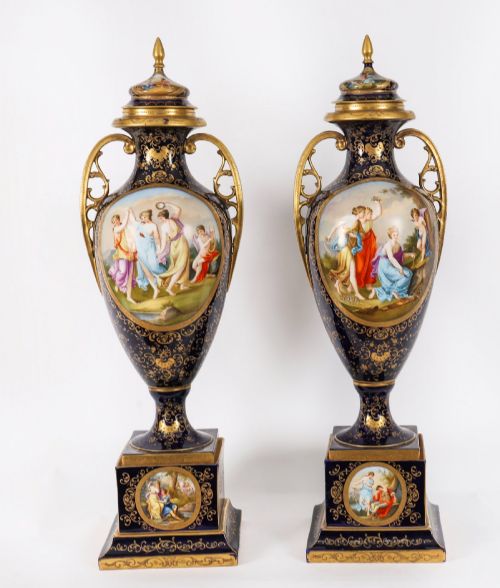
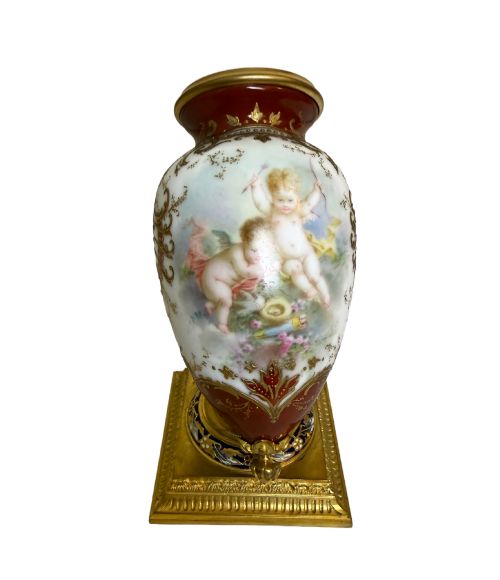
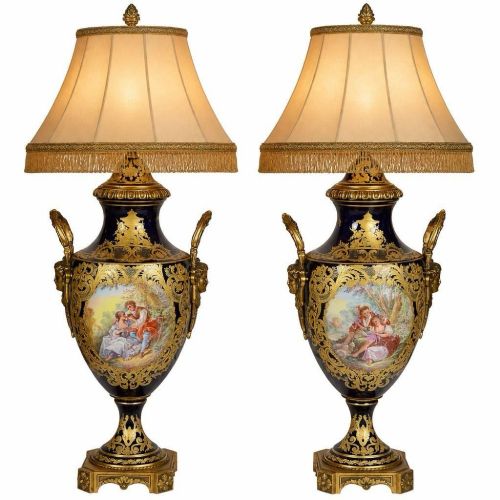
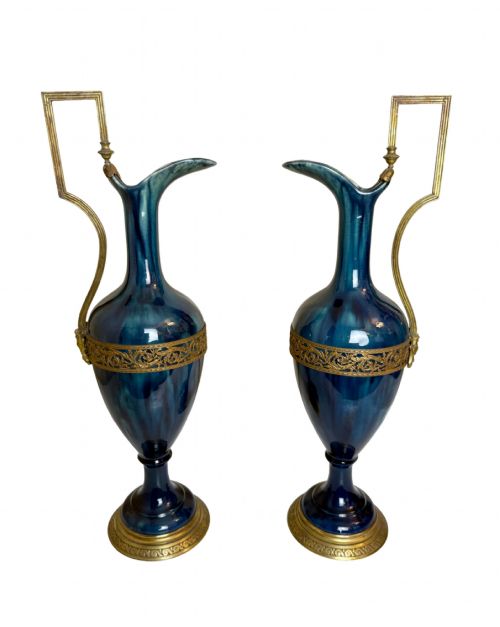
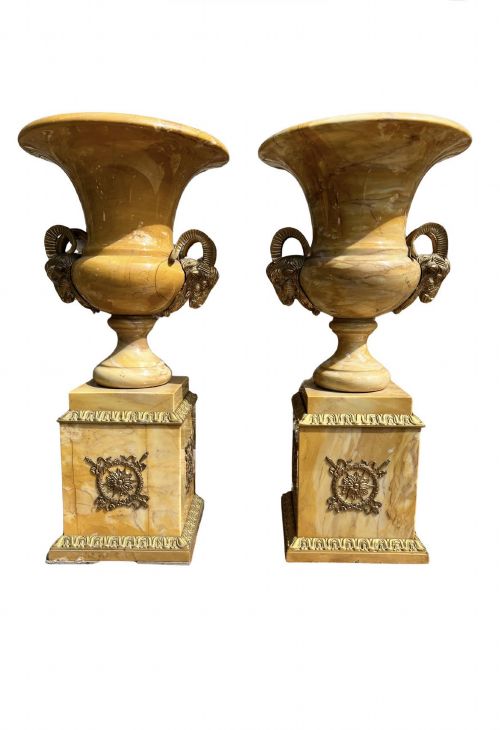
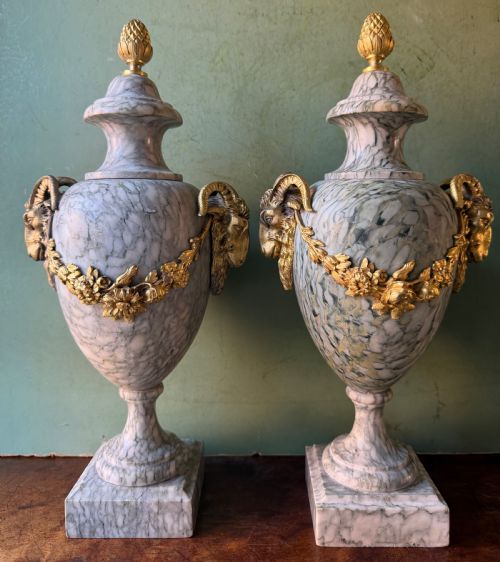
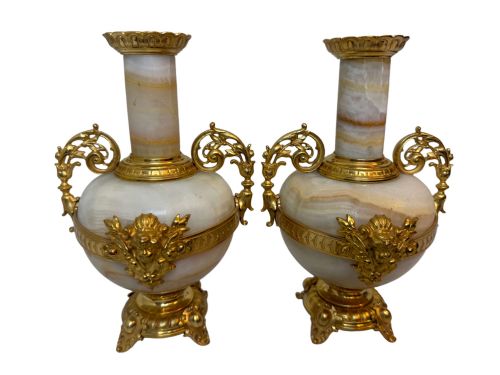
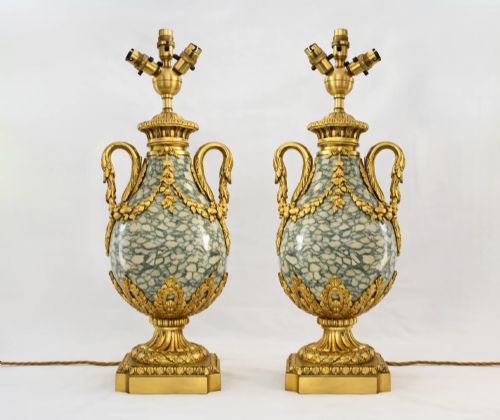
These gilt mounted vases combine ceramic or stone bodies with metal enrichment to create decorative statement pieces for grand interiors.
Gilt Mounted Vases
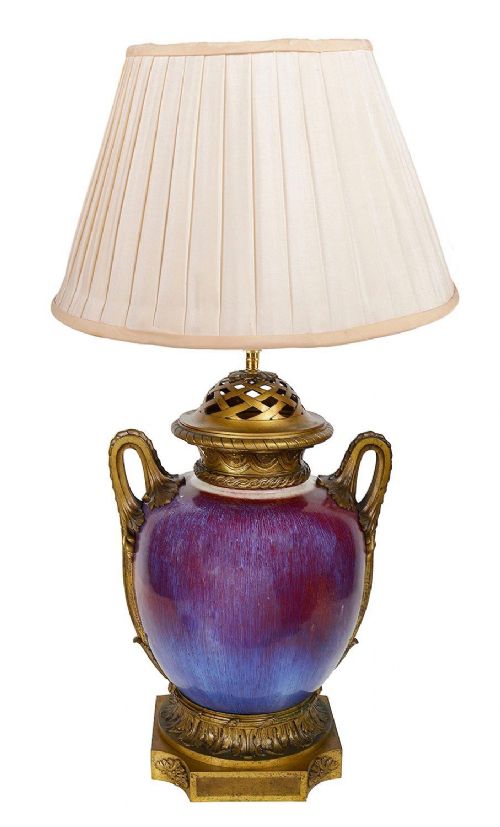
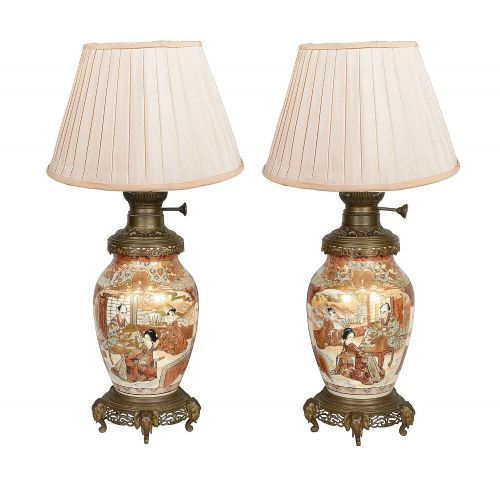
When you search for gilt mounted vases, you encounter decorative vessels transformed by metal mounts in bronze, ormolu, brass, or gilt metal. The selection includes Chinese export porcelains, Japanese wares, and European pieces styled after French models.
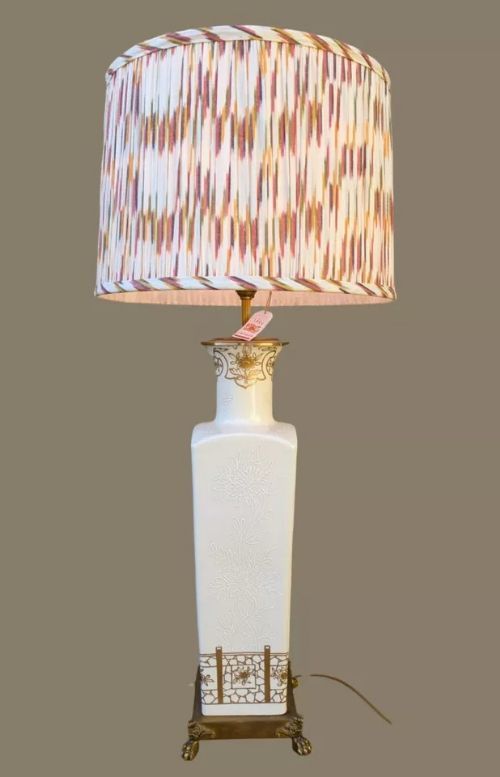
The forms range from lidded vessels and potpourri jars to cassolettes and table lamps. Many examples originate from the nineteenth century, drawing inspiration from earlier eighteenth-century French and Asian aesthetics.
Materials and construction
Makers combined ceramic bodies such as porcelain, earthenware, or cloisonné enamel with stones like marble, onyx, and quartz. These bodies received cast metal mounts secured around the rims, bases, and handles.
Gilding techniques applied gold colour to bronze and brass components, while ceramic decoration utilised hand-painted enamels, monochrome glazes, and pate-sur-pate detailing.
Gilt Mounted Vases Retail Price Guide 2026
Typical asking prices for gilt mounted vases among the pieces listed under this phrase on Sellingantiques today, from the lower quarter to the upper quarter. They describe what is for sale here now, not the wider market.
Several nineteenth-century vases spent decades hiding their true calling beneath twentieth-century lamp fittings before returning to their original sculptural forms.
Standards of execution
The precision of the metal casting dictates the calibre of the mount, where sharper chisel work and deeper chasing distinguish superior examples from softer castings. The harmony between the ceramic body and the metal fitment determines the overall coherence of the piece.
Hand-painted ceramic decoration and the richness of the gilding further separate standard production from exhibition pieces designed for prominent display.
Sevres·Meissen·Minton·Samson
The Gilt Mounted Vases Glossary
- Ormolu
- Gilt bronze created by applying a mercury and gold amalgam to cast bronze, producing a durable metallic lustre. This technique was widely employed in eighteenth and nineteenth-century French furniture and mount production.
- Cassolette
- A dual-purpose vessel functioning as a vase or a burner for perfumes, featuring a reversible lid. These objects frequently incorporate marble bodies with decorative metal mounts.
- Garniture
- A set of three or more matching vases or urns designed to sit together on a mantelpiece or cabinet top. Such sets often follow symmetrical arrangements.
- Pate-sur-pate
- A ceramic decorating method involving layers of liquid clay built up to form low-relief cameo designs against a contrasting background. The technique creates a translucent sculptural effect on porcelain.
- Cloisonne
- Enamelwork created by soldering thin metal wires to a metal base to form compartments filled with coloured paste and fired. This decorative method appears frequently on nineteenth-century Asian vessels.
Gilt Mounted Vases: Frequently Asked Questions
What are gilt mounted vases?
These pieces consist of ceramic, glass, or stone vessels fitted with decorative metal mounts in bronze, ormolu, or brass. They function as ornamental objects or converted table lamps.
The mounts were added to enhance the visual weight and elegance of the vessel, drawing on French Rococo and Neoclassical design traditions.
How were they used historically?
Owners placed these vessels on mantelpieces, side tables, and pedestals within formal reception rooms to display wealth and taste. Some functioned as cassolettes for burning perfumes in domestic interiors.
Many examples later underwent conversion into electrified table lamps during the twentieth century while retaining their historical mounts.
How do I style them at home?
These decorative objects work effectively as symmetrical pairs on sideboards, mantels, or console tables. Their height and colour provide a focal point within a traditional or eclectic room scheme.
When utilised as table lamps, they introduce ambient lighting alongside sculptural presence to a living space or study.
How do I tell periods apart?
Nineteenth-century revival pieces often emulate eighteenth-century French Louis XVI styles or Chinese export aesthetics with considerable technical skill. Examining the quality of the bronze casting and the character of the ceramic body helps determine the period of manufacture.
Markings, wiring remnants, and mount construction methods offer further clues regarding whether an item dates to the nineteenth century or draws on later twentieth-century production.