

Gilt Metal Lighting
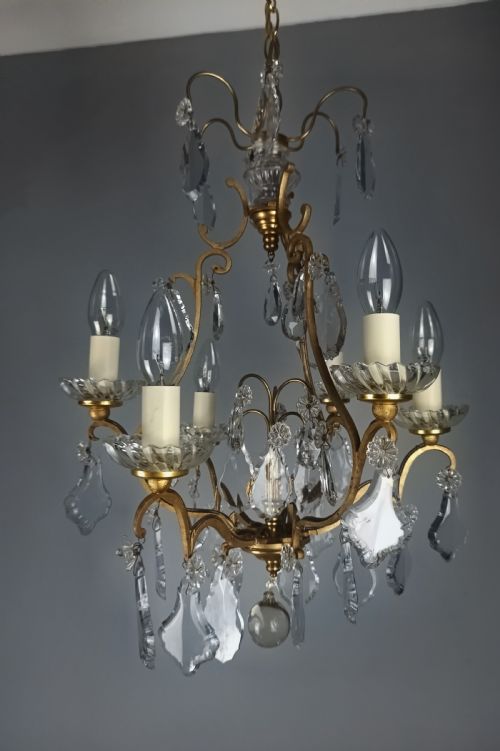
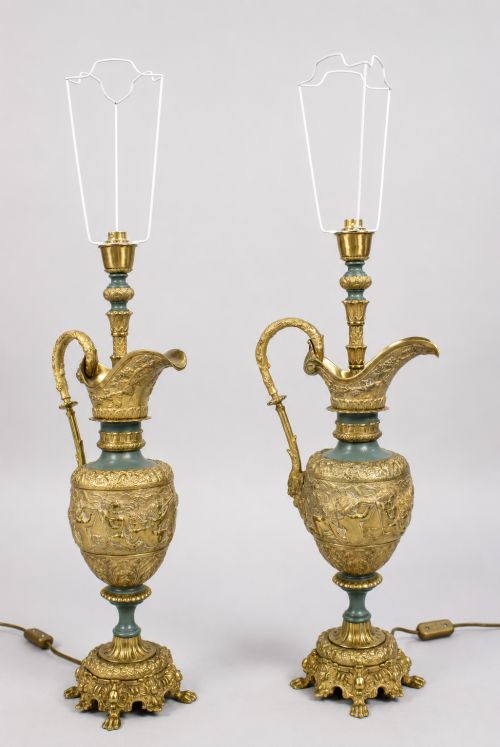
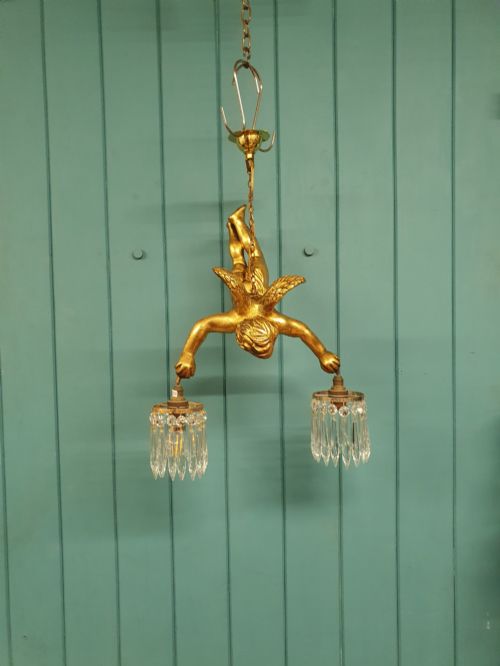
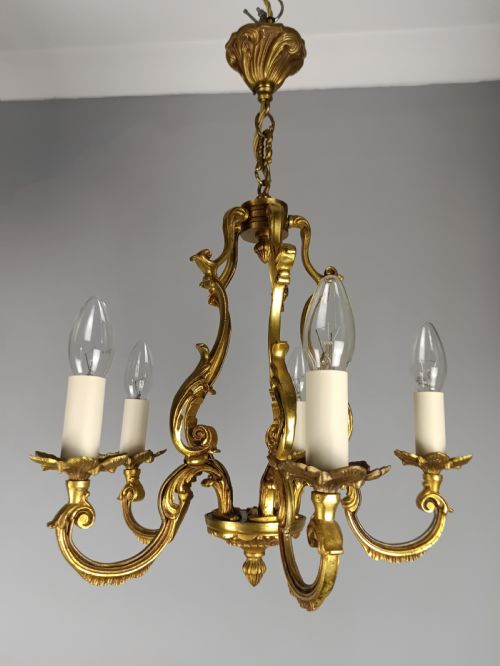
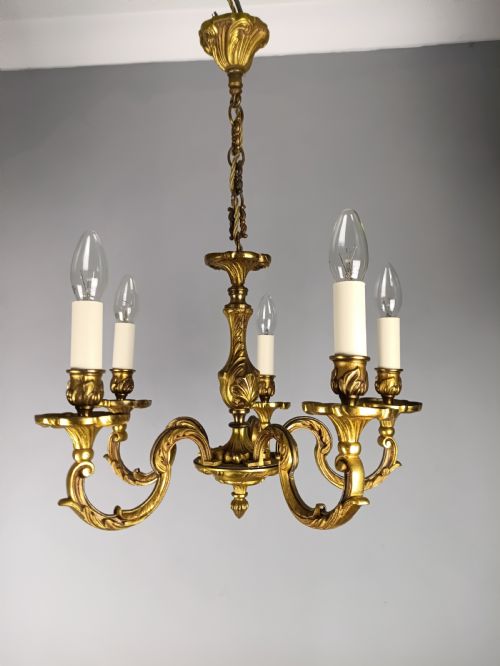
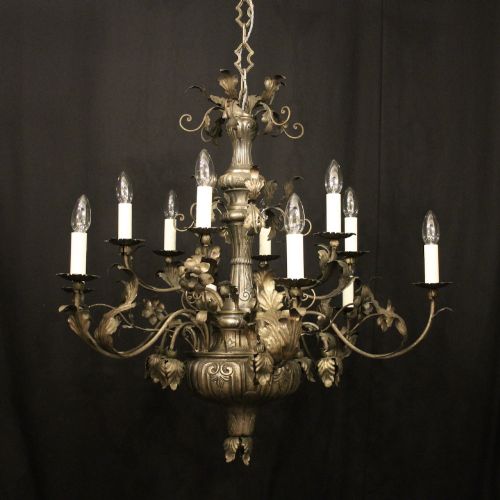
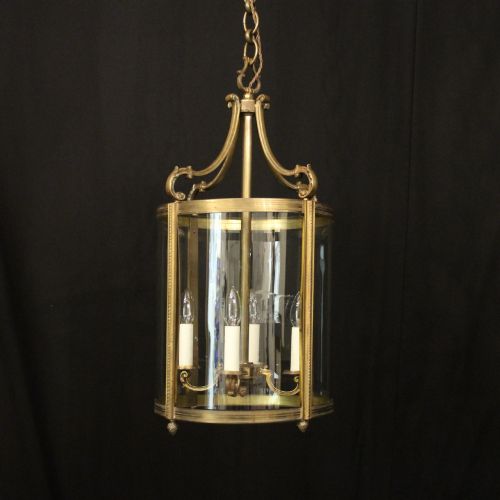
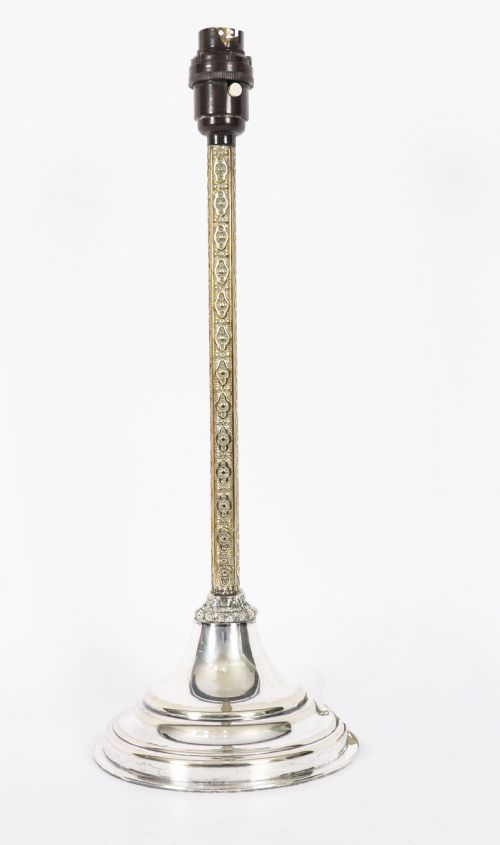
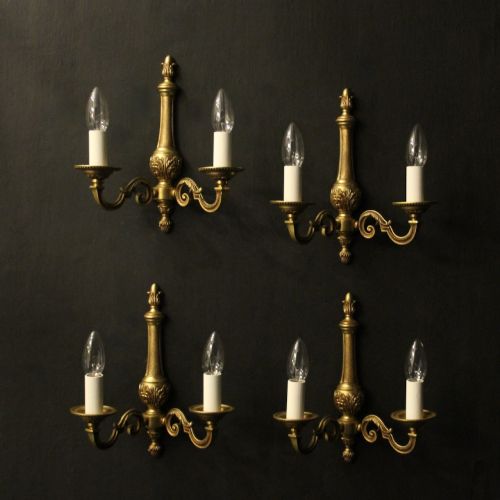
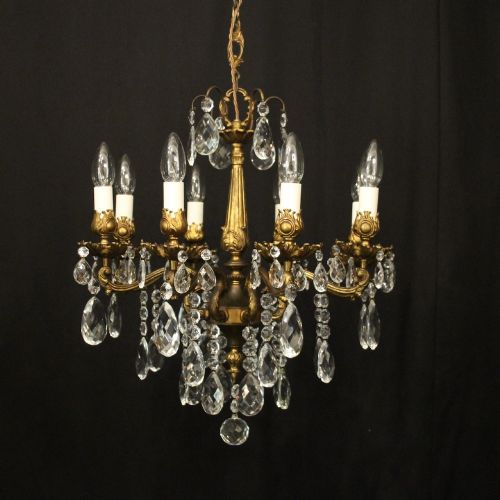
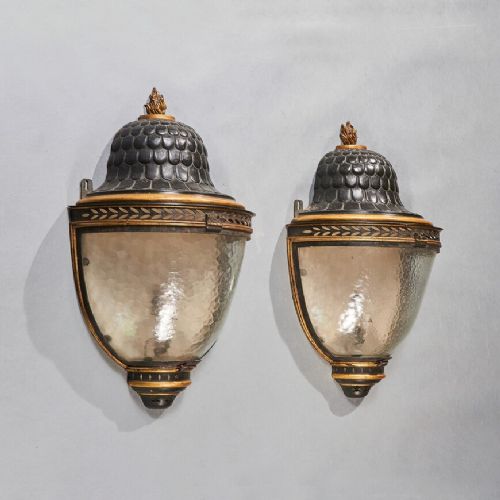
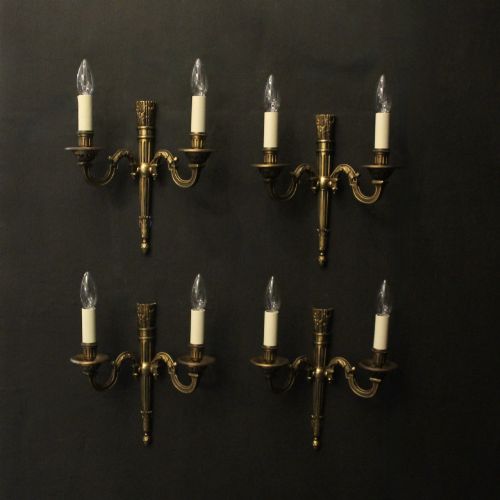
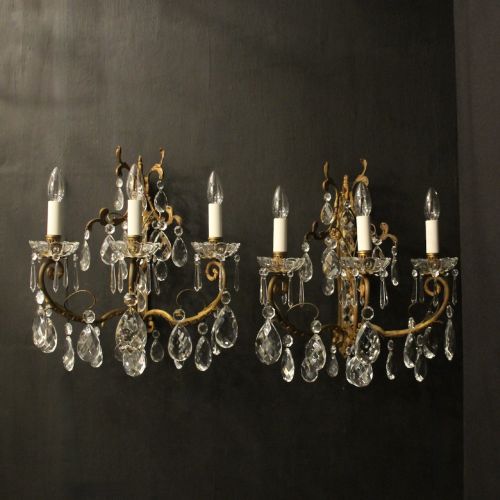
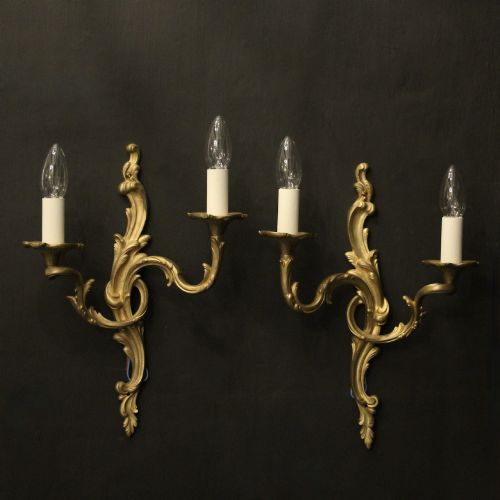
These examples of gilt metal lighting bring warmth and decorative detail to a room through cast metal and gilded finishes.
Gilt Metal Lighting
Gilt metal lighting encompasses chandeliers, wall lights, table lamps, and candelabra designed to illuminate interiors with metallic sheen. Pieces span from the 18th century through the 19th century and into the early decades of the 20th century.
French and Italian origins dominate the selection, often taking the form of multi-arm chandeliers and matched pairs of wall sconces. Designs draw on classical and revival aesthetics, including Regency, Empire, and Rococo styles.
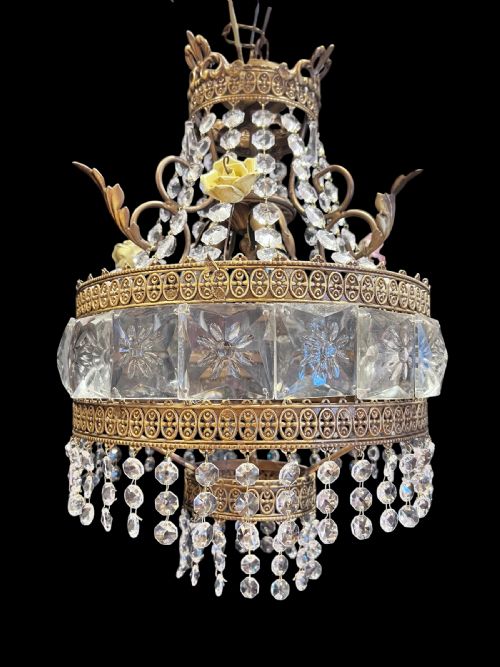
Buyers encounter variations incorporating glass, crystal, porcelain flowers, or toleware elements alongside the metal structure. Many pieces integrate figural motifs such as cherubs, birds, or squirrels within their cast frames.
Materials and construction
Foundations rely on cast metals, including bronze, brass, or ormolu, which receive a layer of gilding or parcel-gilt treatment to achieve a bright surface. Workshops also utilised spelter and tole peinte for structural elements and decorative components.
Chandeliers and wall sconces incorporate cut glass and crystal drops, spikes, or teardrops suspended from the metal arms. Additional details frequently feature applied ceramic flowers, painted tinplate, and mirrored backplates.
Listings feature items spanning the 18th, 19th, and early 20th centuries, dominated by French and Italian origins.
Assessing manufacture
Refinement in the casting of figural motifs and foliage separates standard production from superior work. Crisp detailing in the bronze or brass framework indicates careful hand-chasing after casting.
The integrity of the gilt surface and the quality of the integrated crystal or glass drops influence the overall visual impact. Original matching components across a set of wall lights or a multi-light chandelier preserve historical consistency.
Mappin & Webb·E Rousseau·Maison Baguès
The Gilt Metal Lighting Glossary
- Ormolu
- Gilt bronze produced by applying a mercury and gold amalgam to a bronze object and heating it. This technique creates a durable, rich golden surface typical of fine French decorative items.
- Spelter
- An alloy of zinc and other metals utilised as a cheaper alternative to bronze for cast figures and ornaments. It provides a stable base for metallic finishes on decorative light fittings.
- Tole peinte
- Painted sheet metal used for decorative components such as leaves, flowers, or shades. This material introduces colour and organic shapes into the metallic assembly.
- Candelabra
- A branched candlestick designed to hold multiple candles simultaneously. These pieces often feature sculptural stems and elaborate arms.
Gilt Metal Lighting: Frequently Asked Questions
How do I clean antique gilt metal fittings?
Dust gently with a soft, dry brush to prevent accumulation in the cast crevices and foliage. Avoid chemical polishes that strip away the historical gold finish.
Keep crystal and glass components clean by wiping them with a damp cloth while unmounted from the fixture where possible. Ensure all electrical elements remain completely dry during maintenance.
Were these fixtures originally electrified?
Most examples originating from the 18th and 19th centuries were designed for candles or oil before later conversion to electricity. Wiring is typically added during the 20th century to suit modern domestic requirements.
Conversion methods vary, with some installations preserving the original candle tubes and sockets. Buyers should check the internal wiring of each piece upon acquisition.
How do I identify French revival styles?
French Rococo and Empire styles employ specific decorative vocabulary derived from historical periods. Rococo fittings feature asymmetrical scrolls, floral elements, and organic curves.
Empire designs rely on symmetry, classical urns, and neoclassical motifs. Gilded bronze and ormolu construction frequently accompanies these distinct aesthetic choices.