
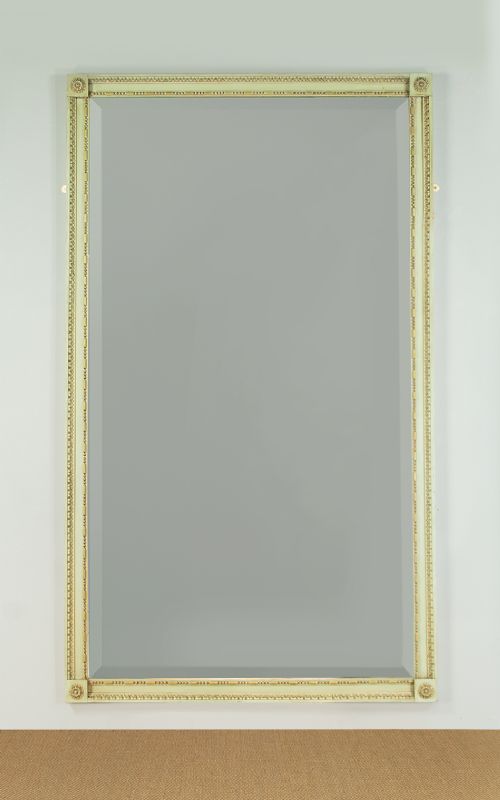
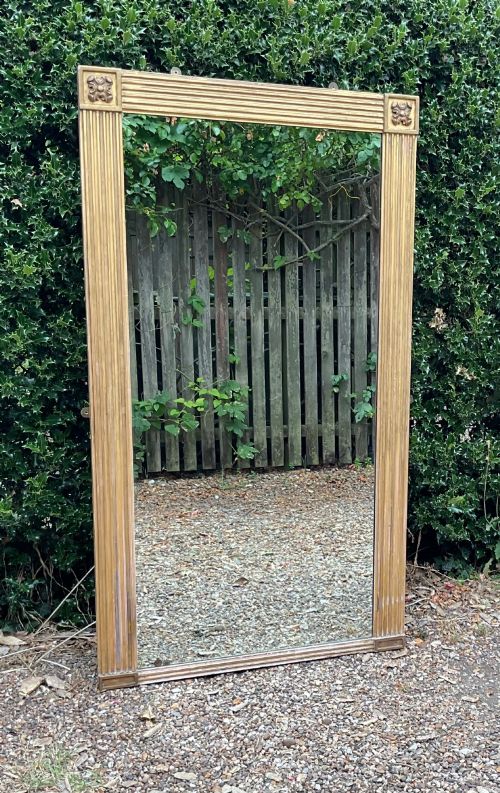
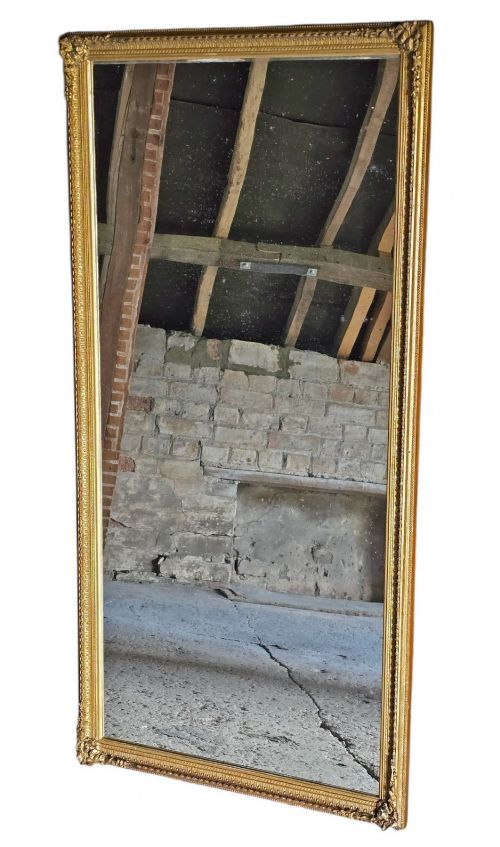
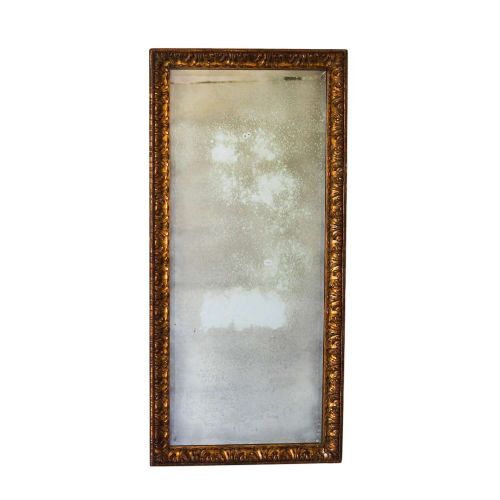
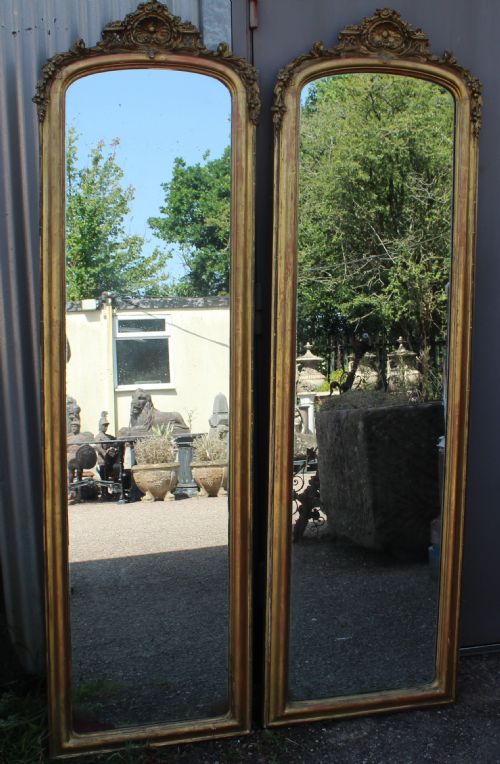
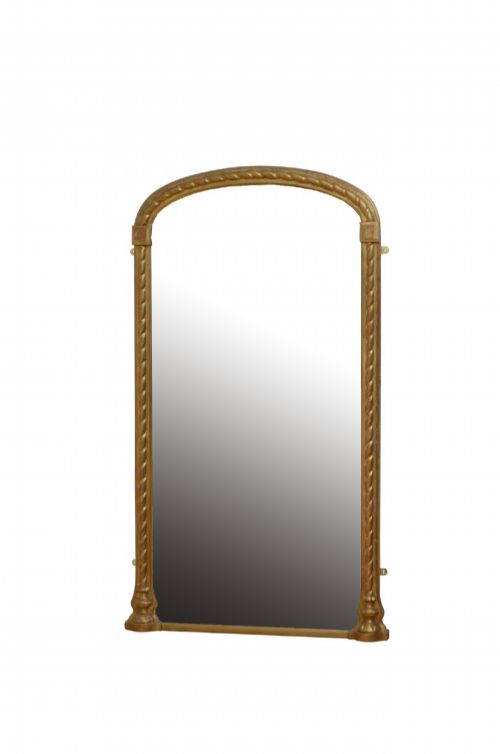
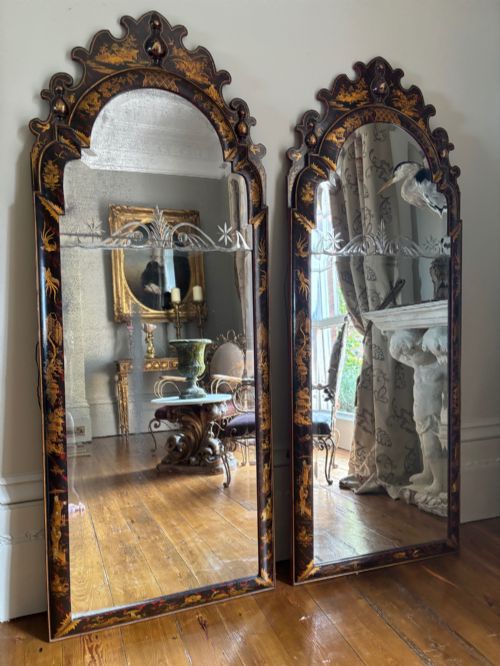
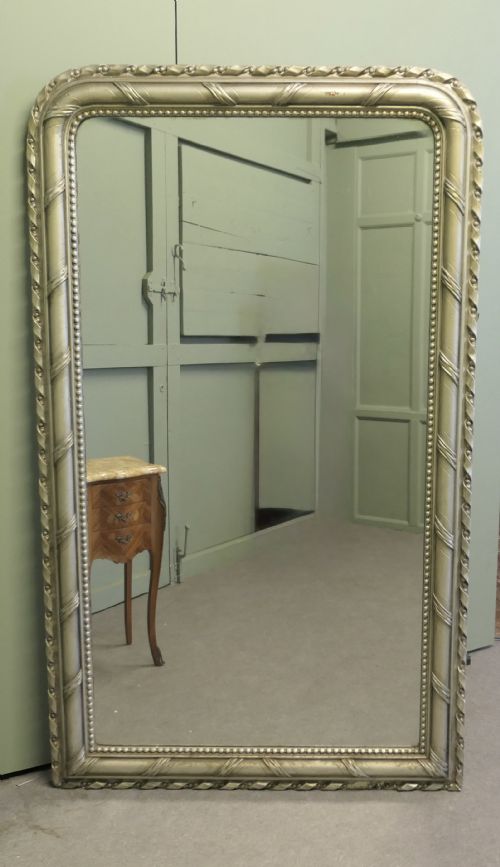


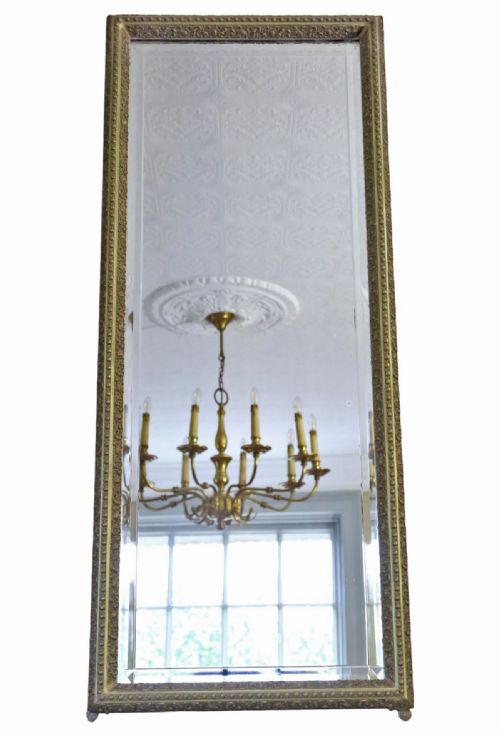
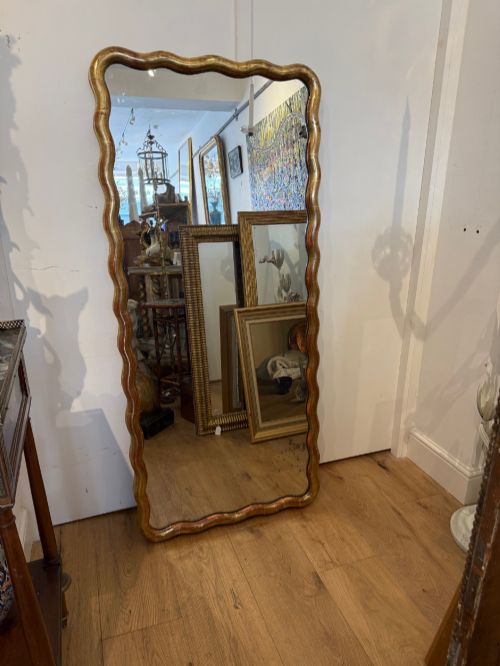
Gilt Full Length Mirror
A gilt full length mirror brings immediate light and scale to a room, offering the tall reflective glass and decorative framing that collectors prize.
What these pieces are
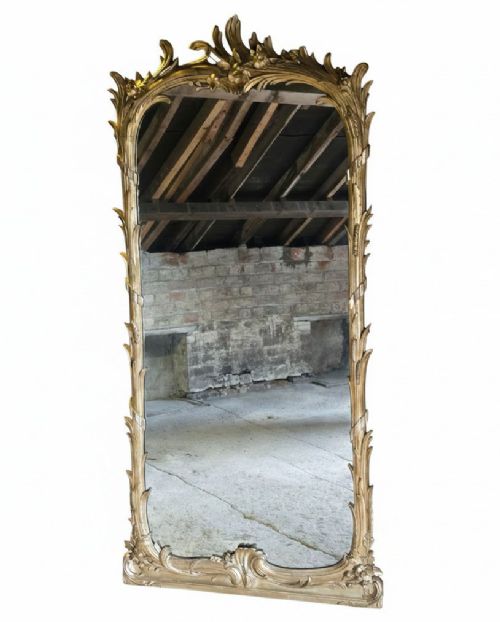
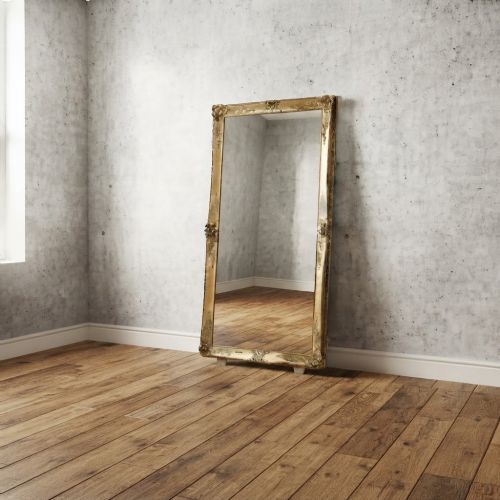
When you search for a gilt full length mirror, you are looking at substantial tall looking glasses designed to reflect the entire figure, serving practical dressing needs alongside grand decorative functions. The selection spans the Victorian, Edwardian, and Regency periods, stretching from the nineteenth century into the early twentieth century.
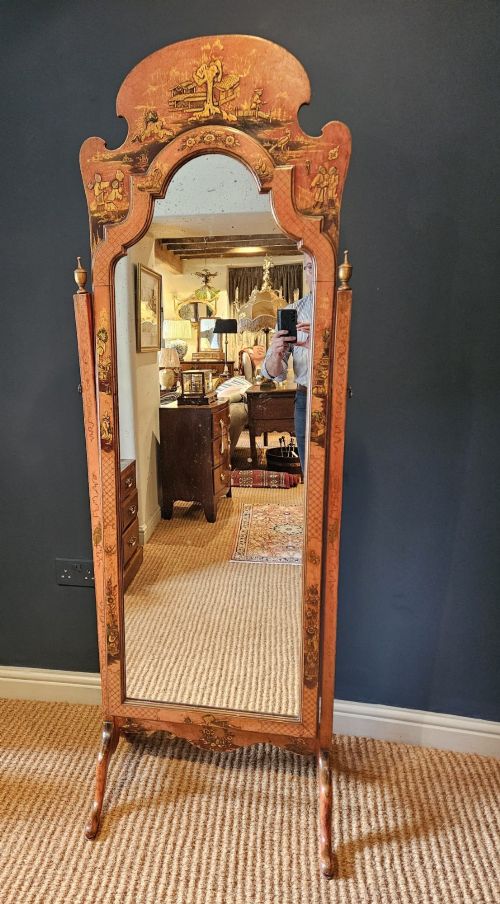
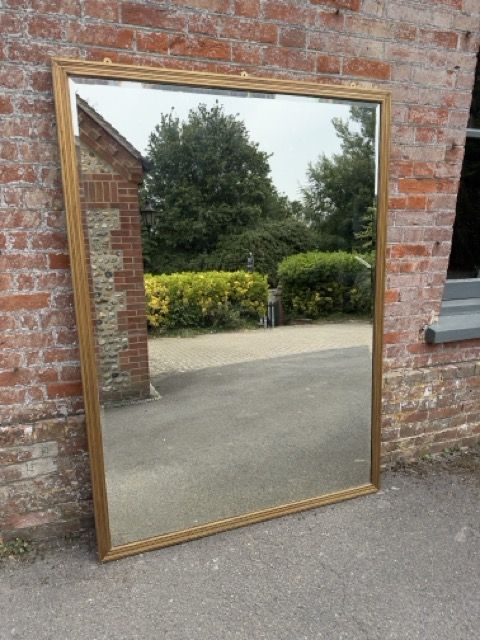
The forms on this page include tall floor, wall, dressing, pier, and hall mirrors. Many display ornate French Rococo Revival or Neoclassical styles, while others present simpler French Chateau lines suited to both traditional and modern interiors.
How they were made
The construction of these pieces relies on traditional timber frames built to support heavy glass. Artisans applied layers of gesso and composition material over the wooden base to build up intricate decorative mouldings and relief details.
Gilding was achieved using gold leaf applied to the prepared surfaces, creating a luminous metallic finish. The reflective plates themselves are period glass, fitted securely within the substantial frames.
Retail Price Guide 2026
Typical UK retail prices for gilt full length mirror, calculated from the Sellingantiques database of over a million retail prices indexed since 2003. This retail price guide relies exclusively on Sellingantiques data; no external sources or auction records are used, so the figures do not describe the wider market.
Pairs occasionally surface, proving that even grand mirrors sometimes enjoyed company.
What varies in quality
The distinction between standard examples and the finest pieces lies in the depth and crispness of the moulded ornamentation. Superior items exhibit hand-finished gesso and composition work where the botanical or scroll motifs remain sharp and well-defined.
Proportion also defines the hierarchy, with narrower pier formats or particularly tall floor-standing dressing mirrors commanding attention for their balanced scale. The integrity of the original gold leaf surface and the clarity of the period glass further elevate a piece.
The Gilt Full Length Mirror Glossary
- Giltwood
- Timber that has been covered with gold leaf or a gold-coloured finish. This material forms the primary structure of many classical mirror frames.
- Gesso
- A plaster-like mixture applied to wood frames to create a smooth surface for carving or moulding details. It is essential for holding crisp decorative relief work.
- Composition
- A moulded material made from whiting, resin, glue, and linseed oil, pressed into decorative patterns for frames. It allowed makers to produce ornate flourishes efficiently.
- Pier Mirror
- A tall, narrow mirror traditionally hung on the pier, the solid wall section between two windows. These pieces maximise light reflection in domestic spaces.
Frequently Asked Questions
How do I hang a heavy gilt mirror?
These substantial frames require secure fixings into structural wall studs or masonry using heavy-duty brackets. Professional installation is strongly recommended due to the combined weight of timber, gesso, and thick glass.
Ensure the hanging wire or integrated mirror plates are rated to bear the full load safely before releasing the piece.
Where should I place a full length mirror?
Positioning depends on the room's function and light sources. Placing the glass opposite a window maximises natural daylight and opens up darker corners of a hallway or bedroom.
They also work effectively in dressing areas where total figure reflection is required alongside decorative presence.
How do I date an antique mirror?
Dating relies on examining the frame style, construction techniques, and the backboards. Victorian and Edwardian examples show distinct aesthetic traits, from heavy classical revival motifs to lighter Edwardian elegance.
The manufacturing method of the glass plate and backing materials also provides clear chronological indicators.
How do I clean a gilt frame?
Maintenance requires gentle dusting with a soft, dry brush to protect the delicate gold leaf and gesso surfaces. Moisture and chemical cleaning solutions must be avoided entirely to prevent lifting or stripping the metallic finish.
Glass cleaner should be applied sparingly directly to a cloth rather than the glass to protect the surrounding frame.