
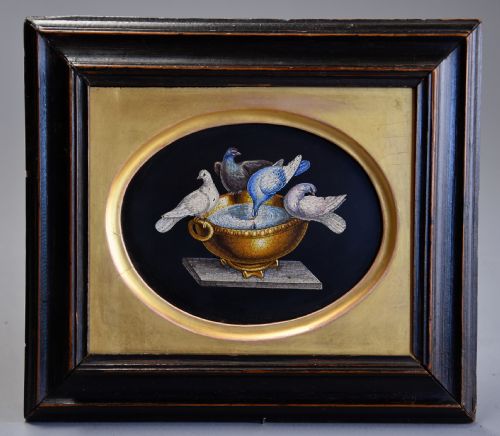


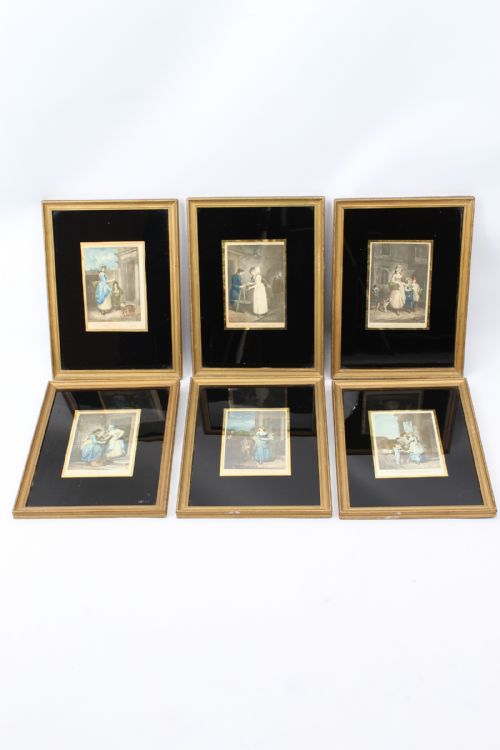


Gilt Framed Glass Picture
These gilt framed glass picture examples bring rich decorative shine and historic portraiture to a room.
Gilt Framed Glass Picture
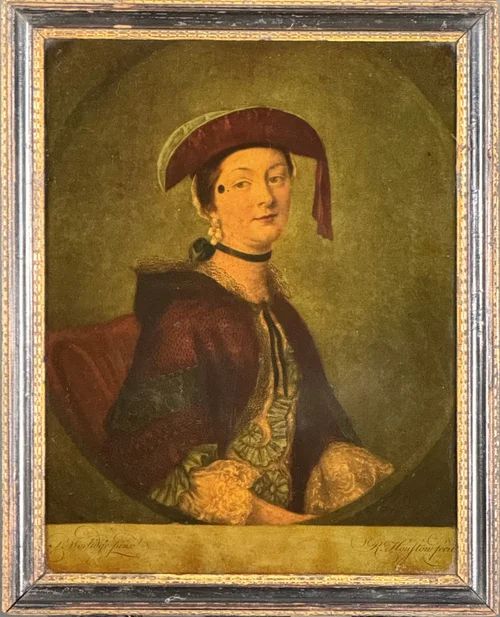
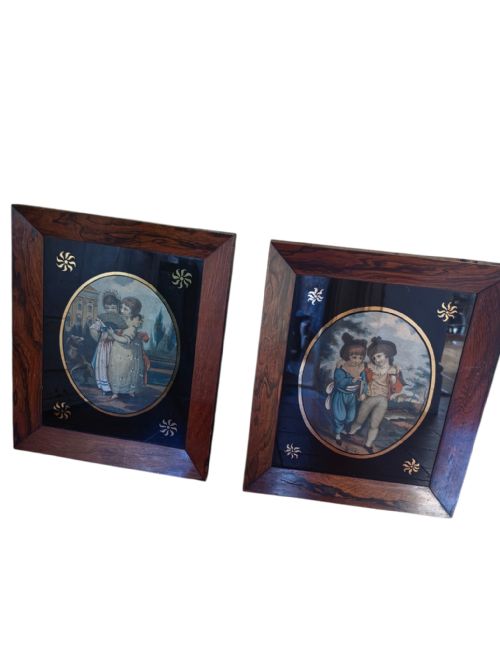
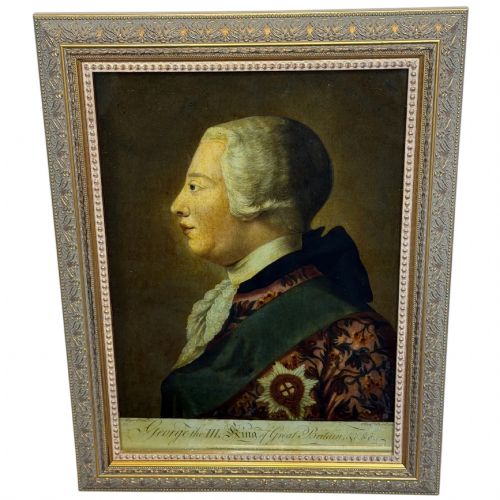
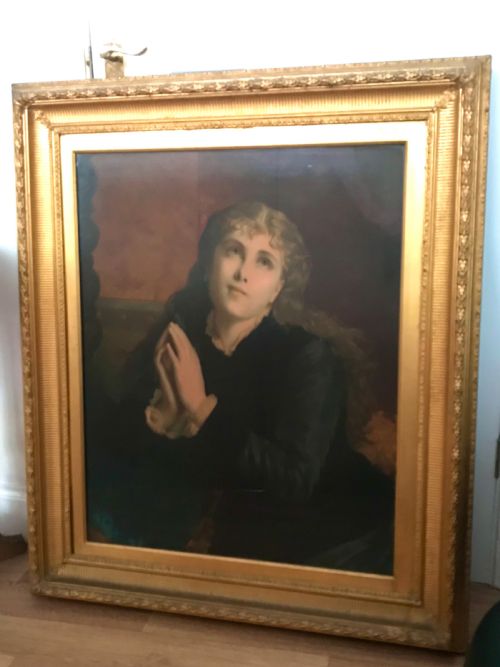
A gilt framed glass picture comprises wall art protected behind a glass panel, set within a decorative metallic or gilded wooden border. These pieces combine historic printmaking techniques or needlework with ornate framing to create striking interior decoration.
The selection here encompasses several distinct periods, most notably the eighteenth and nineteenth centuries, alongside Georgian and Victorian eras. Buyers frequently encounter reverse glass mezzotints, crystoleoms, and silkwork pictures housed in period giltwood or gesso surrounds.
How they were made
Makers utilised wood, gesso, and gold leaf to build ornate frames, often carving intricate floral and scroll patterns directly into the substrate before applying the metallic leaf. Glass covers protected delicate interior media such as paper prints, silk embroidery, and hand-painted surfaces from dust and environmental damage.
Techniques varied from reverse glass painting and mezzotint engraving to the intricate layering methods used in crystoleoms, where albumen prints were applied to glass, made translucent, and hand-tinted from behind.
Listings feature eighteenth-century Georgian reverse glass mezzotints alongside Victorian crystoleoms and nineteenth-century silkwork pictures.
What varies in quality
The fineness of the original hand-colouring and the clarity of the underlying mezzotint or engraving determine the visual depth of the artwork. Superior examples maintain crisp lines and rich tonal contrast beneath the protective glass layer.
The craftsmanship of the enclosing frame separates ordinary items from exceptional ones. Deeply carved giltwood and gesso enrichment, retaining original gilding without excessive modern intervention, elevates the overall artistic success of the piece.
Charles Spooner·Richard Purcell·Schweninger
The Gilt Framed Glass Picture Glossary
- Crystoleum
- A specialised Victorian method of applying a colourless photograph or print to glass, rendering it transparent, and then hand-painting the reverse to create a luminous coloured image. This technique achieved remarkable depth before the widespread availability of colour photography.
- Mezzotint
- A printmaking process of the intaglio family where the copper plate is roughened to produce rich dark tones and subtle gradations of light. When applied under glass, these prints often received hand-colouring or reverse painting.
- Giltwood
- Wood that has been coated with a thin layer of gold leaf or metallic powder over a preparation ground. It provides the characteristic brilliant reflective surface seen on historic frames.
- Gesso
- A traditional paint mixture consisting of a binder mixed with chalk, gypsum, or pigment, applied to wooden frames to create a smooth surface for gilding and relief carving. This material allows for crisp, intricate decorative mouldings.
- Reverse glass painting
- An artistic technique where the image is painted directly onto the back side of a glass sheet and viewed through the front. This method protects the pigment and imparts a permanent glossy sheen.
Gilt Framed Glass Picture: Frequently Asked Questions
What is a crystoleum picture?
A crystoleum is a hand-tinted image created by placing a photograph or print onto glass, thinning the paper, and applying oil paints to the reverse side.
This painstaking process creates a rich, three-dimensional appearance that distinguished Victorian parlour decorations.
How do I care for antique glass art?
Keep these pieces away from direct sunlight to prevent the fading of delicate interior papers, silks, and hand-applied watercolours.
Clean the exterior glass gently with a dry microfiber cloth, avoiding liquid sprays that might seep beneath the rebate and damage the historic artwork.
Are reverse glass prints old?
Reverse glass printing and mezzotints gained significant popularity during the eighteenth and nineteenth centuries as fashionable interior ornaments.
Georgian and Victorian examples frequently depict portraits, allegorical scenes, or seasonal themes housed in original frames.
How do I identify a gesso frame?
Gesso frames feature moulded plaster-like ornamentation built up over a wooden core to achieve high-relief floral and scroll details.
Under magnification, genuine period examples show fine crazing and the warm patina of aged gold leaf over the underlying white gesso ground.