




Gilt Framed Coastal Art
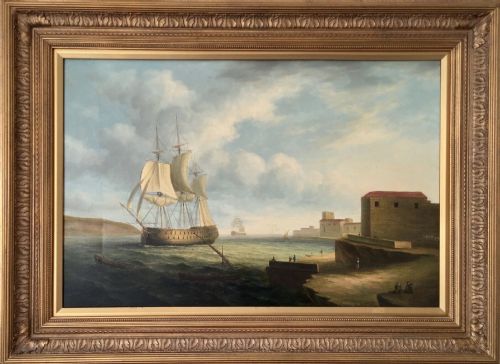
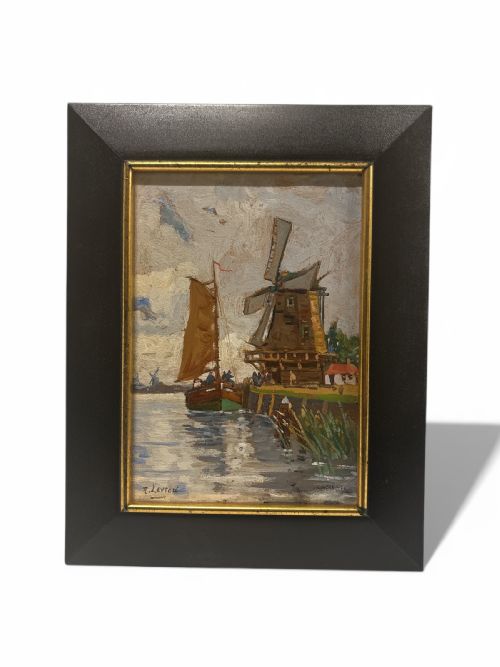
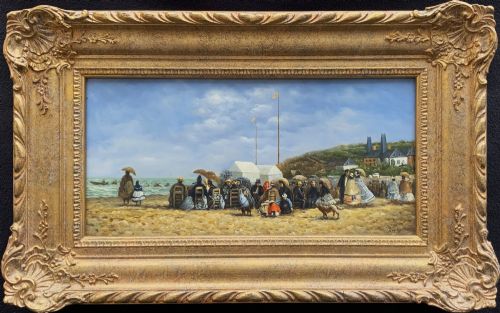
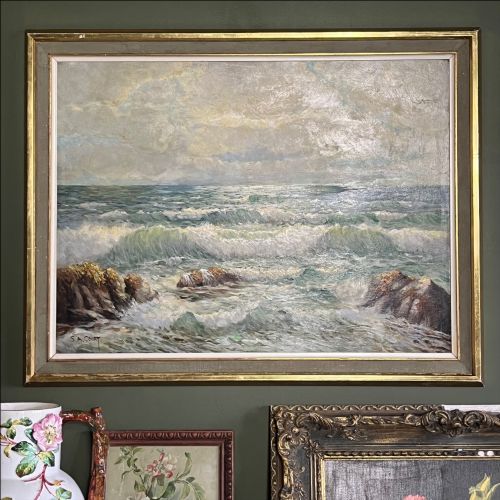
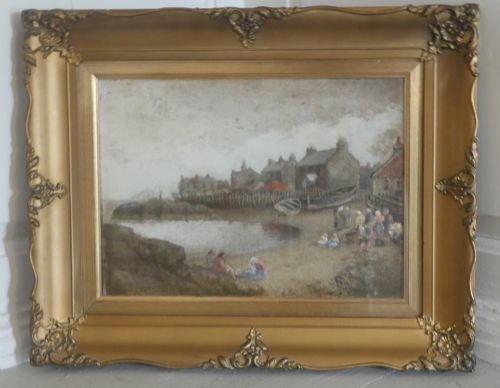
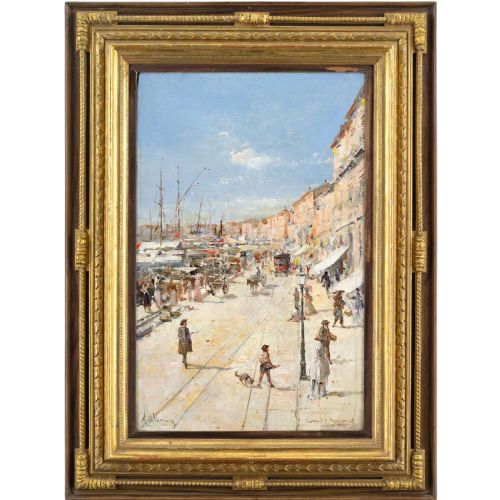
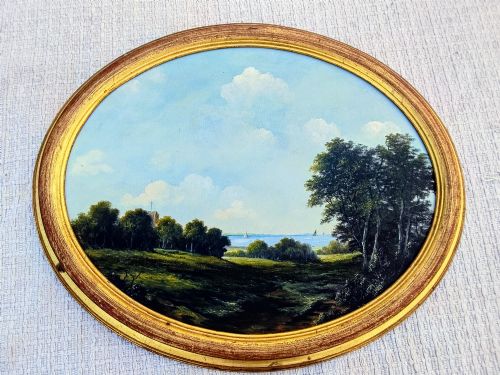
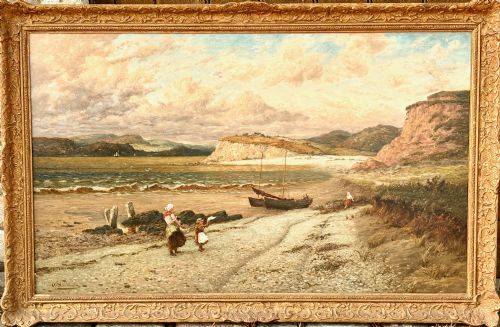
Gilt framed coastal art captures maritime scenes, bustling harbours and open seas held within ornamented wooden surrounds.
Gilt Framed Coastal Art
Gilt framed coastal art encompasses oil paintings, watercolours and wall art depicting marine views, fishing ports and shorelines. These pieces frequently date from the nineteenth century through to the mid-twentieth century, capturing historical vessels and coastal topography across Britain and Europe.
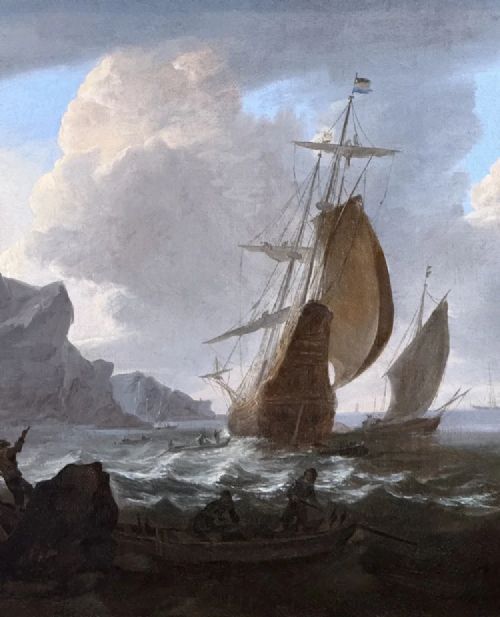
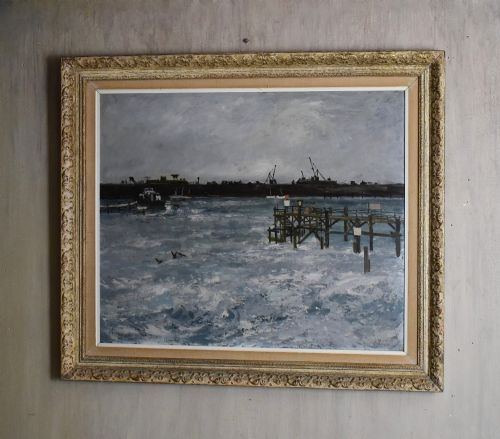
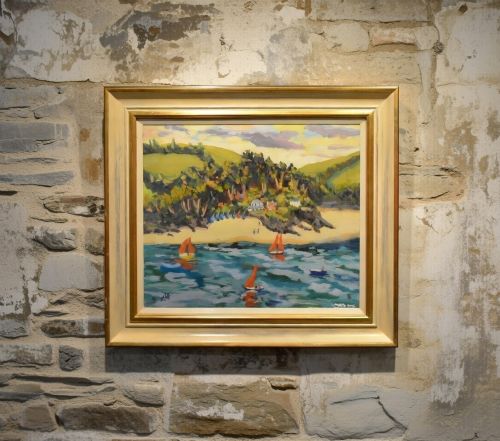
The selections span traditional Victorian marine scenes, impressionist interpretations of harbours and post-francophone interpretations of seaside gatherings. Works vary from intimate watercolours of Cornish coves to expansive oil paintings on canvas depicting warships and sailing boats in gales.
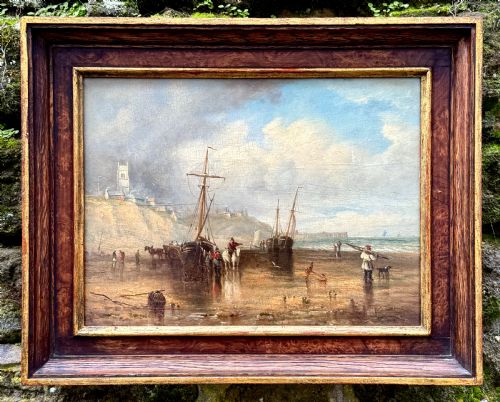
Buyers encounter subjects ranging from quiet coastal paths with smugglers to bustling docks like St Ives and Dublin Bay. The common thread across these works is the marriage of maritime subject matter with period gilt wooden framing.
Materials and technique
Artists working in these styles primarily utilised oil paint or watercolour applied to canvas, wood panels, board or heavy paper. Canvases and panels were often painted en plein air or finished in studios, capturing natural light on coastal waters and cliffs.
Frames are constructed from wood finished with gesso and gilt, providing a reflective metallic border that complements the marine palette of blues, greys and earthy tones. The application of gold leaf or gilt paint accentuates the decorative nature of the surrounding moulding.
Several artists clearly braved harsh gales and salty spray to capture ships in distress without ruining their palettes.
Distinguishing quality
Quality in these works rests upon the artist's command of light, atmosphere and maritime architecture, particularly in the rendering of rigging, waves and coastal weather. Hand-carved or deeply moulded gilt frames that period-match the artwork indicate higher original investment than simpler modern replacements.
Pieces signed by documented painters or executed with confident brushwork carry greater artistic weight than anonymous decorative works. The harmony between the painting's preservation and the integrity of its original gilt frame ultimately dictates the standing of the piece.
William Banks Fortescue·Bernard Benedict Hemy·Thomas Creswick·Abraham Cooper·John Moore of Ipswich·William Henry Williamson·Abraham Hulk I·George Stanfield Walters
The Gilt Framed Coastal Art Glossary
- Gilt
- Covered with gold leaf or a gilt pigment. This finish adds brightness and historical character to the wooden moulding surrounding the artwork.
- En plein air
- Painted out of doors to capture immediate natural light and weather conditions. Artists utilised this method to record accurate coastal atmospheres.
- Seascape
- A work of art depicting the sea, coastal views or maritime activity. These subjects formed a major focus for nineteenth-century and early twentieth-century painters.
- Watercolour
- A painting method where fine pigment is suspended in a water-soluble binder on paper. It offers transparent washes ideal for capturing shifting coastal skies and sea spray.
- Panel
- A flat piece of wood used as a rigid support for oil painting. Panels were frequently utilised by artists before canvas became universally dominant.
Gilt Framed Coastal Art: Frequently Asked Questions
How do I date these paintings?
Dates are typically assessed through stylistic evidence, artist signatures, the type of canvas or panel used, and framing construction techniques. Nineteenth-century works often feature distinct framing profiles and canvas stamps compared to mid-century examples.
Examining historical records and artist biographical dates provides a reliable timeframe for unlabelled works found within period gilt surrounds.
Where should I hang coastal art?
These works suit dining rooms, studies or living spaces where natural light enhances the reflective quality of the gilt frames. They pair well with traditional interiors as well as modern neutral walls that allow the maritime colours to stand out.
Position paintings away from direct sunlight and damp environments to protect both the canvas and the delicate gesso on the frame.
What subjects are most common?
Common subjects include sailing vessels, fishing boats returning to harbour, dramatic gale-swept seas and quiet coastal paths. Many pieces record specific British and European locations, from Cornish harbours to Mediterranean ports.
Artists also documented daily maritime life, including oyster pickers, figures on cliffs, and historic merchant ships at sea.
Are watercolours as durable as oils?
Watercolours on paper require protection behind glass to prevent moisture damage and fading from ultraviolet light. Oil paintings on canvas or board are generally more robust but still benefit from stable indoor environments.
Both mediums have survived over a century when properly framed and kept away from extreme temperature fluctuations.