

Gilt Frame Watercolour Art
Gilt frame watercolour art brings together delicate pigment on paper and opulent carved wood surrounds, spanning the Regency era to the mid-twentieth century.
Gilt Frame Watercolour Art
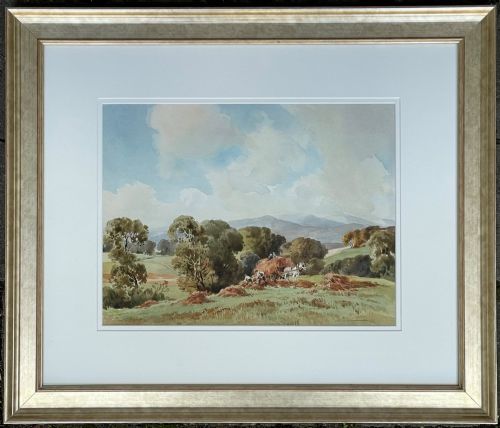
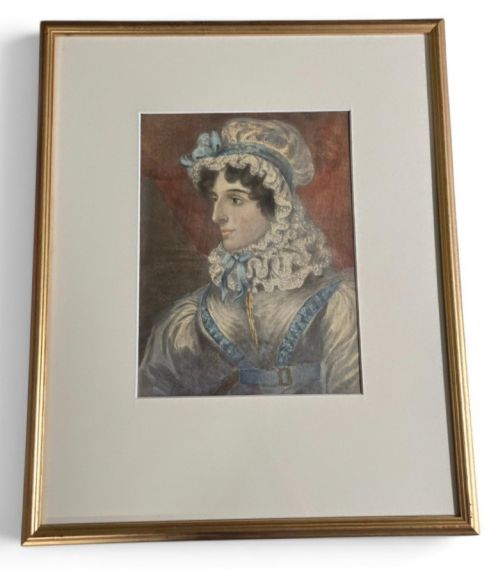
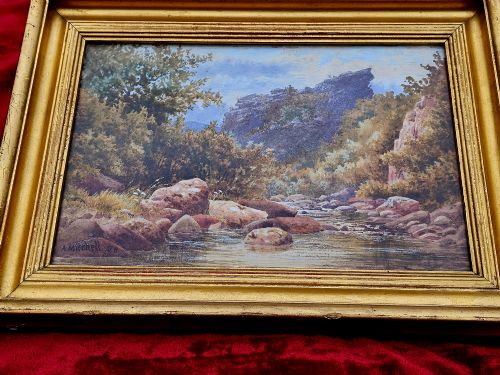
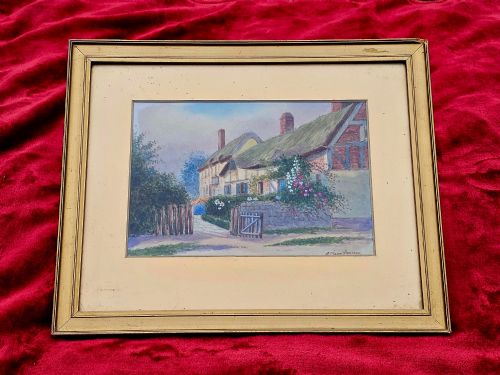
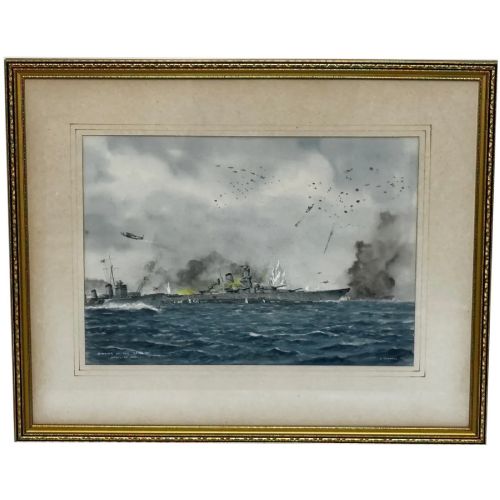
Gilt frame watercolour art encompasses framed paintings on paper executed in water-soluble pigments, housed within gold leaf or gilded wooden surrounds. Buyers encounter a diverse array of subjects ranging from traditional British landscapes and maritime scenes to portrait miniatures and naive studies.
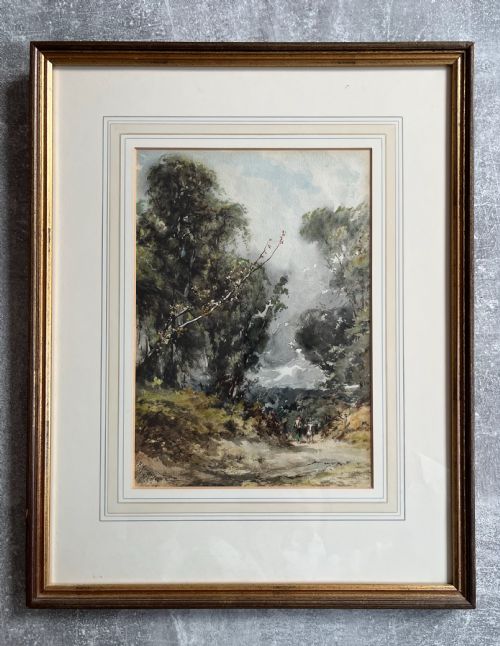
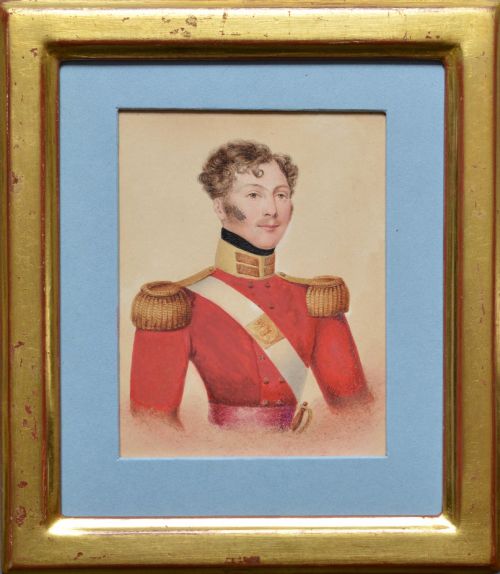
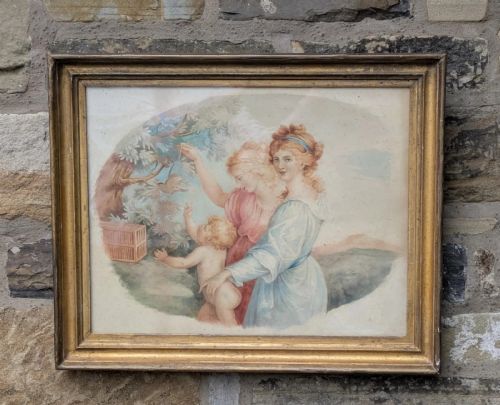
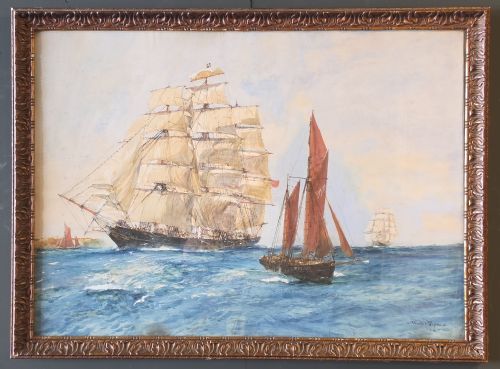
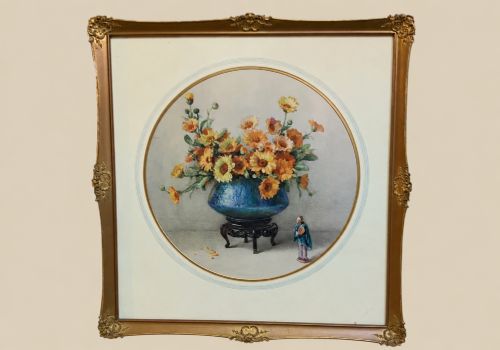
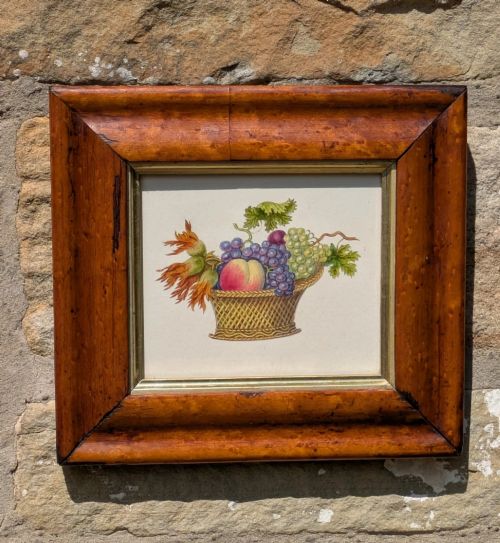
The works span multiple eras, with nineteenth-century pieces alongside Edwardian, Regency, and mid-century examples. Common formats include coastal views, botanical studies, military portraits, and classical figure compositions.
Most selections originate from British and European hands, reflecting regional schools and academy painters. The grouping includes both intimate portraiture and expansive landscape views, each retaining its original period enclosure.
How they were made
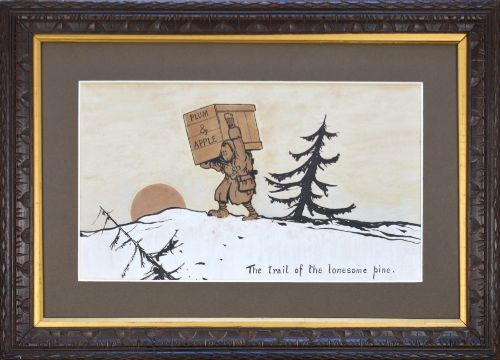
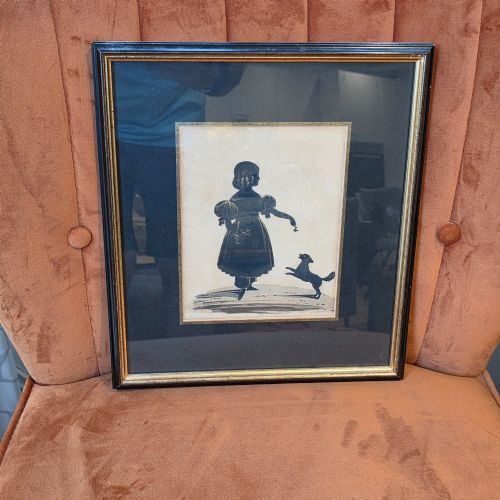
Makers applied watercolour and wash directly onto paper surfaces, sometimes combining cut paper elements for silhouette work. Pigments varied from earthy tones in landscape views to vibrant hues in botanical and avian subjects.
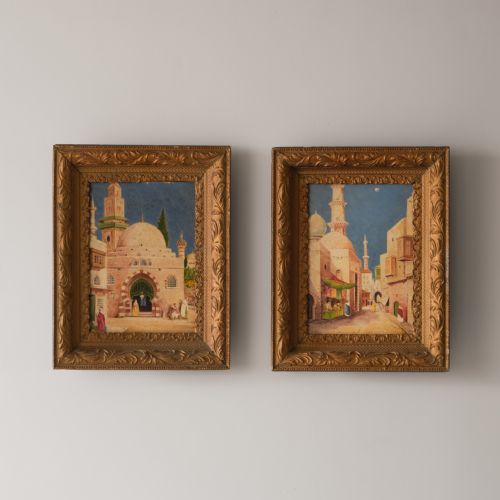
Surrounds utilise wood substrates coated in gold leaf or giltwood finishes to complement the paintings within. Glazing protects the delicate paper works from atmospheric dust and moisture.
Listings feature paper and glass materials housed in gold leaf and gilt wood frames across eight distinct periods.
What varies in quality
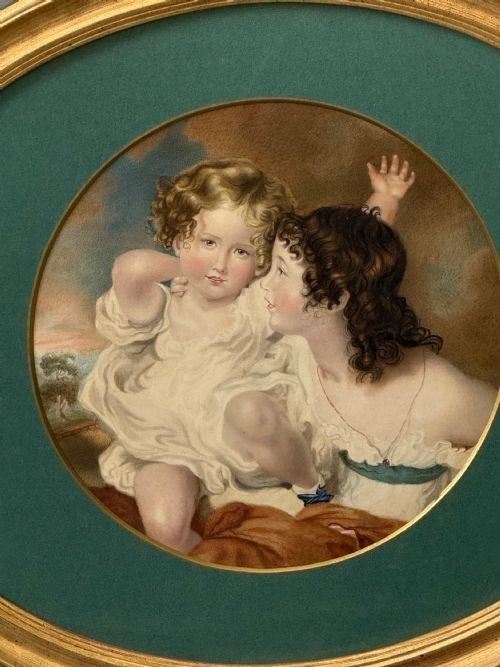
The nuance of brushwork and pigment control dictates the visual strength of each painted surface. Finer examples display precise draftsmanship and confident washes, particularly in portrait miniatures and detailed landscape views.
The craftsmanship of the mounting housing influences the overall integrity of the piece. Hand-carved and gilded wooden surrounds demonstrate superior joinery and depth compared to simpler mouldings.
Bruce Bairnsfather·William James Hubard·George Fotherly Hargitt·Percy Lancaster·Edward Bradford·A. Mitchell·A. Marie Parsons·Charles Edward Dixon·Eric Tufnell·William Banks Fortescue·R. Hurst·Robert Thorne Waite·Th. Thibault·Joseph H Barnes·Ernest Arthur Rowe·Frederick Walker·George Oyston·Frederick James Kerr·Hendrik Valkenberg·George Rankin·Henry Barlow Carter
The Gilt Frame Watercolour Art Glossary
- Giltwood
- Wood carved and coated with gold leaf or metallic paint to create a reflective, decorative surface. This material forms the protective border surrounding many traditional paper paintings.
- Watercolour
- A painting method where the pigments are suspended in a water-based solution, typically applied to paper. Artists utilise this medium for its translucent qualities and fluid application.
- Portrait Miniature
- A small-scale painted likeness, often created during the eighteenth and nineteenth centuries. These intimate works frequently capture individual sitters with fine detail.
- Wash
- A thin, semi-transparent layer of diluted watercolour paint spread evenly across paper to create atmospheric backgrounds or sky effects. This technique establishes depth before finer details are applied.
Gilt Frame Watercolour Art: Frequently Asked Questions
How do I date a watercolour?
Dating relies on stylistic clues, costume details, and framing conventions typical of specific periods like the Regency or Edwardian era.
Signatures, artist registry records, and dated inscriptions on the reverse of the paper also provide concrete chronological markers.
Are these frames original?
Many pieces retain their original period gilded surrounds, showing matching patination and appropriate construction methods for their era.
Changes in framing styles over the decades mean some works have been paired with period-appropriate replacements later in their history.
How should I hang these?
Display works away from direct sunlight to prevent the watercolour pigments and paper from fading over time.
Maintain stable indoor humidity levels to protect both the fragile paper medium and the gilded wooden frames.
What subjects are common?
Landscape scenes, coastal harbours, botanical studies, and military portraits appear frequently across nineteenth and twentieth-century examples.
Artists also recorded classical figurative scenes, still life compositions, and naive depictions of distant locations.