
Mid Century Figurative Painting
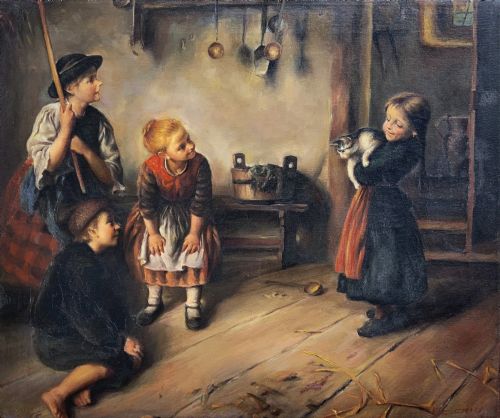
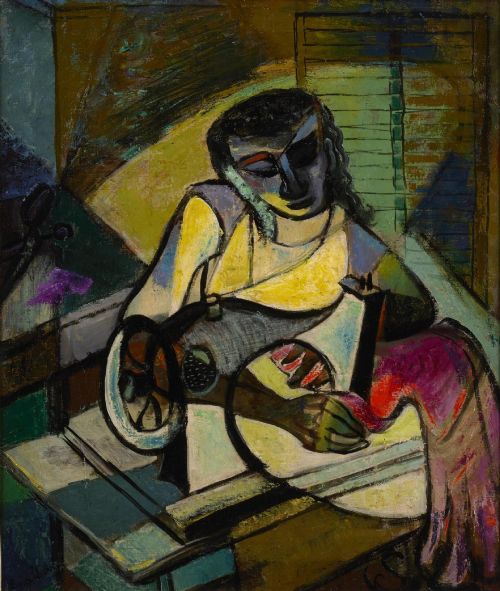
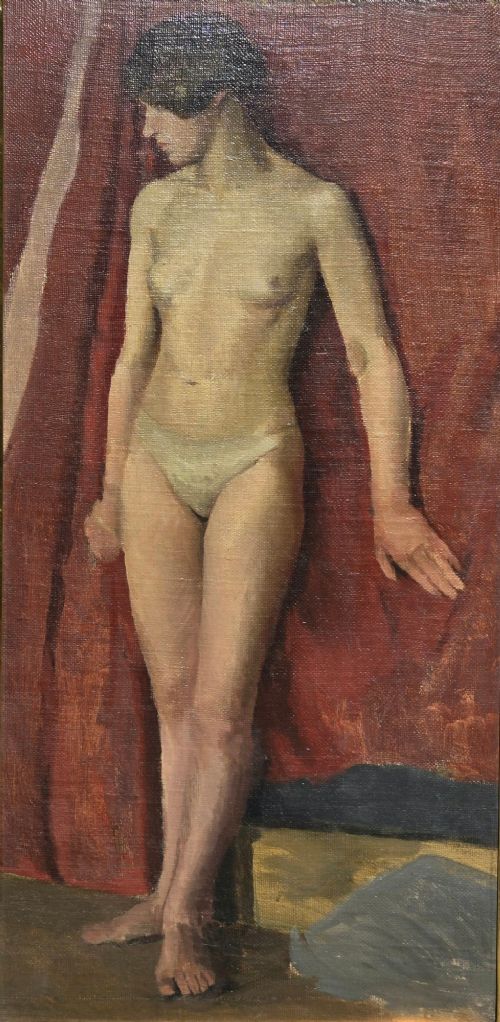
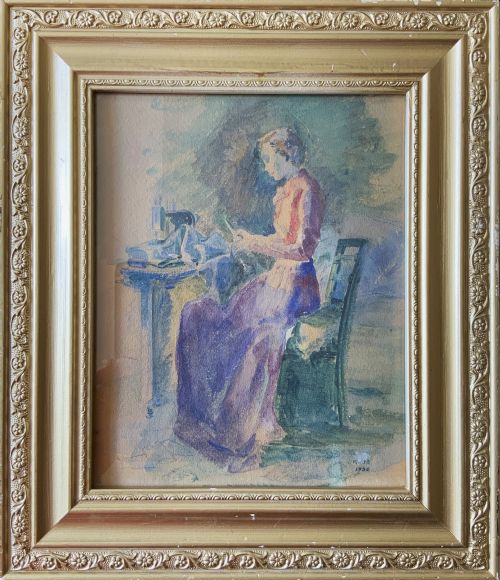
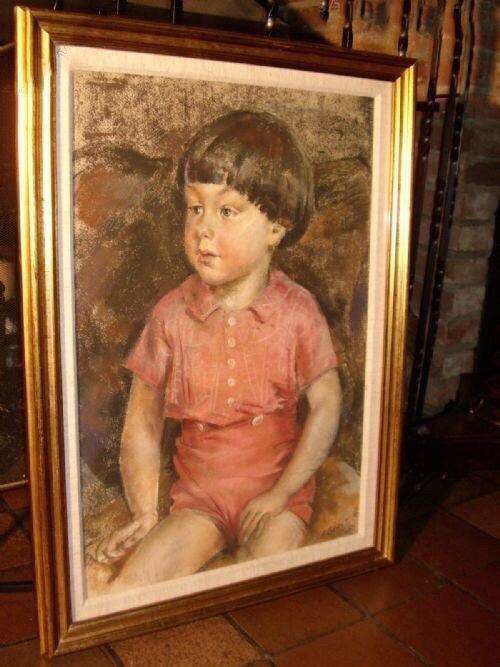
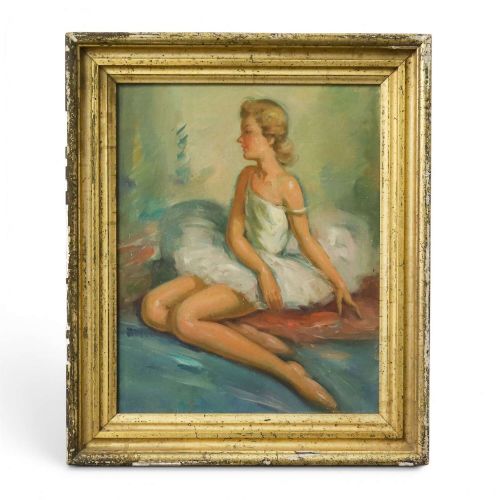
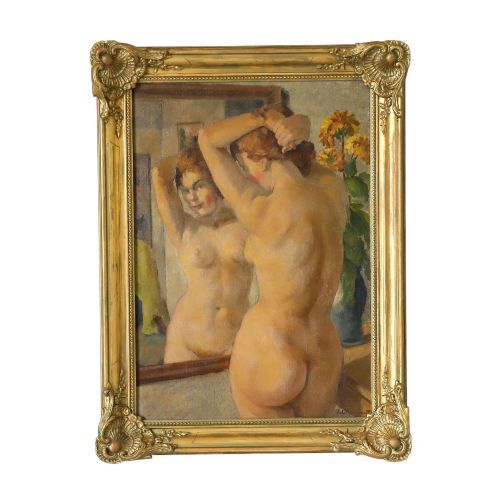
Mid century figurative painting captures the human form and daily life through oil, board, and canvas.
Mid Century Figurative Painting
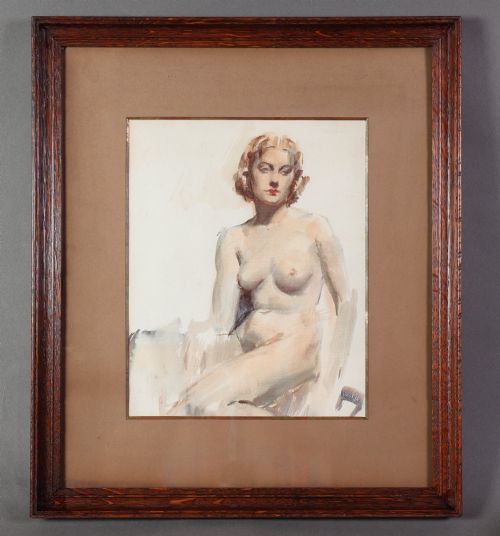
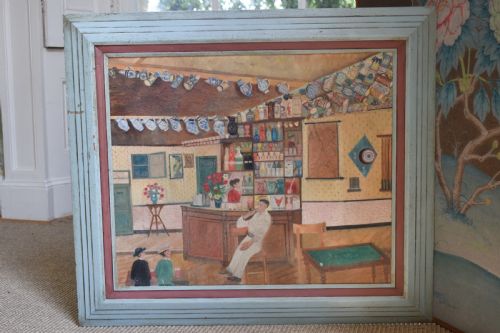
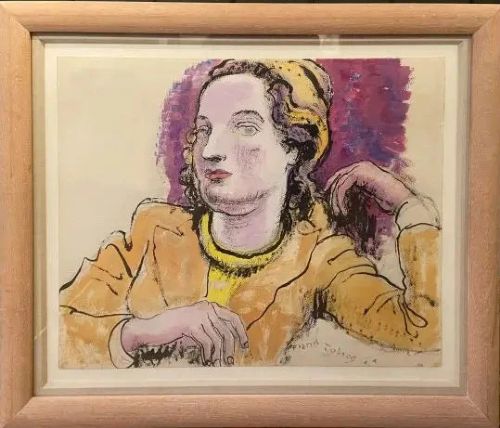
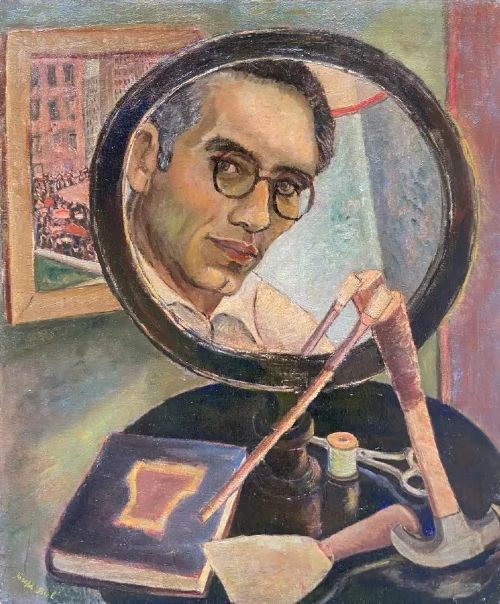
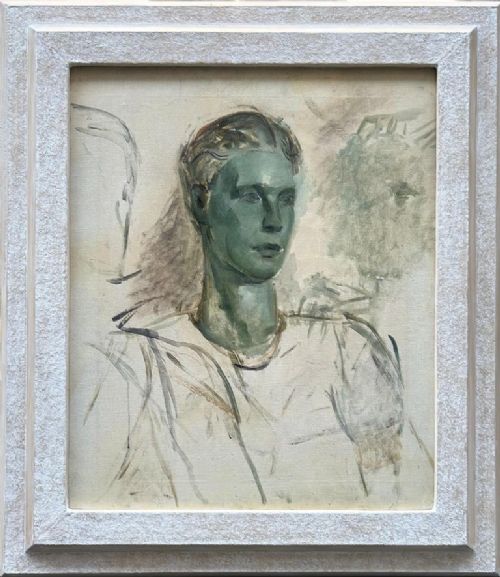
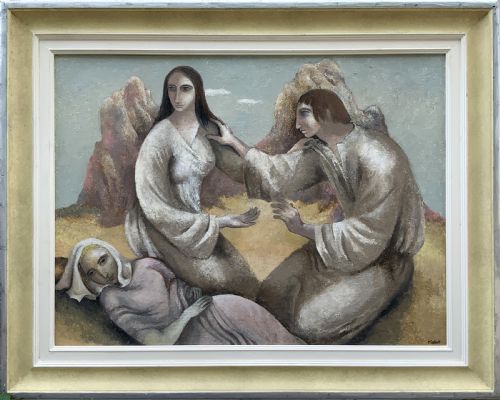
Mid century figurative painting encompasses oil and watercolour works on canvas, board, and paper, portraying people, interiors, and daily scenes. You will find portraits, nudes, and narrative compositions ranging from the nineteen-twenties to the nineteen-sixties.
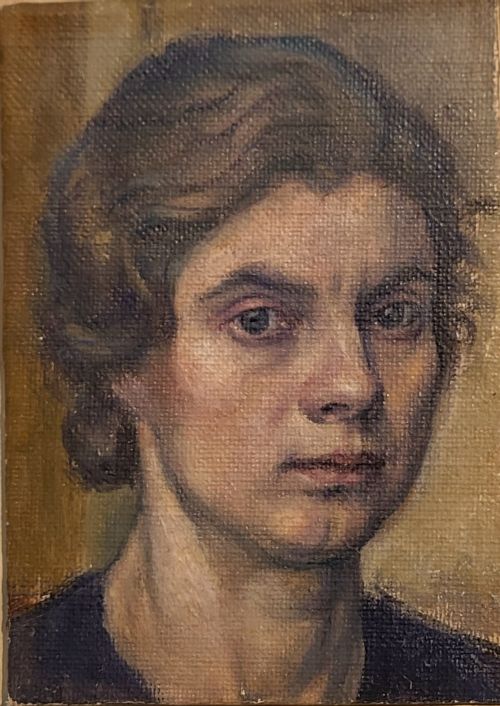
The selections span British, European, and American schools, including works by named artists and anonymous pieces assigned to the British School. Forms extend from intimate self-portraits to large studio interiors and framed wall art.
Many works adopt mid-century modern, impressionist, expressionist, or modernist styles, reflecting the artistic shifts of the period. These paintings document individual sitters, genre scenes, and domestic moments with varied brushwork.
Materials and Technique
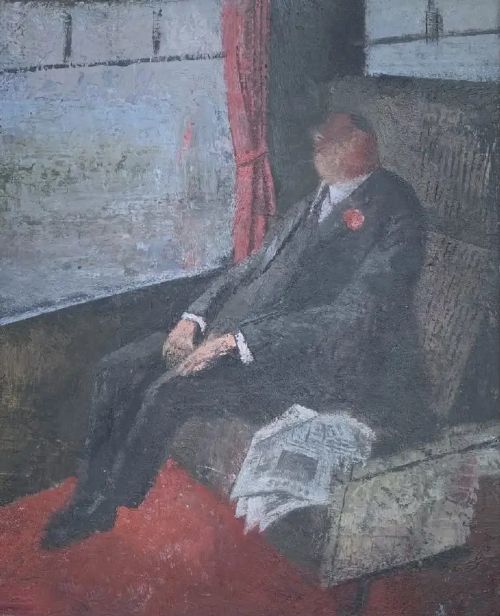
Artists painted primarily in oil, watercolour, pastel, and gouache, applying pigment to stretched canvas, wooden board, or heavy paper. Impasto techniques appear in certain works, building thick layers of paint that create physical texture on the surface.
Supports include canvas, board, and glass, often housed in original wood frames such as worn gilt moulding. The handling ranges from smooth, controlled academic portraiture to looser, expressive application characteristic of mid-century expressionism and impressionism.
Distinctions in Quality
Quality rests upon the sureness of the drawing, the handling of paint, and the psychological depth of the portrayal. Works by listed artists with established exhibition records demonstrate greater command over tone and composition than anonymous school pieces.
The vitality of the brushwork and the cohesion of the palette distinguish accomplished mid-century modernist and expressionist canvases from ordinary decorative portraits.
Frank Dobson·Joseph Biel·James Stroudley·Lena Gurr·Winifred Rymer·Christine Nesbit·Philippe de Rougemont·Charles James McCall·Philip Naviasky·Lilian Colbourn·Ronald Ossory Dunlop·Harry Freckleton·Attilio Toro·Gabriel Dauchot·Gertrude Halsband·Septimus Scott·Baruch Shalom Oskotsky·Raoul Millais·Derek Latimer Sayer
The Mid Century Figurative Painting Glossary
- Impasto
- Paint applied thickly to a canvas or board, standing out in relief from the plane. This technique adds tactile dimension to the painted surface.
- Triptych
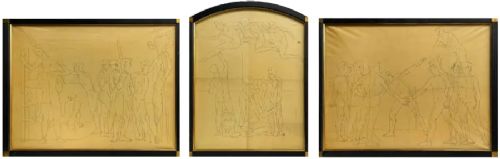
- A picture painted on three hinged panels that fold together. This format appears in narrative and commemorative works.
- British School
- A designation for paintings by British artists whose individual names are lost or unrecorded. These works share stylistic traits common to British art of their era.
- Genre Painting
- Depictions of everyday life, domestic interiors, and ordinary people engaged in common activities. These scenes offer social history alongside visual interest.
- Gouache
- An opaque water-based paint mixed with a white pigment. It dries to a flat, matte finish often used on paper.
Mid Century Figurative Painting: Frequently Asked Questions
What defines a mid century figurative painting?
These works depict human subjects, interiors, or narrative scenes created during the mid-twentieth century. They employ mediums like oil, watercolour, and pastel on canvas, board, or paper.
Styles span realism, impressionism, expressionism, and modernism, reflecting the diverse artistic approaches of the period from the nineteen-twenties to the sixties.
How do I identify the period of a portrait?
Dates are often indicated by the clothing, hairstyles, and interior furnishings depicted in the composition, alongside framing styles. Archival records, artist signatures, and biographical dates provide precise confirmation.
Many works carry specific dates in their titles or documentation, ranging from Edwardian pieces through the nineteen-fifties.
What is the difference between oil and watercolour works?
Oil paint utilises a slow-drying oil medium on canvas or board, allowing for rich colour blending, thick impasto, and layered textures. Watercolours use water-soluble pigments on paper, producing lighter, translucent effects.
Oils generally require sturdy framing behind glass or in open frames, whereas watercolours need protection under glass to prevent environmental damage.
How should I care for an oil on canvas painting?
Keep paintings away from direct sunlight, high humidity, and extreme temperature fluctuations to protect the canvas and paint layers. Dust the surface gently with a soft, dry brush without applying pressure.
Avoid using liquid cleaners or touching the paint surface directly, especially on works featuring thick impasto texture.