


Gilt Frame Portrait Painting
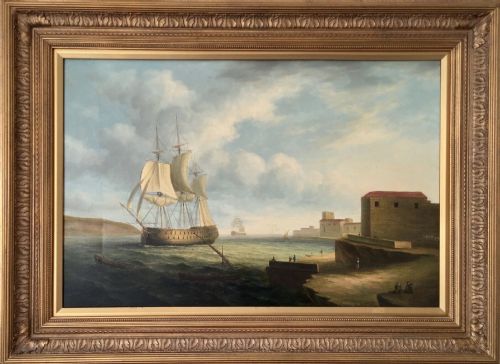
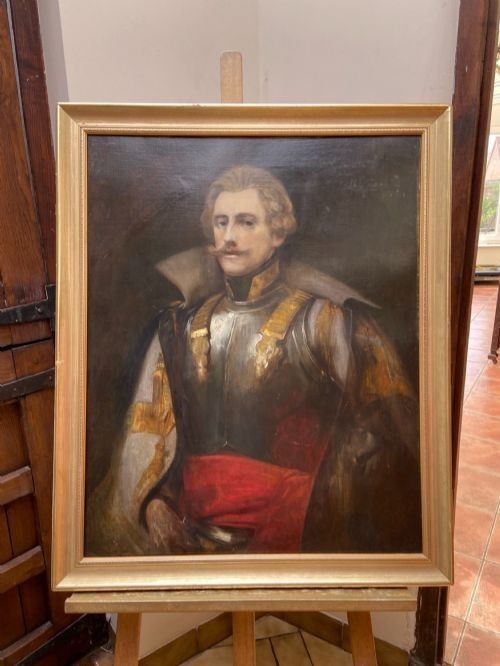
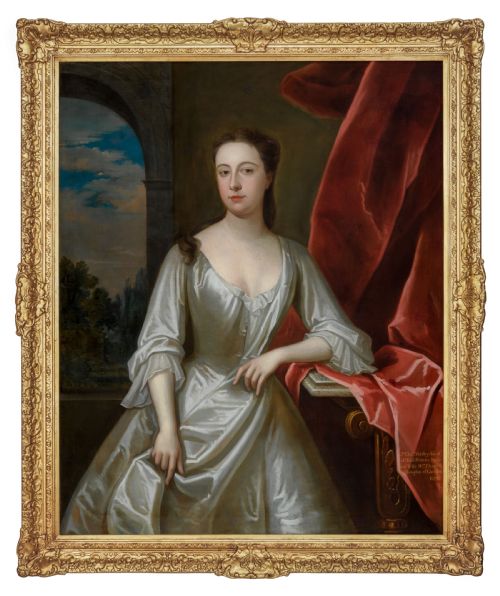
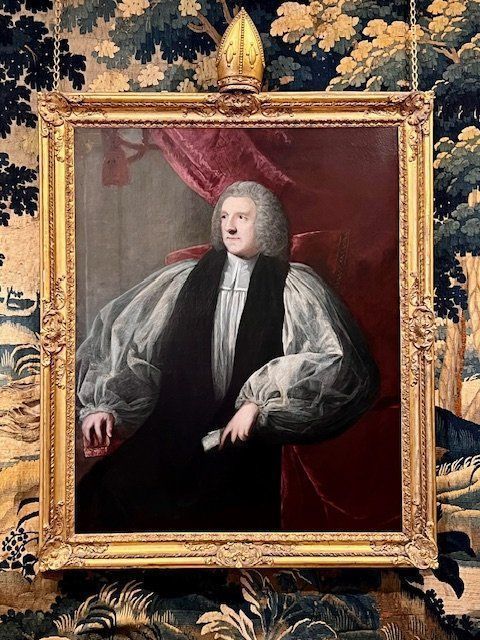
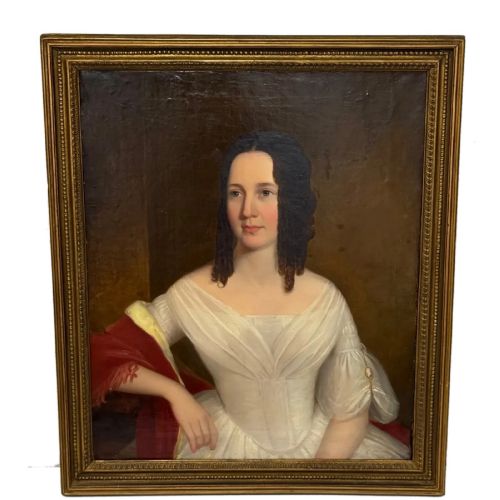
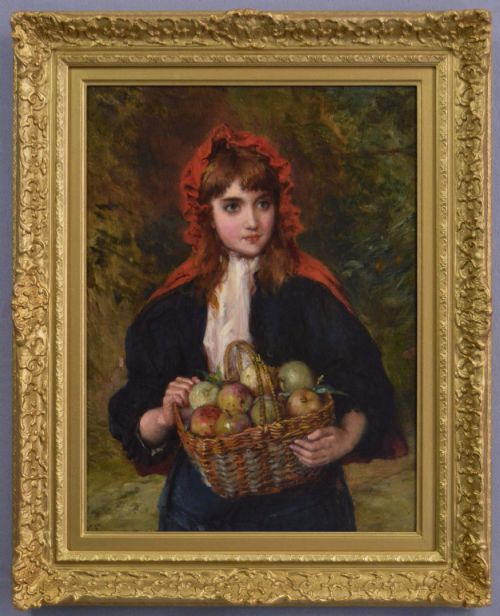
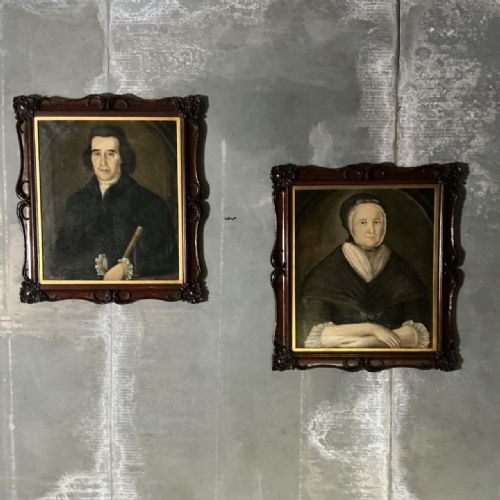
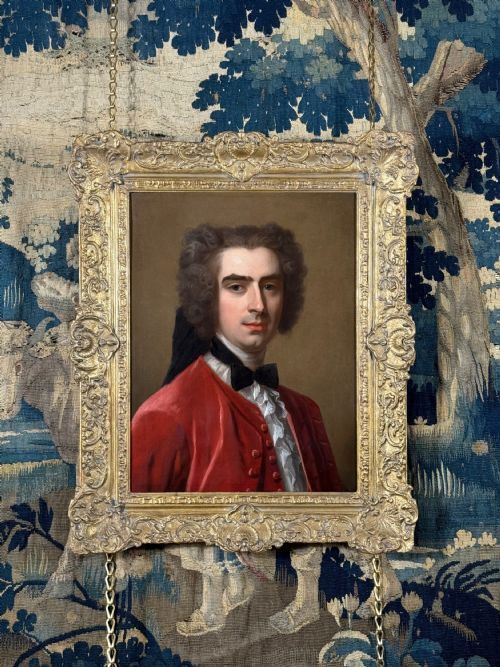
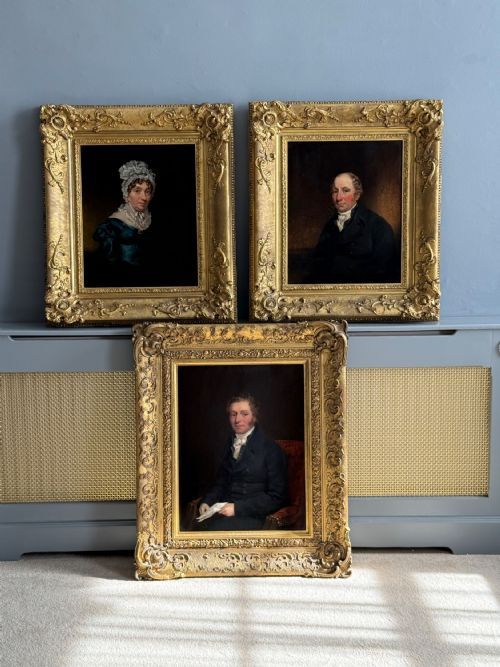
A gilt frame portrait painting brings centuries of character into a room, framed in gleaming carved wood that commands the wall.
Gilt Frame Portrait Painting
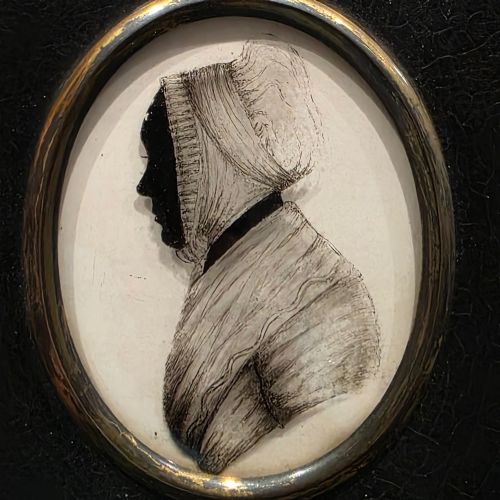
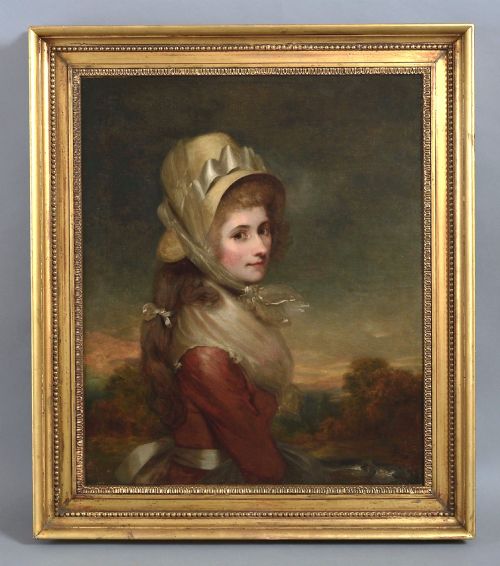
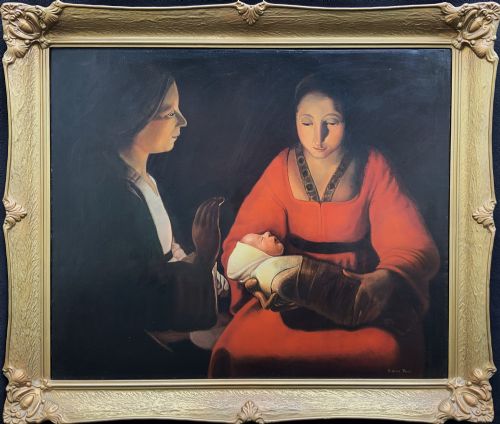
A gilt frame portrait painting captures likenesses of sitters ranging from seventeenth-century nobility to nineteenth-century gentlemen and ladies. These works appear as oil paintings on canvas or panel, alongside delicate miniatures and works on paper.
The selection encompasses British and European schools, spanning the seventeenth, eighteenth, and nineteenth centuries, as well as later interpretations. Buyers encounter formal society portraits, military figures, and intimate studies housed in their original or period gilt surrounds.
How They Were Made
The accompanying frames are constructed from wood, often carved and gilded with gold leaf or finished with decorative gesso moulding to create ornate swept and patterned borders.
Gilt Frame Portrait Painting Retail Price Guide 2026
Typical asking prices for gilt frame portrait painting among the pieces listed under this phrase on Sellingantiques today, from the lower quarter to the upper quarter. They describe what is for sale here now, not the wider market.
Listings feature works spanning the seventeenth century through the twentieth century, utilising oil paint, pastel, and watercolour.
What Varies in Quality
The integrity and artistry of the gilt frame itself dictates value, with hand-carved original frames showing intricate moulding and period gilding that complement the canvas.
Sir Godfrey Kneller·Sir Joshua Reynolds·Joseph Clover·Sir Peter Lely·Lemuel Francis Abbott
The Gilt Frame Portrait Painting Glossary
- Giltwood
- Wood that has been coated with a thin layer of gold leaf or powder. This finish gives frames their characteristic warm, reflective metallic sheen.
- Portrait Miniature
- A small-scale painting executed with fine detail. These works were frequently created on vellum, card, copper, or porcelain.
- Oil on Canvas
- Pigment mixed with drying oil applied to a woven fabric support. This combination allows for rich colour blending and durability over centuries.
- Reverse Painting
- A technique where the artist paints directly onto the back of glass. When viewed from the front, the image gains a glossy, preserved depth.
Gilt Frame Portrait Painting: Frequently Asked Questions
How do I date a portrait painting?
Dating relies heavily on the sitter's costume, hair style, and collar shape, which shifted distinctly from the ruffs of the seventeenth century to Regency and Victorian fashions. Frame styles and canvas types also offer clues when signatures or inscriptions are absent.
Expert examination of pigment ageing and stretcher construction further helps narrow the decade in which the work was produced.
Are original gilt frames important?
The frame is an integral part of the piece, often custom-made to complement the specific canvas and aesthetic of the period. An original period frame preserves the historical unity of the artwork.
Matching frames enhance the visual impact and confirm that the painting has remained undisturbed in its intended presentation for centuries.
How should I hang and light these paintings?
These works require stable indoor conditions away from direct sunlight and fluctuating humidity, which can damage canvas and crack gesso frames. Wall placement should utilise secure fixings suited to the heavy weight of carved wood.
Gentle, indirect picture lighting or LED illumination positioned above the frame will highlight the metallic sheen without generating excessive heat.
What is the difference between an oil and a miniature?
Oil paintings are typically executed on large canvases or panels designed to be prominent wall centerpieces depicting full or half-length sitters. Miniatures are intimate, pocket-sized works intended for close viewing or personal keeping.
While oils rely on heavy pigment layers and visible brushwork, miniatures achieve their detail through microscopic precision on small surfaces like ivory or card.