



Gentleman Portrait Wig
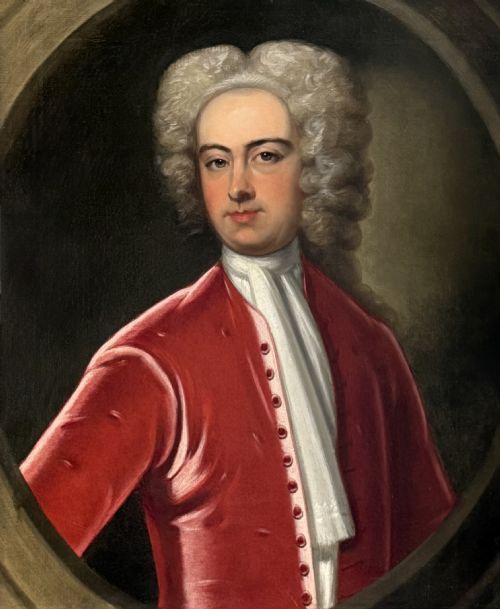
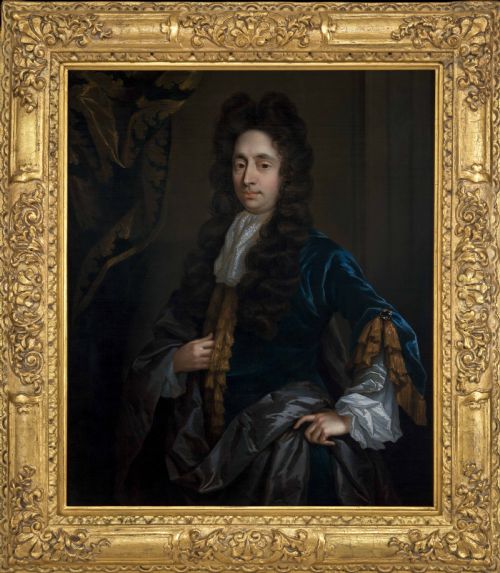
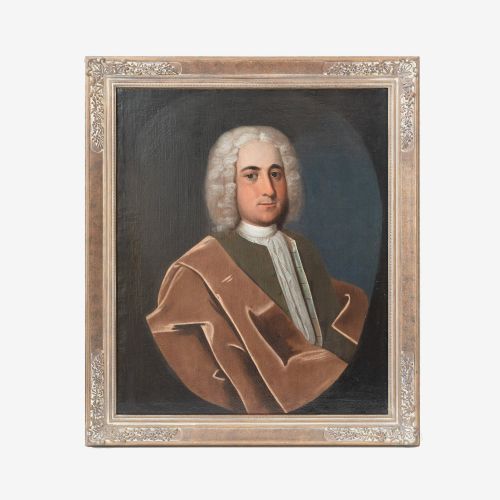
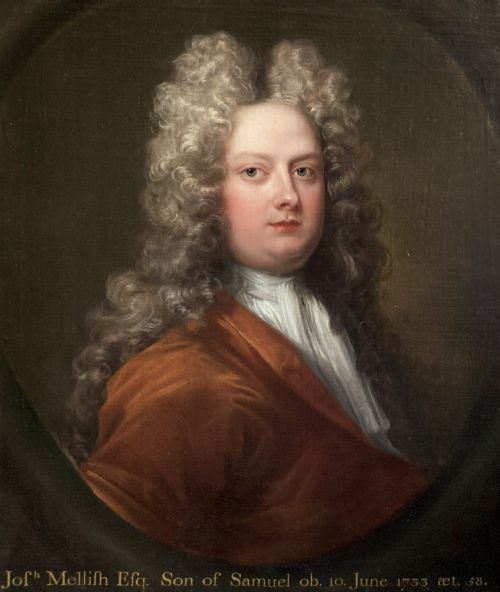
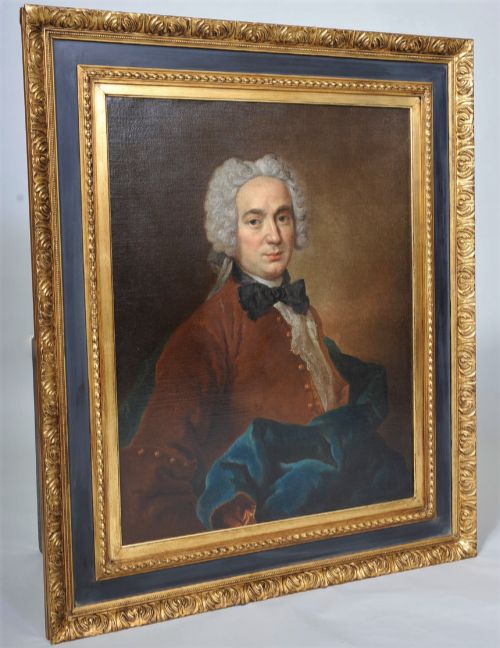
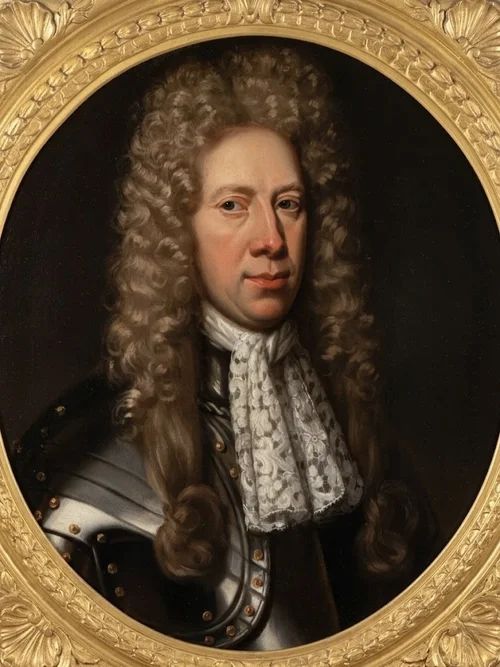
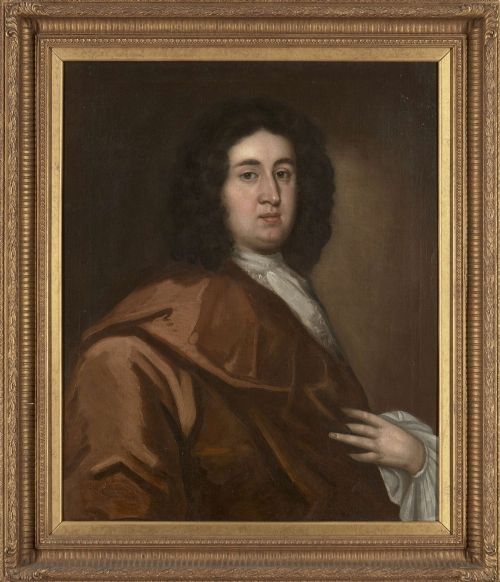
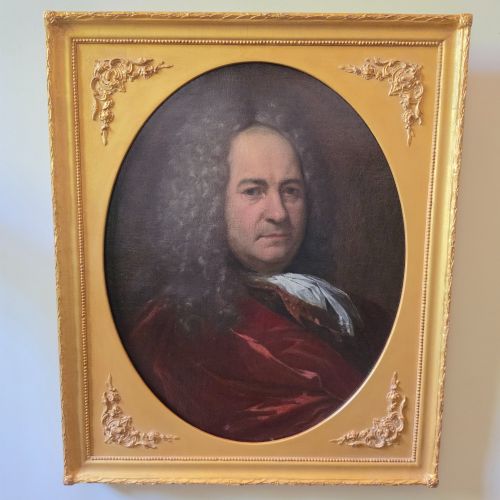
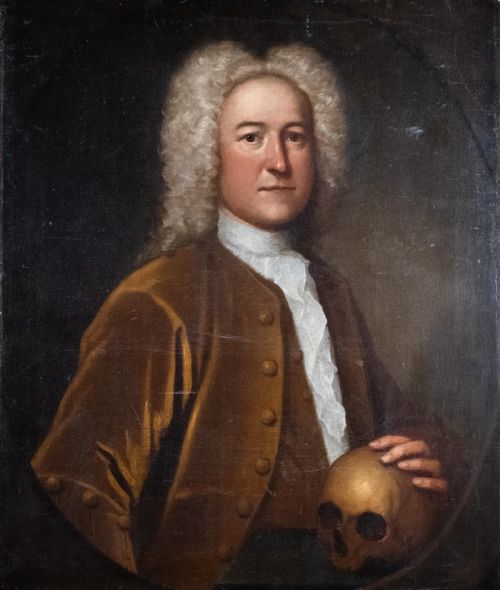
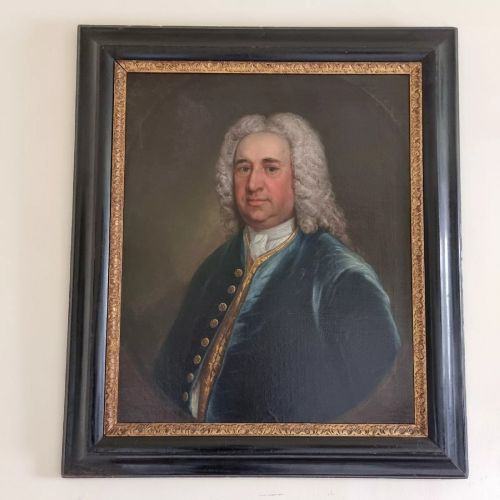
These gentleman portrait wig works capture the commanding presence and powdered coiffure of an earlier era, drawing collectors who value historic oil paintings.
Gentleman Portrait Wig
A gentleman portrait wig searches through fine art paintings and portrait miniatures depicting male subjects from the seventeenth and eighteenth centuries. These works span the Georgian and Restoration Baroque periods, originating from British, Scottish, Anglo Irish and French schools.
The subjects appear in oil on canvas, oil on panel, and enamel miniature formats, frequently framed in giltwood. Many pieces present named sitters such as merchants, lords, and members of landed families.
Buyers encounter works attributed to named portraitists, circle members, and anonymous regional schools. The most frequent formats on this page are oil paintings on canvas dating from the seventeen-hundreds.
How they were made
Painters of this era applied oil paint to stretched canvas or wooden panels, building up rich pigments for coats, flesh tones, and elaborate periwigs. Enamel portrait miniatures utilised specialised miniature painting techniques on small-scale surfaces.
Frames were constructed from wood and finished with gilded surfaces or giltwood mouldings to complement the dark tones of the canvas. Inscriptions and signatures were occasionally added to the reverse of the canvas or panel to record the sitter and artist.
A gentleman's social standing could be judged by the sheer volume of horsehair piled upon his head.
What varies in quality
The distinction between ordinary and superior works rests upon the handling of facial expression, the precision of lace and velvet garment details, and the psychological depth of the sitter. Skilled portraitists captured the intricate curl of a wig and the subtle play of light on fabric with greater fidelity than provincial copyists.
Condition and originality play a significant part, as historical relining, overpainting, and the state of the original giltwood frame influence the integrity of the piece. Works retaining their untouched surface and contemporary stretchers hold greater appeal for serious collectors.
Charles Jervas·John Scougall·John Closterman·Allan Ramsay·Joseph Highmore·Hyacinthe Rigaud·Enoch Seeman·Michael Dahl·William Denune·Jonathon Richardson·Thomas Hudson·George Dowdney·John Riley·Andrea Soldi·Sir Godfrey Kneller·Henry Walton
The Gentleman Portrait Wig Glossary
- Periwig
- A bulky, artificial hair wig worn by men of status during the seventeenth and eighteenth centuries. These voluminous hairpieces were a sign of fashion and social standing in formal portraiture.
- Oil on canvas
- A painting medium where pigments are suspended in drying oils and applied to a woven fabric support. This was the primary method for large-scale portraits of the period.
- Portrait miniature
- A small, highly detailed painting, often executed on enamel or vellum. These intimate objects were frequently commissioned to commemorate family members.
- Giltwood
- Wood that has been coated with gold leaf or gold paint. Frames of this material surrounded the canvas to project status and wealth.
Gentleman Portrait Wig: Frequently Asked Questions
What periods do these portrait paintings represent?
The listings span the late seventeenth century through the middle of the eighteenth century. This encompasses the Restoration Baroque, early Georgian, and mid-Georgian eras.
Dates on the canvases frequently reference the reigns of successive monarchs and the stylistic shifts in male fashion. Portraiture from this timeframe records evolving wig designs from towering periwigs to powdered variants.
How can I tell who the sitter is?
Some portraits feature inscriptions directly on the front or the reverse of the canvas naming the gentleman, his profession, and his dates. Heraldic crests or family associations noted in the title also point toward the sitter's identity.
Unidentified sitters are common in eighteenth-century art, where surviving records have detached from the physical canvas over the centuries. Costume details and coat colours occasionally offer clues to their social rank.
Where were these historical portraits produced?
The works originate primarily from British, Scottish, Anglo Irish, and French schools of painting. Painters worked in urban studios or travelled to regional estates to record prominent local figures.
Continental influences, particularly from French Baroque portraiture, informed the compositions and drapery styles adopted by portraitists working in London and Edinburgh.
How should I care for an antique oil painting?
Keep the canvas away from direct sunlight and dramatic fluctuations in room temperature and humidity to prevent cracking in the paint layer. Dust the surface and the giltwood frame gently with a dry, soft brush without applying pressure.
Avoid using liquid cleaners or chemical solvents on the oil paint or the gilded frame. Professional conservation should be consulted if the canvas requires cleaning or structural repair.