

Georgian Gentleman Wall Art
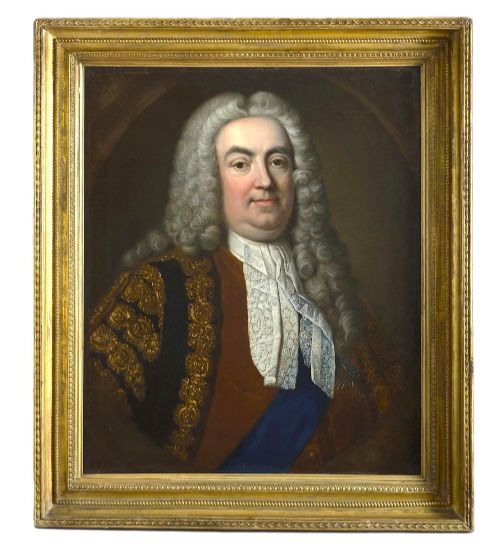
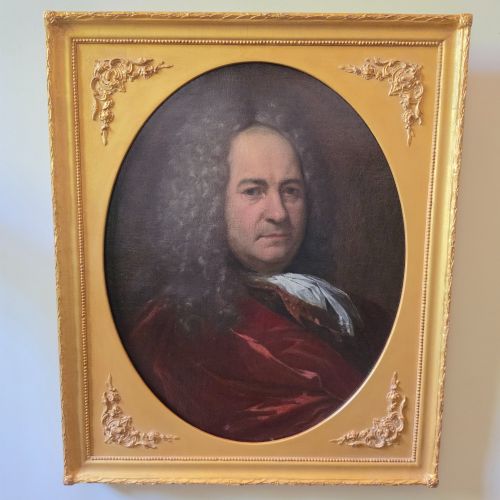
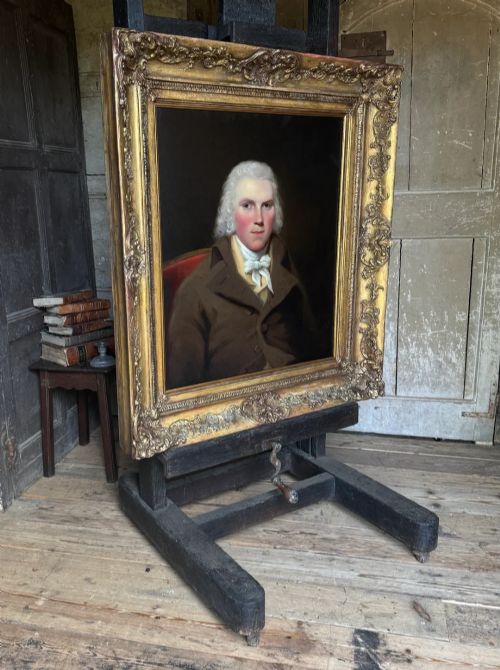
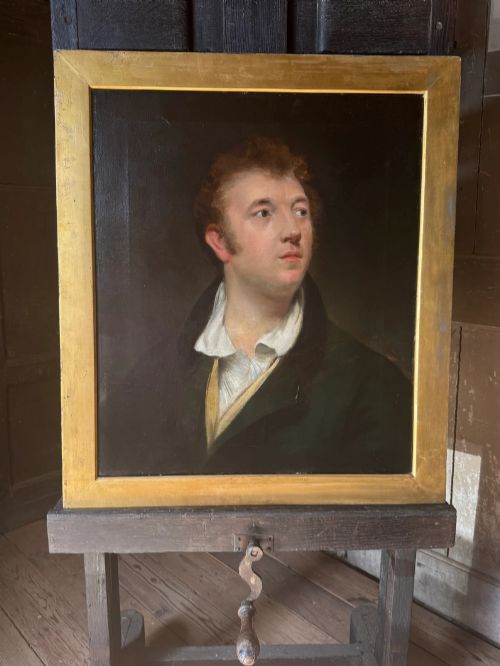
When you search for georgian gentleman wall art, you are looking at historical male portraits that capture the likeness and status of subjects from past centuries.
Georgian Gentleman Wall Art
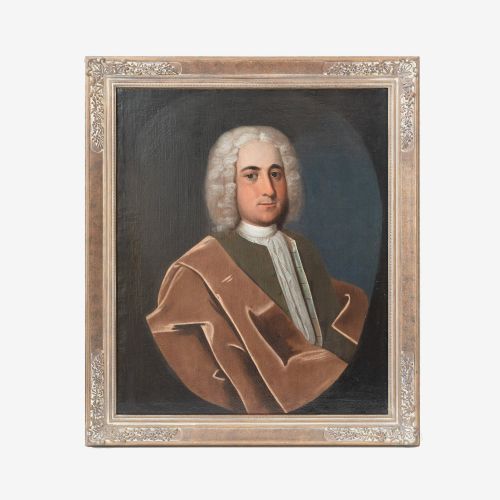
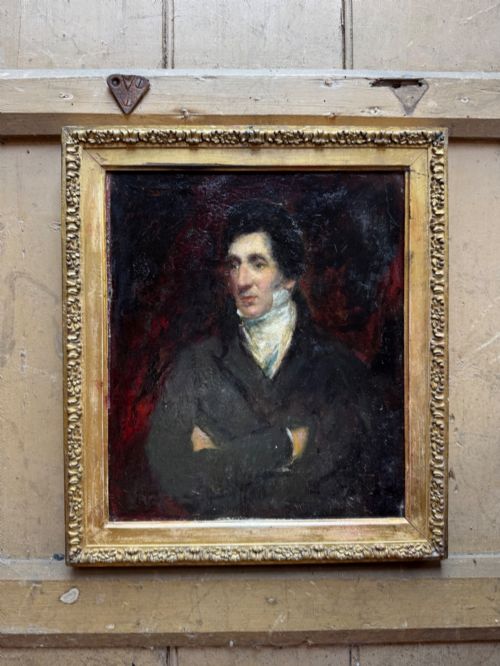
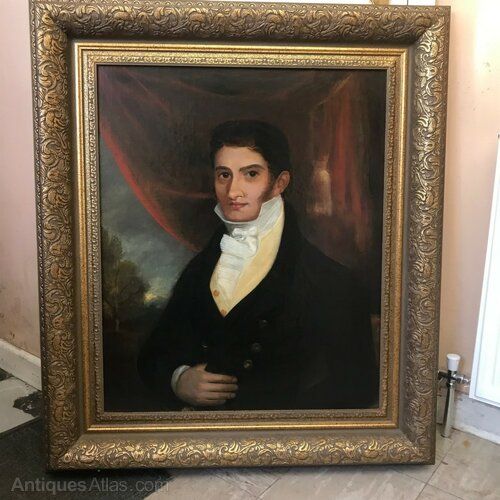
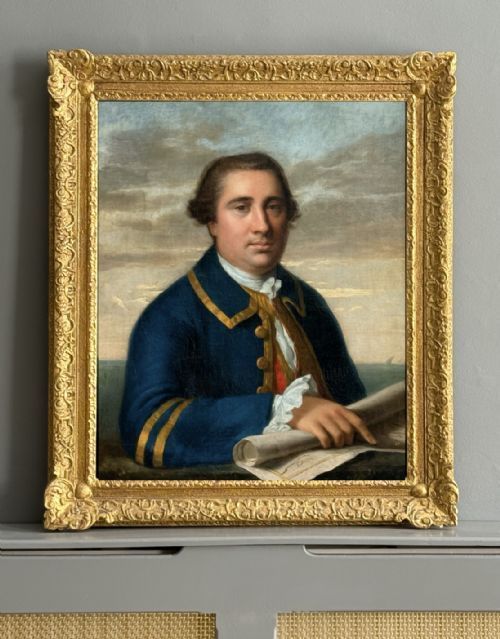
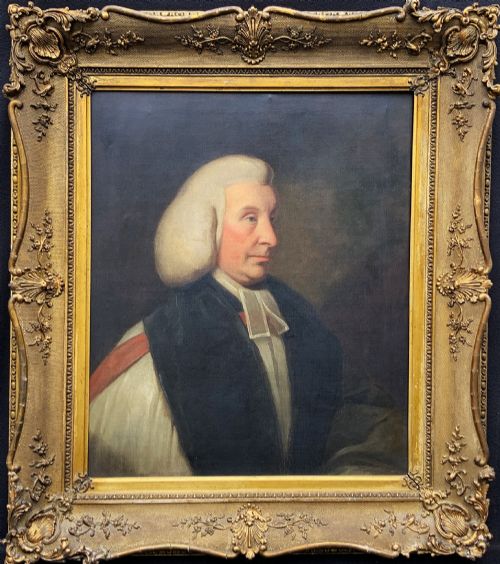
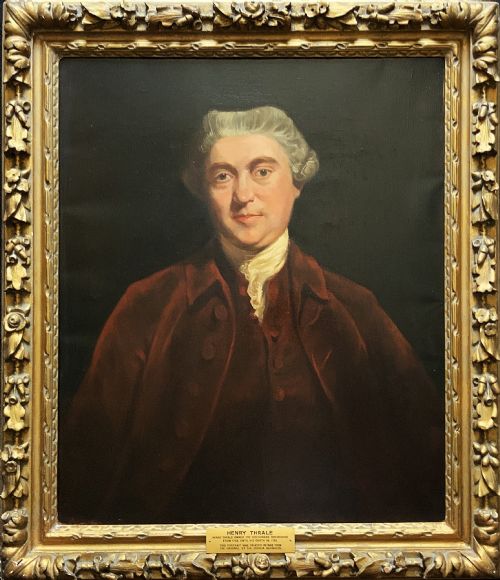
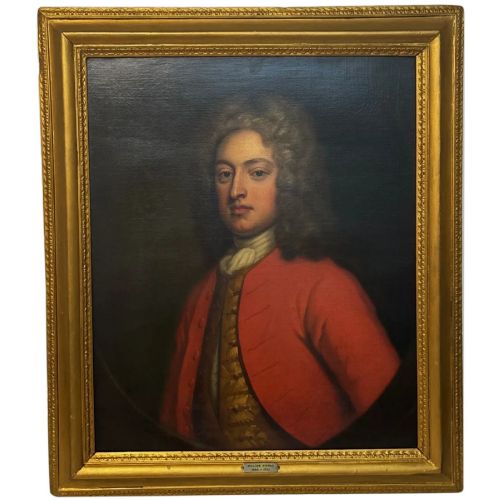
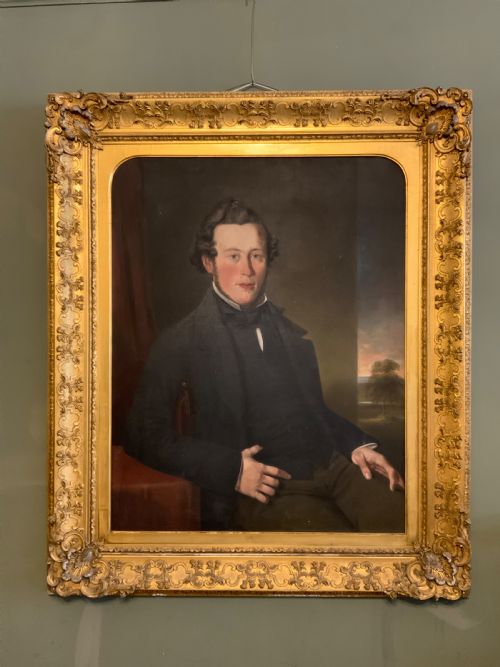
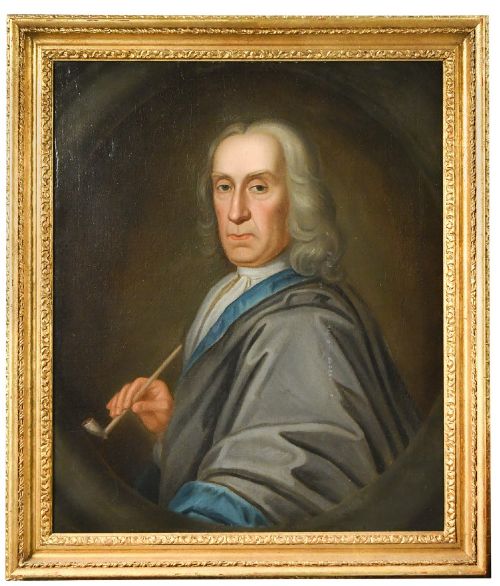
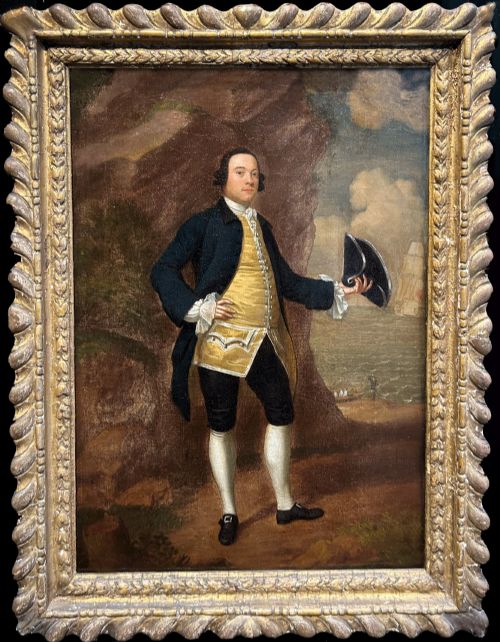
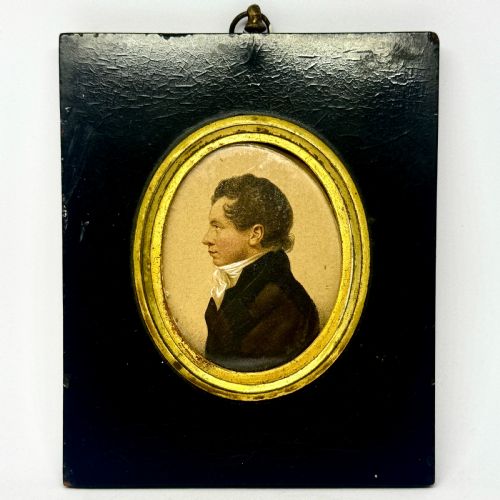
When you examine georgian gentleman wall art on this page, you encounter oil on canvas paintings, portrait miniatures, watercolours, and silhouettes dating from the eighteenth and nineteenth centuries, alongside Regency and Victorian interpretations.
The subjects range from named officers, merchants, and physicians to anonymous sitters rendered by provincial British and Scottish schools, capturing the distinct attire and social standing of the era.
These works primarily take the form of framed art and oil paintings, representing both formal academic portraiture and folk art or naive approaches.
Materials and methods
The primary medium recorded in these listings is oil paint applied to canvas or panel, supported by wooden stretchers and housed in period frames, often made of giltwood.
Works on paper utilise graphite, plumbago, or watercolour pigments, sometimes presented as delicate portrait miniatures behind glass.
Artists built up these compositions using traditional layering techniques, capturing fabrics, facial expressions, and background details such as riverside estates or architectural interiors.
Listings feature oil paintings, watercolours, and silhouettes spanning the eighteenth and nineteenth centuries.
Determinants of quality
The distinction between ordinary and exceptional works rests on the skill of the brushwork, the psychological depth captured in the sitter's expression, and the anatomical accuracy of the hands and face.
Attribution to a known hand or a documented circle elevates a piece, as seen in works linked to named portraitists compared to unsigned provincial student pieces.
The survival of original framing, particularly period giltwood surrounds, and the stability of the canvas or panel preservation influence the overall integrity of the piece.
Sir William Beechey·Lemuel Francis Abbott·Sir Joshua Reynolds·Jean Baptiste Van Loo·Allan Ramsey·Charles Jervas·James Howe·Francis Hayman·Thomas Hudson·John Taylor·William Millar·George Hargreaves·George Chinnery
The Georgian Gentleman Wall Art Glossary
- Oil on canvas
- A painting medium where pigments are suspended in drying oils and spread across a woven fabric support stretched over a wooden frame.
- Portrait miniature
- A small, highly detailed painting executed on a small scale, often designed to be carried or worn, utilising watercolour or gouache on vellum, card, or ivory.
- Plumbago
- A drawing executed in graphite, taking its name from the Latin word for lead ore, popular for highly finished monochromatic portraiture.
- Giltwood
- Wood that has been coated with a thin layer of gold leaf or powder, frequently utilised for ornate picture frames during the eighteenth and nineteenth centuries.
- Naive art
- Visual art created by a person without formal training, often characterised by a charming disregard for strict perspective and proportion.
Georgian Gentleman Wall Art: Frequently Asked Questions
What periods do these portraits cover?
The inventory spans the eighteenth and nineteenth centuries, encompassing the Georgian era, the Regency period, and later nineteenth-century interpretations.
Dates stretch from the early seventeen-hundreds through to nineteenth-century academic and naive revivals.
Are all the sitters identified?
Many portraits record the specific names, professions, and sometimes the lifespan of the gentleman depicted, such as military captains or physicians.
Other listings present anonymous sitters created by regional schools or naive artists where the individual's identity remains lost.
How were these artworks displayed originally?
These portraits hung in country houses, estate libraries, and formal reception rooms to project family lineage, status, and professional achievement.
Smaller formats like miniatures and silhouettes were kept in private chambers or carried on the person.
How should I care for an antique oil painting?
Keep the artwork away from direct sunlight, excessive moisture, and rapid temperature fluctuations to protect the canvas and paint layers from cracking.
Dust the surface gently with a soft, dry brush and avoid applying chemical cleaning agents to the paint or the original frame.