



Gilt Frame Fruit Painting
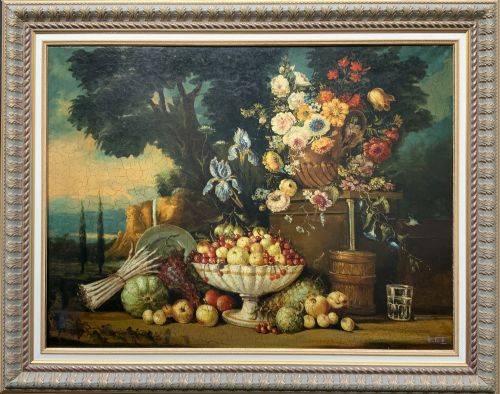
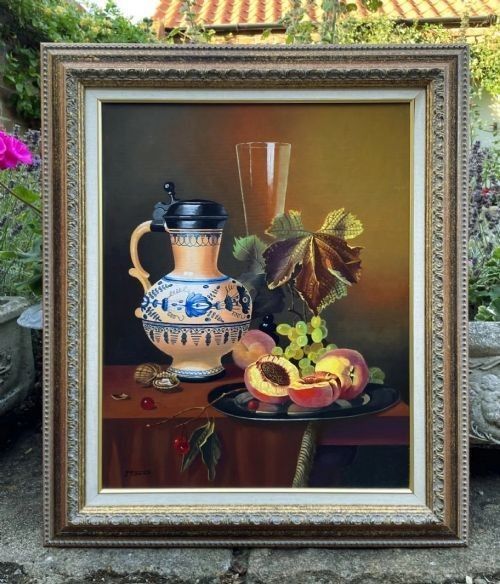
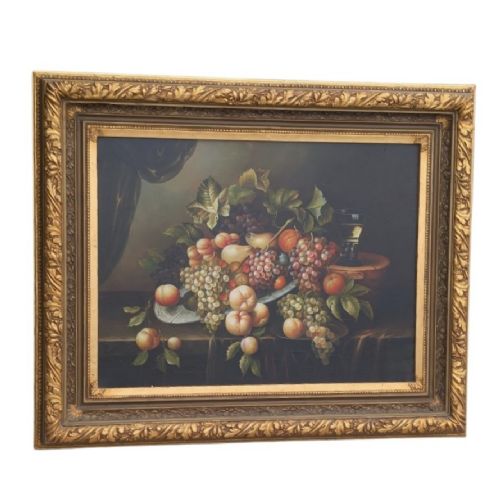
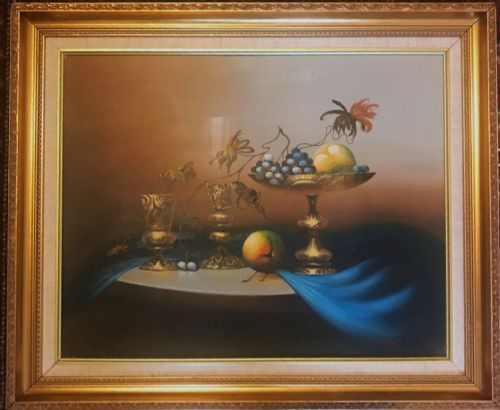
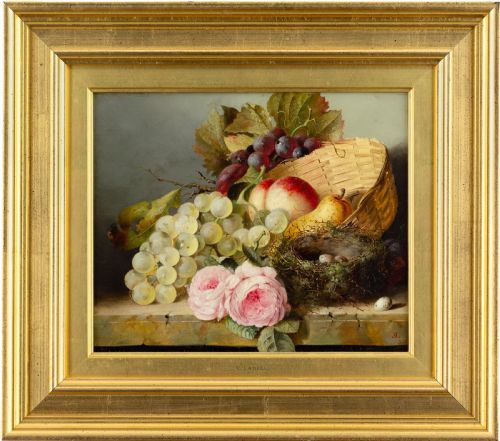
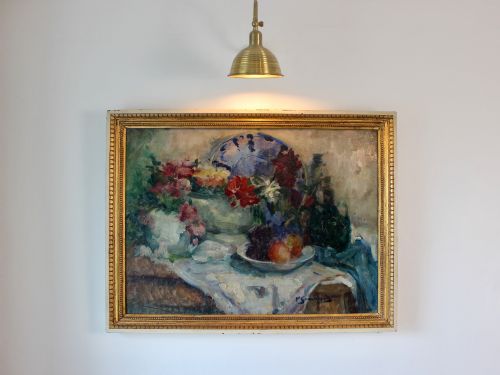
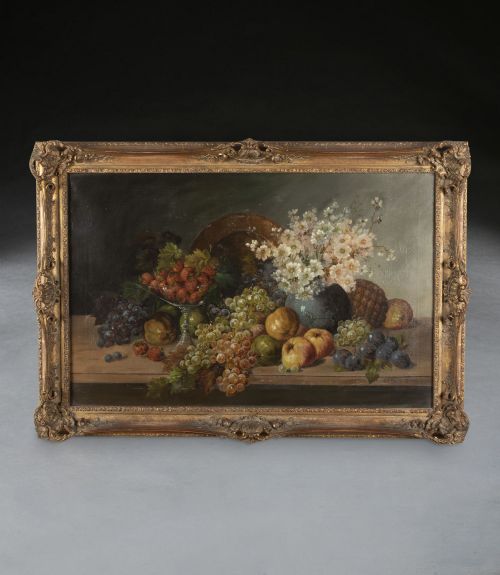
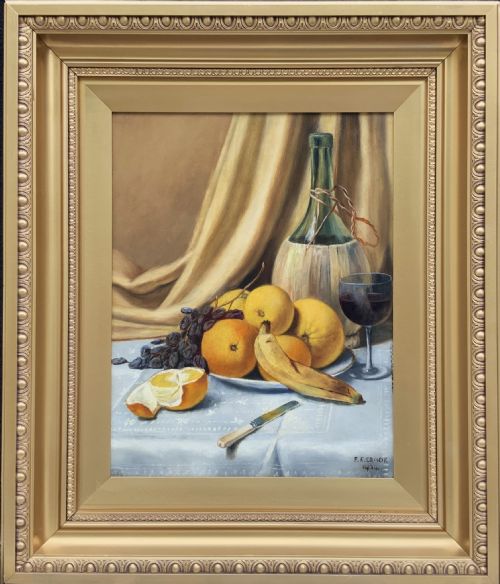
A gilt frame fruit painting brings rich textures of apples, grapes, and baskets into a room with traditional warmth.
Gilt Frame Fruit Painting
A gilt frame fruit painting represents a distinct branch of still life and fine art, focusing on arrangements of produce, often accompanied by vessels or game. When searching for a gilt frame fruit painting, buyers encounter works spanning from the nineteenth century through the mid twentieth century, reflecting various European and British traditions.
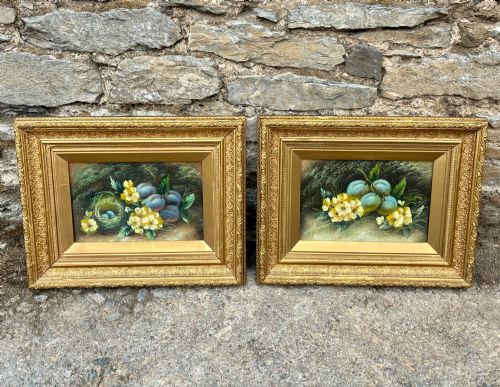
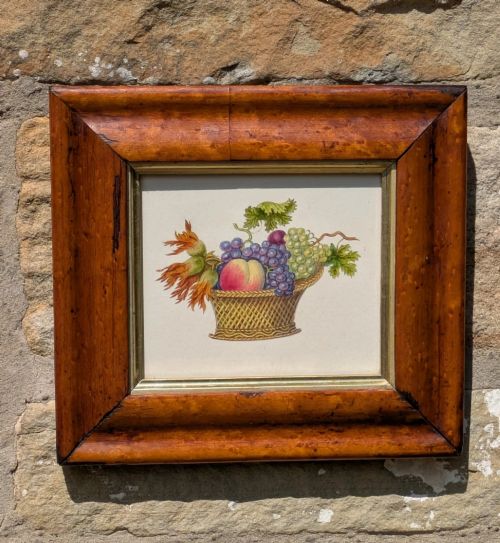
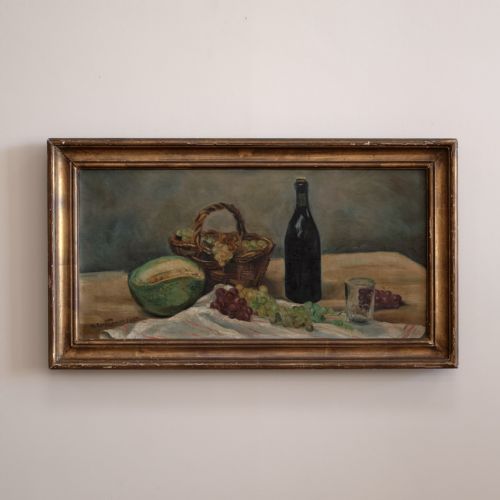
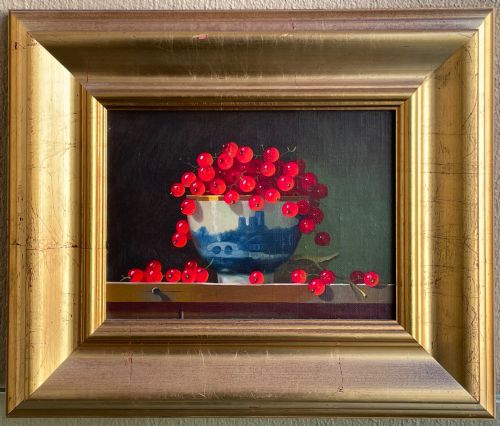
The selections on this page predominantly feature oil on canvas or wood panel, alongside occasional porcelain plaques and watercolours. These pieces showcase subjects ranging from classical realism to early twentieth century impressionism, housed within period wooden and giltwood surrounds.
Materials and construction
Artists painted primarily with oil paint on stretched canvas, wooden panels, or card, building depth through layered pigments and detailed brushwork. Porcelain plaques also appear, offering a smooth, luminous surface for enamel painting.
The enclosing surrounds utilise wood bases coated in gold leaf, gilt, or giltwood, often moulded with decorative flourishes such as swept designs to complement the artwork within.
Gilt Frame Fruit Painting Retail Price Guide 2026
Typical asking prices for gilt frame fruit painting among the pieces listed under this phrase on Sellingantiques today, from the lower quarter to the upper quarter. They describe what is for sale here now, not the wider market.
Several baskets of fruit share wall space with unexpected companions, including game birds, ginger jars, and wine glasses.
Markers of quality
Quality rests upon the artist's command of light, shadow, and natural texture in rendering the fruit, foliage, and surrounding objects. Superior examples display precise brush control and harmonious colour balance rather than mere mechanical repetition.
The integrity and originality of the surrounding gilt frame also influence the overall standard, with period swept or decorative wooden mouldings matching the age of the canvas adding considerable character.
Jozsef Molnar·Edward Ladell·Ian Parker·John Sherrin·Victor Simonin·Evelyn Chester·Henri Joseph Pauwels·Vincent Clare·Bela Balogh·Thomas Hooper·Maud Frances Eyston Sumner·KPM·J.C.de Bruin·John Robertson Reid·William Rayworth·WILLIAM JONES OF BATH·E. Cremer·Oliver Clare·Alfred Arthur Brunel de Neuville·J.M.Arundele
The Gilt Frame Fruit Painting Glossary
- Giltwood
- Wood carved and coated with gold leaf or a gold-coloured finish. This material creates the bright, reflective borders characteristic of period art frames.
- Still life
- An artwork depicting inanimate subject matter, typically commonplace objects such as fruit, flowers, or glassware. These compositions allowed artists to focus entirely on colour, form, and light distribution.
- Oil on canvas
- Pigment mixed with drying oil applied to a woven fabric support. This combination offers rich texture and longevity.
- Porcelain plaque
- A flat ceramic tablet used as a painting surface. It provides a hard, glossy base for fine enamel details.
Gilt Frame Fruit Painting: Frequently Asked Questions
What periods do these paintings cover?
The available selection spans widely across the nineteenth and twentieth centuries, including Victorian, Edwardian, and mid-century examples.
Specific dates range from early nineteenth-century watercolours to mid-century modernist interpretations and continental still life studies.
Are the frames original to the paintings?
Many works retain their period wooden or giltwood frames, which range from simple mouldings to decorative swept designs.
Descriptions often note whether a frame is the original housing for the canvas or panel.
What mediums are used besides canvas?
While oil on canvas is most common, artists also worked on wood panels, card, and porcelain plaques.
Watercolours under glass appear in specific nineteenth-century examples within the collection.
How should I hang a heavy gilt frame?
Giltwood and solid wood frames can carry substantial weight, particularly when paired with large canvases or panels.
Secure fixings into wall studs or appropriate masonry anchors ensure the artwork hangs safely.