




Gilt Florentine Framed Mirror
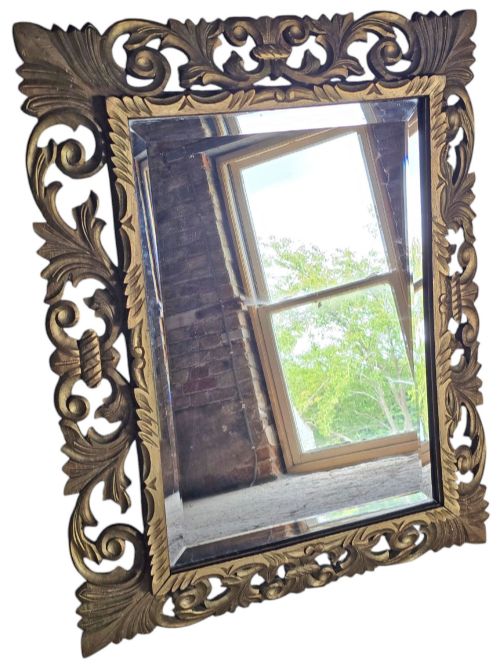
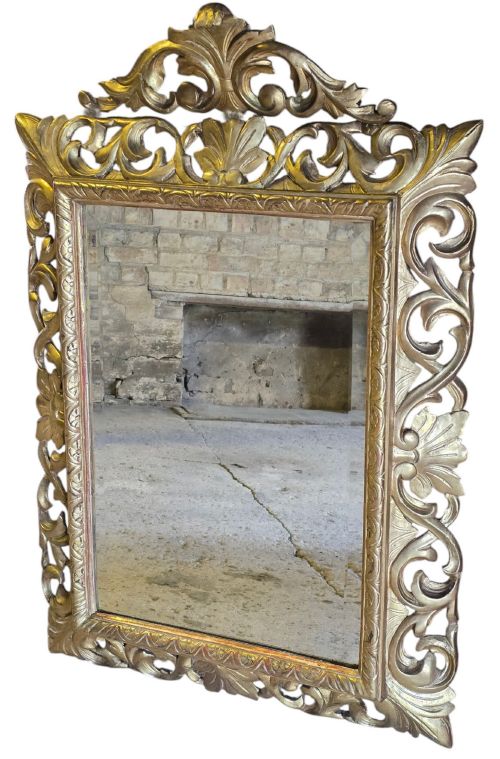
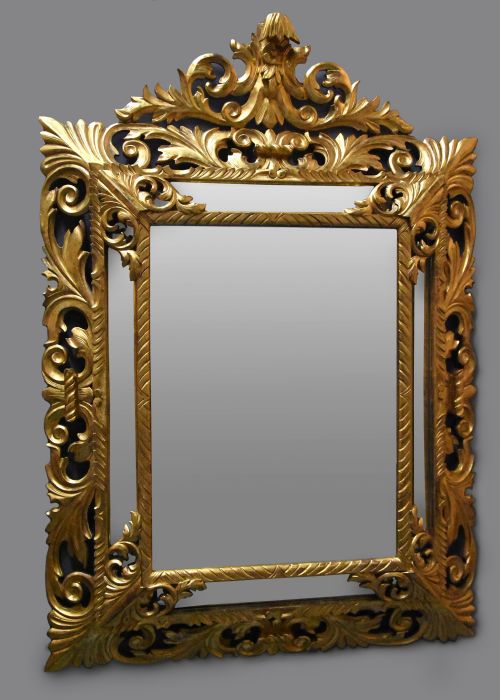
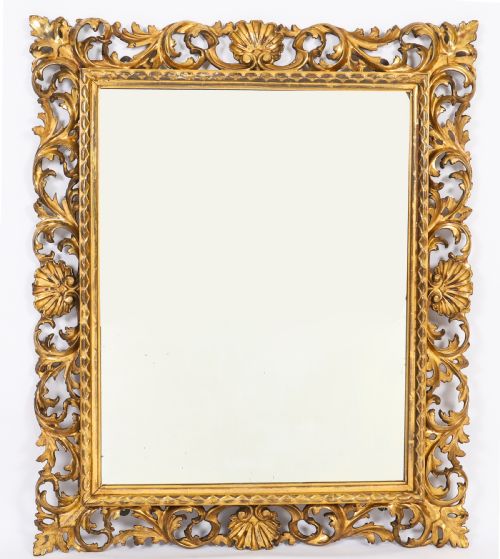
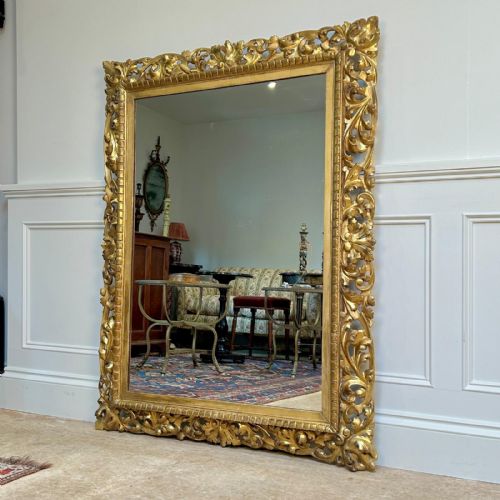
These ornate gilt florentine framed mirror pieces combine centuries-old Italian craftsmanship with opulent carved surfaces to anchor a room.
Gilt Florentine Framed Mirror
A gilt florentine framed mirror brings intricate Italian design into domestic spaces through elaborate carved wood forms. These pieces primarily date from the nineteenth century, alongside examples from the eighteenth and early twentieth centuries.
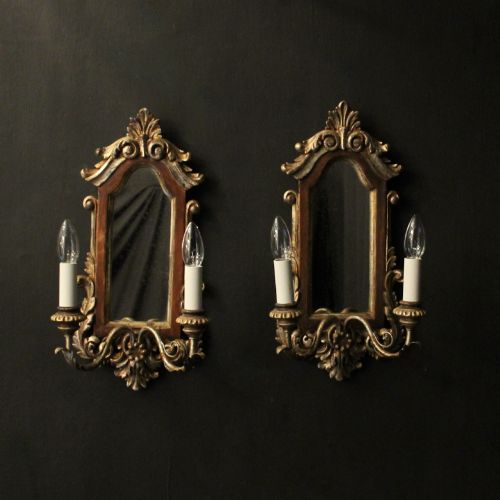
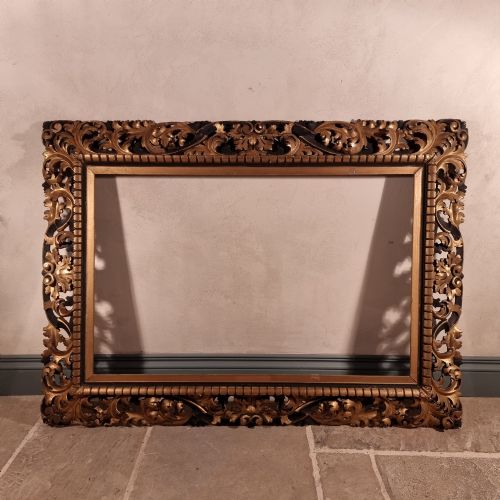
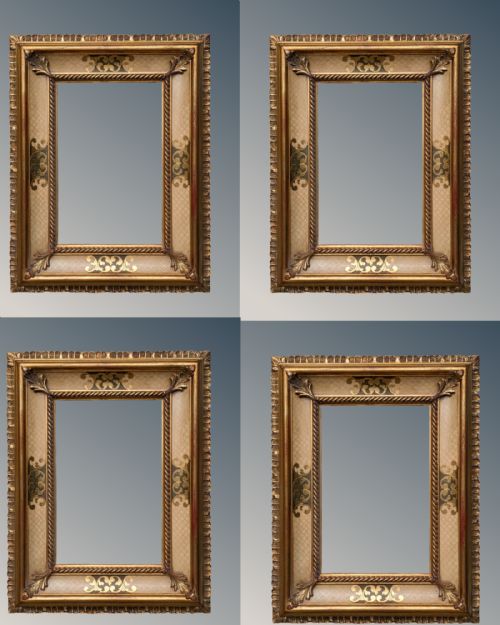
The selection ranges from large overmantle wall mirrors and cushion mirrors to twin arm girandoles and picture frames. Rectangular and oval formats dominate the current offerings, often showing deep scrolling relief and natural motifs.
Originating predominantly from Italian workshops, these items utilise distinct regional styles such as Florentine Baroque and Rococo Revival. Buyers encounter both single statement pieces and matched pairs designed for grand interiors.
How they were made
Carved wood and timber provide the structural foundation for these elaborate frames, shaped by hand before surface preparation. Artisans applied layers of gesso to smooth the carved details and prepare the base for gilding.
Gold leaf and giltwood finishes impart the characteristic metallic brilliance seen across the items. Metal components support structural elements like girandole arms, while glass forms the central reflective surface.
Fruiting vines wind permanently around several nineteenth-century frames, bringing eternally ripe harvests indoors regardless of the weather.
What varies in quality
Depth and crispness of the hand carving separate simpler frames from masterworks. Superior examples display deeply undercut foliage, scrolls, and fruiting vines without soft edges in the gesso.
The integrity of the original gilt surface dictates much of the visual weight. Surviving gold leaf with honest patination maintains its brilliance differently than unsympathetically retouched areas.
The Gilt Florentine Framed Mirror Glossary
- Giltwood
- Wood that has been coated with gold leaf or a gold-coloured finish. This technique creates the rich metallic appearance characteristic of Florentine frames.
- Gesso
- A plaster-like mixture applied to carved wood to create a smooth surface for gilding. It holds fine detail before the application of gold leaf.
- Girandole
- A wall-mounted mirror featuring attached candle branches or arms. These reflective sconces were designed to multiply candlelight in dark rooms.
- Overmantle
- A large mirror specifically proportioned to hang above a fireplace mantel. They often serve as dominant visual focal points in a drawing room.
- Cushion mirror
- A frame profile that curves outward toward the edges like a pillow. This volumetric form catches light from multiple angles.
Gilt Florentine Framed Mirror: Frequently Asked Questions
Are these mirrors genuinely from Florence?
The listings include pieces produced in Italy following traditional Florentine design principles and revival styles. Workshops in the region maintained distinct carving techniques across the nineteenth century.
Examining the construction methods and wood types helps distinguish regional Italian manufacture from later stylistic copies. Many bear the characteristic dense gesso and deep leaf motifs typical of the area.
How should I clean a antique gilt mirror?
Dust the intricate carved surfaces gently using a soft, dry artist brush or ostrich feather duster. Avoid applying moisture or chemical cleaners to the fragile giltwood.
Glass cleaner should be applied sparingly to a cloth rather than sprayed directly onto the mirror plate. This prevents liquid from seeping behind the glass and damaging the historic backing.
What is an overmantle mirror?
An overmantle mirror is designed to sit horizontally on the wall directly above a fireplace mantelpiece. Their generous scale reflects light back into the living space.
Nineteenth-century examples often feature substantial carved crests that draw the eye upward. They function equally well above low sideboards in large dining rooms.