






Gilt Floral Papier Mache
These gilt floral papier mache pieces bring brilliant painted colour and gold leaf into a room, offering both decorative charm and sturdy everyday utility.
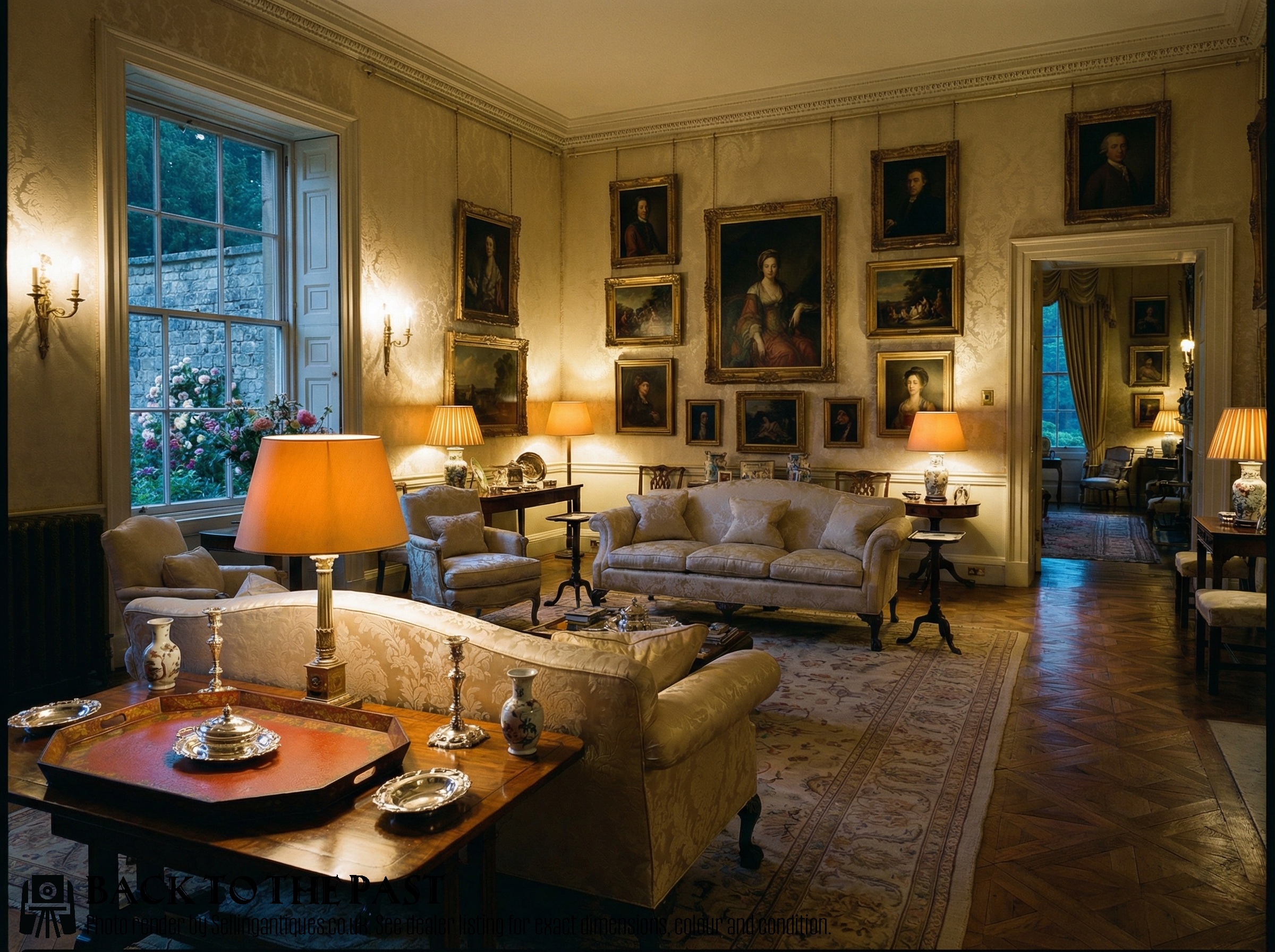
Gilt Floral Papier Mache
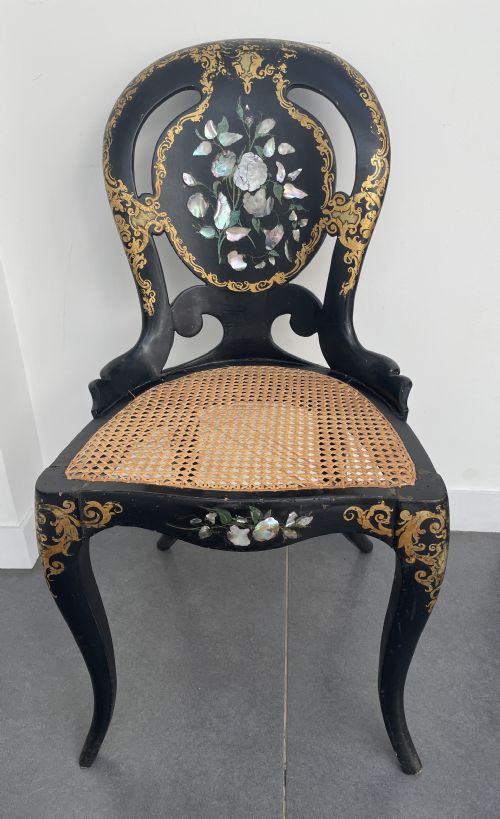
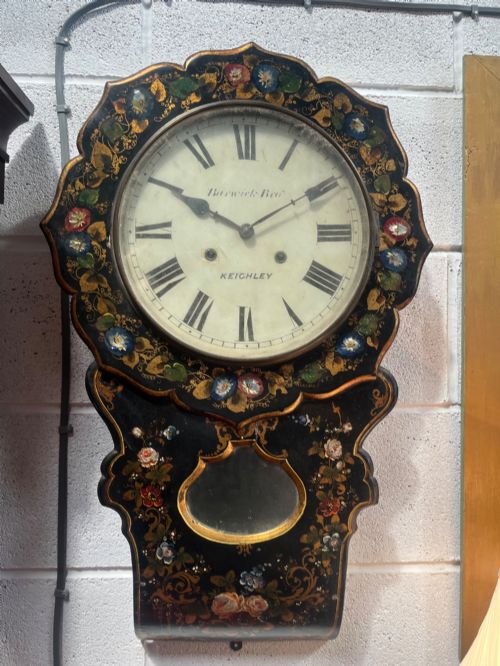
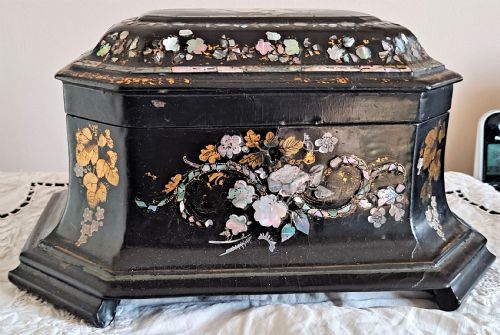
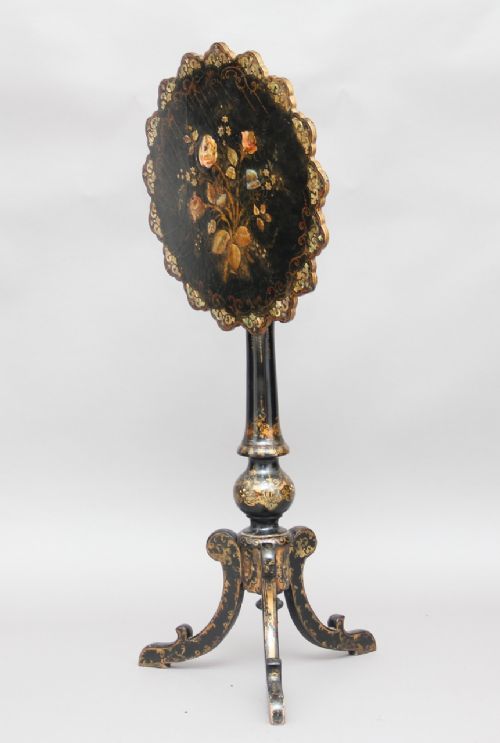
When you search for gilt floral papier mache, you uncover a distinctive group of domestic objects spanning the Georgian, Regency and Victorian eras. These items range from large serving trays and occasional tables to tea caddies, decorative boxes, wall clocks and chairs.
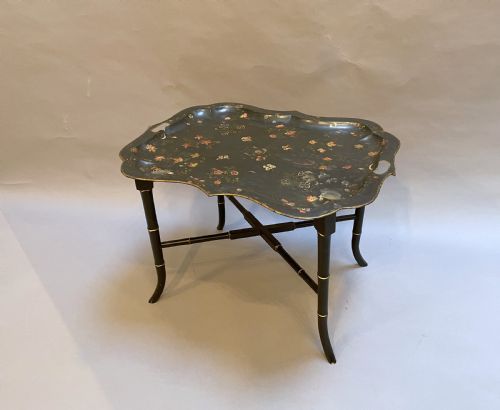
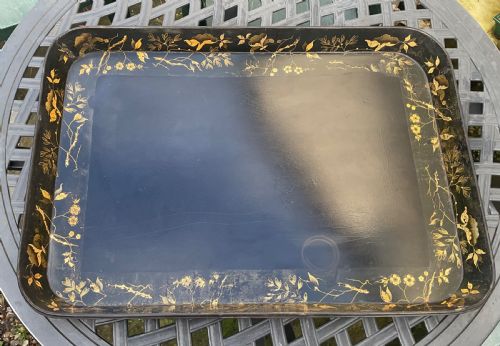
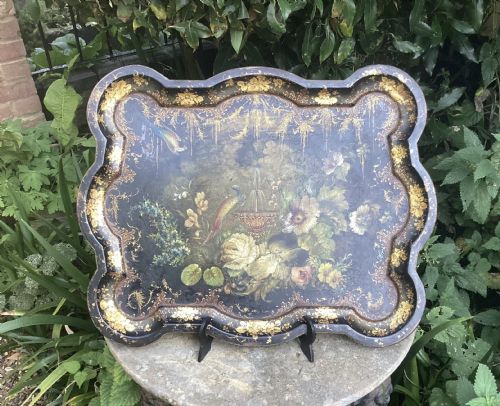
The objects you meet most often on this page are Victorian serving trays, frequently mounted on later stands to serve as drinks tables, alongside occasional tables and smaller decorative items. They combine practical utility with intricate painted and gilded decoration, often featuring floral motifs.
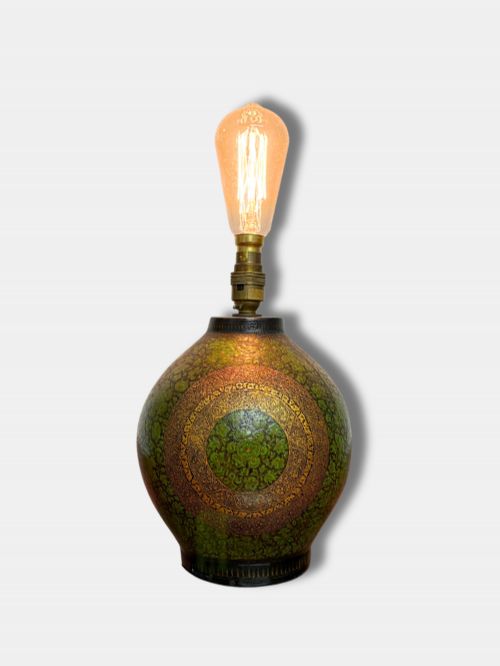
Origins stretch from English workshops in Birmingham and London to Kashmiri production centres, showing varied regional interpretations of floral designs on moulded paper pulp. Pieces span the nineteenth century, with specific examples recorded from the eighteen-thirties, eighteen-seventies and eighteen-eighties, as well as later twentieth-century items.
Materials and construction methods
Makers produced the core structure by pressing layers of paper pulp mixed with glue and chalk into metal moulds, then baking the resulting board until hard. This process created a remarkably tough material that accepted smooth black japanning or dark lacquer coatings.
Artisans applied gold leaf and detailed paintwork over the dark surfaces, frequently inlaying pieces of mother of pearl to catch the light within floral arrangements. Wood, brass, iron and paint frequently supplemented the paper pulp, particularly when forming structural stands or interior compartments for caddies.
Buttons made from papier-mâché demonstrate how this versatile moulded material extended from large serving trays down to the smallest fastening.
Variations in quality and execution
Quality rests primarily on the crispness of the moulding and the dexterity of the hand-painted floral decoration combined with gold leaf application. Finer pieces display meticulous brushwork, carefully graduated mother of pearl inlay and well-preserved ground layers without extensive flaking.
The integrity of the underlying papier-mâché core also dictates standard, as superior items resist warping and maintain solid structural form despite decades of use. Later modifications, such as mounting trays onto iron or wooden stands, alter the character and functional context of the original object.
The Gilt Floral Papier Mache Glossary
- Papier-mâché
- A composite material made from paper pulp or layers of paper pasted together, pressed in moulds and baked hard. It formed the lightweight yet durable body of trays, tables and boxes.
- Japanning
- A European imitation of East Asian lacquerwork, created by applying successive coats of dark varnish and curing them by heat. It provided the glossy black background for floral painting.
- Mother of pearl
- The iridescent internal layer of certain mollusc shells, cut into thin flakes and embedded into the surface. It added luminous highlights to floral motifs.
- Tolet
- An alternative spelling often associated with metalware items like painted trays, though grouped closely with papier-mâché in historical domestic settings. These items share similar decorative palettes of gilt and paint.
- Chinoiserie
- A European artistic style reflecting Chinese motifs and landscapes, frequently adapted by nineteenth-century makers. It appeared alongside native floral designs on trays and tables.
Gilt Floral Papier Mache: Frequently Asked Questions
What is papier mache furniture?
Papier mache furniture consists of reinforced paper pulp moulded into structural shapes like chairs, tables and stands. Artisans finished these pieces with heavy lacquer and painted decoration.
These items offered a sturdy, lightweight alternative to solid timber while allowing intricate surface ornamentation.
How were serving trays used?
Serving trays carried tea services, drinks and glassware across nineteenth-century drawing rooms. They sat on laps, stools or dedicated folding wooden stands.
Many surviving trays now stand permanently on custom metal or wooden frames to function as low coffee tables.
How do I clean papier mache?
Clean surfaces gently with a dry or barely damp soft cloth to remove dust without disturbing old lacquer or gold leaf. Avoid harsh chemicals, excess water and modern cleaning sprays.
Keep pieces away from direct heat sources and strong sunlight to prevent the painted ground from cracking or fading.
How do I date these pieces?
Dating relies on stylistic clues, construction techniques and materials such as mother of pearl inlay or specific floral painting styles. Georgian and Regency pieces often feature simpler outlines, whilst Victorian examples embrace elaborate ebonised finishes and Chinoiserie.
Subsequent additions like later iron or wooden stands indicate that a tray was adapted well after its initial manufacturing date.