





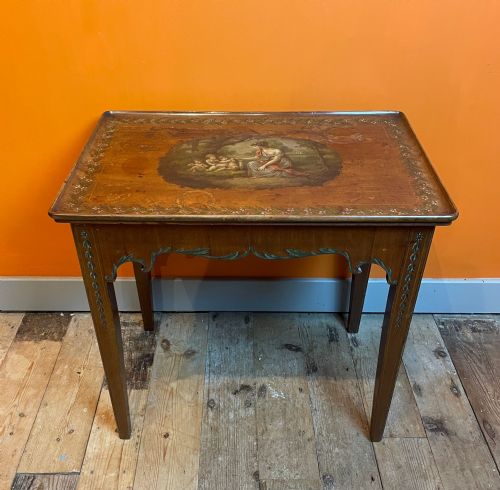


Georgian Painted Tray
A georgian painted tray offers a functional surface adorned with detailed brushwork, bringing tactile history into a room.
Georgian Painted Tray
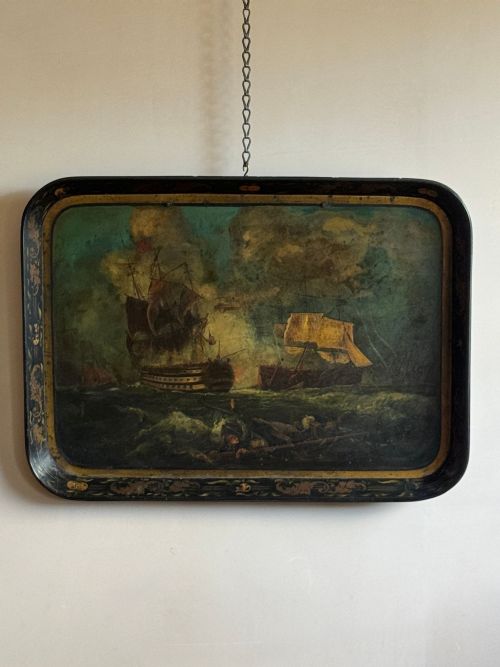
When you search for a georgian painted tray, you encounter works produced across the eighteenth and nineteenth centuries, spanning Georgian and Regency periods. The forms range from large papier-mâché platters and toleware bowls to specific serving dishes and knife trays.
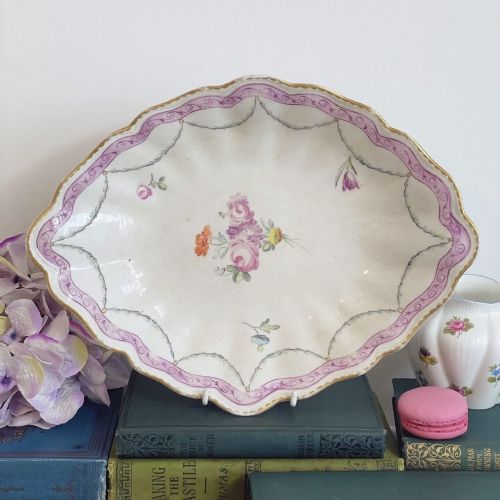
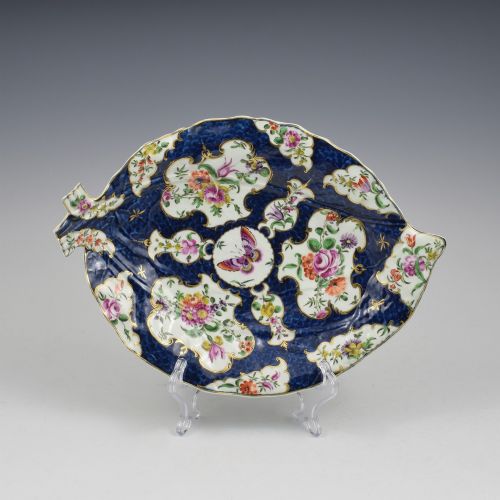
Most examples you meet on this page utilise materials such as papier-mâché, metal toleware, porcelain, and wood. Makers applied paint, lacquer, and gold leaf to create decorative surfaces depicting scenes, fish, or geometric patterns.
Origins vary from English country workshops to established porcelain factories like Worcester, Derby, and Spode. Buyers find items intended for domestic service, games, or decorative display.
How They Were Made
The construction of papier-mâché trays involved layering paper pulp and binding agents before pressing them into moulds to dry hard. Artisans then applied multiple coats of lacquer or paint, often finishing with intricate hand-painted motifs and gilding.
Metal toleware items started as sheet iron, shaped and coated with enamel or japanned finishes to simulate Asian lacquerware. Painters added polychrome pigments by hand, sometimes incorporating gold leaf highlights to enhance the visual depth.
Porcelain trays and dishes were formed from clay bodies, glazed, and fired in kilns before receiving delicate enamel painting and blue marks. Wooden items utilised local timbers like satinwood, painted directly or decorated with neo-classical scenes.
Materials recorded across the available selection include gold leaf, enamel, porcelain, paint, papier-mâché, lacquer, gilding, and satinwood.
What Varies in Quality
Quality rests upon the execution of the hand-painted decoration and the preservation of the original surface. Finer pieces display confident brushwork and detailed pictorial scenes, whereas simpler domestic items rely on naive folk art execution.
The integrity of the underlying material distinguishes standard items from superior examples. Intact papier-mâché without major structural cracking and well-preserved toleware with minimal flaking retain greater historical cohesion.
Derby Porcelain·Worcester Porcelain·Spode Porcelain·Duesbury And Kean·Barr Flight And Barr
The Georgian Painted Tray Glossary
- Papier-mâché
- A composite material made from paper pulp or reinforced sheets mixed with glue, moulded and dried. It forms a lightweight, sturdy base for decorative lacquer and paint.
- Japanning
- A European imitation of East Asian lacquerwork using resin-based varnishes and heat-curing. It creates a dark, glossy surface often embellished with gilt motifs.
- Kakiemon
- A style of Japanese porcelain decoration adopted by European factories featuring asymmetric enamel designs of birds and flowers. It influenced eighteenth-century porcelain painters.
- Gilding
- The application of gold leaf or gold powder to a surface for ornamentation. It accentuates borders and highlights pictorial scenes.
Georgian Painted Tray: Frequently Asked Questions
What is a toleware tray?
Toleware refers to painted or japanned sheet metal items produced for domestic utility and display during the eighteenth and nineteenth centuries.
Craftsmen coated iron sheets with enamel and applied detailed hand-painted designs, often using black or coloured grounds.
How were papier-mâché trays used?
These trays served functional roles in domestic interiors for carrying tea sets, serving dishes, or managing correspondence.
Their lightweight yet sturdy construction made them practical for daily household service in reception rooms.
What styles define these pieces?
The items reflect Georgian, Regency, and Neo-Classical aesthetics alongside English and Welsh country folk art traditions.
Design motifs range from formal classical ornamentation to naive depictions of fish, flowers, and social scenes.
How do I care for a painted tray?
Preserving the original painted surface requires keeping the tray away from direct moisture, heat, and harsh chemical cleaners.
Dusting gently with a dry, soft cloth protects the delicate lacquer, enamel, and gold leaf layers over time.