


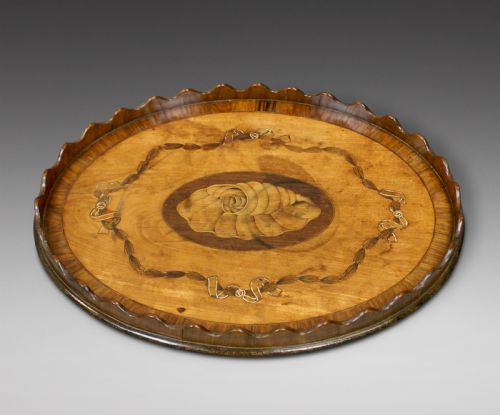


Georgian Decorative Tray
A georgian decorative tray brings rich hand-painted lacquer, deep mahogany, and bold papier-mâché right to the table.
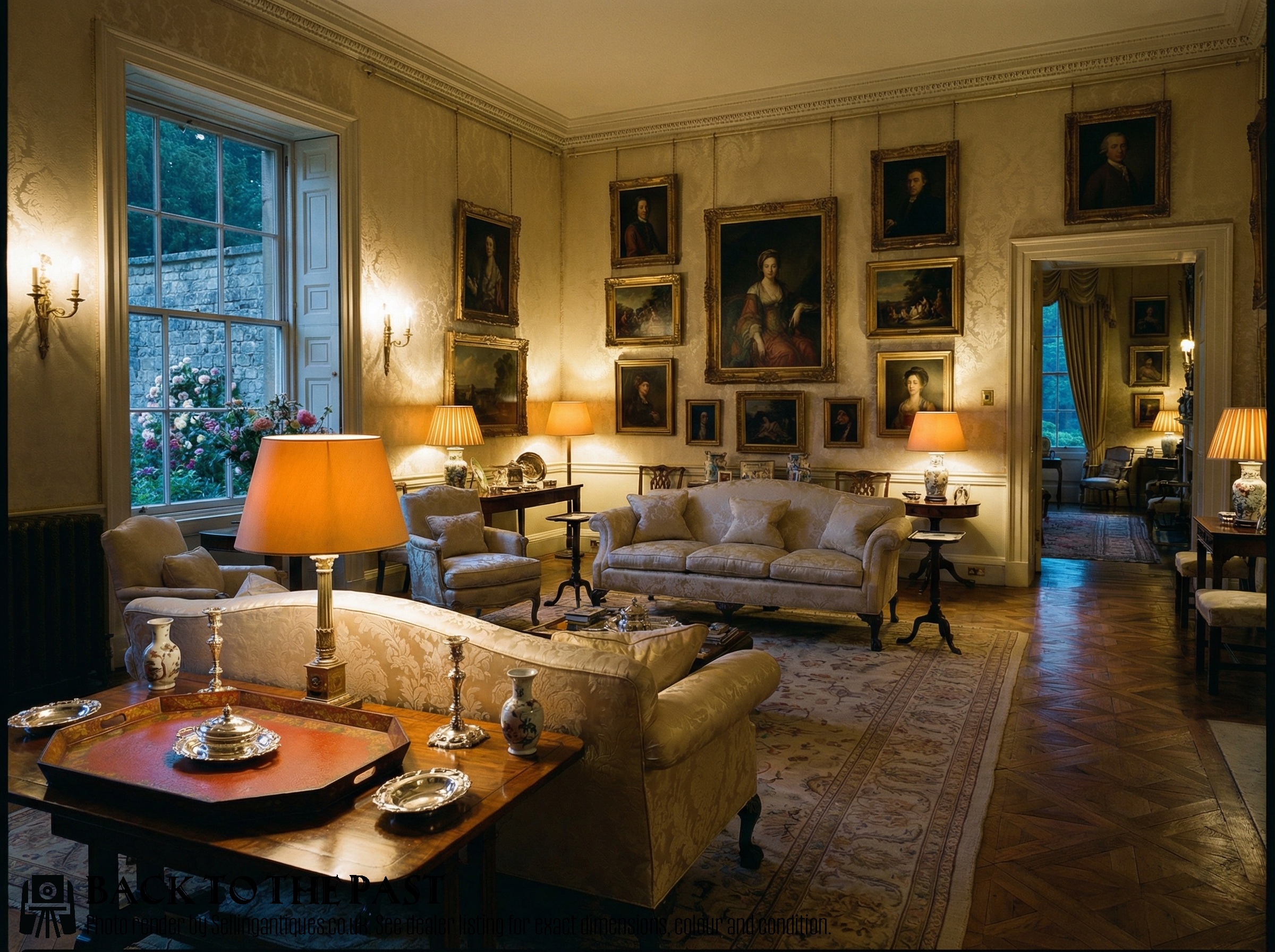
Georgian Decorative Tray
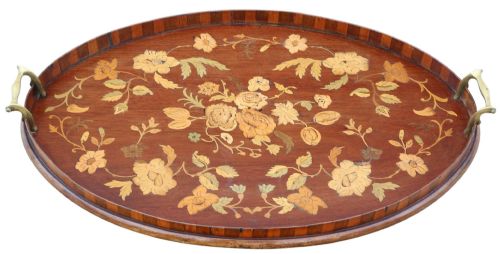
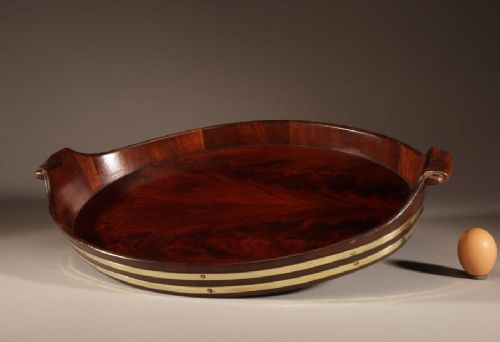
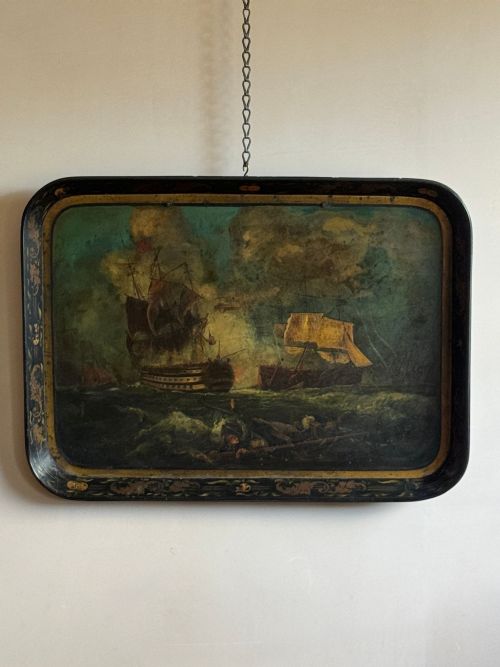
Buyers will encounter varied forms ranging from oval hanging lacquered examples to octagonal scarlet papier-mâché pieces and inlaid mahogany serving trays. These items bridge the gap between functional household objects and striking decorative works.
Materials and construction
Makers utilised sturdy woods like mahogany, teak, and satinwood, often pairing them with brass gallery rails or intricate inlay work. These wooden pieces rely on traditional coopered and joinery methods to ensure durability.
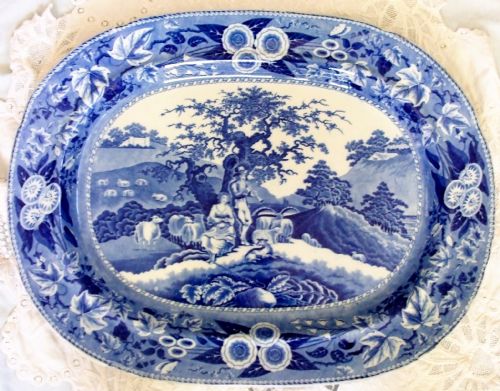
Alternative surfaces showcase papier-mâché, lacquer, gold leaf, and toleware, frequently enhanced with hand-applied paint and transfer printing. Earthenware and pewter feature prominently in the platter and charger variations.
The inventory here spans the 18th century through the early 20th century, utilising mahogany, papier-mâché, brass, pewter, and earthenware.
Judging the work
Quality rests in the crispness of the hand-painted details, the depth of the lacquer, and the precision of the wood inlay. Superior examples display careful attention to surface finish and balanced proportions.
The choice of materials also dictates standing, where finely figured mahogany or rich papier-mâché with pictorial scenes elevates an item above standard utility wares.
Don Pottery·S Duncomb·Barnard
The Georgian Decorative Tray Glossary
- Papier-mâché
- A composite material made of paper pulp or reinforced paper sheets mixed with glue, moulded and painted. It offers a smooth, lightweight surface suited for intricate decoration.
- Galleried tray
- A serving tray featuring a raised edge or rim, often pierced or fitted with brass rails. This prevents items from sliding off during service.
- Toleware
- Painted or enamelled tinplate items produced for domestic use. The technique yields colourful, durable surfaces with a distinct sheen.
- Alms dish
- A large metal basin used historically for collecting church offerings. These pieces often feature embossed designs and sturdy metal construction.
- Charger
- A large ornamental plate or platter used primarily for presentation rather than direct dining. They provide a broad surface for display.
Georgian Decorative Tray: Frequently Asked Questions
How were these trays used originally?
These trays served primarily for carrying drinks, tea services, or food across the home during formal gatherings. Many larger versions also functioned as display pieces on sideboards or tables.
Beyond domestic service, specialised platters and chargers held food for feasts, while alms dishes served ecclesiastical functions in churches.
Are these trays suitable for daily use?
Most antique papier-mâché, lacquer, and delicate inlaid wooden trays require gentle handling to preserve their historic finishes. Moisture and heat can easily damage aged painted surfaces and varnishes.
Sturdier mahogany or pewter pieces handle light service better, though many owners prefer to display them safely on walls or stands.
How do I identify the period of a tray?
Dating relies on observing the combination of materials, construction techniques, and decorative motifs present in the piece. Georgian and Regency examples often feature distinct neoclassical lines, hand-painted japanning, or specific brass hardware.
Comparing the style of transfer printing, such as blue and white pottery patterns, helps narrow down the production era.
What is japanned papier-mâché?
Japanning is a European imitation of East Asian lacquerwork, achieved by applying multiple layers of varnish and heat-curing them. Applied to papier-mâché, it created a deep, glossy dark finish.
Artisans frequently decorated these surfaces with gold leaf motifs, painted scenes, or inlaid mother-of-pearl.