
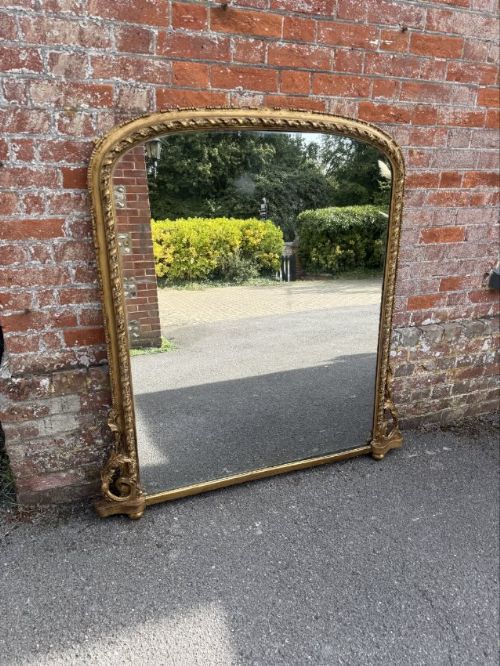
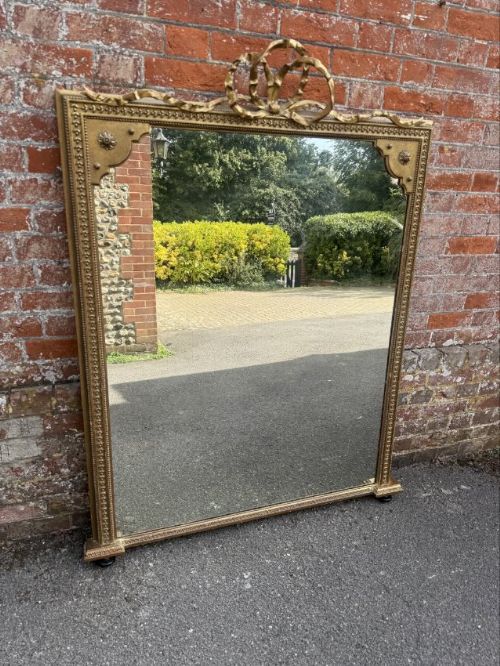
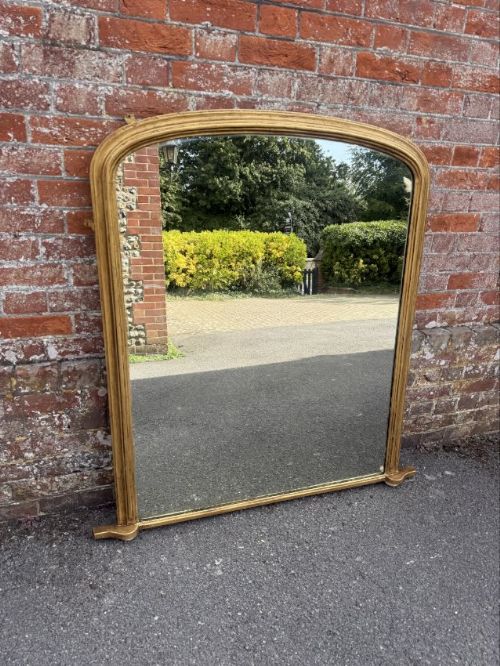
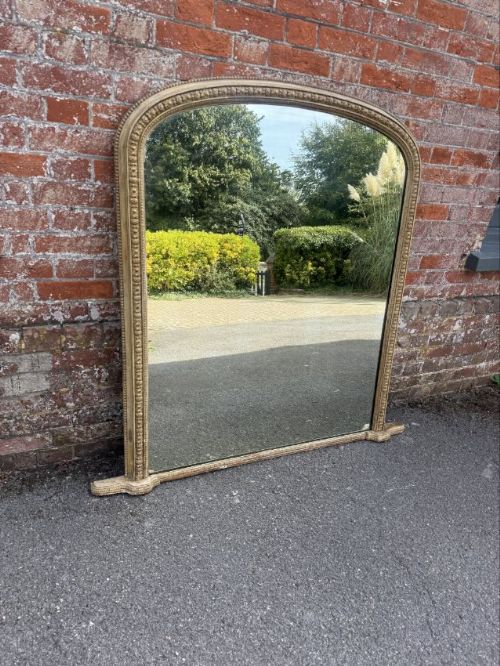

Gilt Fireplace Wall Mirror
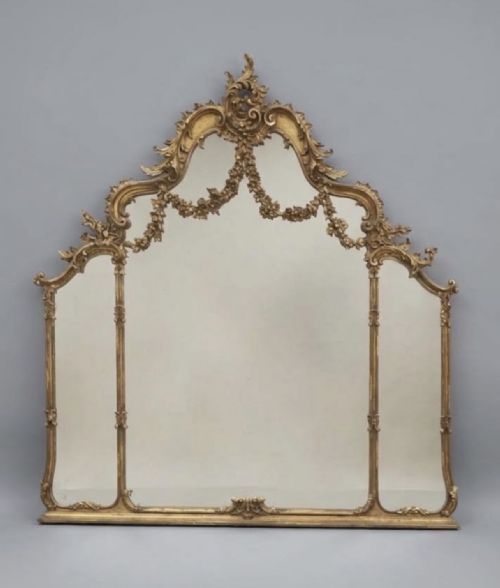
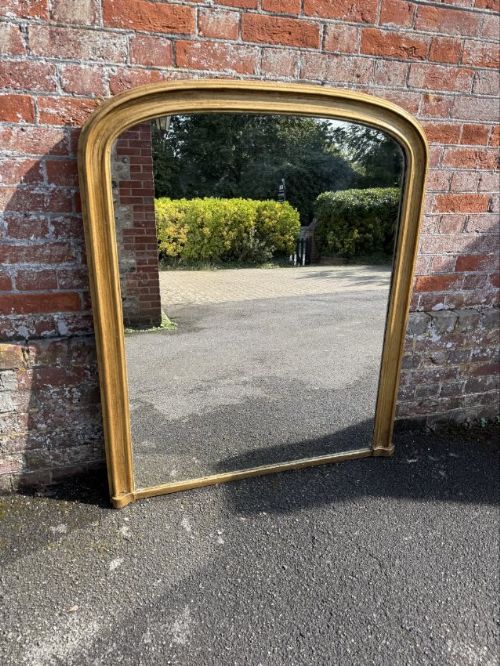
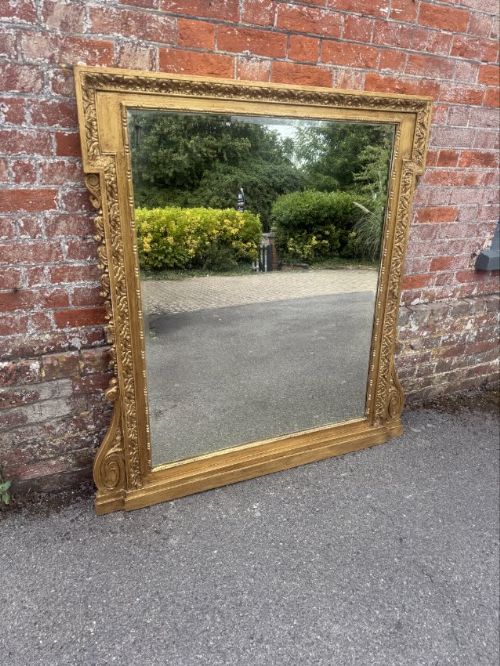
When you search for a gilt fireplace wall mirror, you are looking at substantial overmantel pieces designed to sit above a hearth and throw light across a room.
Gilt Fireplace Wall Mirror
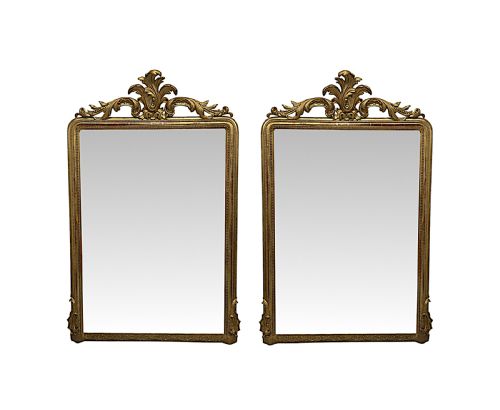
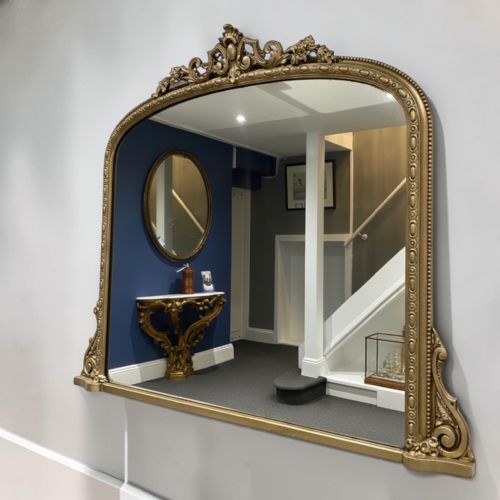
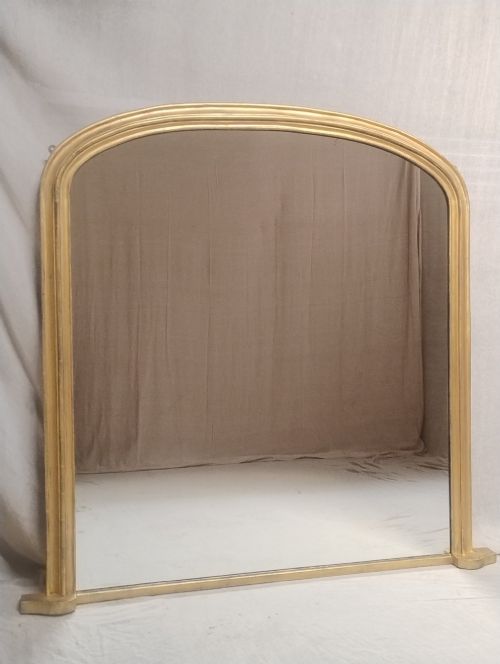
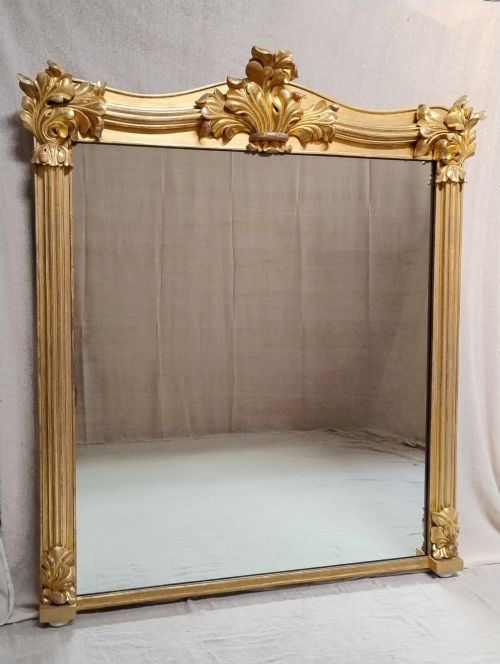
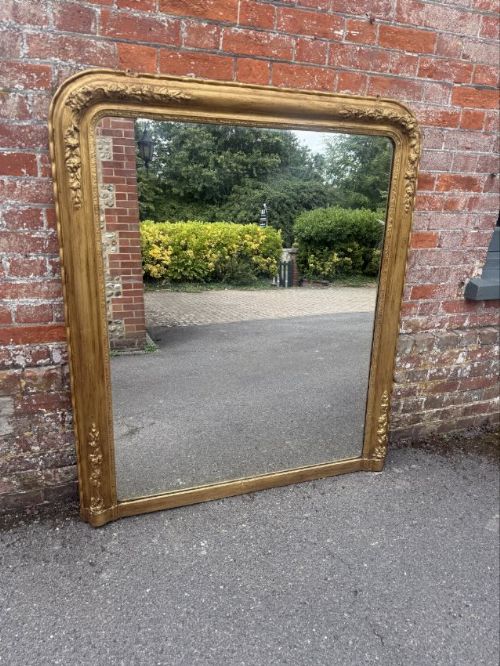
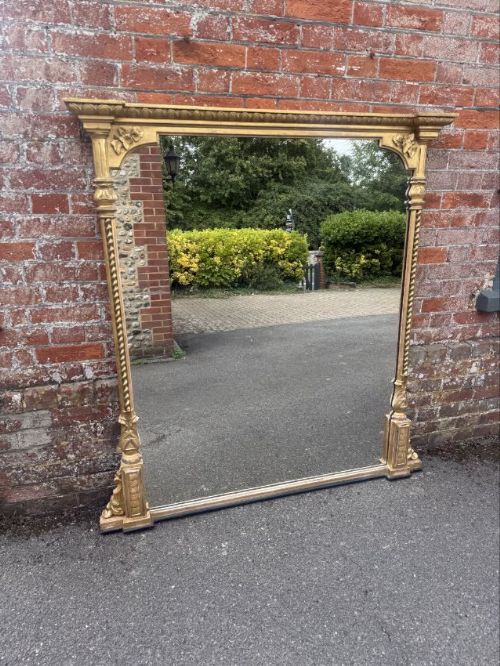
A gilt fireplace wall mirror is primarily found as a large overmantel mirror designed to rest upon a mantelpiece or hang directly above a chimney breast. These furnishings span periods from the Regency era through the Victorian period, with nineteenth-century examples dominating the selection.
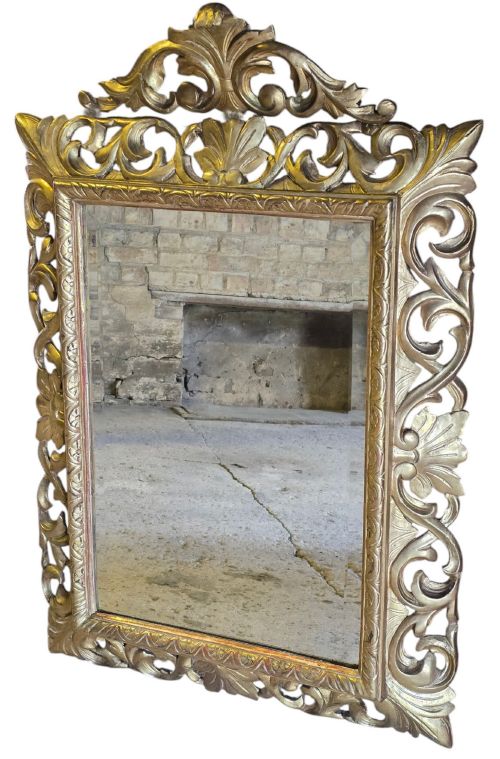
The dominant forms include arched top designs, rectangular frames with ornate cresting, and triple plate configurations. English and French workshops produced these pieces in substantial proportions to dominate the wall space above a fireplace.
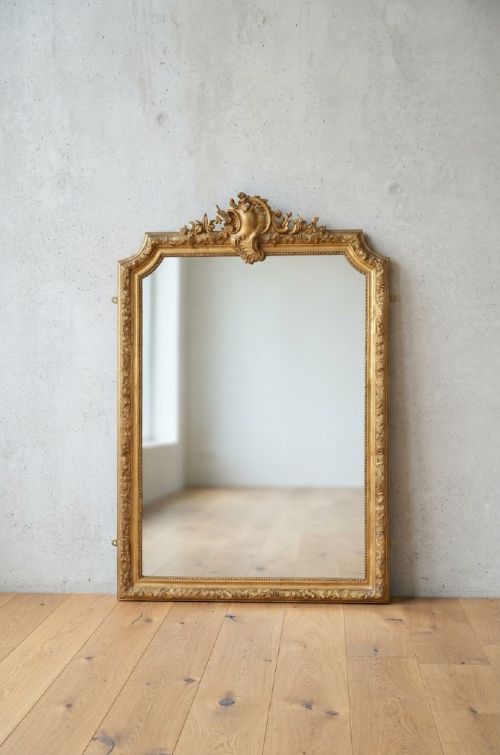
Makers utilised various regional aesthetics, ranging from Florentine and Rococo Revival styles to Chinese Chippendale and French Chateau influences. These objects served the dual purpose of architectural decoration and practical light reflection in period reception rooms.
How They Were Made
Carved wood and gesso form the structural base for the majority of these frames, providing a stable foundation for intricate surface ornamentation. Artisans applied thin layers of gold leaf or giltwood over the gesso ground to achieve a brilliant metallic finish.
Mirror glass plates were set into the frames, sometimes showing original foxing from age, and secured at the rear. Secondary materials such as composition ornamentation were frequently moulded and applied to timber frames to expedite the creation of repetitive decorative motifs.
Some frames incorporate hidden rope twist and tulip carvings, proving that nineteenth-century carvers enjoyed sneaking botany into the sitting room.
What Varies in Quality
The depth and crispness of the carved wooden details separate standard production frames from finer examples. Hand-carved elements display a fluidity and precision that moulded composition ornament simply cannot replicate.
The integrity of the original gilding and the condition of the mirror plate itself dictate the overall caliber of the piece. Surviving gold leaf surfaces that retain their original warmth without heavy modern intervention command greater appreciation among collectors.
The Gilt Fireplace Wall Mirror Glossary
- Gesso
- A plaster-like mixture applied to wood frames to create a smooth surface for gilding. This material is built up in layers before being carved or stamped with decorative patterns.
- Overmantel
- A large mirror or piece of artwork specifically proportioned to hang on the wall or sit on the shelf directly above a fireplace mantel. They are traditionally wider than they are tall, or scaled in grand vertical dimensions.
- Giltwood
- Timber that has been coated with gold leaf or gold paint. It provides the luxurious metallic appearance characteristic of formal nineteenth-century interior decoration.
- Foxing
- Age-related spots and browning that develop within the silvering of antique mirror glass. This chemical oxidation creates a speckled, cloudy appearance valued by historical purists.
- Rococo Revival
- A nineteenth-century design style characterised by asymmetrical scrolls, C-curves, and naturalistic shell or floral motifs. It draws inspiration from the eighteenth-century French Rococo movement.
Gilt Fireplace Wall Mirror: Frequently Asked Questions
Where should I hang a gilt fireplace wall mirror?
These pieces are traditionally proportioned to sit directly on a mantelpiece shelf or be mounted to the wall immediately above a fireplace. Their original architectural purpose was to anchor the chimney breast and reflect light from the hearth.
In modern interiors, they function equally well above low sideboards or console tables where their horizontal or arched proportions can replicate the grounding effect of a traditional fireplace.
How do I identify a Victorian overmantel mirror?
Victorian examples often feature heavy carved wood and gesso frames with arched or shaped tops, frequently incorporating rope twist, column, or classical architectural details. They tend to be substantial in scale to suit the generous ceiling heights of nineteenth-century properties.
Examining the construction methods at the back of the frame, including the type of wood and fixings used, helps confirm the mid-to-late nineteenth-century timeline.
What is the difference between an overmantel and a wall mirror?
While an overmantel is technically a type of wall mirror, it is specifically designed and scaled to occupy the specific architectural space above a fireplace. Standard wall mirrors are generally proportioned for general wall hanging across various rooms.
Overmantels frequently feature lower weight-bearing surfaces or specific bracket placements intended to rest securely upon a mantel shelf.
Can these mirrors be supported by a mantel shelf?
Many nineteenth-century overmantel mirrors were designed with the intention of resting directly on the mantelpiece while being anchored to the wall for safety. The weight of the carved wood and gesso frame requires secure wall fixings even when the base rests on a sturdy shelf.
It is essential to check the weight of the specific piece and ensure proper wall anchors are utilised during installation.