


Gilt Edge Porcelain Plates
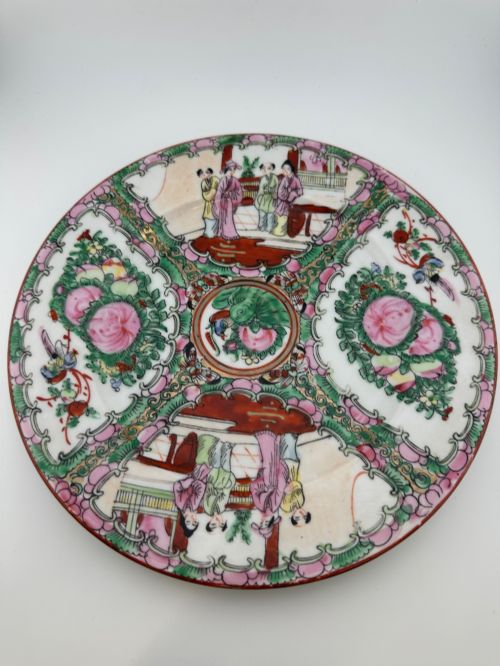
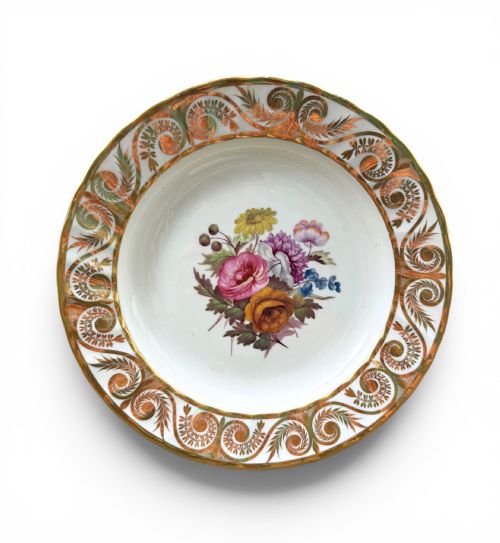
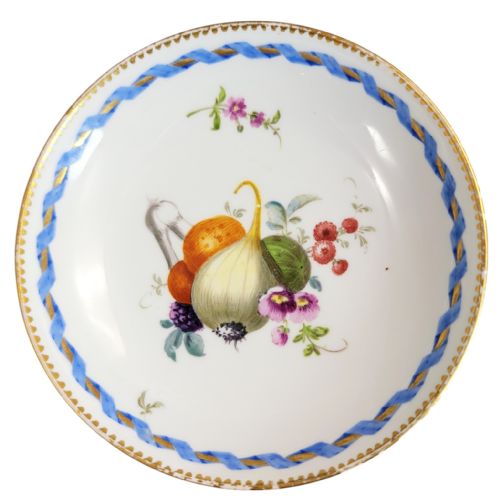
These gilt edge porcelain plates bring hand-painted floral scenes, armorial crests and gleaming metallic borders straight to the dining table or display cabinet.
Gilt Edge Porcelain Plates
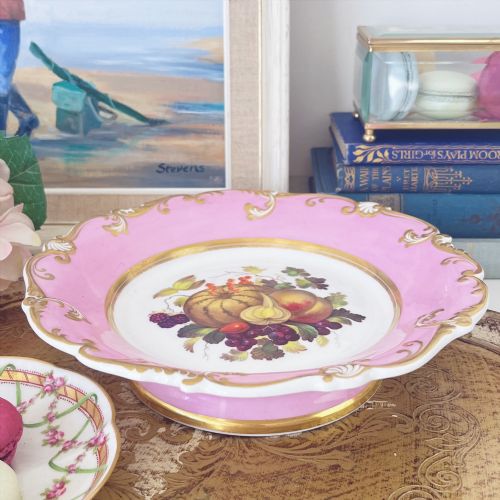
When searching for gilt edge porcelain plates, collectors encounter an array of forms spanning the eighteenth, nineteenth and twentieth centuries, including dessert plates, cabinet plates and large decorative chargers. English and continental factories produced these pieces for formal dining, dessert courses and display, utilising shapes such as scalloped edges, rope borders and footed comports.
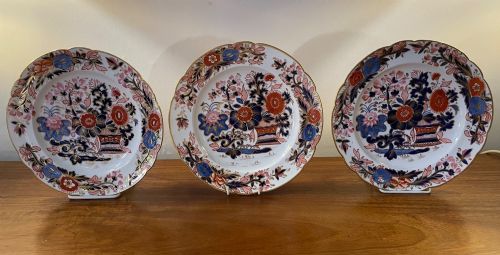
The selection ranges from early English porcelains by factories like Worcester, Derby and Coalport to continental porcelain works from Meissen, Sevres and Vienna, alongside Japanese export wares in the Imari palette. Most examples date from the nineteenth century, though eighteenth-century soft paste specimens and twentieth-century cabinet dishes appear frequently.
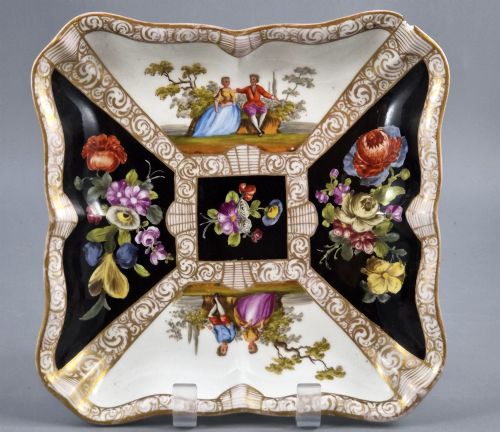
Domestic English dessert services sit alongside heavily decorated cabinet plates meant solely for visual appreciation in drawing rooms. Forms vary from simple round plates to square dishes and deep soup plates, each unified by metallic gilding along the rim.
How they were made
Potters shaped these objects using hard-paste porcelain, soft-paste porcelain, bone china, ironstone and earthenware, often applying white glazes before hand-painting botanical subjects, birds and classical figures in enamel colours. Artisans then added gold leaf or liquid gilding to the borders, firing the pieces multiple times to bond the metallic edge and enamel pigments to the ceramic body.
Techniques such as pate-sur-pate allowed makers to build up raised white reliefs on coloured grounds before gilding the rims. Specialised decorators painted fine fruit, armorials and Watteau scenes by hand, sometimes signing the reverse or surface with factory marks.
Materials recorded across the selection include hard-paste porcelain, soft-paste porcelain, bone china, ironstone, earthenware, enamel, gold leaf and gilding.
What varies in quality
The standard of painting determines much of the distinction, separating factory work painted by known artists from simpler commercial output. Crispness in the hand-painted enamels, precision in the gold leaf application and the finesse of moulded details like ozier borders or scalloped edges define the upper tier.
The clarity of the porcelain body and the complexity of the ground colour - whether pink, yellow or black - influence the visual weight of the piece. Better examples display balanced composition in central motifs and minimal rubbing to the gilt edge.
H and R Daniel·Meissen·Derby·Copeland·Sevres·Chantilly·Mason·Royal Worcester·Chelsea-Derby·Ridgway·Coalport·Chamberlain Worcester·Flight Barr and Barr·Vienna·Crescent China·Mintons·Royal Doulton
The Gilt Edge Porcelain Plates Glossary
- Cabinet plate
- A decorative ceramic plate intended for display in a cabinet rather than for serving food. These pieces usually feature elaborate hand-painted scenes and heavy gilding.
- Soft paste
- An early type of porcelain fired at lower temperatures, composed of clay and glass frit. It produces a warm, creamy body common in eighteenth-century French and English wares.
- Imari palette
- A decorative style inspired by Japanese export porcelain, utilising iron red, underglaze blue and abundant gold. British factories frequently imitated this palette during the Georgian and Victorian periods.
- Comport
- A raised dish or pedestal bowl used for serving fruit or dessert courses. They often match dessert plate services from the nineteenth century.
- Pate-sur-pate
- A ceramic technique where wet porcelain slip is built up in layers on a contrasting background to create a low relief cameo effect. This method requires great skill from the decorator.
Gilt Edge Porcelain Plates: Frequently Asked Questions
Can I use these plates for dining?
Most antique porcelain plates with gilt edges are best reserved for display or light dessert service rather than heavy daily dining. The metallic gilding and hand-painted enamels can wear down with frequent use in modern dishwashers.
Gentle hand washing preserves the enamel colours and the integrity of the gold leaf borders for future generations.
How do I identify the period of a plate?
Makers' marks stamped, painted or impressed on the reverse provide the most reliable clue to a plate's age and origin. Stylistic indicators such as Neoclassical motifs, Victorian floral reserves or Edwardian colour palettes also help narrow down the decade.
Comparing the paste weight, glaze texture and border style against documented factory patterns confirms the manufacturing era.
What is the difference between a cabinet plate and a charger?
Cabinet plates are typically smaller dishes intended for visual display in a cabinet, often featuring intricate hand-painted artwork by named artists. Chargers are much larger decorative plates or platters.
Chargers were historically used beneath other courses or stood upright on sideboards as focal decorative elements.
Why is some gilding worn on old plates?
Centuries of gentle cleaning, handling and stacking cause the thin layer of gold leaf or liquid gold along the rim to wear thin. This natural rubbing is common on antique pieces that were actually used in nineteenth-century dining rooms.
Minimal wear often confirms the age and authenticity of an antique service.