


White Ceramic Dessert Plates
White ceramic dessert plates encompass service pieces and cabinet items designed for sweet courses, spanning eighteenth-century porcelain to Edwardian services.
White Ceramic Dessert Plates
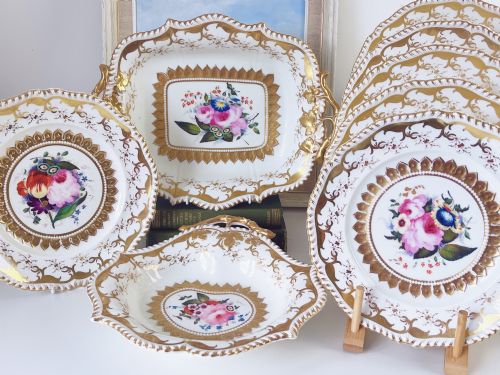
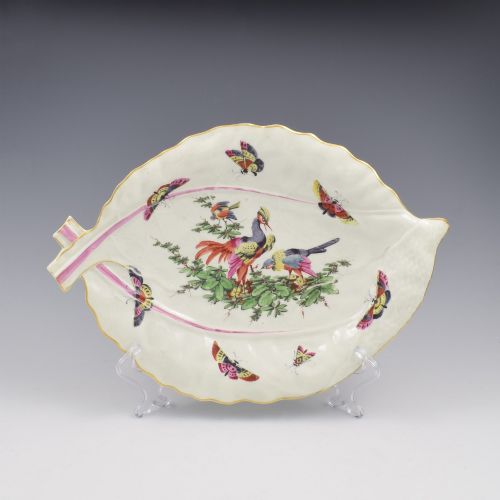
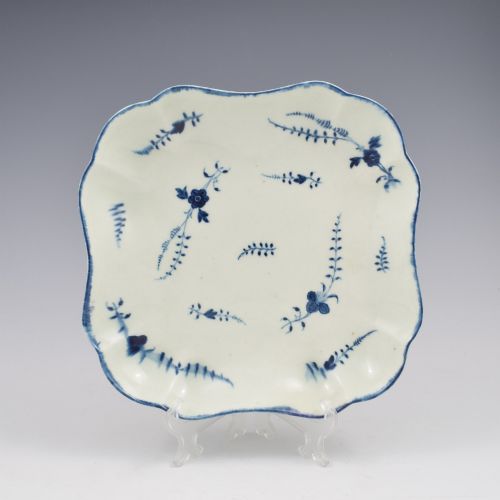
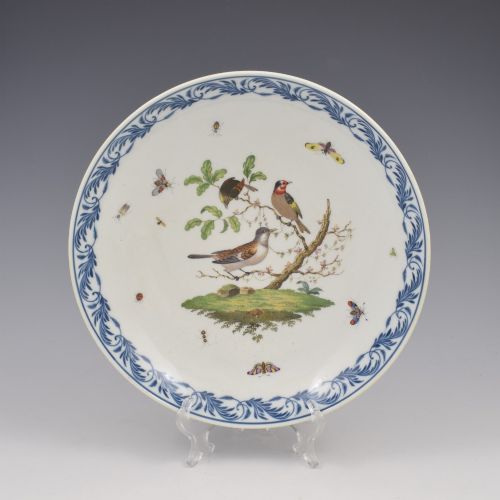
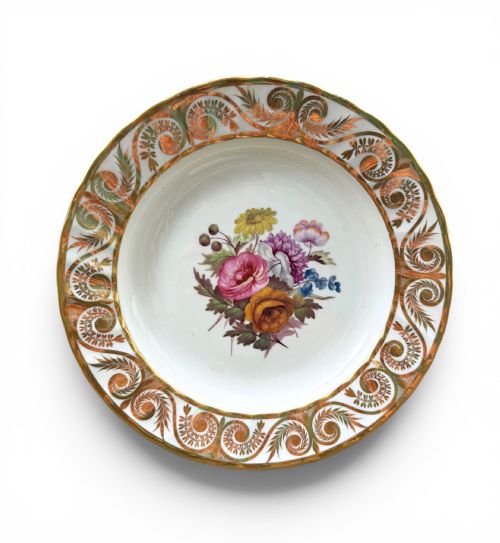
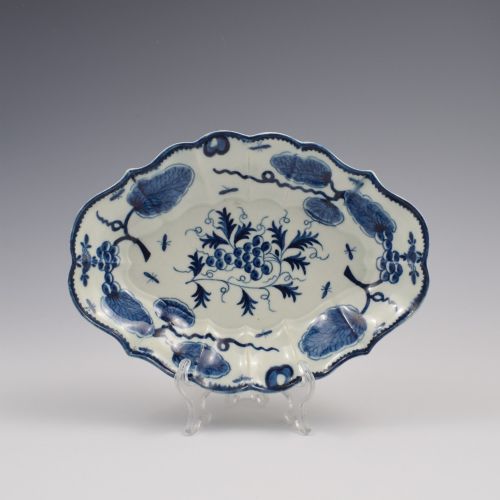
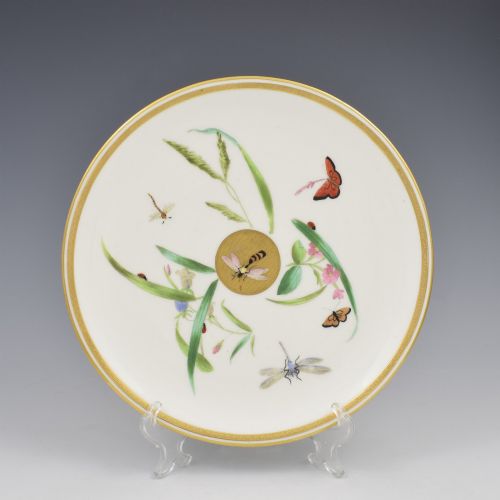
White ceramic dessert plates appear across eighteenth-century, nineteenth-century, Victorian, and Edwardian periods, often taking the form of individual plates, square dishes, leaf dishes, and complete dessert services. Buyers searching for white ceramic dessert plates encounter forms ranging from simple basketweave plates to elaborate cabinet plates painted with birds, flowers, and topographical scenes.
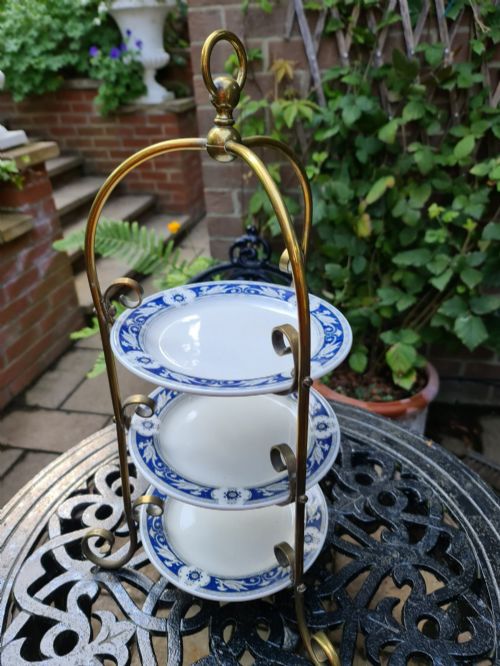
The pieces on this page represent significant factories and manufacturers, including Worcester, Meissen, Derby, Minton, and Wedgwood. Many items survive from larger services, while others function as single decorative dishes or cake stands intended for display and formal dining.
Materials and Manufacture
Makers utilised soft-paste porcelain, hard-paste porcelain, and ironstone china, applying translucent glazes to create bright white surfaces that supported handpainted enamels and gold leaf accents. Firing processes varied from early eighteenth-century factory techniques to nineteenth-century industrial methods.
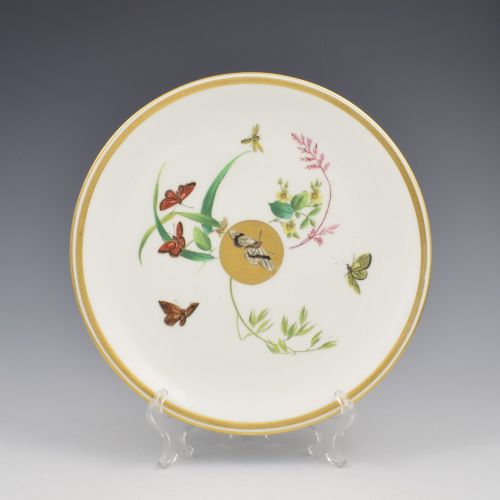
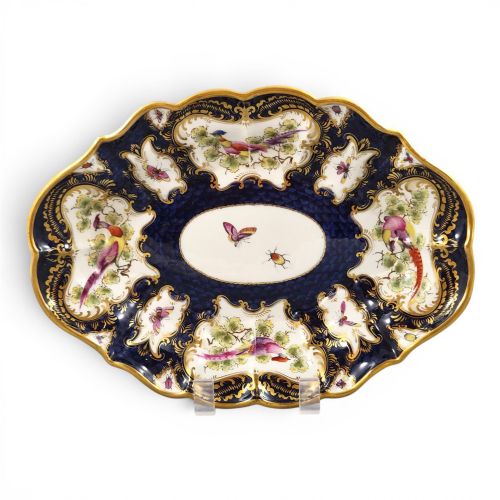
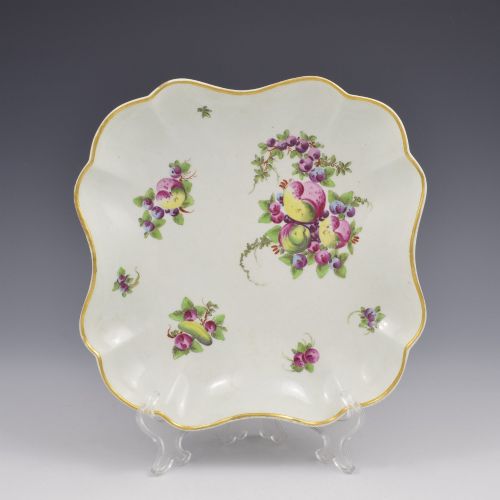
Decoration relied on skilled handpainting for floral sprays, ornithological subjects, and topographical views such as Binstead Cottage, complemented by moulded borders like the ozier pattern or basketweave relief.
Early Worcester painters occasionally hid tiny painted insects among floral sprays to distract the eye from minor firing imperfections in the glaze.
Assessing Quality
Quality rests upon the crispness of porcelain moulding, the refinement of the glaze, and the artistic merit of the handpainting. Pieces featuring detailed botanical studies, botanical specimens, or signed work by named painters command higher regard than standard factory output.
Preservation of gilding and enamel integrity defines the upper tier of pieces. Items retaining bright gilt sun motifs, complex borders, and unblemished surfaces demonstrate superior original craftsmanship and careful handling over the centuries.
Grainger Lee And Co·Flight Barr And Barr·Royal Crown Derby·Rockingham Pottery·Mason's Patent Ironstone·James Giles
The White Ceramic Dessert Plates Glossary
- Soft-paste porcelain
- A glassy ceramic material fired at lower temperatures than hard-paste porcelain, creating a creamy white body common in eighteenth-century French and English wares.
- Ozier border
- A moulded wickerwork or basketry pattern used to decorate the edges of porcelain plates and dishes.
- Gilt
- A thin layer of gold applied to the surface of ceramic pieces as leaf or liquid paint to highlight rims and decorative motifs.
- Enamel
- Opaque vitreous coloured paints fused to the ceramic surface during a secondary low-temperature kiln firing.
- Hard-paste porcelain
- A true porcelain composed of kaolin and petuntse fired at high temperatures, resulting in a durable, bright white vitreous body.
White Ceramic Dessert Plates: Frequently Asked Questions
How do I date an old porcelain plate?
Dating relies upon identifying factory marks stamped, painted, or impressed on the underside, alongside stylistic indicators like paste composition and border moulding.
Changes in porcelain body formulas and decorator signatures help narrow the production period to specific decades.
Were these plates used for everyday dining?
Most antique dessert plates were reserved for formal dining courses, dessert services, or display in cabinets rather than daily domestic use.
Their delicate glazes, handpainted enamels, and gold leaf decoration made them unsuitable for heavy daily wear.
Can I use antique plates for serving food?
While structurally sound, antique ceramic plates often feature soft lead glazes or delicate overglaze enamels that can be compromised by modern dishwashers or acidic foods.
Hand washing in warm water without harsh detergents preserves the painted surfaces and gilt details.
What is the difference between soft-paste and hard-paste?
Soft-paste porcelain contains glass frits and clays fired at lower temperatures, producing a warmer white tone and a softer glaze that accepts enamels deeply.
Hard-paste porcelain contains true china clay fired at extreme heat, yielding a colder, harder, and more vitreous body.