






Gilt Ebonised Pedestal
A gilt ebonised pedestal brings striking dark contrast and metallic warmth to a room, serving as an elevated stage for sculpture or plants.
Gilt Ebonised Pedestal
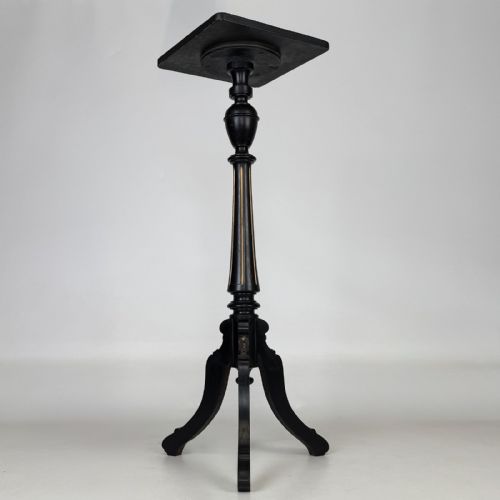
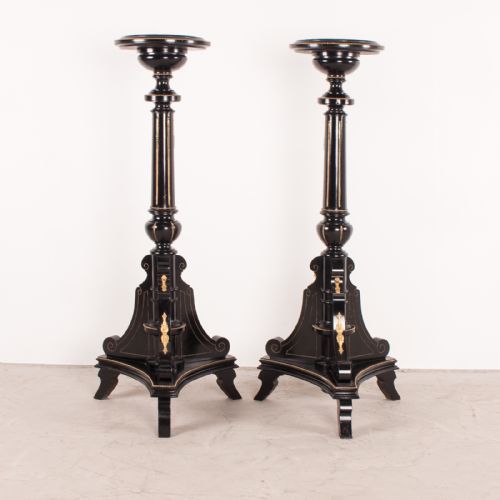
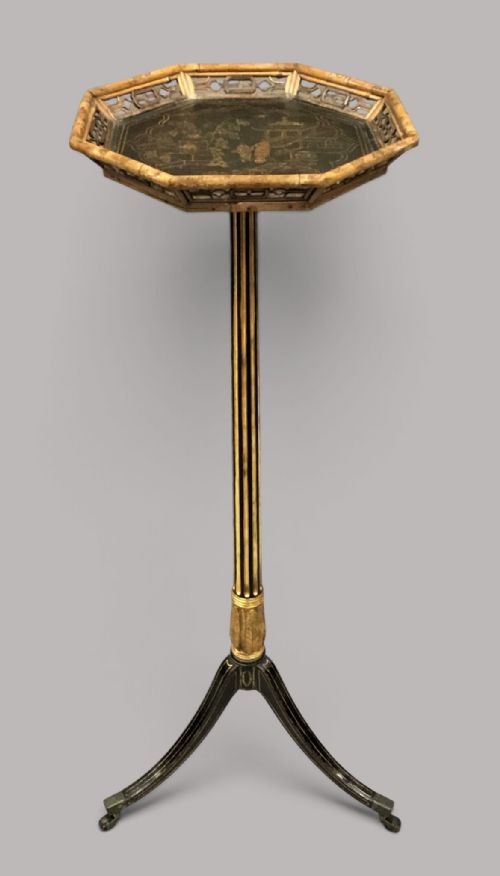
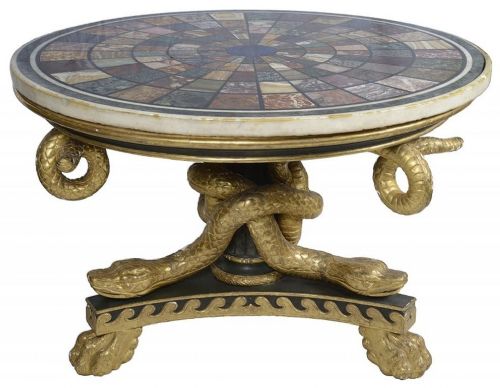
A gilt ebonised pedestal is a classical support structure finished with a dense dark surface and highlighted with metallic gilding. These pieces appear across the nineteenth century, including Victorian interpretations and Aesthetic Movement designs.
The selections on this page range from tall plant stands and torcheres to sturdy display columns. Many pieces incorporate tripod bases or classical proportions suited to holding decorative objects.
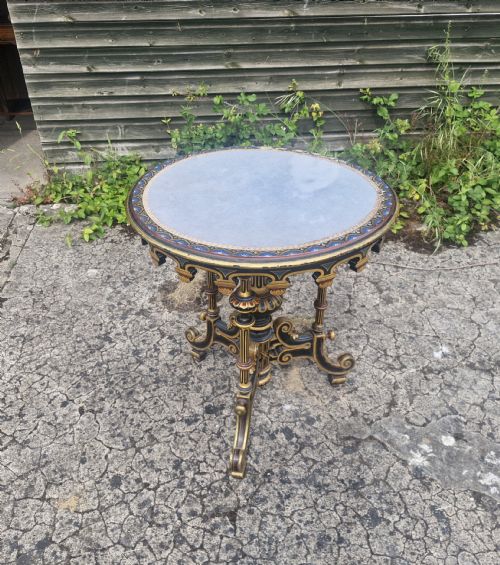
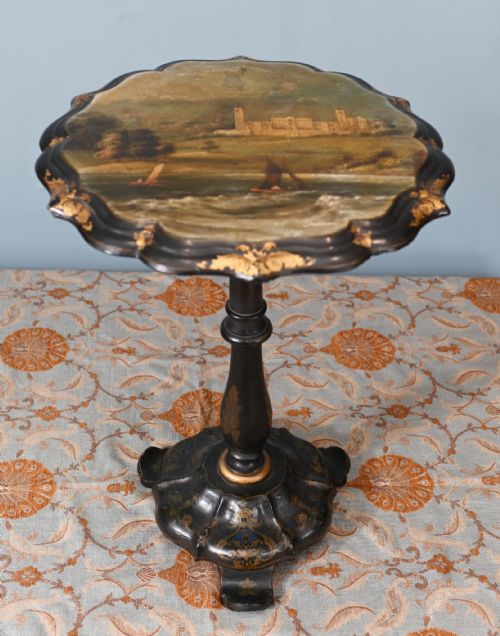
Origins span English cabinet making to French influences, drawing on periods such as the Regency and Victorian eras. Buyers encounter varied forms, from simple round tops to heavily decorated architectural columns.
Materials and construction
Carved timber forms the core of these pieces, treated with ebonisation to mimic the deep, dark appearance of ebony wood. Artisans then applied gilt highlights or ormolu mounts to accentuate architectural mouldings and turnings.
Surfaces frequently feature painted decoration, lacquer work, or marble inserts. Cabinet makers utilised these contrasting finishes to create the visual drama characteristic of the nineteenth century.
Gilt Ebonised Pedestal Retail Price Guide 2026
Typical asking prices for gilt ebonised pedestal among the pieces listed under this phrase on Sellingantiques today, from the lower quarter to the upper quarter. They describe what is for sale here now, not the wider market.
Listings feature pieces spanning from the eighteenth century through to the 1930s, encompassing Victorian, Regency, and Aesthetic Movement styles.
Factors of quality
The refinement of the carving and the crispness of the gilt work separate standard production from finer cabinet making. Superior pieces display carefully proportioned columns and secure joinery that supports weight without instability.
The depth and uniformity of the ebonised finish indicate the amount of hand-finishing involved. Quality also rests in the preservation of the original gilding and the integrity of any inset marble tops.
Gillow & Co.
The Gilt Ebonised Pedestal Glossary
- Ebonised wood
- Timber stained or painted to resemble genuine ebony. This dark finish became popular during the nineteenth century for furniture requiring a dramatic, uniform ground.
- Gilt
- A thin layer of gold or gold-like material applied to surfaces. It catches ambient light and defines the carved details of the pedestal.
- Ormolu
- Gilded bronze mounts cast in decorative patterns. These metal elements adorn the timber structure to add richness and texture.
- Torchere
- A tall, slender stand designed to hold a light source or decorative object. They share common ground with pedestals in their vertical emphasis.
- Tripod base
- A three-legged support structure providing balance on uneven floors. This configuration appears frequently on smaller stands and plant holders.
Gilt Ebonised Pedestal: Frequently Asked Questions
What goes on a pedestal?
These tall stands suit heavy items that benefit from elevation, such as bronze sculptures, large urns, or potted plants. Placing an object on top draws the eye upward and makes use of vertical space in a room.
Heavier marble or gilt surfaces provide a stable platform for display. Collectors often match the period of the object on top to the style of the stand below.
Where should I place one?
Corners and empty wall spaces benefit most from a tall, narrow support structure. They fill vertical voids without taking up excessive floor area in a hallway or drawing room.
Keep these pieces away from direct heat sources and strong sunlight to protect the dark ebonised finish and delicate gilt highlights from fading or cracking over time.
How do I clean ebonised wood?
Dust the surface regularly with a soft, dry cloth to prevent dirt accumulation. Avoid harsh chemical cleaners or excess moisture, which can damage the dark stain and the metallic gilding.
Applying a suitable wax occasionally helps maintain the sheen of the timber. Treat gilded areas with particular care to avoid rubbing away the metallic leaf.
Are these pieces stable?
Most designs feature wide tripod bases or heavy weighted feet to ensure steadiness despite their height. However, heavy top-heavy objects require careful centring to maintain balance.
Positioning the stand on a flat, even surface prevents wobbling. Avoid placing them in high-traffic areas where accidental bumps might knock over tall displays.