
Gilt Decorative Vase
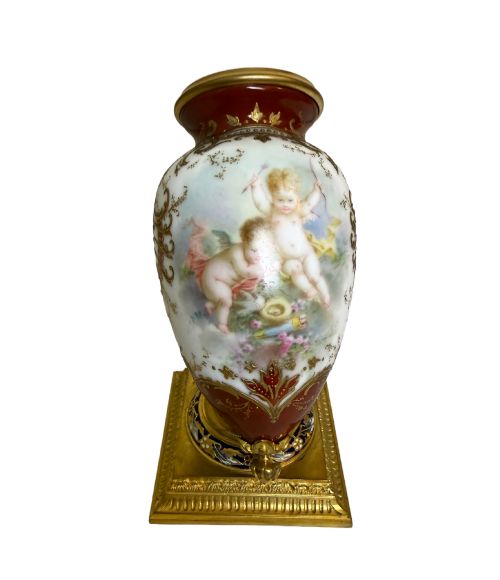
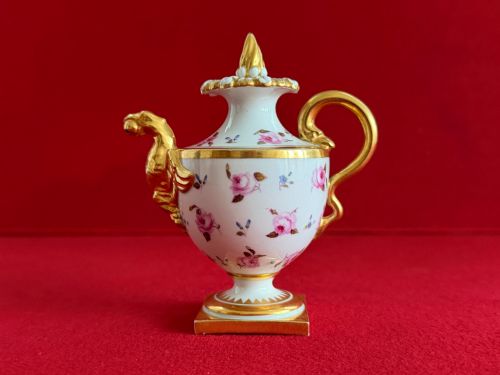
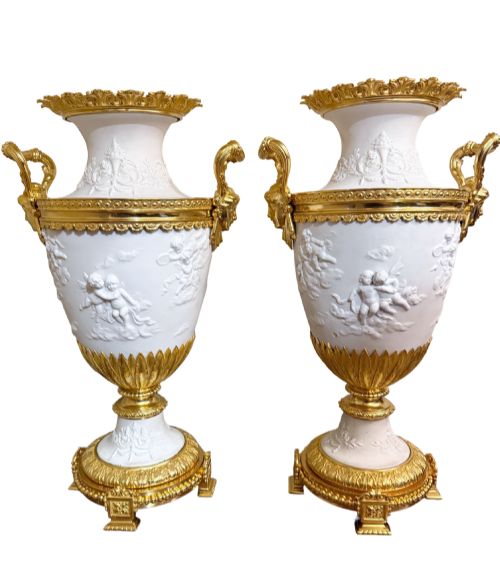
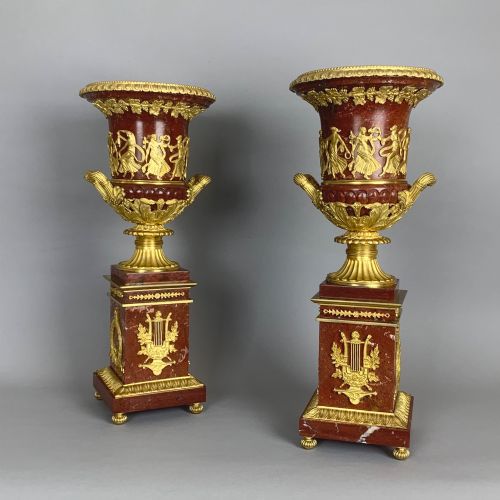
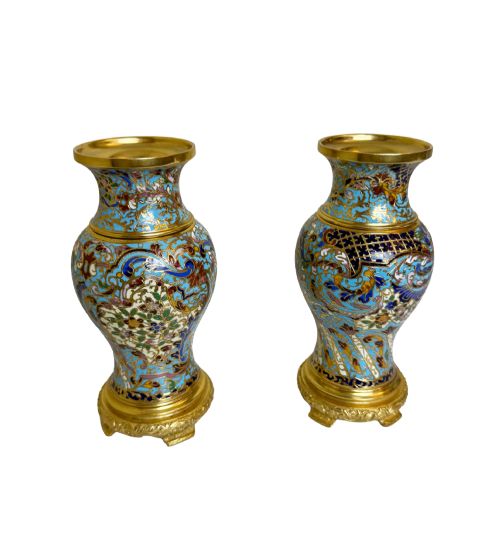
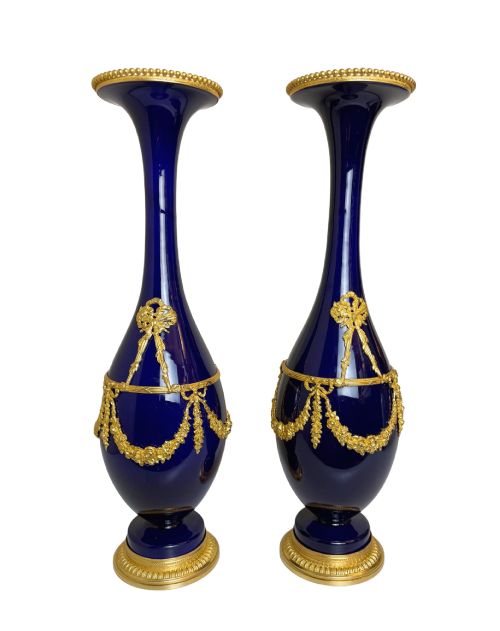
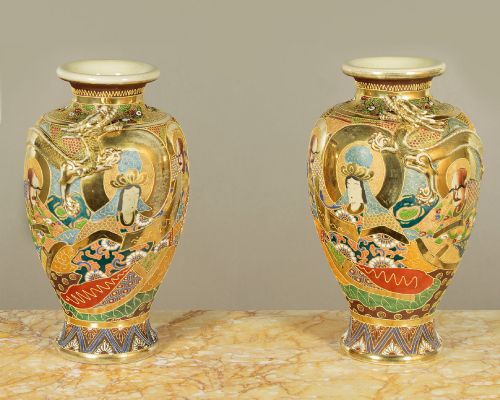
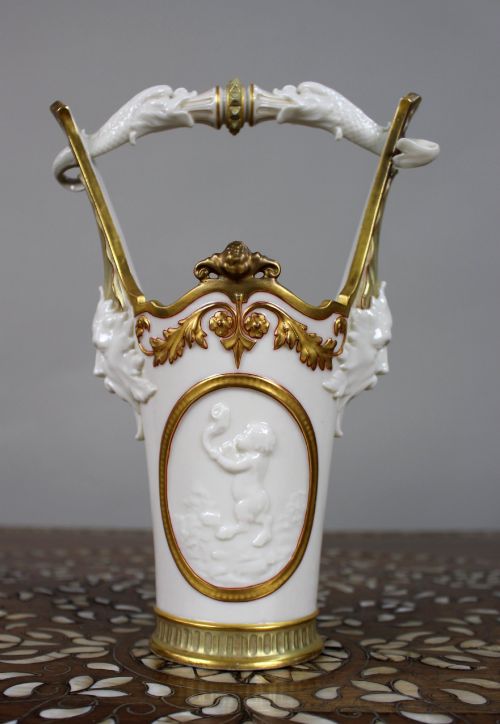
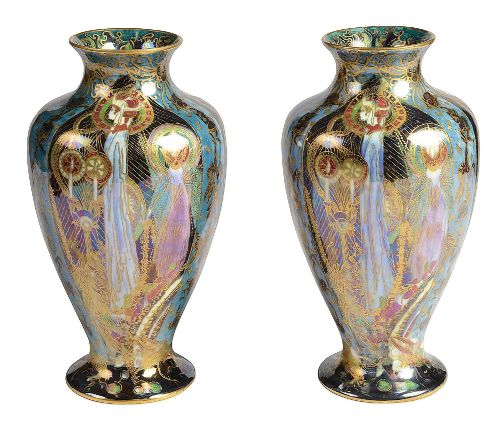
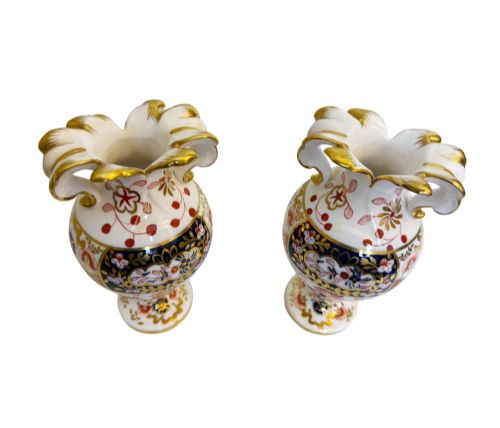
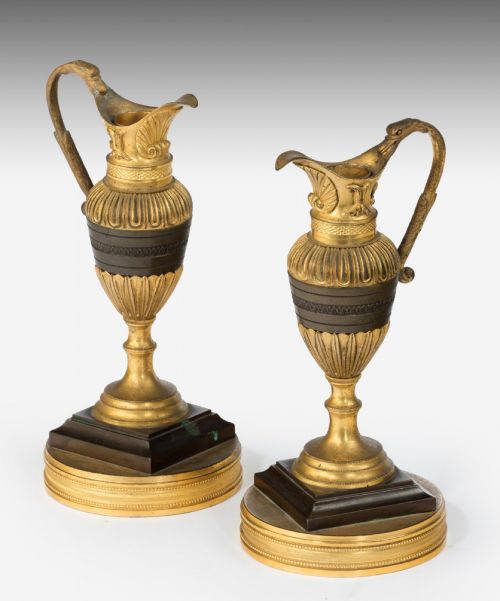
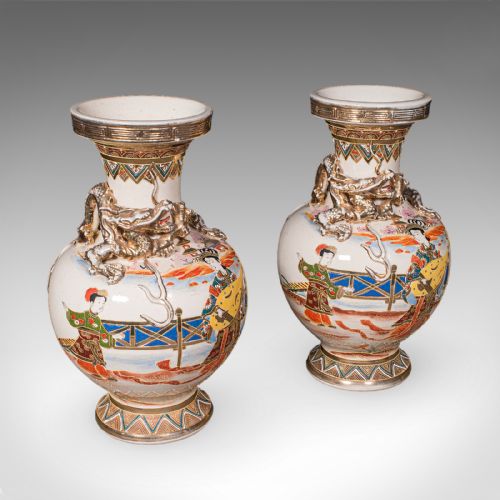
These gilt decorative vase examples combine rich metallic surfaces with ceramic or glass bodies, offering a striking focal point for any interior scheme.
Gilt Decorative Vase
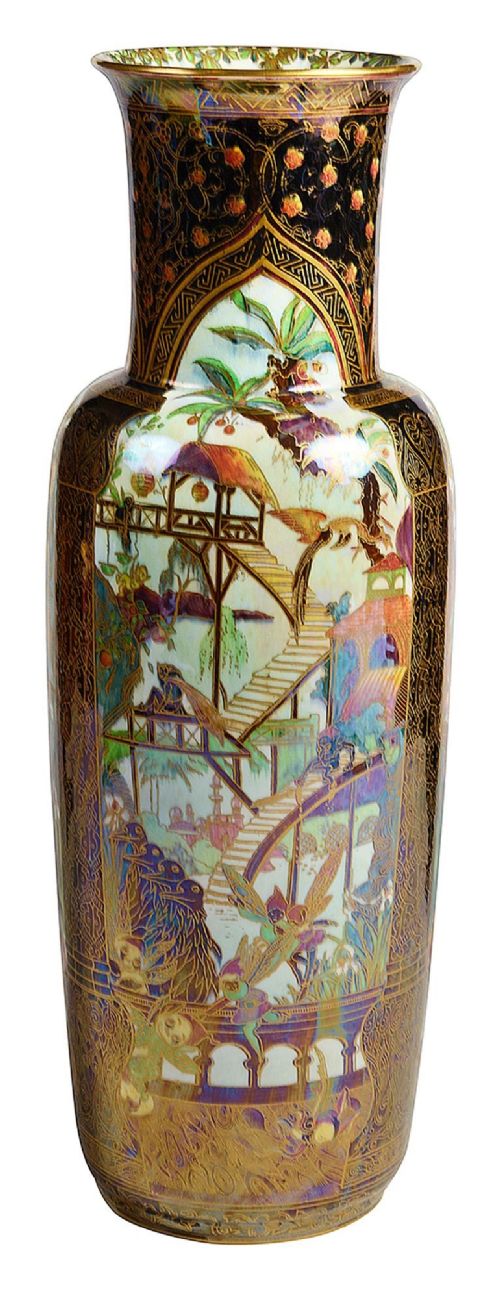
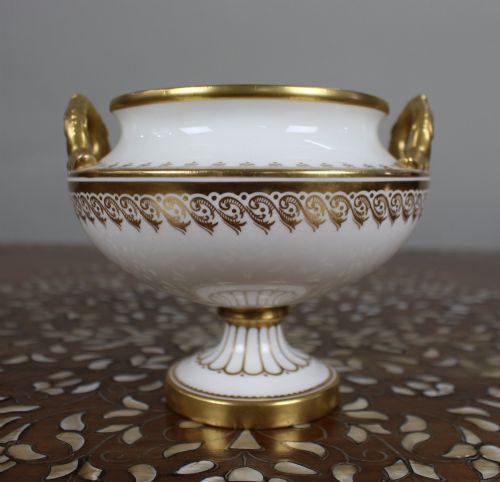
A gilt decorative vase brings together polished metal mounts and painted ceramic, glass, or stone bodies. You will frequently encounter nineteenth-century porcelain and bronze pieces on this page, alongside earthenware and glass forms.
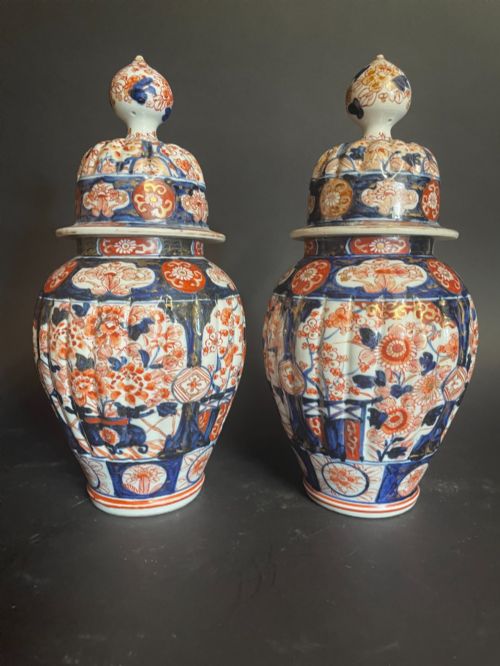
The selection ranges from classical urns and campana shapes to Japanese ceramic balusters and lidded jars. Makers applied gilding, gold leaf, and ormolu to highlight handles, rims, and bases across various revival styles.
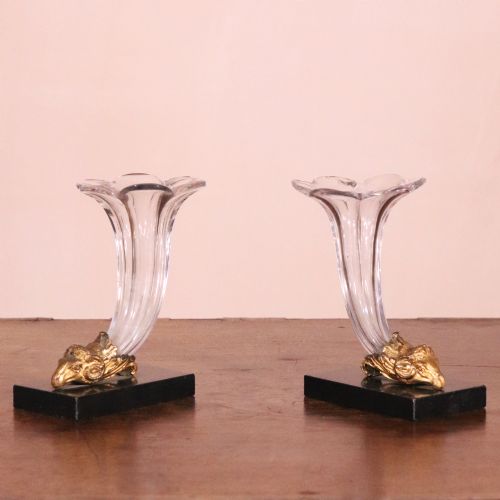
Makers shaped these items for display rather than utility, drawing on Regency, Neoclassical, and Rococo traditions. Many pieces arrive in matched pairs, designed to anchor a mantelpiece or console table.
How they were made
Craftsmen shaped porcelain, earthenware, and glass bodies on wheels or in moulds before applying hand-painted enamels and intricate transfer designs. Artisans then fitted these vessels with cast bronze, brass, or ormolu mounts secured by pins and screws.
Gilding techniques involved applying gold leaf or liquid gold mixtures to ceramic surfaces, or using mercury gilding on bronze mounts to achieve a lasting metallic sheen. Workers chased the metal details by hand to create crisp contrasts between matte and polished areas.
The listings span the eighteenth through the twentieth centuries, featuring porcelain, earthenware, and glass alongside gilt bronze.
What varies in quality
Quality rests on the crispness of the bronze casting and the precision of the hand-painted details on the ceramic body. Superior examples display deeply chased metal mounts and finely executed enamel work without blurring.
The weight of the piece and the integration between the metal trim and the ceramic vessel indicate the maker's skill. Finer items maintain balanced proportions and secure fits where different materials meet.
Flight Barr and Barr·Royal Worcester·Thomas Webb·Helena Wolfsohn·Coalport
The Gilt Decorative Vase Glossary
- Ormolu
- A gilded bronze technique used extensively for nineteenth-century mounts and decorative trims. It provides a bright golden finish that resists tarnishing.
- Champlevé
- An enamelling technique where troughs are dug into a metal surface and filled with vitreous enamel before firing. This creates intricate coloured patterns flush with the metal.
- Campana
- A vase shape resembling an inverted bell with flared rims and looped handles. Originating in antiquity, it became popular during the Regency and Victorian periods.
- Baluster
- A vase form with a rounded body that tapers towards a narrow neck and base. This balanced silhouette appears frequently in ceramic and porcelain pieces.
Gilt Decorative Vase: Frequently Asked Questions
Were these vases meant for flowers?
Most of these pieces served as decorative display items rather than functional vessels for water and stems. The inclusion of delicate gilt bronze mounts and intricate enamel work meant owners prized them as ornamental objects.
Some historical examples, such as rose water sprinklers, had specific ceremonial functions. Using modern floral foam or water inside antique ceramics can risk damaging porous bodies and interior glazes.
How can I tell the period?
Examine the base marks, glaze colours, and the style of the metal mounts to determine the era. Nineteenth-century pieces often feature specific factory stamps, registration numbers, or hand-painted pattern codes.
The weight and colour of the ormolu or gilt bronze also offer clues, as casting techniques shifted between the Regency and late Victorian eras.
Can I convert one into a lamp?
Conversion was a common practice during the twentieth century, and several antique vessels arrived on the market already fitted for electricity. Professional conversion usually involves running a cord through a drilled base or using custom brass fittings that avoid damaging the ceramic body.
Collectors generally prefer pieces that retain their original uncompromised state without drilled holes or altered mounts.