

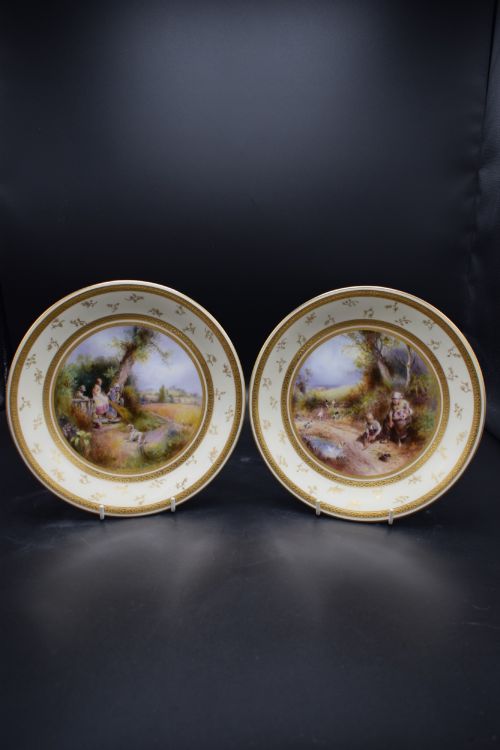
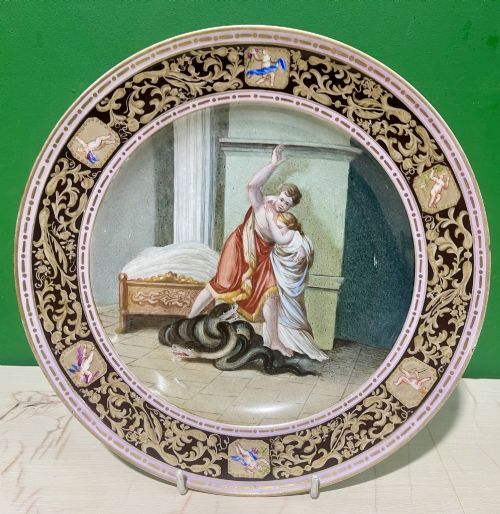

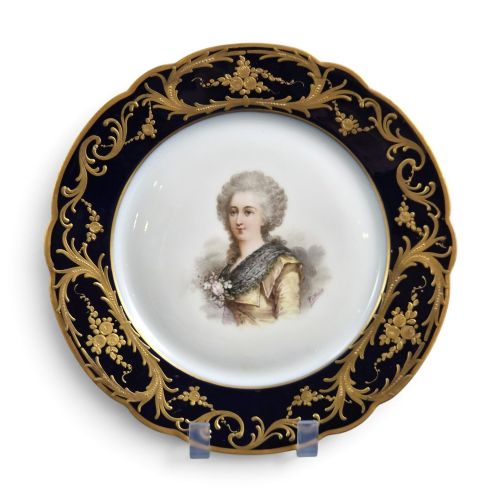
Gilt Decorative Cabinet Plate
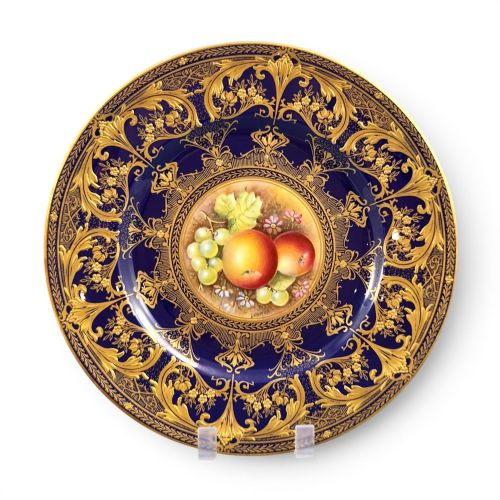
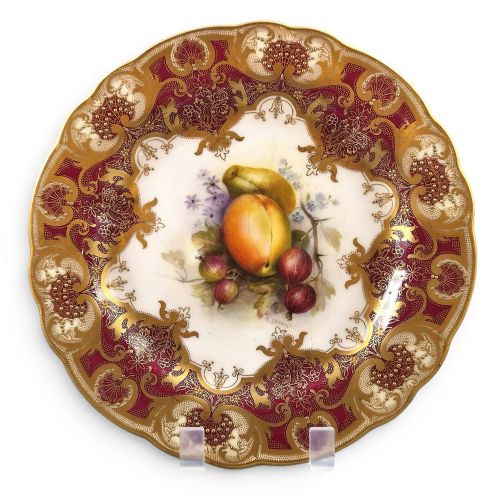
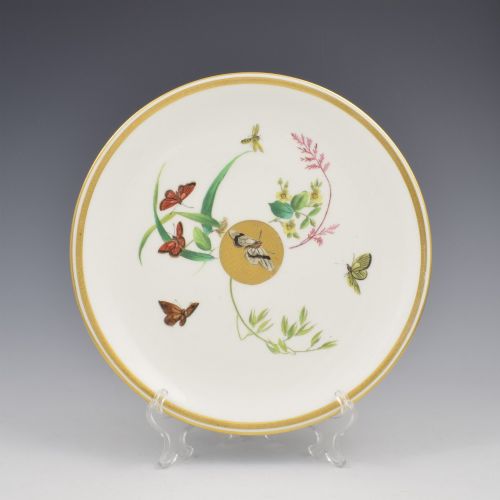
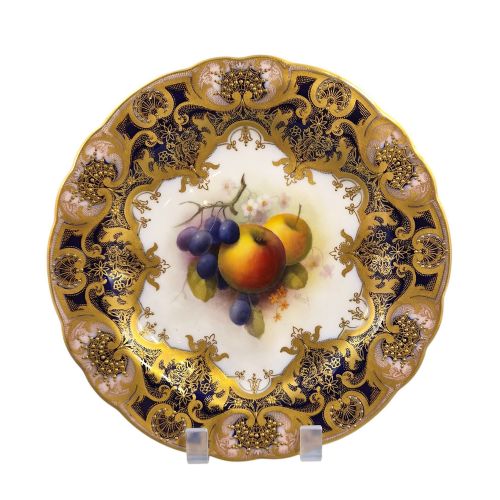
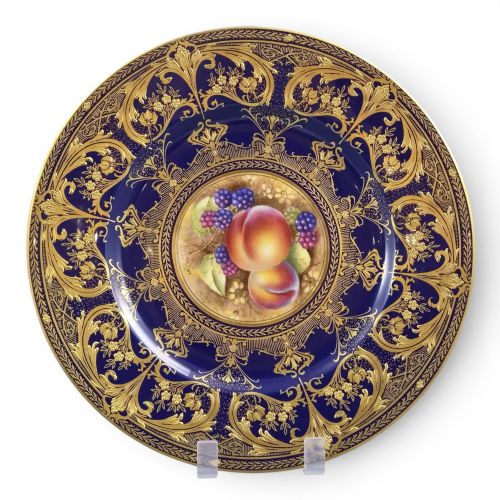
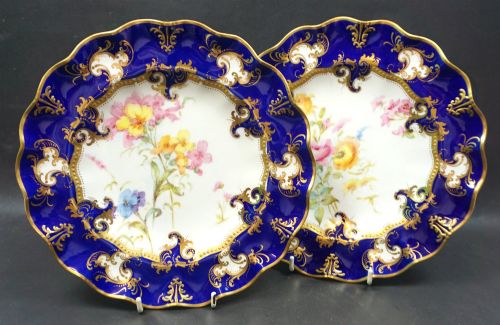
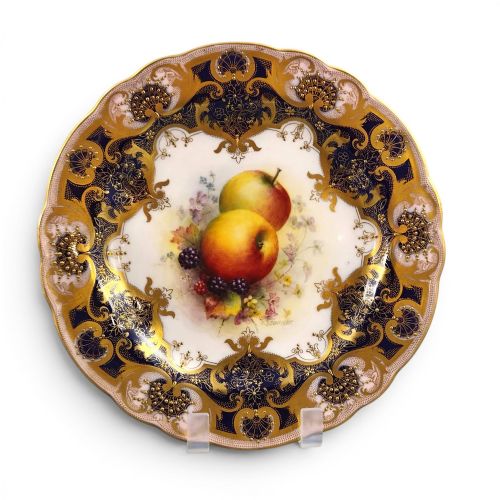
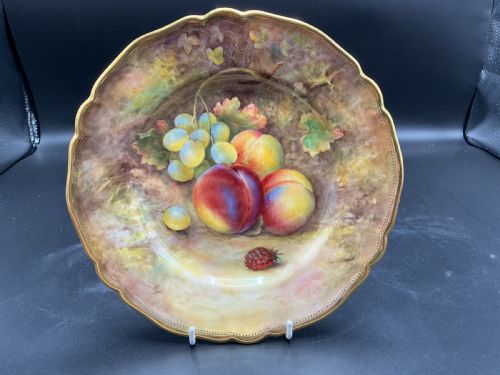
When you search for a gilt decorative cabinet plate, you are looking at porcelain and ironstone dishes adorned with gold leaf for display rather than dining.
Gilt Decorative Cabinet Plate
A gilt decorative cabinet plate is a ceramic display piece created to be shown on a wall or dresser rather than used at the table. The selections here span the nineteenth and twentieth centuries, incorporating Victorian, Edwardian, and Neoclassical revival aesthetics.
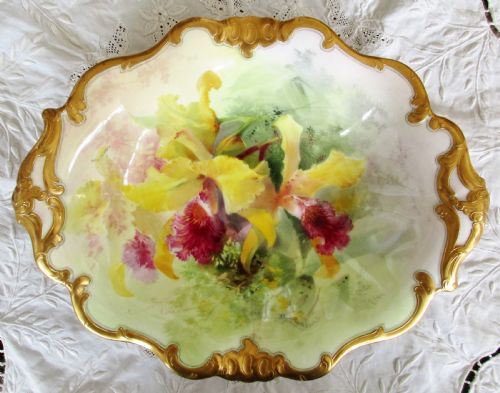
Most examples you encounter on this page originate from English and European potteries, taking the form of cabinet plates, chargers, and dishes. These objects often display hand-painted portraits, botanical studies, or topographical scenes framed by gilt borders.
How They Were Made
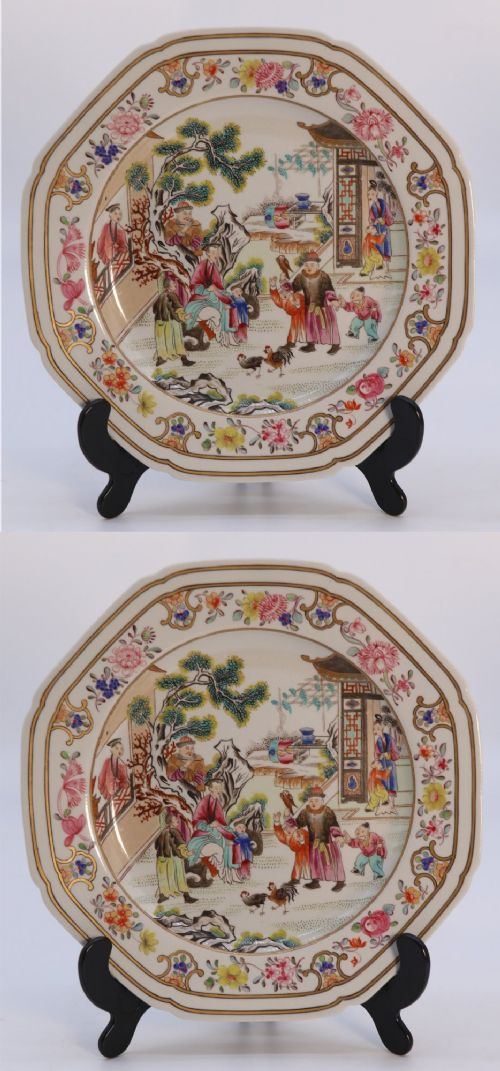
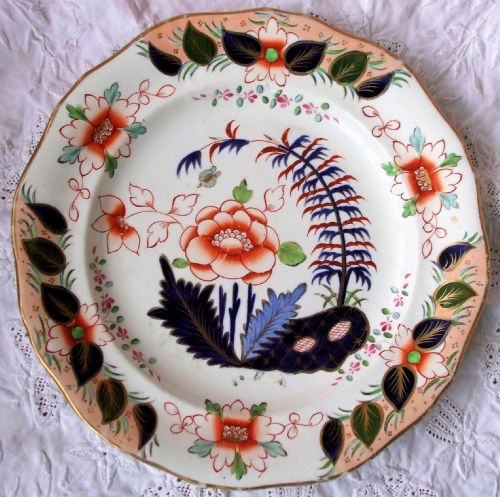
The foundation of these pieces rests on hard-paste porcelain, bone china, or ironstone, shaped into plates, dishes, and large chargers. Makers then applied underglaze colours, enamels, and detailed hand-painting depicting figures, flowers, or exotic birds.
Gilt ornamentation was achieved through the application of gold leaf or liquid gilding, sometimes tooled or burnished to catch the light against cobalt blue or white grounds.
Gilt Decorative Cabinet Plate Retail Price Guide 2026
Typical asking prices for gilt decorative cabinet plate among the pieces listed under this phrase on Sellingantiques today, from the lower quarter to the upper quarter. They describe what is for sale here now, not the wider market.
Several plates depict historical figures taking quiet moments, presumably ignoring the fact they are trapped on a wall in someone's drawing room.
What Varies in Quality
The division between standard factory output and the finest examples lies in the skill of the hand-painting and the execution of the gilding. Signed artist work, intricate hand-tooled gold, and detailed pictorial subjects elevate a piece above transfer-printed equivalents.
The crispness of the porcelain moulding, the depth of the enamel colours, and the historical importance of the decorating studio also define the upper tier of these objects.
Royal Crown Derby·Royal Worcester·Royal Doulton·John Davenport of Longport·Darte Brothers·Pucher Deroche·Barr Flight and Barr·C.J. Mason·Meissen·Coalport
The Gilt Decorative Cabinet Plate Glossary
- Cabinet Plate
- A decorative ceramic plate intended for display in a cabinet or on a wall rather than for practical dining use. These often feature elaborate painted scenes and gilt borders.
- Charger
- A large ornamental plate or dish used primarily as a base setting or displayed centrally on a sideboard. In this collection, they frequently measure significantly larger than standard plates.
- Gilding
- The application of gold leaf or gold powder to the surface of ceramic objects. It provides the metallic lustre characteristic of these decorative items.
- Ironstone
- A dense, durable type of heavy earthenware patented in the nineteenth century. It offered a robust alternative to porcelain while accepting enamel and gilt decoration.
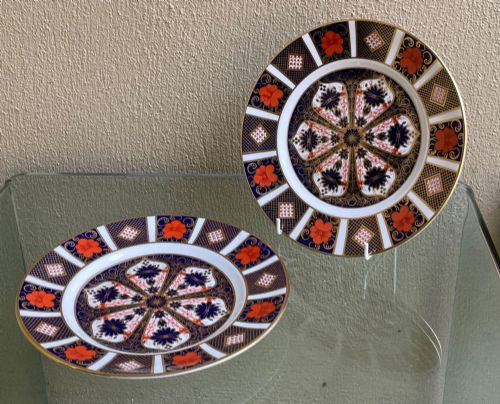
- Imari
- A decorative pattern style inspired by Japanese export wares, typically utilising a palette of iron red, cobalt blue, and abundant gilt detailing.
Gilt Decorative Cabinet Plate: Frequently Asked Questions
How were cabinet plates displayed?
These plates were typically shown in glass-fronted display cabinets, mounted on walls using specialised wire hangers, or stood upon mantelpieces and sideboards.
Their primary function was ornamental, allowing households to exhibit wealth, artistic taste, and fashionable interior styles.
Can I use these plates for food?
Cabinet plates are intended purely for decorative display and should not be used for serving food or everyday dining.
The delicate enamels, hand-painted pigments, and fragile gold leaf can be easily damaged by cutlery, acidic foods, or modern dishwashing.
What is the difference between porcelain and ironstone?
Porcelain is a vitrified, translucent ceramic fired at high temperatures, offering a fine and delicate appearance often associated with high-status cabinet pieces.
Ironstone is a heavy, opaque earthenware designed for greater durability while still providing a smooth surface for hand-painted motifs and gilding.
How do I identify the period of a plate?
Dating relies heavily upon maker marks stamped or painted on the underside, alongside the stylistic clues of the painting and the framing aesthetics.
Victorian and Edwardian pieces often display specific factory ciphers or artist signatures that anchor their production to a particular decade.