
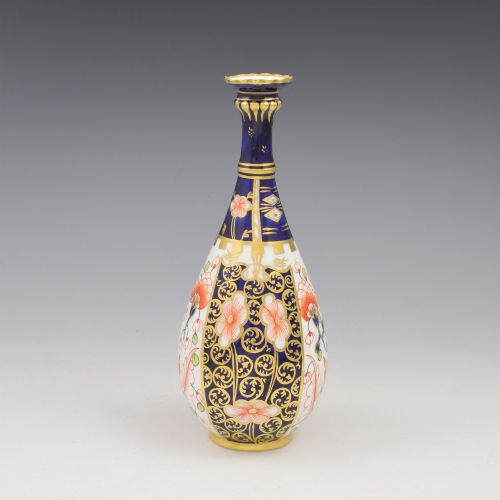
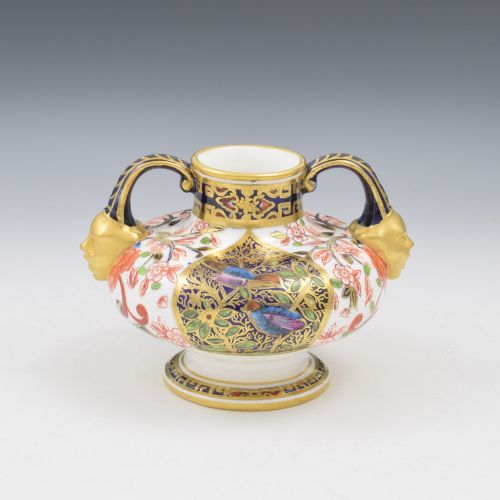
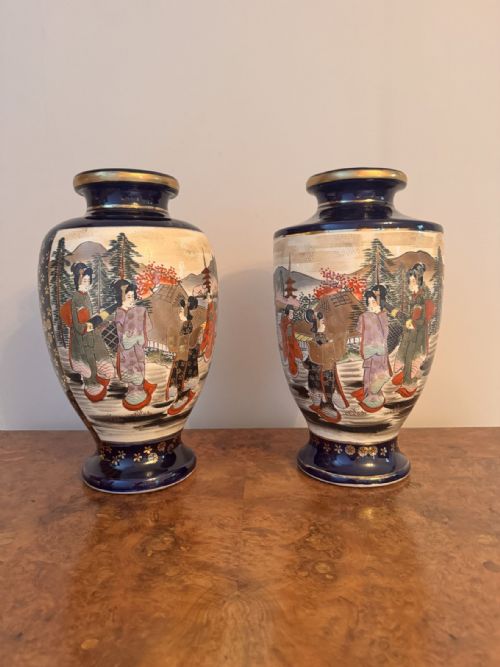
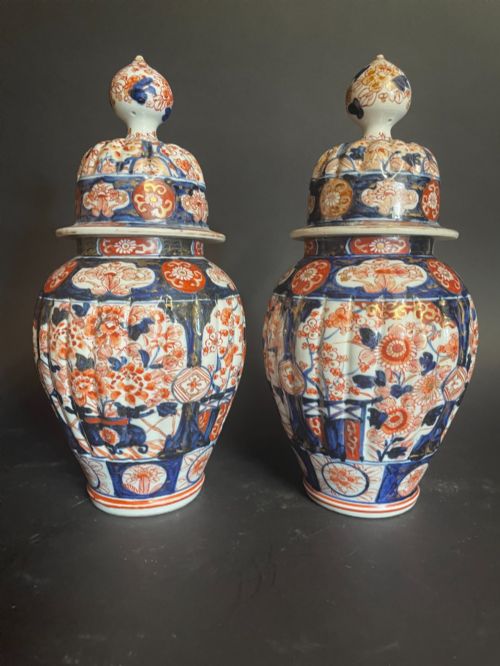




Gilt Cobalt Vase
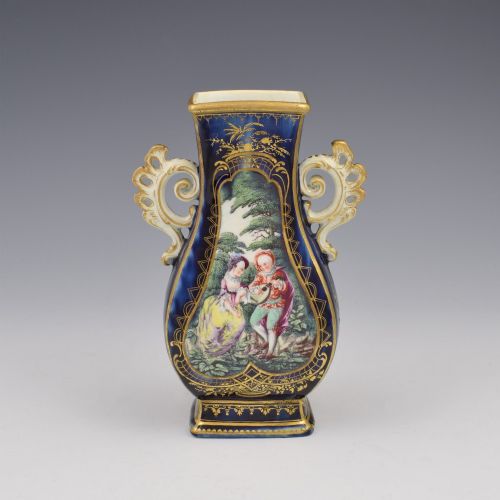
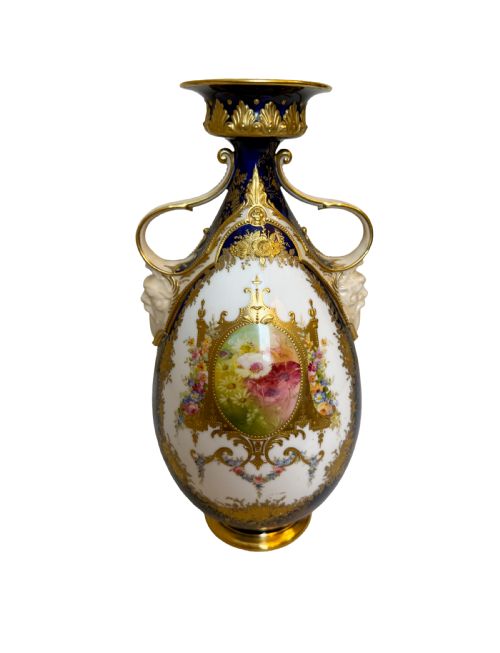
These gilt cobalt vase examples unite rich blue grounds with gleaming metallic enrichment across centuries of fine ceramic artistry.
Gilt Cobalt Vase
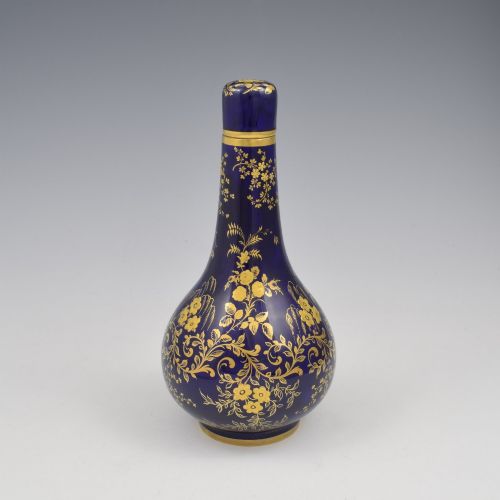
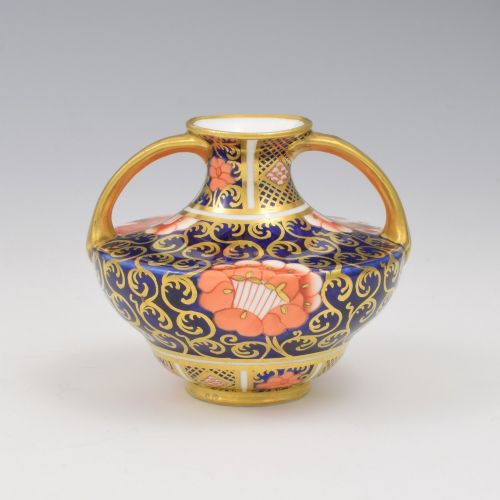
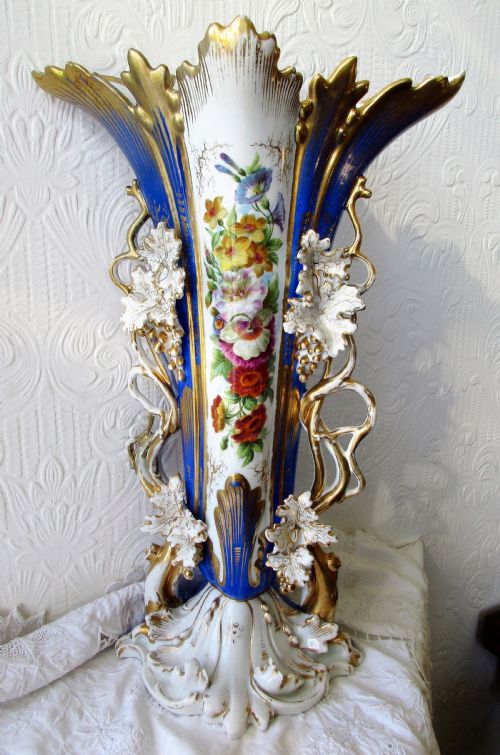
A gilt cobalt vase combines deep blue ceramic glazes with bright metallic ornamentation, creating striking contrast across diverse historical periods.
Buyers encounter this aesthetic principally in nineteenth-century European porcelain and earthenware, alongside Japanese Satsuma pieces from the Meiji period.
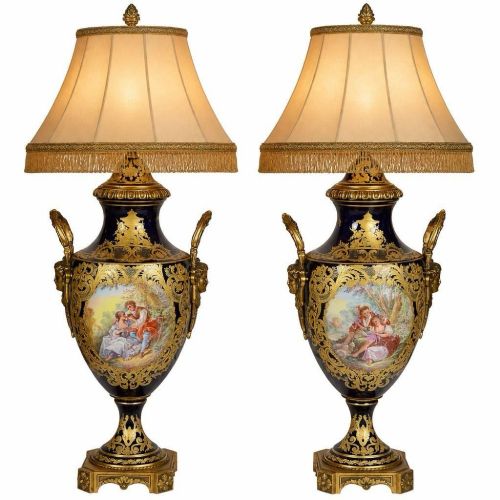
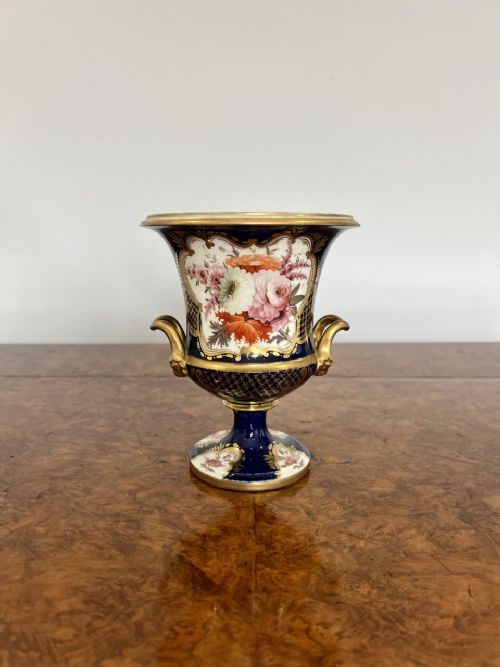
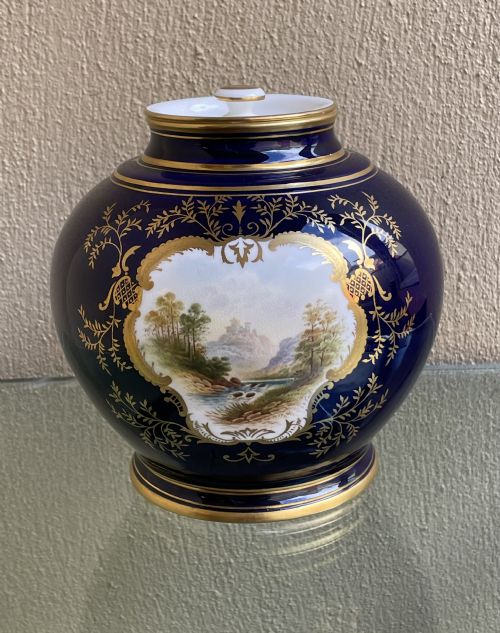
Forms range from campagna urns and lidded jars to cabinet vases and table lamps, reflecting both continental neoclassical influence and British factory traditions.
How they were made
Potters applied cobalt oxide beneath or over the glaze to achieve intense blue grounds, fired at high temperatures in kilns.
Artisans then added gold leaf, gilding, or ormolu mounts, frequently employing hand-painted enamel scenes and raised moriage relief work over the blue surface.
What varies in quality
Execution of the painted decoration dictates the distinction between standard production pieces and exhibition-grade works.
Precision in the application of gold leaf and the refinement of porcelain bodies reveal the skill of the original workshop.
Royal Crown Derby·Chamberlain Worcester·Coalport·Kinkozan·Flight Barr And Barr·Royal Doulton·Ernst Wahliss
The Gilt Cobalt Vase Glossary
- Cobalt
- A mineral oxide used to produce deep blue ceramic glazes that withstand high kiln temperatures without fading. This intense blue serves as the foundational background colour for rich gilding.
- Gilding
- The application of gold leaf or powdered gold onto ceramic surfaces to create decorative highlights. Artisans burnish the metal to achieve a bright metallic lustre against the dark blue ground.
- Moriage
- A Japanese ceramic technique using piped clay to build up raised decorative patterns before glazing and gilding. This method creates textured surfaces often found on Meiji period pieces.
- Campagna urn
- A bell-shaped vessel with a flared rim, frequently utilised for classical decorative displays in the nineteenth century. These urns often feature twin handles and pedestal bases.
Gilt Cobalt Vase: Frequently Asked Questions
How do I care for a gilt cobalt vase?
Dust the surface gently with a soft, dry cloth to prevent accumulation without disturbing delicate metallic highlights.
Avoid chemical cleaners and moisture, as harsh agents can degrade historical gilding and enamel work over time.
What periods do these vases date from?
Most examples originate in the nineteenth century, spanning Regency, Victorian, and Edwardian eras alongside the Meiji period in Japan.
Earlier pieces date to the eighteenth century, while others extend into the early twentieth century.
Where were these pieces manufactured?
Production spans major European porcelain centres in Britain, France, Austria, and Germany, alongside notable output from Japanese kilns.
Each region utilised distinct clay bodies and decorative motifs while sharing a preference for blue and gold palettes.
How are Japanese examples different from European ones?
Japanese Satsuma pieces rely heavily on earthenware bodies decorated with textured moriage relief and complex court or religious scenes.
European counterparts typically utilise refined porcelain with classical French or English neoclassical painted panels framed by heavy gilding.