



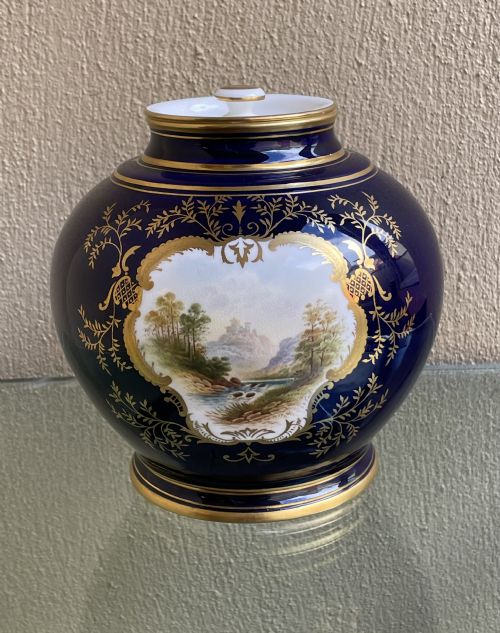

Gilt Ceramic Jar
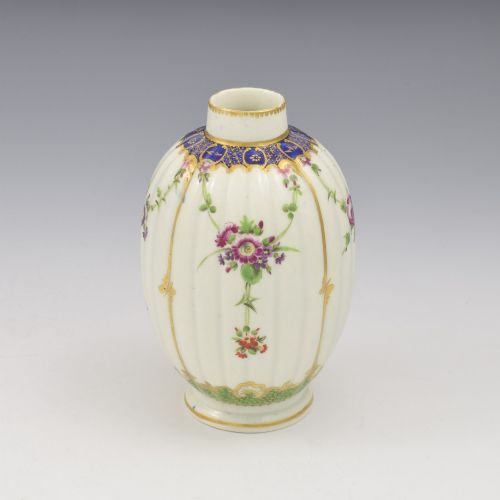
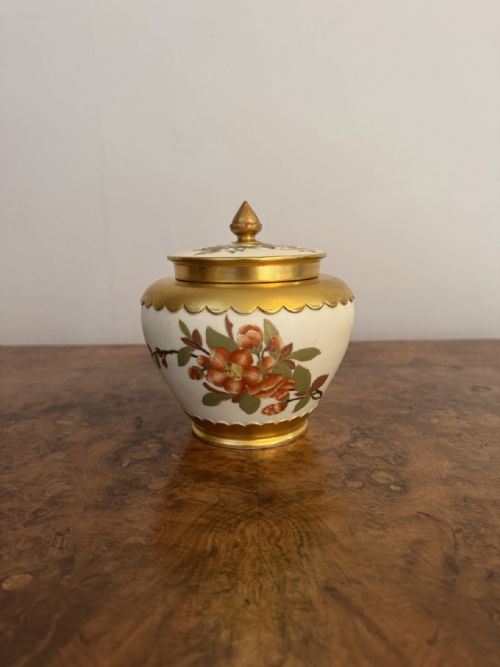
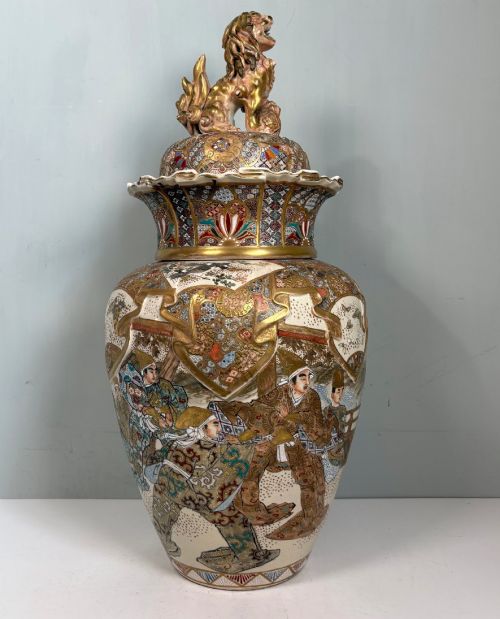
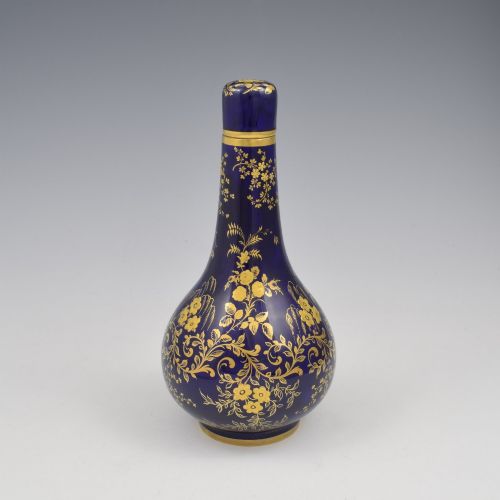
A gilt ceramic jar brings together fine ceramic bodies and rich metal leaf or gilding, offering a striking display piece for a room.
Gilt Ceramic Jar
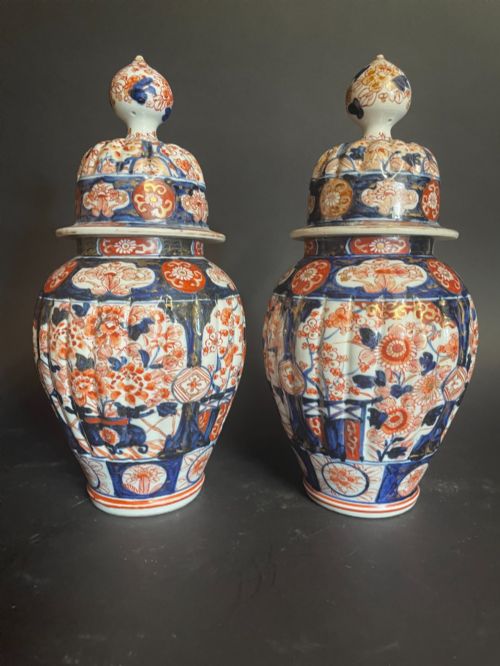
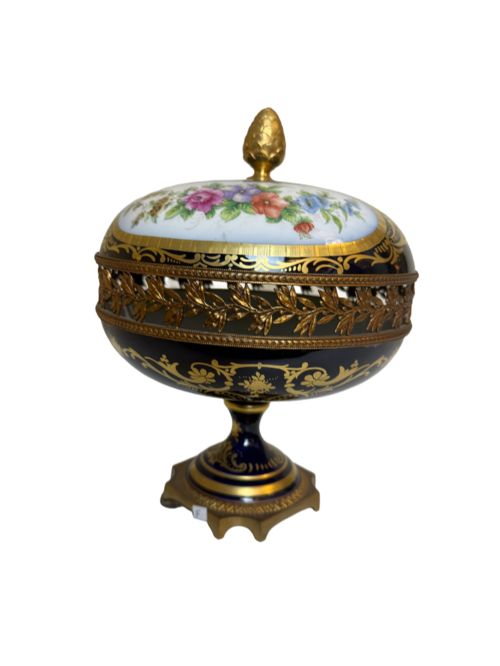
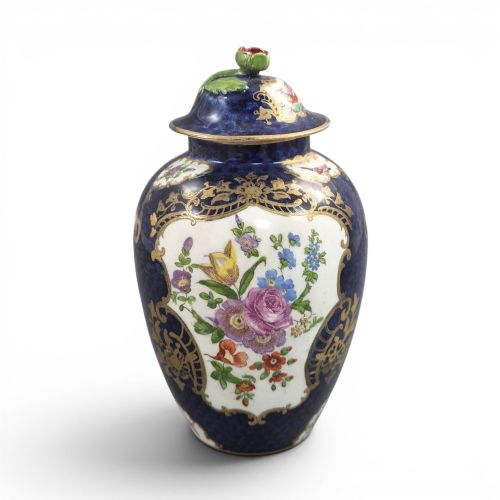
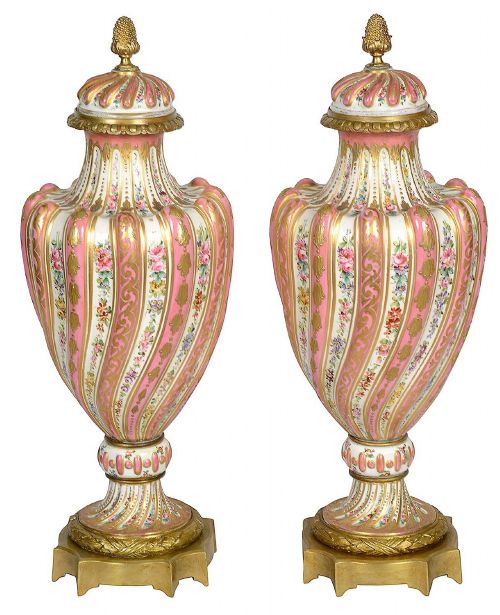
When you search for a gilt ceramic jar, you encounter lidded vessels, covered vases, potpourri pots and ginger jars formed from porcelain, earthenware and ironstone. These pieces span centuries of production, from English and European factories to Japanese Satsuma and Imari studios.
The versions most common in this selection include nineteenth-century lidded pots and covered vases decorated with applied gilding or gold leaf. Makers across different regions employed these metallic accents to highlight painted panels, floral motifs and textured surfaces.
How they were made
Potters shaped ceramic bodies from porcelain, ironstone or earthenware before applying detailed glazes and enamel colours. Artisans then added gold leaf, gilt highlights or ormolu mounts to accent the contours of the vessel.
Many items required multiple firings in kilns to set the underlying ceramic glaze and fix the delicate metallic gilding onto the surface.
Listings feature porcelain and earthenware pieces decorated with gold leaf, ormolu, and enamel across the nineteenth and twentieth centuries.
What varies in quality
The standard of a gilt ceramic jar rests on the crispness of the modelled clay body and the precision of the hand-painted details. Superior pieces display carefully weighted proportions and securely fixed gilding that catches the light evenly.
Execution of the decorative scheme separates standard wares from exceptional examples, particularly in the finesse of the brushwork and the harmony between the ceramic glaze and the metallic ornamentation.
Royal Worcester·Samuel Alcock and Co·Mason’s Ironstone·Kinkozan·Wolfsohn Dresden Porcelain·Moorcroft Macintyre and Co
The Gilt Ceramic Jar Glossary
- Gilding
- The application of gold leaf or gold powder to a surface. This technique adds metallic lustre to ceramic bodies.
- Ormolu
- Gilt bronze mounted onto or incorporated into decorative objects. It provides structural support and ornamental contrast.
- Potpourri
- A mixture of dried plant materials scented with spices, kept in a lidded jar. Pierced covers allowed the fragrance to circulate.
- Imari
- A style of Japanese porcelain featuring underglaze blue and iron red with added gold. This decorative vocabulary influenced many European factories.
Gilt Ceramic Jar: Frequently Asked Questions
What is a gilt ceramic jar?
A gilt ceramic jar is a covered vessel made from materials such as porcelain or earthenware, finished with applied gold leaf or metallic paint. These objects were created for decorative display or to hold aromatic mixtures.
Craftsmen across European and Asian potteries produced these jars in various sizes, often incorporating hand-painted panels or moulded textures beneath the metallic highlights.
How were these jars used historically?
Many of these lidded vessels served as potpourri pots, tea caddies, or ginger jars in period interiors. Their covers often featured pierced designs to release scents or simply protected the contents within.
Over time, their primary function shifted toward decorative display on mantelpieces, side tables, and cabinets due to their ornate appearance.
How do I style a gilt ceramic jar at home?
These jars work well as focal points on sideboards, open shelving, or tables where their metallic details can catch ambient light. Pairing them with neutral surroundings lets the colours and gilding stand out clearly.
Because many examples include matching lids, keeping the pieces complete maintains their intended visual silhouette within a room.
How do I identify the period of a jar?
Dating relies on examining the ceramic body, glaze characteristics, factory marks, and painting styles. Nineteenth-century pieces often display specific backstamps or traditional revival motifs.
Comparing the potting technique and the style of the gilding against known regional outputs helps narrow down the production era.