





Gilt Carved Statue
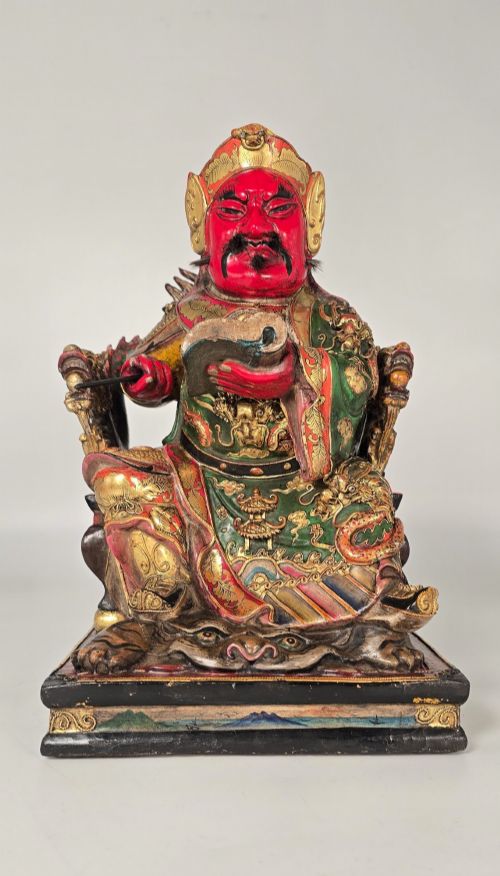
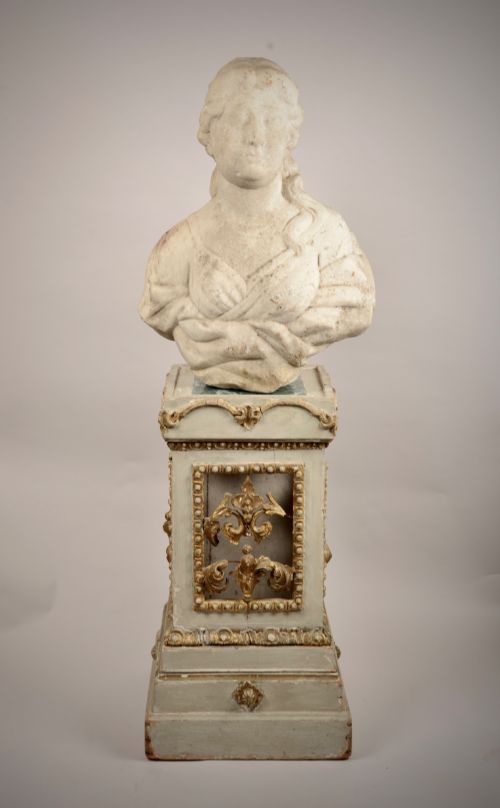
A gilt carved statue brings radiant metallic lustre and intricate woodwork to a room, ranging from devotional figures to monumental temple guardians.
Gilt Carved Statue
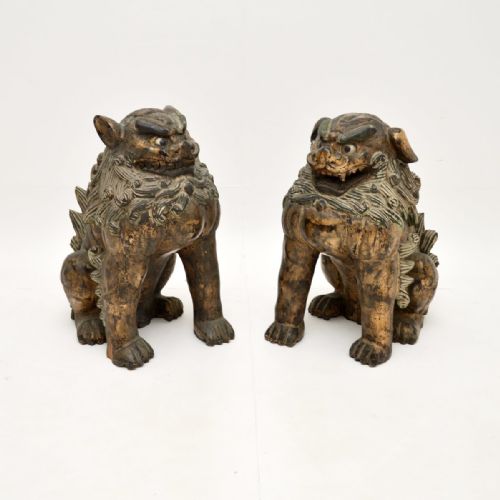
When you search for a gilt carved statue, you encounter a diverse array of wooden and occasionally metal sculptures coated in gold leaf, gesso or paint. The selection spans centuries of craftsmanship, connecting European ecclesiastical pieces with Asian temple figures and secular decorative objects.
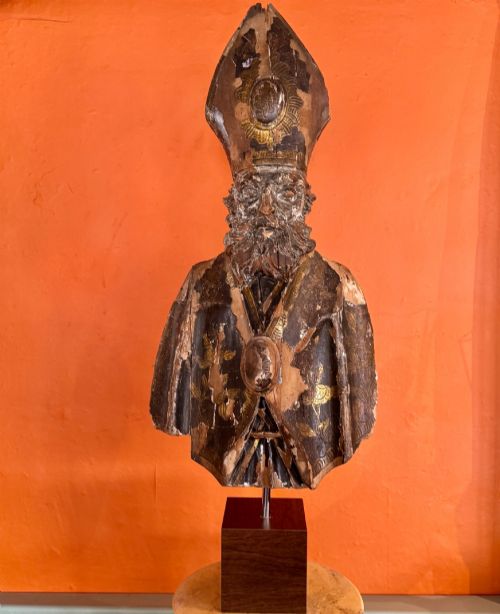
Religious subjects dominate the earlier periods, including bishops, saints, cherubs and Buddhas originating from Italy, China, Burma and beyond. Alongside these devotional works appear decorative birds, eagles, swans and architectural elements created across the seventeenth, eighteenth and nineteenth centuries.
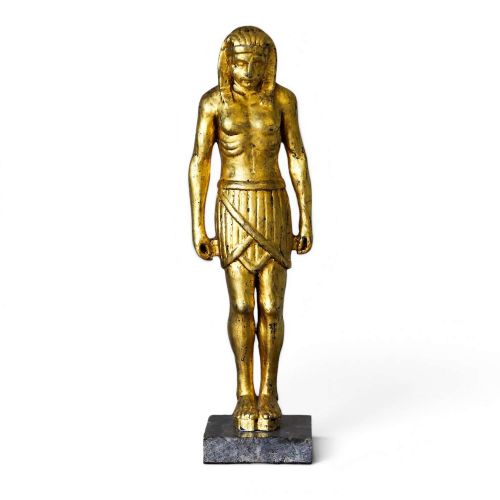
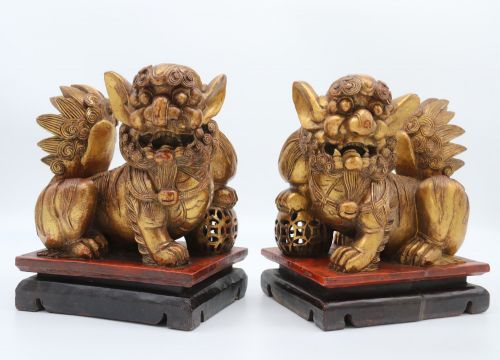
Secular forms such as Grand Tour figures and decorative pairs frequently surface alongside religious carvings. The visual language bridges traditional European Baroque and Neoclassical styles with Chinese and Japanese aesthetic traditions.
How they were made
Makers typically carved these sculptures from solid wood before applying layers of gesso to prepare a smooth surface for gilding. Gold leaf was then carefully laid over the prepared base, sometimes complemented by polychrome paint and lacquer details.
Certain examples incorporate alternative media such as carved marble, bronze and gilt metal, occasionally mounted on contrasting granite or portoro marble bases. These mixed-media works demonstrate the diverse technical skills employed by European and Asian workshops.
Materials recorded across these listings include carved wood, gold leaf, gesso, lacquer, polychrome paint, marble, bronze and gilt metal.
What varies in quality
The preservation of the original surface finish heavily influences the character of each piece. Retaining the integrity of early gold leaf, polychrome paint or lacquer without heavy overpainting points to careful historical stewardship.
Carrier Belleuse·G V Vaerenbergh·A Marionnet·Gory Paris
The Gilt Carved Statue Glossary
- Giltwood
- Wood that has been treated and covered with gold leaf or powder. This finish creates a luminous metallic surface that reflects candlelight and daylight alike.
- Gesso
- A plaster mixture applied to wood as a base for paint and gilding. It provides a smooth, chalky ground that holds delicate carved details.
- Baroque
- A flamboyant artistic style originating in Italy, characterised by dramatic movement and rich ornamentation. Many European ecclesiastical sculptures reflect this theatrical aesthetic.
- Shabti
- A small funerary figure placed in Egyptian tombs to serve the deceased in the afterlife. Grand Tour examples often reproduce these forms in wood and gilt.
Gilt Carved Statue: Frequently Asked Questions
How do I care for gilt wood?
Dust gently with a soft, dry brush and keep the piece away from direct sunlight and fluctuating humidity.
Avoid using liquid cleaners or polishes, as moisture can lift the delicate gold leaf and underlying gesso.
Are these statues religious?
Many examples originate from churches, shrines and temples, depicting saints, bishops, angels and Buddhas.
However, the category also includes secular decorative figures, mythological subjects, animals and architectural ornaments.
How do I identify the period?
Examine the tool marks, wood species, and the ageing of the underlying gesso and paint layers.
Stylistic cues such as the theatricality of Baroque drapery or the characteristic forms of Qing Dynasty figures also help date the work.
Where were these pieces made?
The inventory spans European workshops in Italy and Britain alongside Asian traditions in China, Japan and Burma.
Grand Tour items reflect European interest in classical and Egyptian antiquities during travel through the Mediterranean.