

Gilt Candle Sconce
A gilt candle sconce brings warmth and historic decorative charm to a wall, illuminating rooms through reflected candle or electric light.
Gilt Candle Sconce
A gilt candle sconce is a wall-mounted lighting fixture designed to hold candles or direct illumination across a room. When you search for this phrase, you encounter wall lights, girandoles, and mirror-backed fixtures spanning centuries of design.
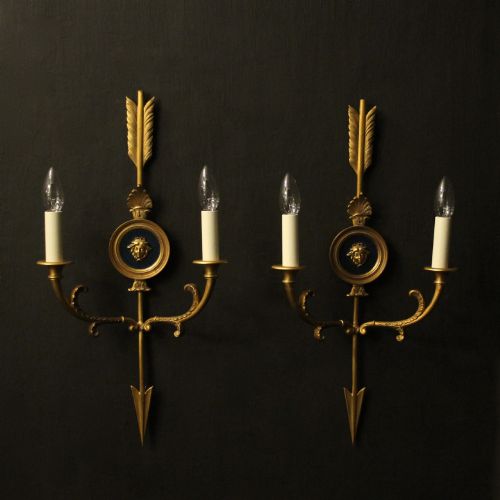
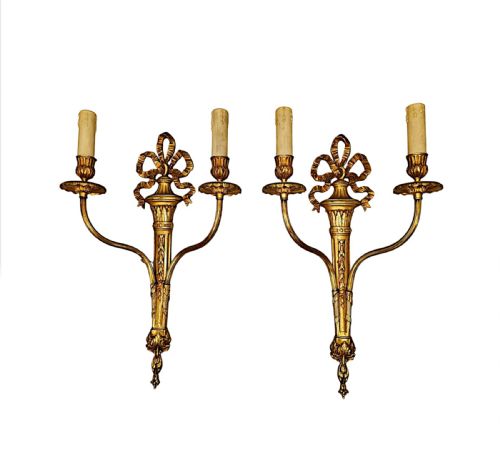
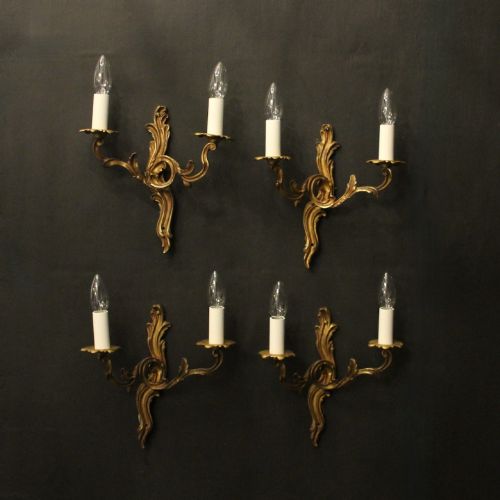
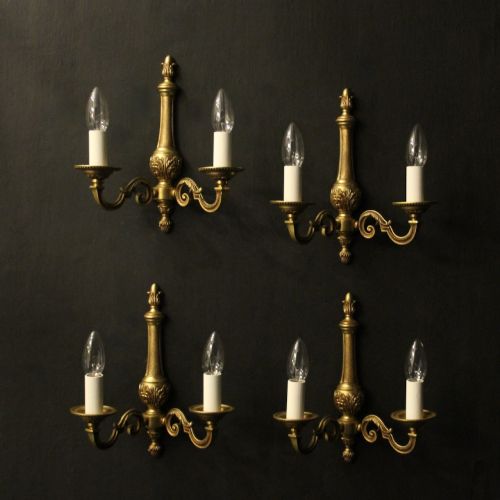
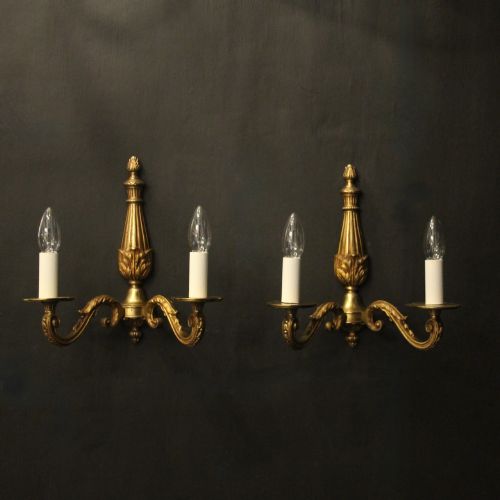
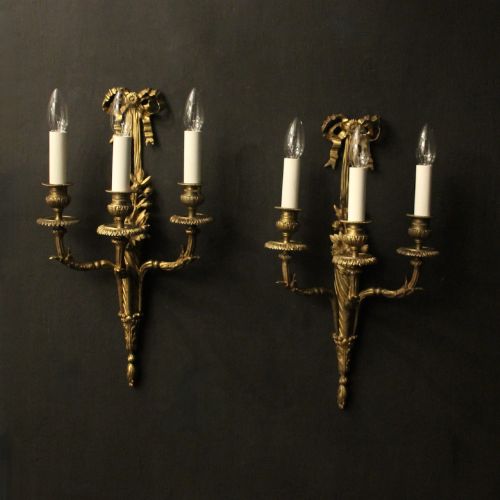
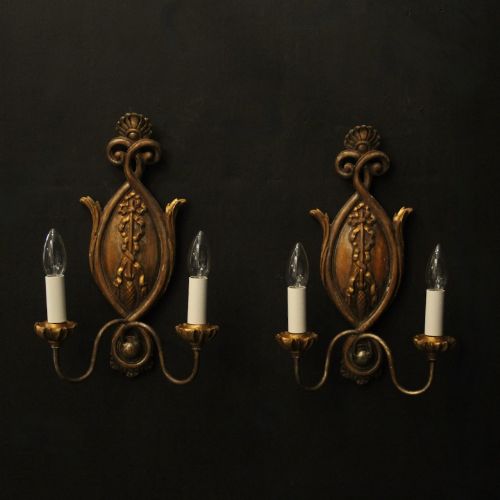
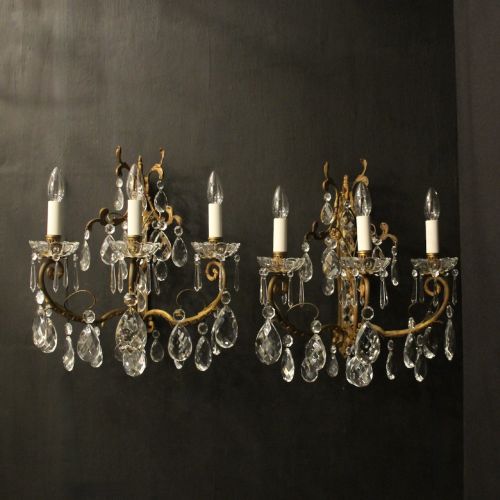
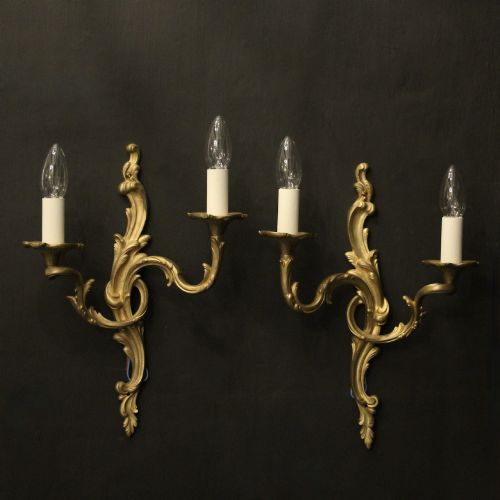
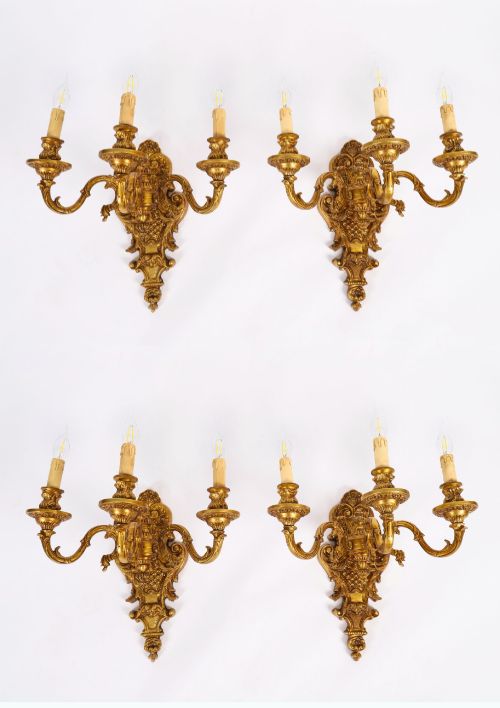
The most common examples on this page are French and Italian pieces from the nineteenth and early twentieth centuries. These take the form of twin-arm or single-arm wall lights rendered in gilt brass, bronze, and carved giltwood.
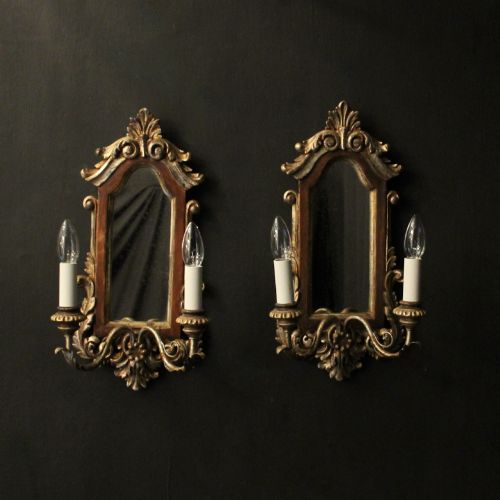
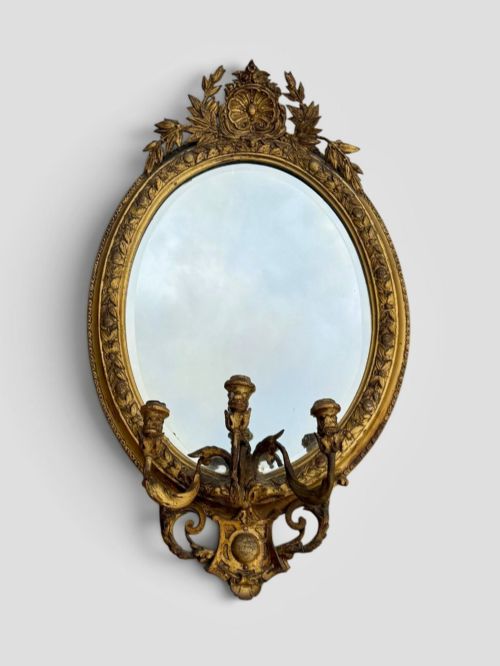
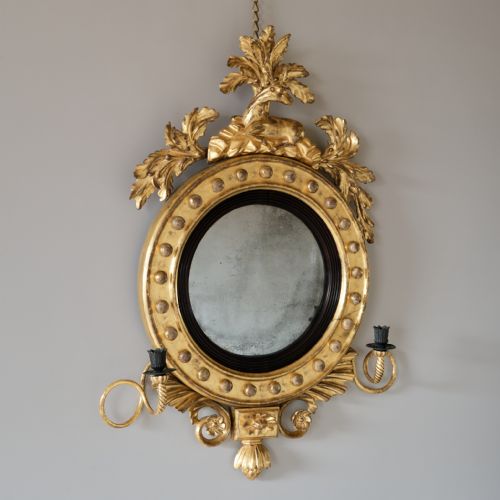
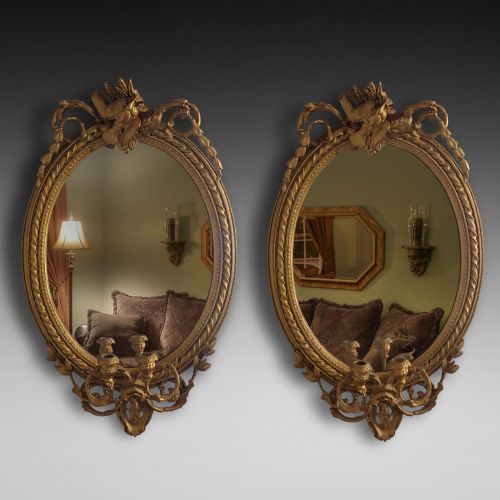
Makers and craftsmen also produced ornate girandole mirrors incorporating integrated candle branches. These items reflect ambient light while simultaneously projecting illumination outward from the wall.
How they were made
The construction of these pieces relies heavily on cast metals such as bronze, brass, and ormolu. Artisans shaped these materials into intricate scrollwork, ribbons, and figurative motifs before applying gold leaf or gilding.
Giltwood versions utilise carved timber bases finished with layers of gesso and gold leaf. Master carvers shaped floral swags, acanthus leaves, and architectural details directly into the wood prior to gilding.
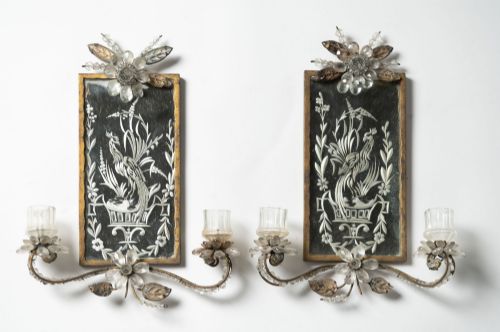
Many designs incorporate reflective glass elements, including convex mirrors and crystal drops. These glass components amplify the candlelight and distribute a softer glow across the interior space.
Listings span the eighteenth, nineteenth, and twentieth centuries, featuring materials from giltwood and bronze to crystal and brass.
What varies in quality
The crispness of the casting or carving dictates the overall visual impact of the fixture. Finer examples display deep, sharp relief in the acanthus leaves and decorative motifs, whereas lesser pieces appear soft and shallow.
The depth and application of the gilding itself set superior items apart from standard production. High-grade pieces exhibit rich layers of gold leaf or fine ormolu that age gracefully, avoiding the flat finish of modern metallic paint.
Maison Baguès
The Gilt Candle Sconce Glossary
- Ormolu
- Gilded bronze typically associated with decorative mounts on fine furniture and lighting fixtures. This technique involves applying a mercury and gold amalgam to bronze.
- Girandole
- A branched wall-mounted candleholder, frequently incorporating a mirror to multiply the effect of the flame. These fixtures often feature elaborate carved frames.
- Gesso
- A plaster-like mixture applied to wood surfaces as a preparation for gilding. Artisans carved intricate details directly into this hardened material.
- Convex mirror
- A curved glass mirror that provides a wide-angled reflection of the room. Regency and Victorian examples often feature gilt frames with integrated candle arms.
Gilt Candle Sconce: Frequently Asked Questions
How were gilt candle sconces originally used?
These fixtures served to illuminate hallways, drawing rooms, and parlours before the widespread adoption of gas and electric lighting. Positioned beside mirrors or paintings, they maximised the available light by bouncing the flame's glow off reflective metallic and glass surfaces.
In grander interiors, matched sets lined the walls to create a balanced scheme during evening gatherings. The flickering candlelight added atmosphere while demonstrating the status of the household through the cost of the gilded metalwork.
Can antique sconces be wired for electricity?
Many sconces from the late nineteenth and early twentieth centuries are successfully converted for modern electric lighting without losing their original character. Electric fittings allow these historical decorative objects to function safely as permanent wall lighting in contemporary homes.
Professional conversion typically involves running discrete wiring through the existing structural channels of the arms. This preserves the external gilt bronze or brass surface while providing reliable illumination.
How do I tell a girandole from a standard sconce?
A girandole incorporates a central mirror plate directly into its wall-mounted backplate, whereas a standard sconce consists purely of the metal or wooden bracket and arms. This reflective backing distinguishes the girandole by serving both as an optical ornament and a light amplifier.
Traditional girandoles frequently date from the Regency and Victorian periods. Their mirrored surfaces help brighten darker corners of a room even when unlit.
Where should I hang a wall sconce?
Wall sconces look most effective when positioned at eye level in hallways, flanking a fireplace, or framing a central mirror. Placing them opposite windows or other reflective surfaces helps distribute ambient light evenly throughout the space.
Consider the scale of the wall and the surrounding furniture when choosing placement. Taller pairs with multiple candle arms suit larger formal rooms, while single-arm or delicate ribbon designs fit intimate spaces.