



Gilt Bronze Relief
These gilt bronze relief pieces bring warmth and rich metalwork into a room.
Gilt Bronze Relief
A gilt bronze relief combines cast metalwork with raised sculptural detail, creating depth and texture on surfaces ranging from small plaques to monumental vases. When you search for gilt bronze relief, you encounter decorative objects designed to catch the light and display figurative or ornamental scenes.
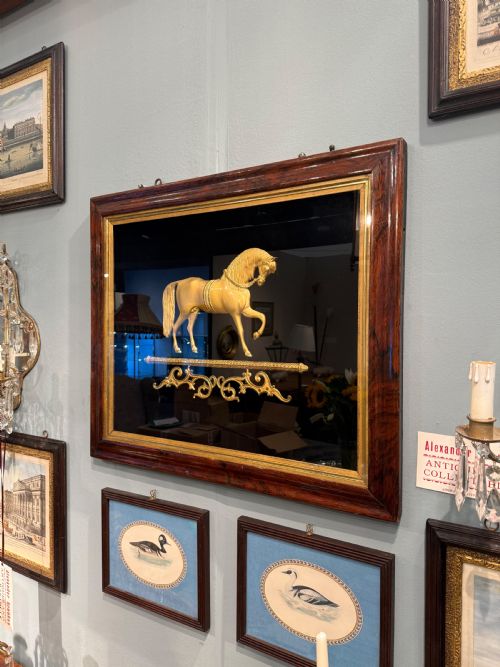
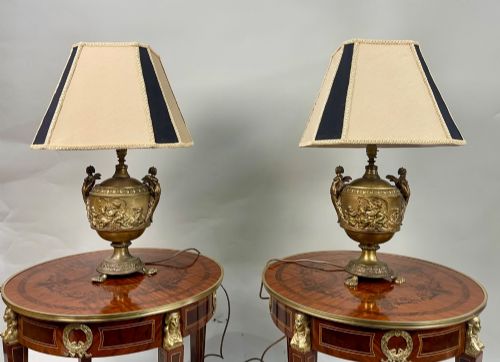
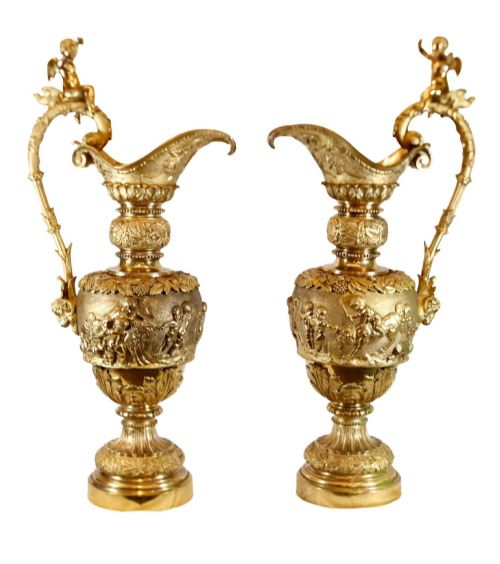
The pieces on this page span the eighteenth, nineteenth, and early twentieth centuries, with a strong presence of nineteenth-century French manufacture. You will regularly find decorative urns, wall plaques, table lamps, and jewellery boxes featuring classical figures, putti, and natural motifs.
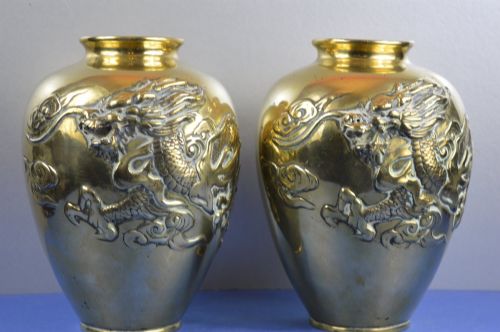
Origins vary across European and Asian workshops, including French Empire, Neoclassical revival, and Chinese Qing dynasty pieces. This mix provides varied interpretations of relief work, from architectural furniture mounts to freestanding decorative vessels.
Materials and construction
Maker's workshops cast these pieces in bronze, brass, or gilt metal, often applying fire gilding or ormolu to achieve a rich gold-coloured surface finish. Secondary materials such as wood, paint, and porcelain appear in combination with the metal mounts, adding contrast to the frames and bodies of the objects.
Sculptural relief details are cast separately or chased by hand after casting to sharpen the facial expressions, drapery, and foliage. Silvering is sometimes applied alongside gilding to create two-tone metallic effects on urns and caskets.
Gilt Bronze Relief Retail Price Guide 2026
Typical asking prices for gilt bronze relief among the pieces listed under this phrase on Sellingantiques today, from the lower quarter to the upper quarter. They describe what is for sale here now, not the wider market.
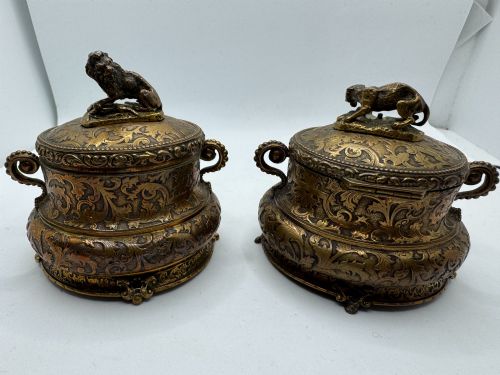
Canines take a prominent stance here, appearing as solid metal dog finials guarding the lids of nineteenth-century jewellery caskets.
Assessing quality and execution
Quality rests upon the crispness of the chasing and the depth of the relief work, where sharper details indicate a more skilled hand in the workshop. Finer pieces maintain smooth transitions in the metal casting and retain their original fire gilding without dulling or patchy wear.
The weight of the metal and the integration of secondary elements, such as fitted rosewood frames or hand-painted porcelain panels, distinguish standard production items from exceptional commissions. Maker signatures and secure mounting of the relief elements further elevate the standing of an individual piece.
Poix Blin·Mainfroy·Barbedienne
The Gilt Bronze Relief Glossary
- Ormolu
- Finely chopped gold-mercury amalgam applied to a bronze base, creating a durable golden surface finish. This technique was widely utilised by French makers during the eighteenth and nineteenth centuries.
- Chasing
- The manual finishing of a cast metal object using small punches and hammers to refine details and textures. It brings crispness to hair, drapery, and background motifs.
- Putti
- Depictions of chubby male toddlers, often winged, used as decorative motifs in European art. They frequently appear in relief on urns, plaques, and mantel ornaments.
- Grand Tour
- The nineteenth-century practice of young Europeans travelling the continent to collect art and antiquities. Souvenirs from these journeys included small bronzes and classical urns.
- Applique
- An ornamental metal fitting attached to the surface of furniture, frames, or walls. These elements are commonly cast in relief and fire-gilded.
Gilt Bronze Relief: Frequently Asked Questions
What is gilt bronze?
Gilt bronze refers to bronze metal that has been coated with a layer of gold, either through mercury gilding or modern electroplating methods.
This technique protects the darker base metal beneath while giving the object a brilliant golden appearance that resists tarnishing over time.
How do I clean gilt bronze relief?
Dust these pieces gently with a soft dry brush to prevent dirt from settling into the crevices of the relief work.
Avoid abrasive cleaners, chemical polishes, and excessive water, which can strip away the delicate gold surface layer and damage the metal.
Where were these pieces displayed?
Nineteenth-century interiors featured these decorative metalworks on mantelpieces, walls, side tables, and within dedicated cabinet collections.
They served as functional items like lamps and jewellery caskets as well as purely decorative sculptures and wall plaques.
How can I tell a nineteenth-century piece apart?
Examine the construction methods, the composition of the metal alloys, and the style of the relief figures for period-specific traits.
Nineteenth-century European pieces frequently draw on earlier Neoclassical, Renaissance, or Empire vocabularies while employing industrial casting techniques of the era.