

Gilt Bronze Mounts Chest
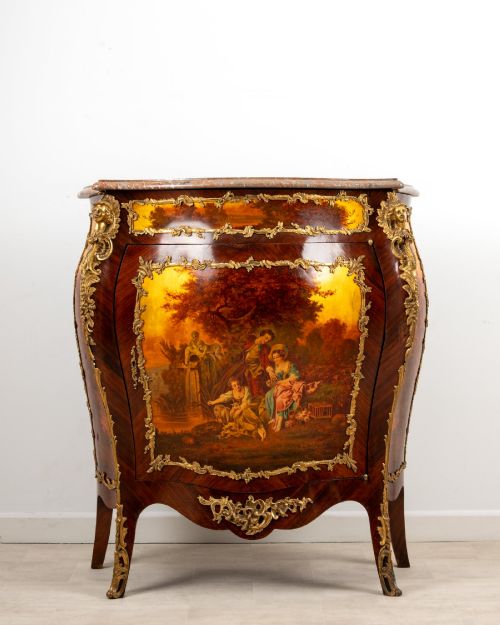
When you search for a gilt bronze mounts chest, you uncover formal French and European commodes and cabinets shaped by revival styles.
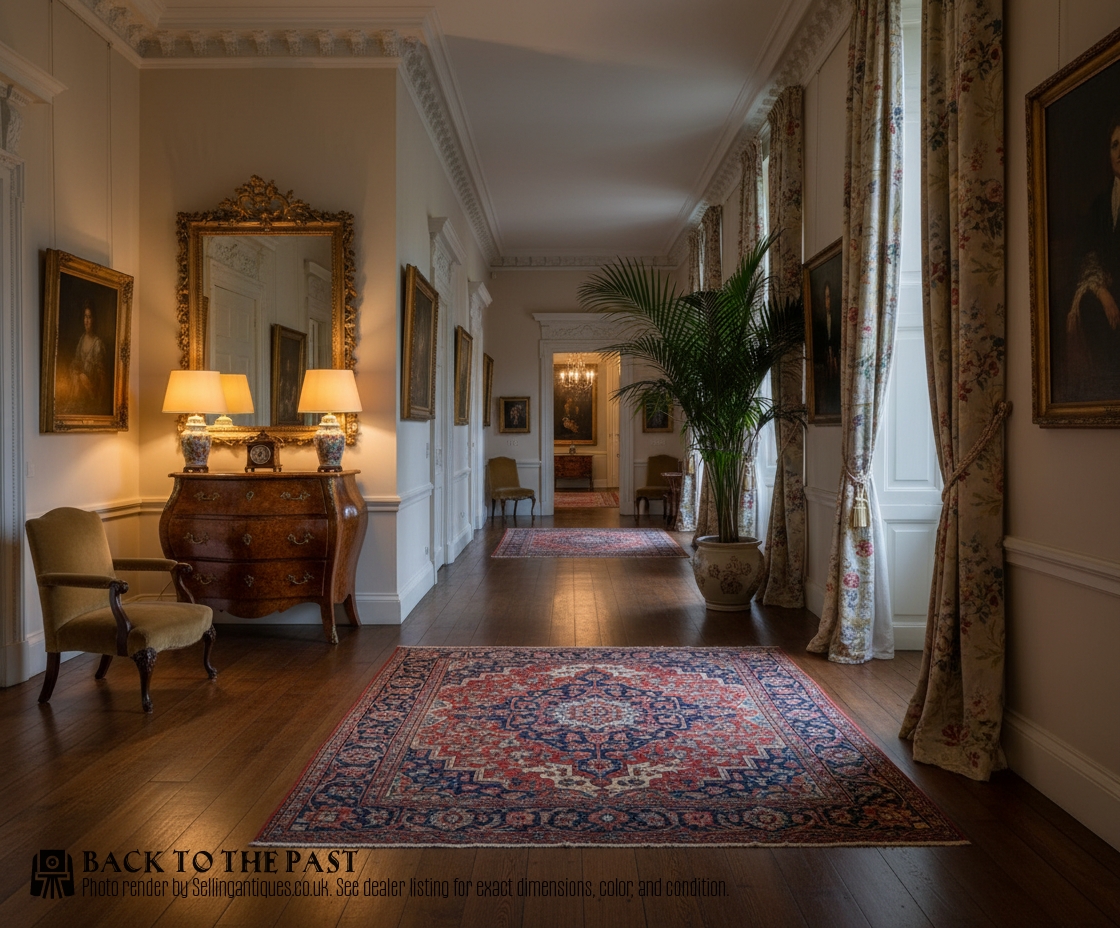
Gilt Bronze Mounts Chest
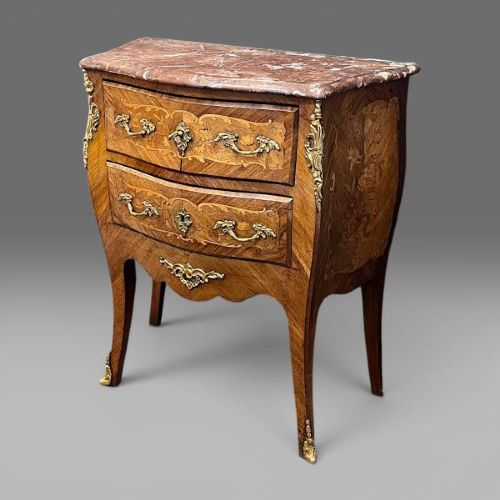
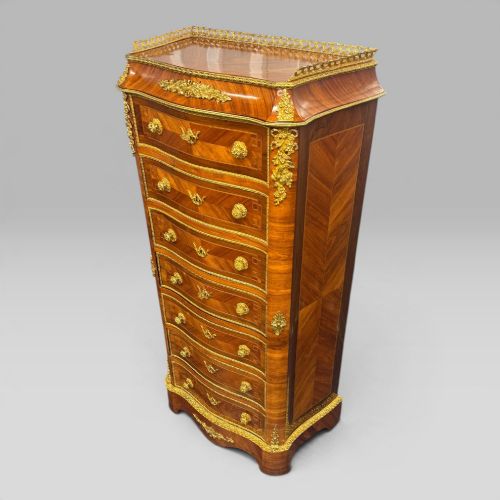
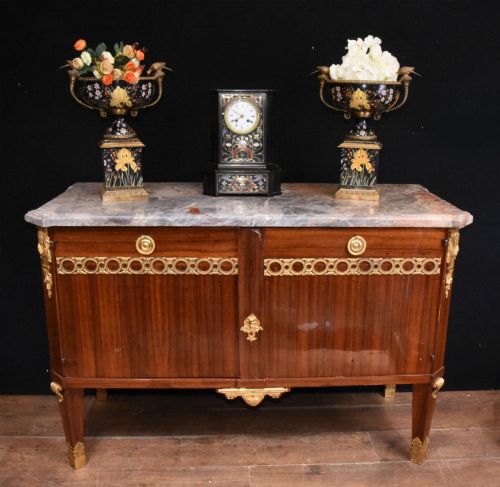
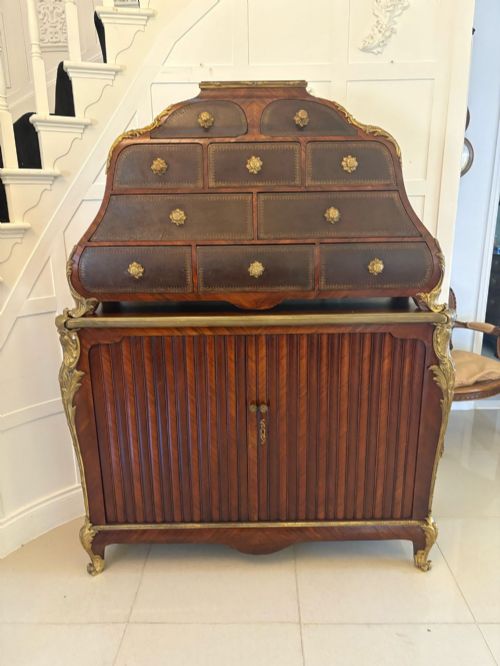
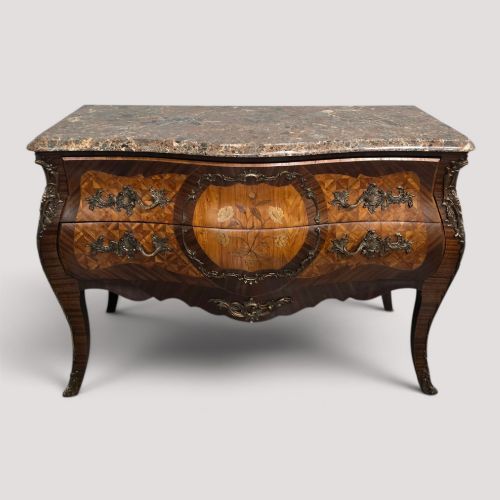
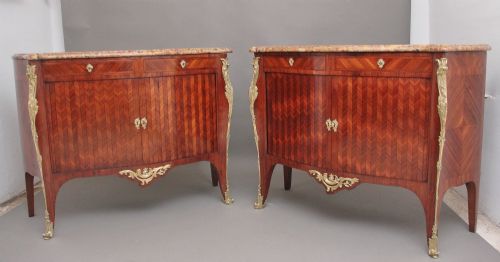
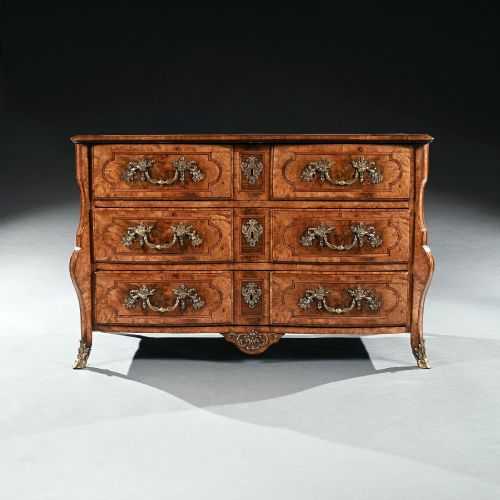
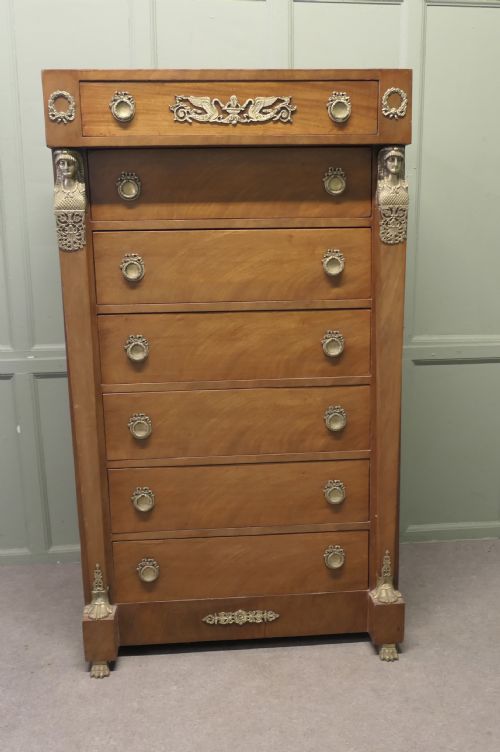
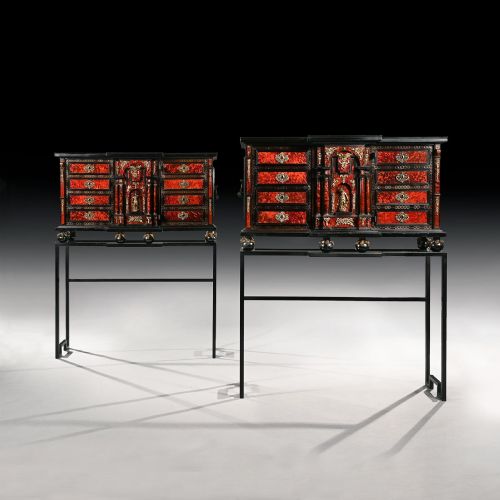
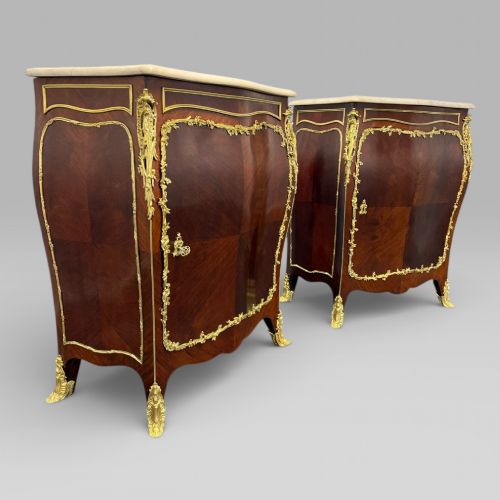
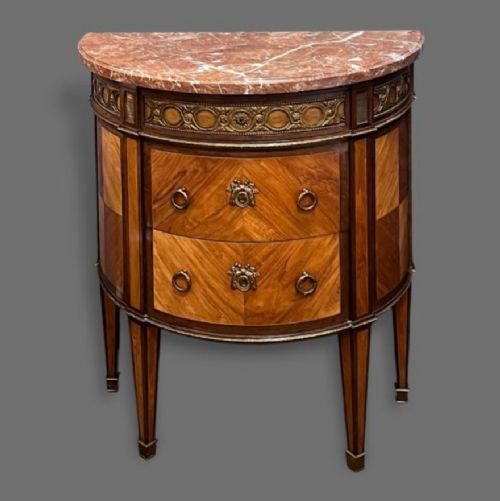
A gilt bronze mounts chest typically manifests as a commode, cabinet, or secretaire desk originating from French and European workshops spanning the seventeenth century through to the early twentieth century. The selection leans heavily towards French revival iterations, particularly Louis XV and Louis XVI styles, alongside Spanish Baroque and Flemish architectural forms.
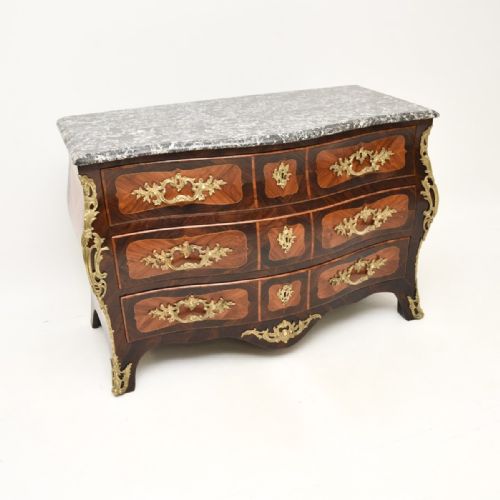
The dominant forms include bombe commodes, demi-lune chests of drawers, and cabinets on stands, frequently finished with marble tops and intricate marquetry or parquetry patterns. Buyers encounter everything from seventeenth-century tortoiseshell cabinets to nineteenth-century satinwood, kingwood, and walnut creations modelled on historical cabinet-making traditions.
Materials and construction techniques
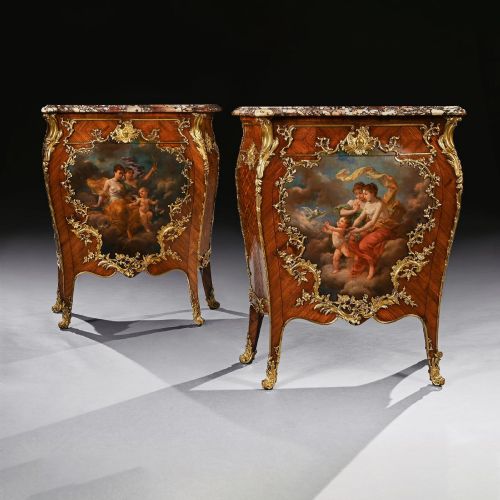
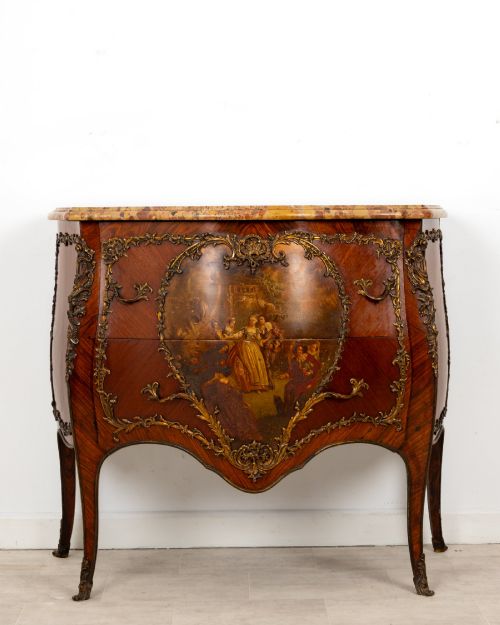
Construction relies upon a foundational timber carcase of walnut, mahogany, oak, or exotic hardwoods such as kingwood and rosewood, often enhanced by decorative veneer work like Vernis Martin, burr maple, or satinwood marquetry. Artisans shape these timbers into serpentine and bombe contours before applying polished marble slabs to the upper surfaces.
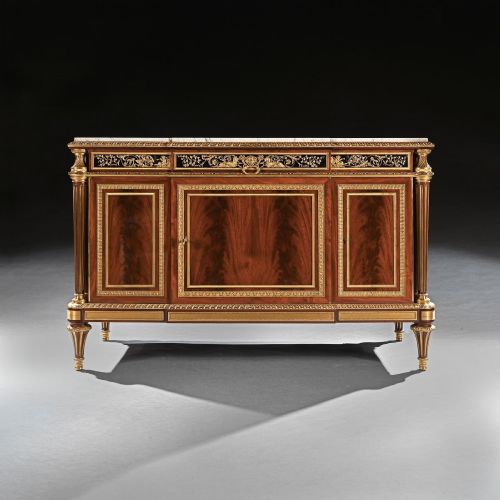
Cast gilt bronze and ormolu mounts provide structural accentuation, framing corners, drawer edges, and aprons with chased rococo scrolls or neoclassical garlands. These metal ornaments are secured via pins or screws through the timber, complementing inlay techniques that combine contrasting wood grains and tortoiseshell.
Gilt Bronze Mounts Chest Retail Price Guide 2026
Typical asking prices for gilt bronze mounts chest among the pieces listed under this phrase on Sellingantiques today, from the lower quarter to the upper quarter. They describe what is for sale here now, not the wider market.
Listings feature pieces spanning the seventeenth century through to 1920, predominantly executed in mahogany, kingwood, walnut, and ormolu.
Distinctions in craftsmanship and execution
Quality separates ordinary production pieces from works attributed to notable makers through the crispness of the gilt bronze chasing and the precision of the underlying marquetry. Superior examples display deeply chiselled ormolu mounts that integrate seamlessly with the carcase contours, whereas lesser items utilise shallower, repetitive cast metal elements.
The handling of timber also dictates standing, with fine pieces exhibiting tightly fitted dovetail drawer construction, balanced wood grain selection, and hand-polished finishes that respect the historical period. Inferior specimens rely on heavier machine processing and simpler decorative veneer applications without the depth found in revival interpretations after classical models.
Jacques Bircklé·Maison Krieger·Henry Dasson·E. Kahn·Thomas Hache·Jean-Henri Riesener·Charles Cressant
The Gilt Bronze Mounts Chest Glossary
- Ormolu
- Gilded bronze used for decorative mounts on furniture. The technique involves applying a mercury and gold amalgam to cast bronze before heating.
- Bombe
- An outward-swelling, convex shape characteristic of French rococo furniture. This curved profile demands advanced woodworking skill to veneer accurately.
- Marquetry
- The art of applying decorative pieces of veneer to a structure to form intricate designs. Craftsmen utilise various coloured woods, bone, and tortoiseshell.
- Commode
- A low chest of drawers, typically standing on legs, introduced in France during the late seventeenth century. It functions as a principal storage and display surface.
- Vernis Martin
- A simulated Japanese lacquer technique developed in France. It employs multiple layers of resin varnish to achieve a glossy, translucent finish.
Gilt Bronze Mounts Chest: Frequently Asked Questions
How do I identify a true period piece from a revival?
Examine the secondary timbers inside the drawers and the construction methods used for the carcase joints. Eighteenth-century originals show hand-cut joinery and period-specific tool marks, whereas nineteenth-century revival pieces reflect later technological standards.
Check the style of the gilt bronze mounts and the wear patterns on the marble top and feet. Revival pieces often emulate Louis XV or Louis XVI designs with extreme precision but carry nineteenth-century manufacturing signatures.
Where should I place a marble-topped commode at home?
These pieces suit formal living rooms, hallways, or spacious bedrooms where their decorative fronts and polished stone surfaces act as focal points. Ensure they sit away from direct heat sources to protect the delicate wood veneers and historic finishes.
Keep them clear of direct sunlight to prevent the fading of kingwood, satinwood, and Vernis Martin surfaces. The sturdy marble top provides a stable platform for lamps or decorative objects.
What maintenance do gilt bronze mounts require?
Dust the mounts regularly with a soft, dry cloth to prevent the accumulation of grime in the chased crevices. Avoid commercial brass cleaners or abrasive liquids that strip the original gilding from the bronze.
If cleaning becomes necessary, consult a specialist conservator who understands historical metal treatments. Protecting the surface from moisture preserves the integrity of both the metal and the surrounding timber.