

Gilt Bronze Mounts Cabinet
A gilt bronze mounts cabinet brings together rich timbers and cast metalwork, offering a focal point that transforms a traditional interior.
Gilt Bronze Mounts Cabinet
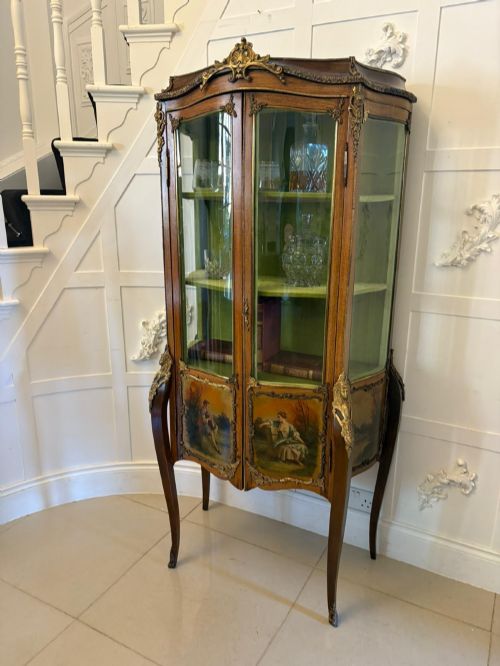
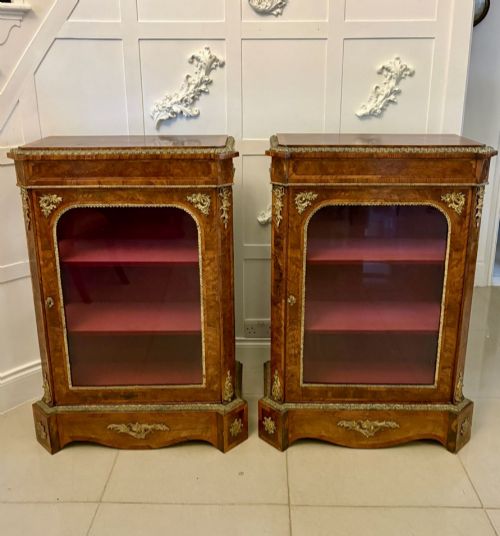
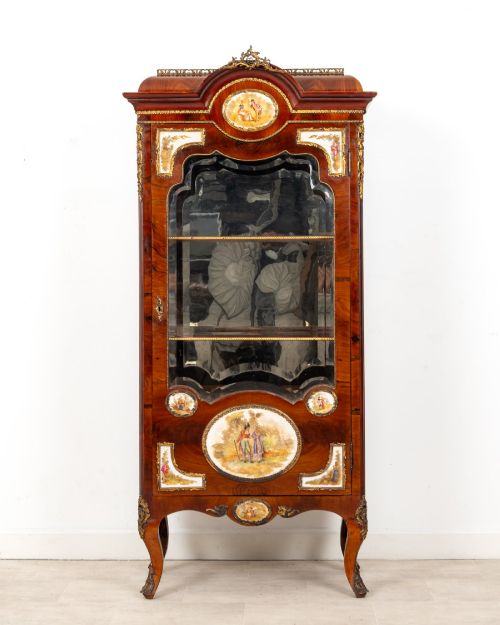
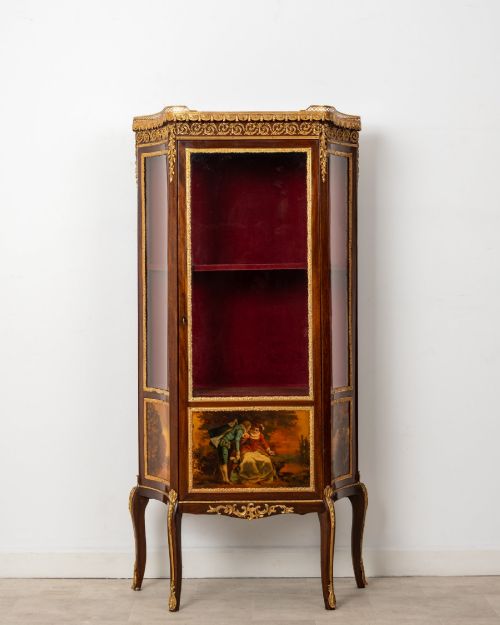
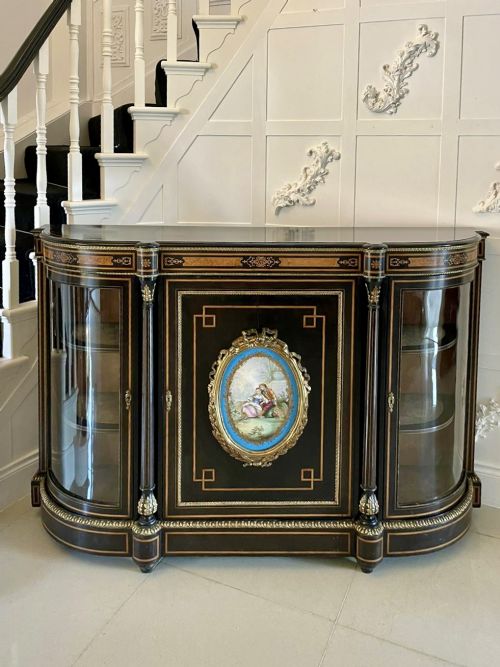
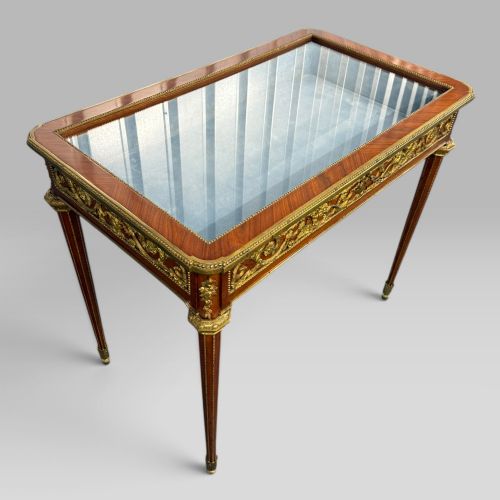
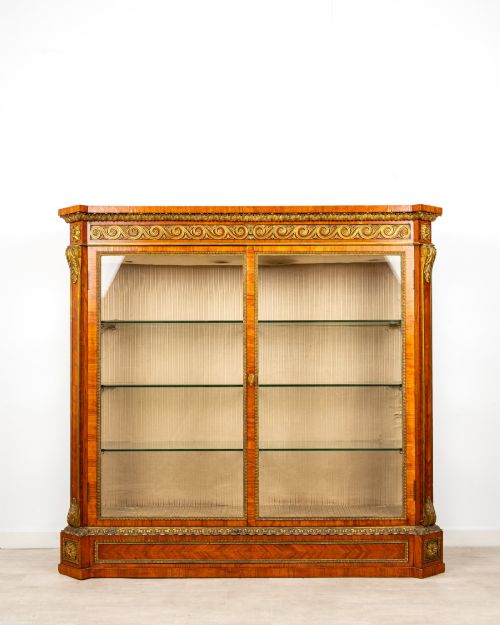
A gilt bronze mounts cabinet encompasses display cabinets, credenzas, commodes, and side cabinets primarily hailing from the nineteenth century, including Victorian and various revival styles. These pieces range from walnut pier cabinets and mahogany sideboards to French vitrines decorated with Vernis Martin panels.
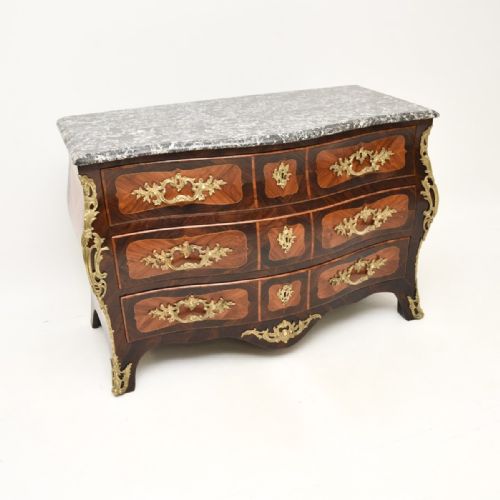
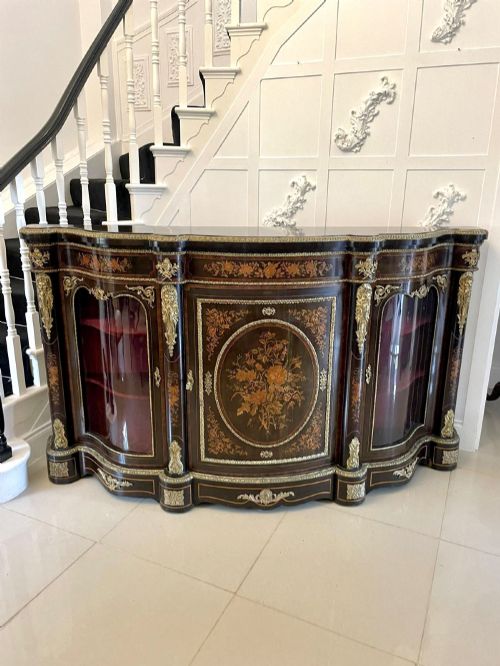
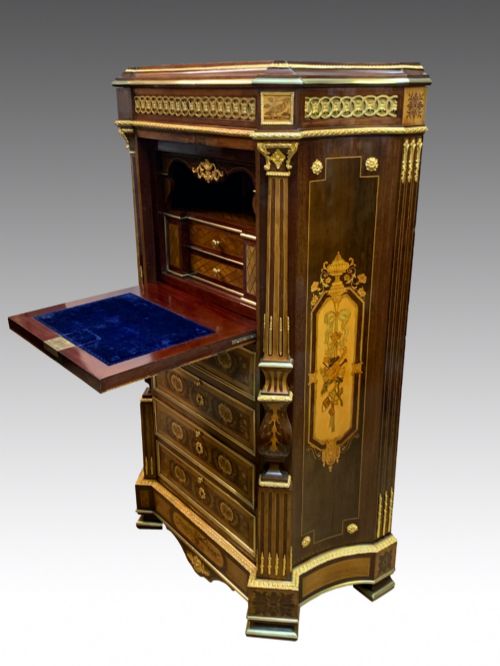
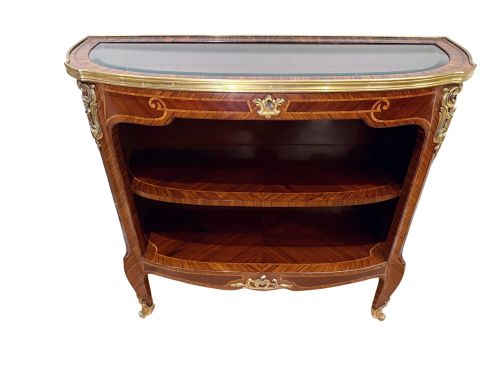
The most common examples on this page date from the mid to late nineteenth century, reflecting the enthusiasm for French Louis XV and Louis XVI designs. Makers often applied heavy ormolu mounts to burr walnut, kingwood, and ebonised carcasses topped with marble.
Buyers encounter everything from serpentine credenzas to bombé cabinets and secretaires, each combining functional storage with decorative display surfaces. The integration of porcelain plaques and mirrored doors further defines this group of refined furniture.
Materials and construction methods
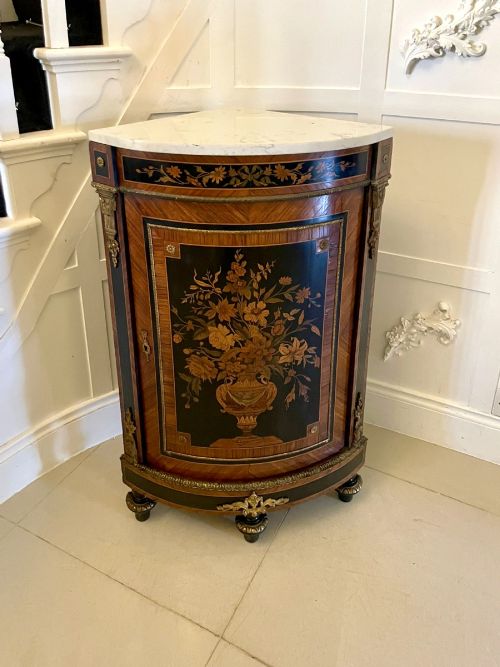
Makers constructed these cabinets using dense primary woods such as walnut, mahogany, and kingwood, frequently enhanced by intricate marquetry, parquetry, or boullework in brass and tortoiseshell. Marble tops and painted Vernis Martin panels provided contrasting textures and visual depth to the overall composition.
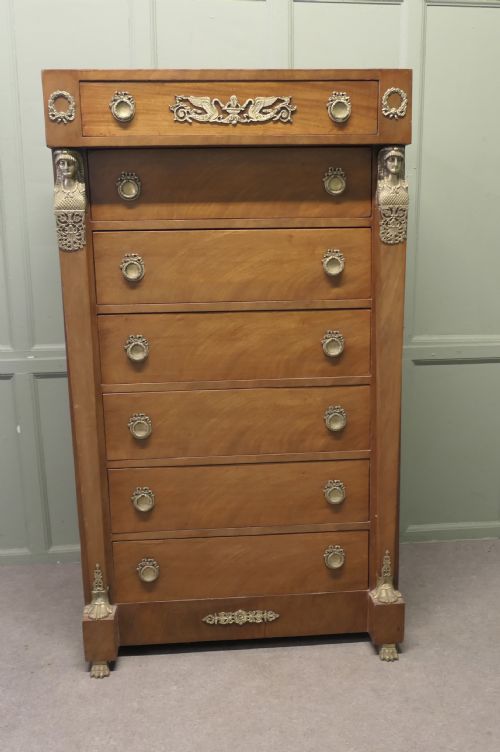
Cast gilt bronze and ormolu mounts were meticulously chased and applied to corners, borders, and feet to accentuate the architectural lines of each piece. These metal elements required skilled foundry work and secure mechanical fastening to withstand daily use.
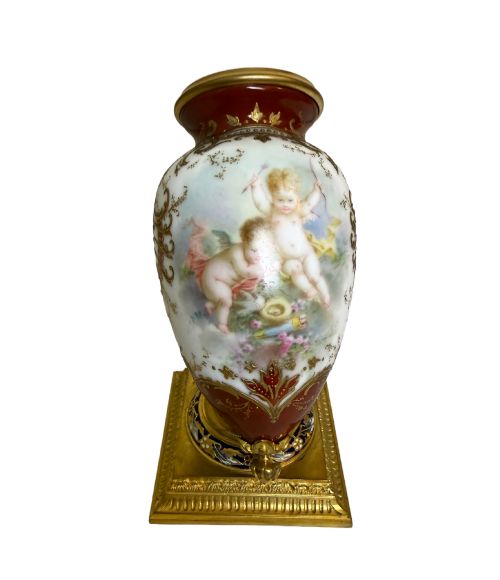
Materials appearing across these cabinets include ebonised wood, amboyna, tortoiseshell, and Sevres porcelain plaques.
Distinctions in craftsmanship
Quality rests in the crispness of the gilt bronze chasing and the precision of the timber inlay, where superior workshops achieved seamless joints and balanced proportions. The depth of the wood grain and the weight of the cast metal indicate the original maker's investment in materials.
Pieces bearing stamps from renowned makers or bearing evidence of high-end Parisian and London workshops display greater attention to interior detail, such as fitted shelving and original glass panes. Lesser examples rely on mass-produced mounts and simpler veneering techniques.
Johnstone and Jeanes·Jacques Bircklé·François Linke·H. J. Hatfield and Sons·Maison Krieger·Henry Dasson·Gillows·Maison Gagneau·E. Kahn·Blake
The Gilt Bronze Mounts Cabinet Glossary
- Ormolu
- Gilt bronze decoration applied to furniture mounts. This technique involves coating cast bronze with a finely ground gold amalgam before heating.
- Boullework
- Marquetry composed of tortoiseshell and brass inlay. Named after the royal cabinetmaker André-Charles Boulle, it creates a striking pattern of dark and metallic contrast.
- Credenza
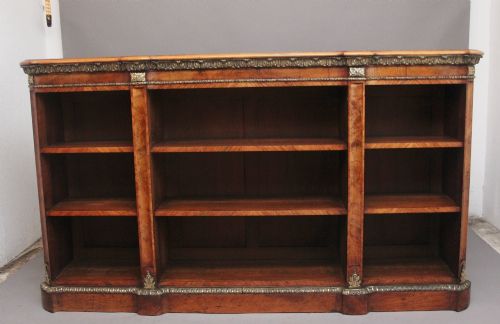
- A sideboard or display cabinet featuring doors and sometimes open ends. These pieces gained popularity in nineteenth-century drawing rooms for displaying porcelain and glass.
- Vitrine
- A glass-fronted cabinet designed for displaying objets d'art. The sides and doors incorporate glass panels to maximise light inside.
Gilt Bronze Mounts Cabinet: Frequently Asked Questions
What is a gilt bronze mounts cabinet?
A gilt bronze mounts cabinet is a piece of antique furniture decorated with cast and gilded metal fittings on woods like walnut, mahogany, or kingwood. These cabinets include vitrines, credenzas, and commodes designed for formal rooms.
Craftsmen created them to combine secure storage with decorative display surfaces. The metal mounts protect vulnerable corners and enhance the aesthetic of the timber.
How do I identify the period?
Identifying the period involves examining the timber species, construction methods, and the style of the metal mounts. Nineteenth-century revival pieces often mimic seventeenth and eighteenth-century French designs.
Secondary woods inside drawers and the type of screw fixings provide further clues to the exact manufacturing decade. Maker stamps and labels offer the most definitive dating evidence.
Where were these cabinets used?
Original owners placed these cabinets in formal drawing rooms, parlours, and dining spaces to showcase valuable collections. Vitrines held porcelain and glassware, while commodes and credenzas served functional storage roles.
Today, they function as statement pieces in residential interiors, continuing their original purpose of displaying prized items while anchoring a room's decor.