




Gilt Bronze Mirror
A gilt bronze mirror brings a heavy, metallic warmth to a room, catching the light in chased metal frames shaped by nineteenth-century French and Victorian hands.
Gilt Bronze Mirror
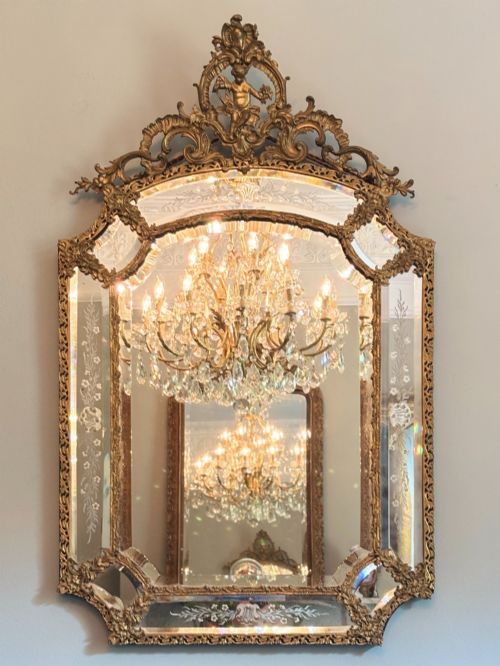
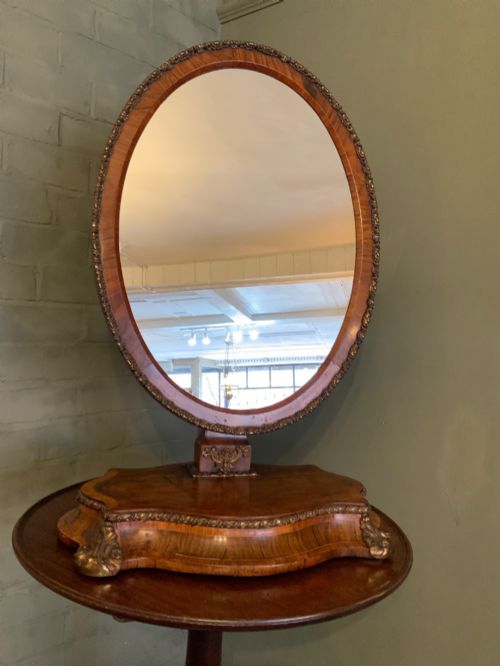
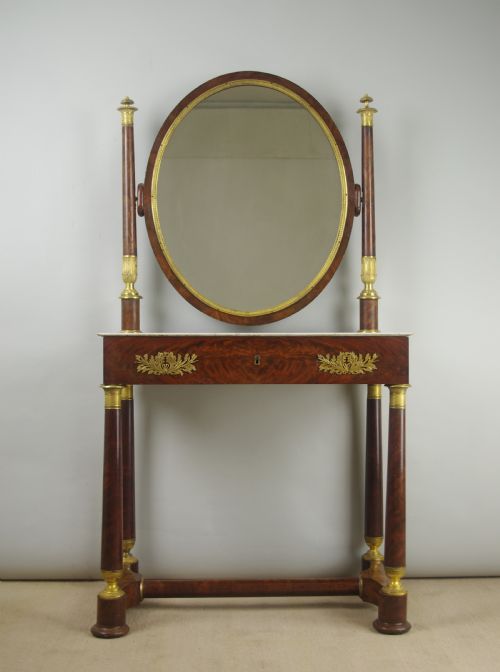
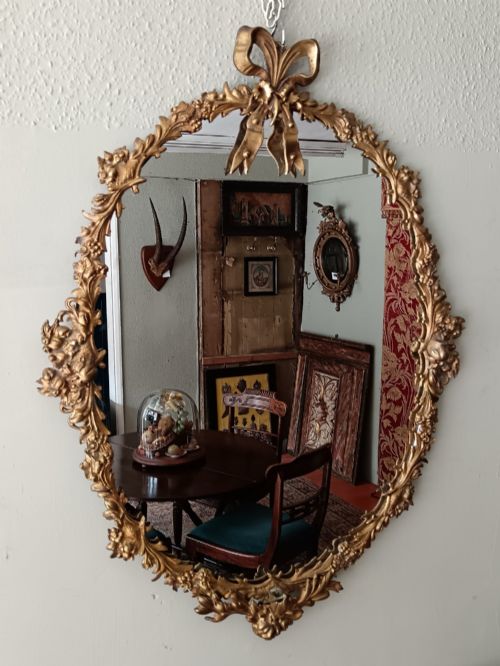
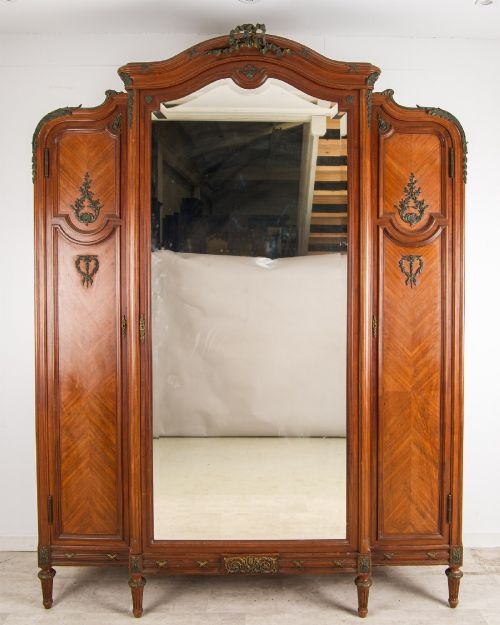
A gilt bronze mirror combines heavy cast bronze with gold leaf or mercury gilding, taking the form of wall-hanging pieces, table-top dressing glasses, and cheval frames. Most examples encountered here hail from nineteenth-century France, reflecting Revival styles such as Louis XVI, Rococo, and Empire.
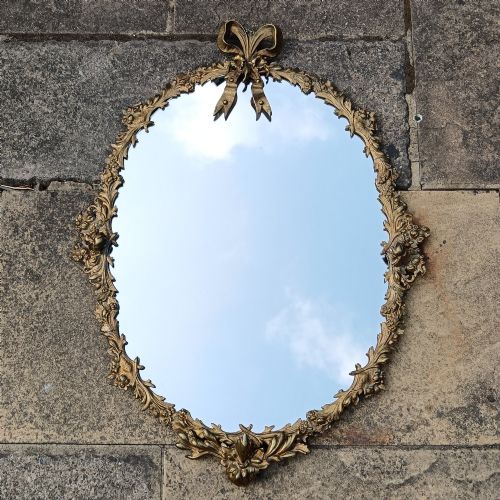
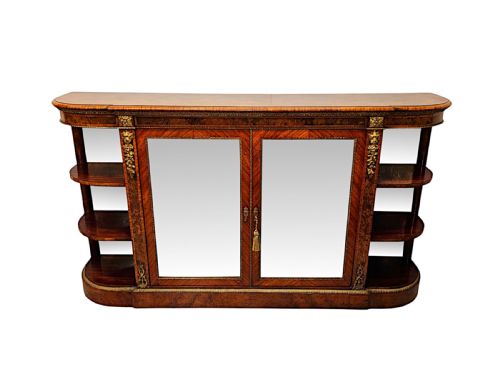
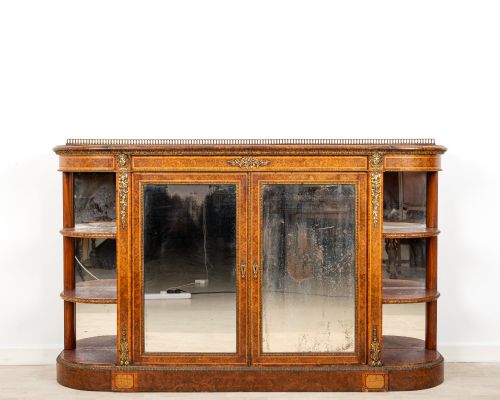
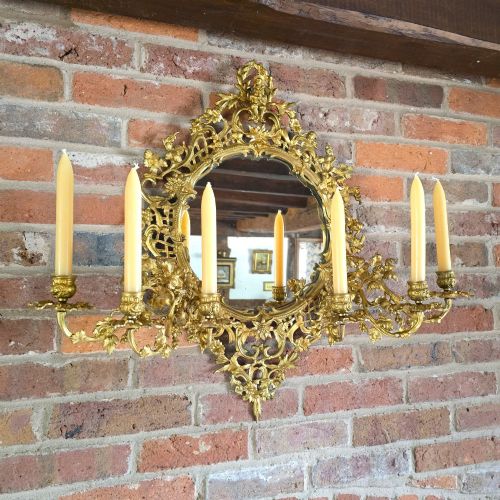
The objects range from modest toilet mirrors designed for a dressing table to large wall mirrors framed with scrolling acanthus leaves, cherubs, or candelabra branches. Alongside dedicated mirrors, the form frequently appears mounted upon credenzas, armoires, and marble-topped console tables.
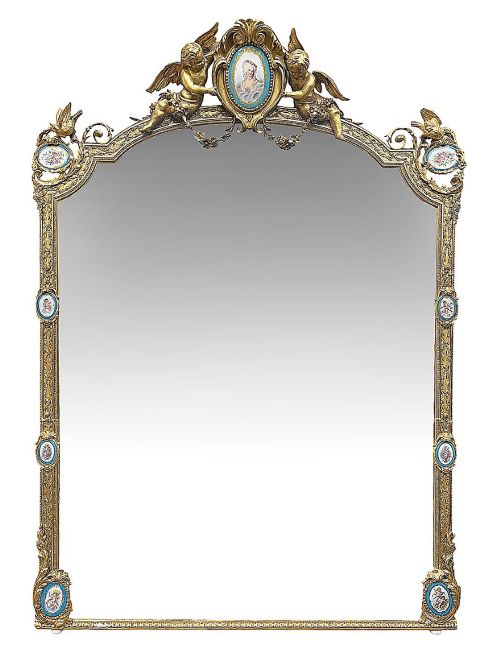
Buyers seeking this phrase select between compact table-top vanity glasses set with enamel or porcelain plaques and grand architectural wall pieces built for formal reception rooms.
How they were made
The frames begin as molten bronze poured into sand or lost-wax moulds, creating deep relief ornament that requires skilled hand-chasing with small steel punches to sharpen the details of foliage and figures. Artisans then apply a layer of gold leaf or use an amalgam of gold and mercury, known as ormolu, before firing the metal in a kiln to bond the gold.
Glass plates within these frames are heavy and bevelled at the edges, held in place by wooden backs secured behind the metal mountings. Secondary woods like mahogany, walnut, and kingwood often provide the structural chassis for dressing tables and vanity stands that incorporate the metalwork.
Gilt Bronze Mirror Retail Price Guide 2026
Typical asking prices for gilt bronze mirror among the pieces listed under this phrase on Sellingantiques today, from the lower quarter to the upper quarter. They describe what is for sale here now, not the wider market.
Listings for this phrase frequently combine gilt bronze with mahogany, kingwood, burr walnut, and Sevres porcelain panels.
What varies in quality
The depth and crispness of the bronze chasing separate finer pieces from mass-produced castings, as superior mounts retain sharp edges on feathers, hair, and scrollwork without softening from worn moulds. Hand-applied mercury gilding yields a deep, buttery lustre that ages with a subtle patina, differing from the flat, brassy shine of modern electroplating.
The integrity of the original mirror glass and the weight of the bronze casting determine the structural longevity of the piece. Frames with integrated porcelain plaques, champleve enamel panels, or maker signatures indicate workshops that invested greater labour in assembly.
Thiebaut Freres·G. Durand·Gillows·Town and Emanuel
The Gilt Bronze Mirror Glossary
- Ormolu
- Gilded bronze produced by applying a mercury and gold mixture to a cast bronze base and heating it until the mercury evaporates. This technique creates a durable, warm metallic finish common on nineteenth-century French furniture mounts.
- Champleve
- An enamelling technique where troughs or cells are hollowed out of the metal surface and filled with coloured glass paste before firing. It frequently decorates the borders of nineteenth-century table mirrors and frames.
- Cheval mirror
- A full-length mirror hung in a frame on pivots, allowing the glass to tilt back and forth. These freestanding pieces often stand on four legs with bronze mounts.
- Girandole
- A branched wall-light or sconce fitted with a mirror to reflect and multiply the candlelight. They appear in pairs with gilt bronze and crystal elements.
- Vernis Martin
- A simulated Japanese lacquer technique developed in France, often seen on furniture panels accompanying gilt bronze mounts. It provides a glossy, translucent finish in various colours.
Gilt Bronze Mirror: Frequently Asked Questions
How do I clean a gilt bronze frame?
Dust the metal gently with a soft, dry brush to prevent dirt accumulation in the recessed chased details. Avoid commercial metal polishes, as they strip away the original gold gilding.
For the mirror glass, use a cloth lightly dampened with water or standard glass cleaner, ensuring no liquid seeps behind the plate or touches the bronze edges.
Were these mirrors meant for walls or tables?
Both formats were common in the nineteenth century, depending on the room and function. Smaller table mirrors and vanity glasses sat on dressing tables or commodes for personal grooming.
Larger wall mirrors hung above mantelpieces or console tables, often accompanied by matching candelabra branches or wall sconces to illuminate dark parlours.
How can I tell a Louis XV style piece from an original?
Most pieces matching this description date from the nineteenth-century Revival periods rather than the eighteenth-century reign of Louis XV. Examine the construction of the wooden backboards, screw types, and the composition of the bronze casting.
Nineteenth-century interpretations utilise machine-sawn timbers and heavier cast bronze mounts while faithfully copying earlier asymmetrical Rococo motifs.
What is the difference between ormolu and gilt bronze?
Ormolu specifically refers to gilt bronze created through the historic mercury amalgamation process, yielding a distinct golden hue. Gilt bronze is a broader term encompassing any bronze object coated in gold, whether through fire gilding, leaf application, or modern plating.
Older nineteenth-century pieces generally employ fire-gilded ormolu, which presents a softer, deeper finish than chemical alternatives.