


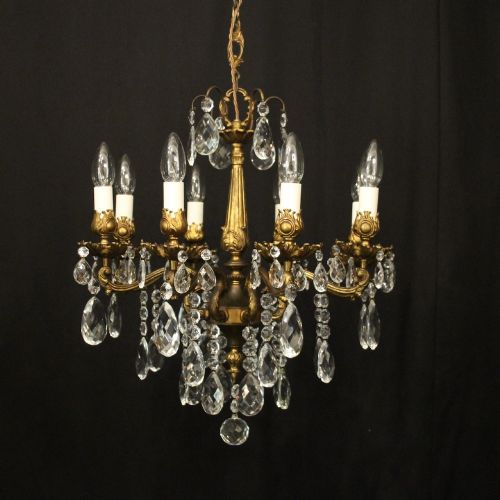
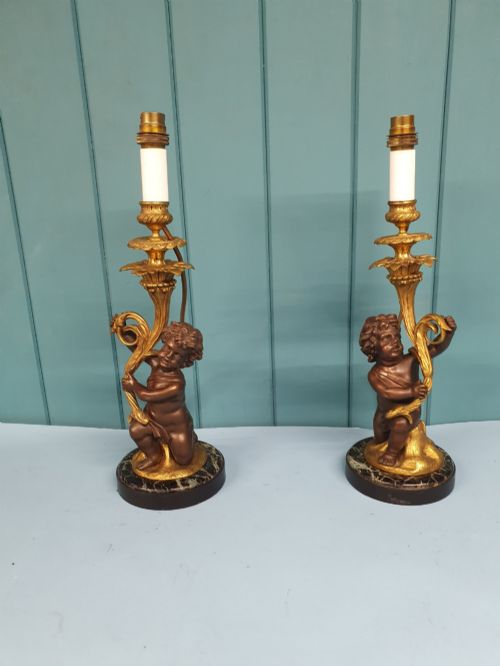
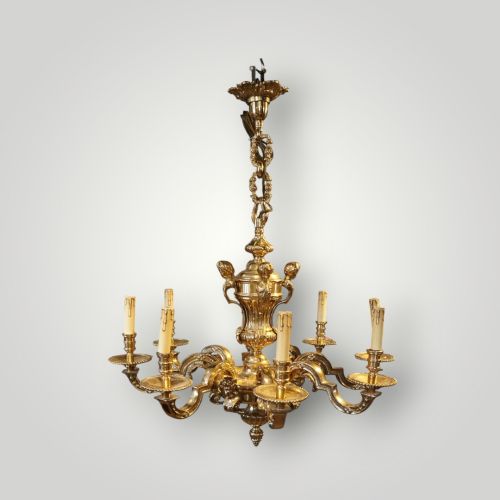
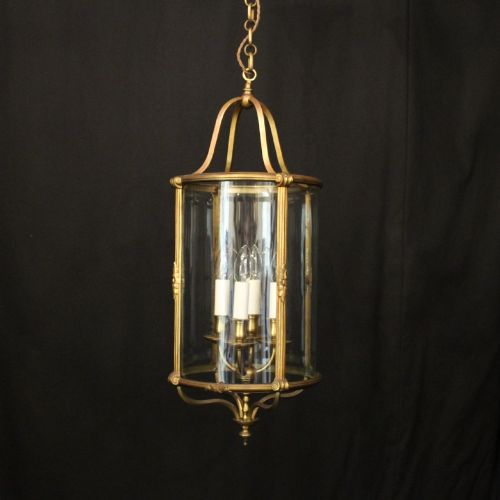

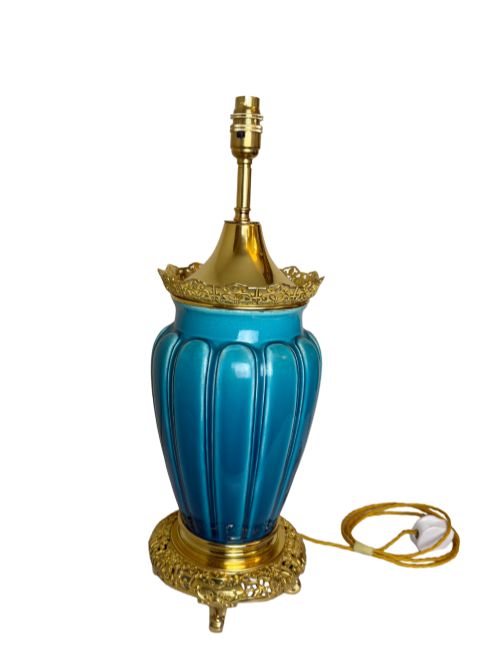
Gilt Bronze Lamps
Gilt bronze lamps combine cast metal with mercury or electro-gilt finishes, bringing warmth and weight to period interiors.
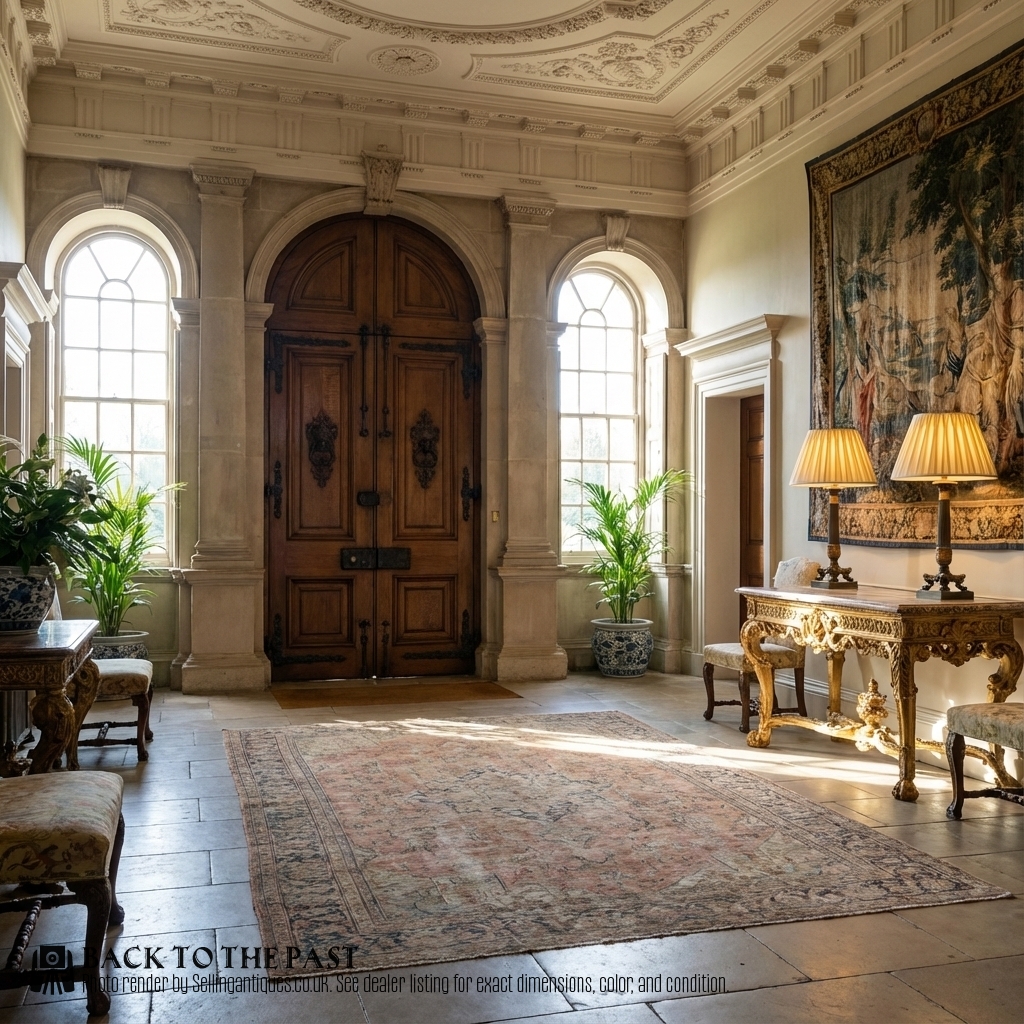
Gilt bronze lamps
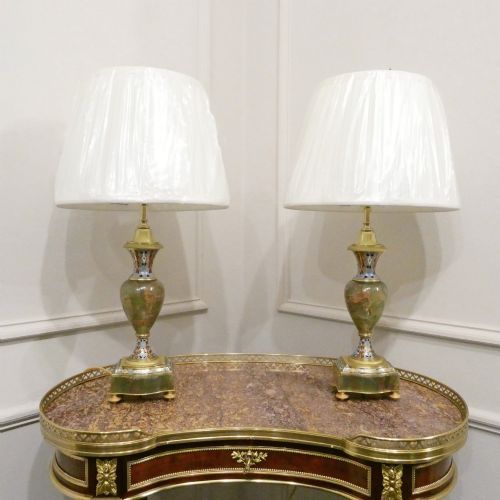
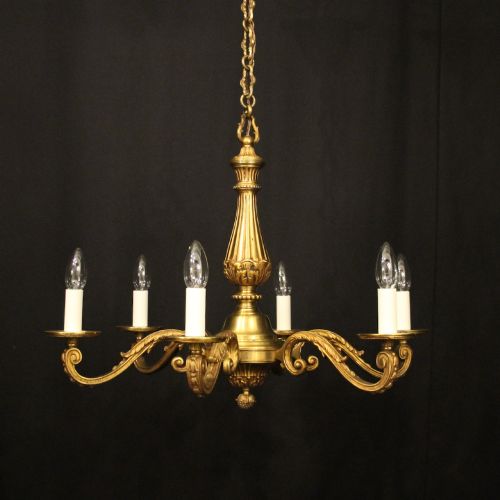
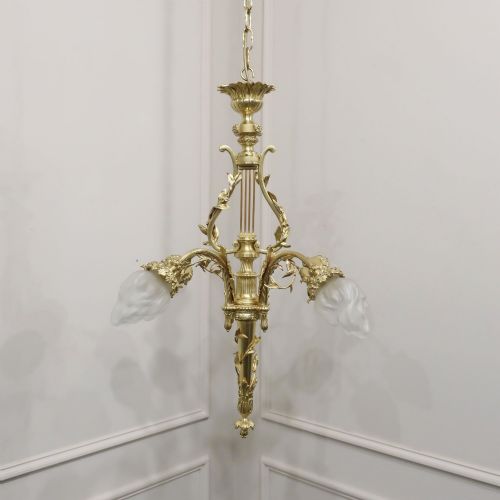
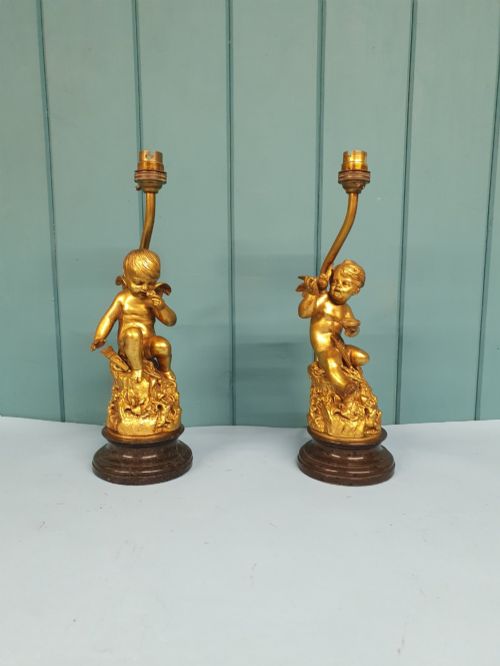
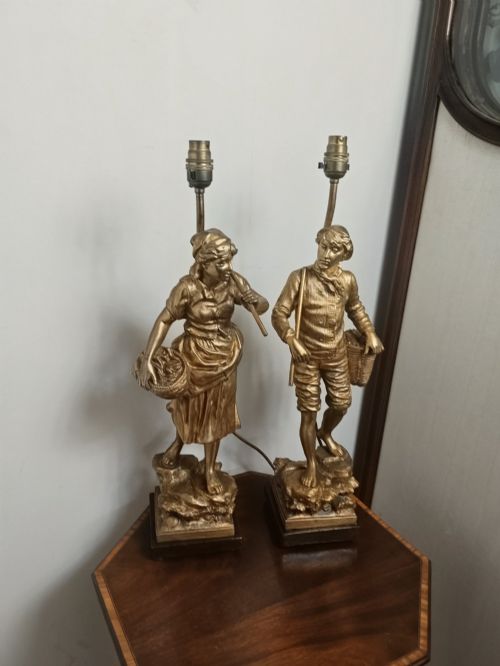
Gilt bronze lamps encompass table lamps, lamp bases, wall lamps, and converted candelabra appearing primarily as matched pairs. The selection draws heavily from nineteenth-century French and Regency production, alongside early twentieth-century examples.
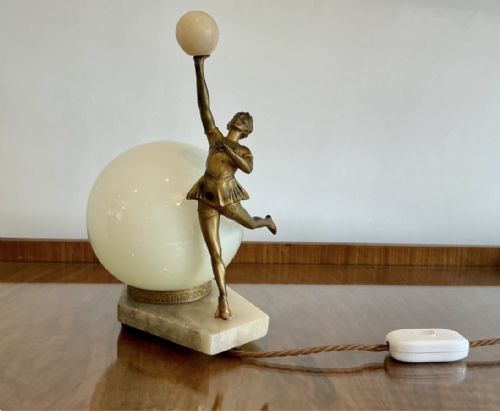
Forms span classical urns, figural compositions featuring cherubs and putti, and architectural columnar designs. Many incorporate contrasting mineral plinths or columns to elevate the silhouette.
Stylistic influences range across Rococo Revival, Neoclassical, French Empire, and Louis styles, reflecting European decorative tastes from the early nineteenth century onwards.
Materials and Techniques
Construction relies on cast bronze, brass, or ormolu finished with mercury gilding or modern electroplating to achieve a durable golden sheen. Founders often combined patinated dark bronze with bright gilt highlights to accentuate cast relief work.
Bases and secondary columns frequently utilise natural stones including white or rouge royal marble, onyx, alabaster, and champleve enamel panels. Fabric components, notably silk shades, complete the lit configurations on surviving pieces.
Retail Price Guide 2026
Typical UK retail prices for gilt bronze lamps, calculated from the Sellingantiques database of over a million retail prices indexed since 2003. This retail price guide relies exclusively on Sellingantiques data; no external sources or auction records are used, so the figures do not describe the wider market.
Evaluating Quality
The crispness of the chased detail defines the upper tier of production, where hand-finished chiselling remains sharp across hair, drapery, and acanthus foliage. Softer, rounded cast surfaces indicate mass production or later secondary casting.
Substantial weight from dense bronze and solid marble or onyx plinths distinguishes superior works from lighter, hollow assemblies. Integration between metal mounts and stone bases reveals the precision of the original workshop.
F.C Osler·Paul Sormani·Barbedienne·Clodion
The Gilt Bronze Lamps Glossary
- Ormolu
- Gilded bronze produced through mercury amalgamation, creating a deep, durable metallic lustre found on nineteenth-century French works.
- Cassolette
- A dual-purpose decorative vessel that reverses to function as a candlestick or lamp base.
- Champleve
- An enamelling technique where troughs are gouged into metal and filled with vitreous paste before firing.
- Patinated bronze
- Metal treated chemically to darken the surface contrast against bright gilt details.
- Putti
- Depictions of chubby male infants, frequently incorporated into figural lamp stems.
Frequently Asked Questions
Are these lamps converted from older items?
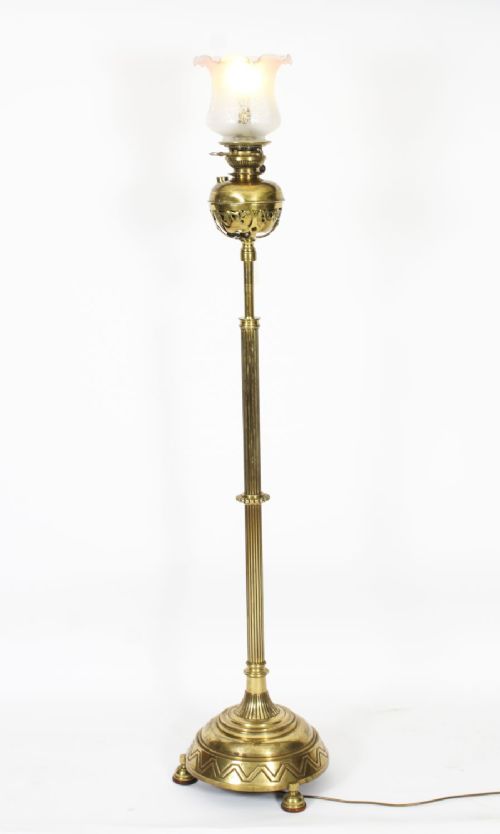
Many nineteenth-century examples began life as oil lamps, candlesticks, or candelabra before receiving modern electrical wiring.
Conversion methods vary, though professional adaptations preserve the original metal body without compromising structural integrity.
How do I identify French Empire style?
French Empire pieces favour strict symmetry, military motifs, classical urns, and heavy patinated bronze paired with bright ormolu mounts.
These designs draw directly from classical antiquity and nineteenth-century Napoleonic taste.
What maintenance do these lamps require?
Dust gently with a dry, soft cloth to prevent accumulation in the chased crevices of the bronze work.
Avoid chemical polishes and abrasive cleaners, which strip the thin historical gilt layer from the metal surface.
How do I tell marble from onyx bases?
Marble displays opaque veining and crystalline structure, whereas onyx exhibits a translucent, layered banding that catches transmitted light.
Both stones provide a stable, heavy footing for substantial bronze lamp bodies.