


Gilt Bronze Dancer Statue
A gilt bronze dancer statue captures frozen motion through lustrous metal and balanced form, bringing dynamic grace straight into your interior.
Gilt Bronze Dancer Statue
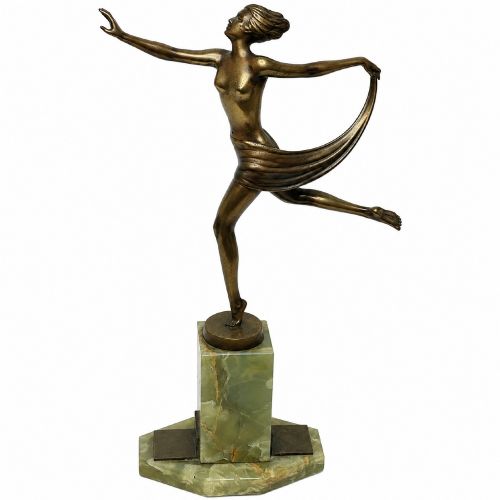
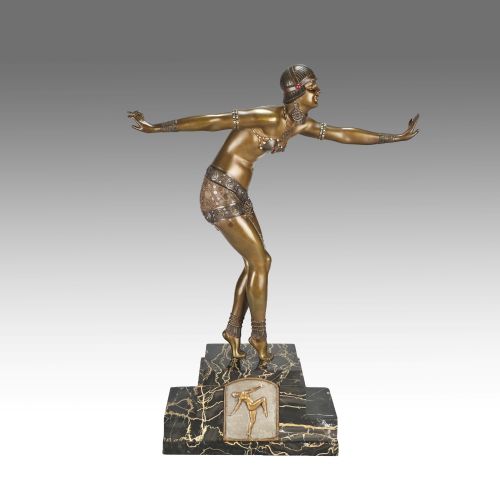
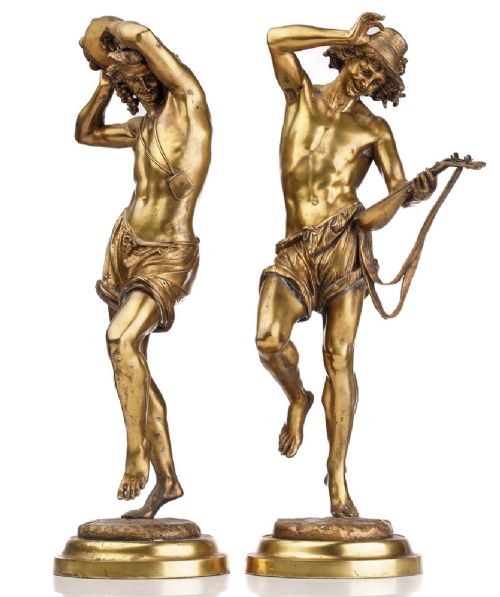
When you search for a gilt bronze dancer statue, you encounter sculptural works that capture movement from the nineteenth and early twentieth centuries. These figures embody dance forms ranging from classical antiquity to the height of the Art Deco era.
The most common versions on this page originate from the 1920s and 1930s, reflecting distinct Art Deco aesthetics. Alongside these twentieth-century designs, you find nineteenth-century French interpretations and Art Nouveau depictions of dancing maidens.
Makers and sculptors of these pieces utilise figurative subjects mounted on sturdy bases. Female nudes, exotic dancers, and musicians appear frequently across the available selections.
Materials and construction methods
Artisans employed bronze and gilded bronze as the primary structural medium for these sculptures. Gilt, parcel-gilt, and cold-painted treatments provide surface colour and highlight anatomical details.
Many sculptures combine metalwork with carved ivory elements, forming chryselephantine compositions. Bases frequently utilise contrasting natural materials such as marble and onyx to ground the dynamic figures.
Listings feature works spanning the nineteenth century, 1910, 1920, and 1930. Materials include onyx, ivory, marble, and gilt bronze.
Distinguishing quality across the range
The integration of mixed materials dictates visual success. Seamless joints between ivory elements, metal garments, and heavy stone bases demonstrate superior craftsmanship.
Josef Lorenzl·Demetre Chiparus·Paul Philippe·Claire Colinet·Jean Jacques Pradier·Charlotte Monginot·Albert Ernest Carrier-Belleuse
The Gilt Bronze Dancer Statue Glossary
- Gilt bronze
- Metalwork treated with a thin layer of gold or gold leaf to produce a lustrous golden finish. This technique protects the underlying bronze while enhancing decorative appeal.
- Chryselephantine
- Sculptures combining bronze and ivory materials. This method gained immense popularity during the Art Deco period for depicting theatrical costumes.
- Cold-painted
- Pigment applied to metal surfaces without heat firing. This finish allows for intricate multi-coloured details on garments and hair.
- Parcel-gilt
- A decorative treatment where only specific portions of an object receive gilding. This creates contrast against patinated or dark bronze surfaces.
Gilt Bronze Dancer Statue: Frequently Asked Questions
What periods do these dancer statues represent?
The pieces span from the nineteenth century through the early twentieth century. Art Deco and Art Nouveau styles dominate the later decades.
Earlier nineteenth-century pieces showcase neoclassical and French academic traditions. Twentieth-century examples lean heavily into modernist theatrical movements.
What materials make up these sculptures?
Primary construction relies upon bronze, gilded bronze, and gilt bronze. Surface treatments often incorporate cold-painted pigments and parcel-gilt highlights.
Sculptors frequently integrated carved ivory for flesh tones alongside heavy marble or onyx bases. These contrasting textures define the aesthetic of the era.
How were these figures displayed originally?
These sculptures served as decorative interior ornaments for domestic drawing rooms and salons. Their sturdy stone bases allowed them to stand securely on mantelpieces or tabletops.
Collectors positioned them to catch natural light, accentuating the metallic sheen and intricate carved details.
How do I identify an Art Deco dancer?
Art Deco dancer figures exhibit stylised geometry, sleek lines, and aerodynamic poses inspired by contemporary theatre and ballet. Costumes often reference Egyptian or exotic themes.
Materials frequently include chryselephantine elements paired with sleek marble plinths, separating them from nineteenth-century academic bronzes.