


Gilt Brass Mounted Cupboard
These gilt brass mounted cupboard examples combine fine timber work with decorative metal mounts to form striking storage pieces.
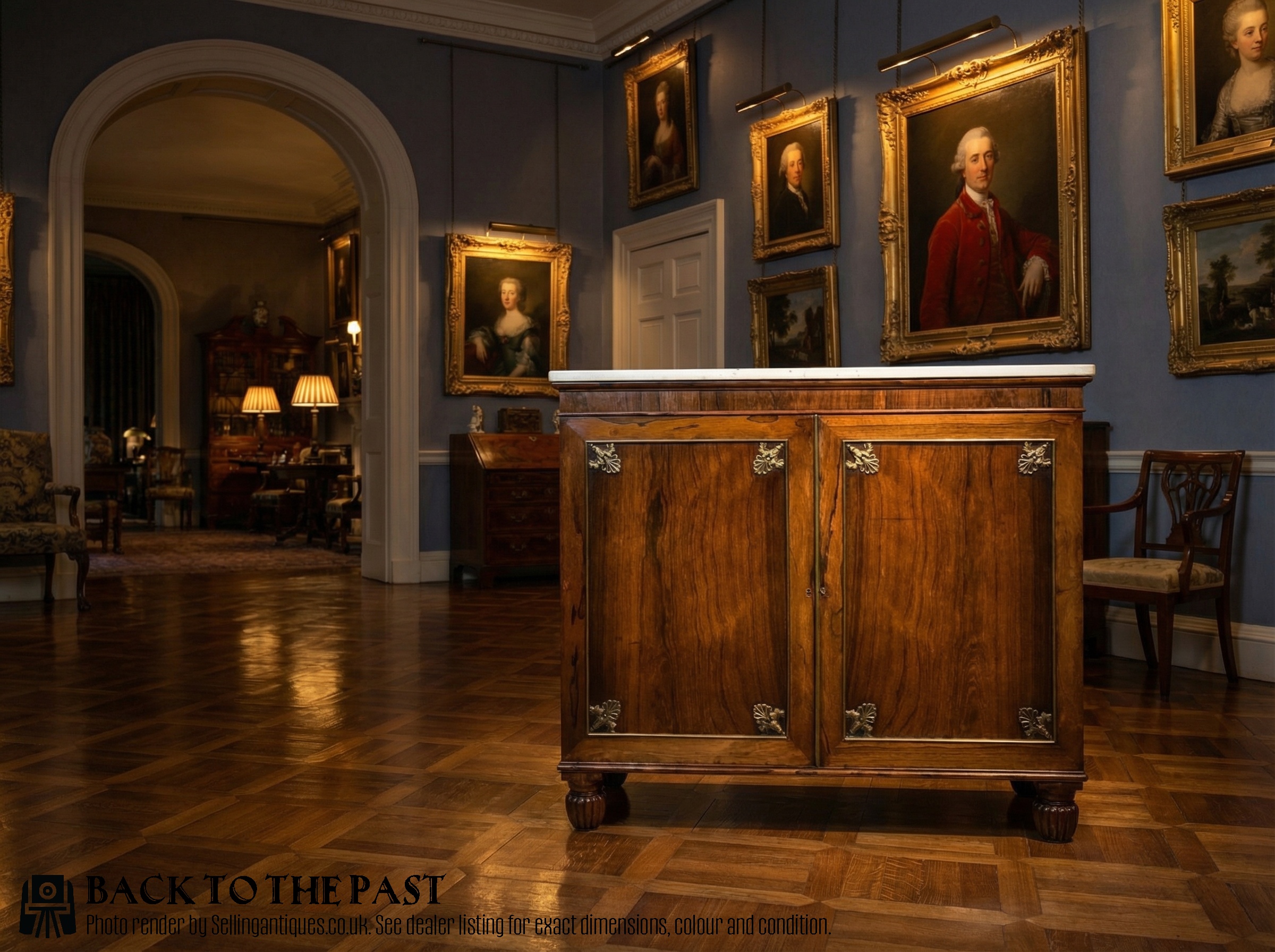
Gilt Brass Mounted Cupboard
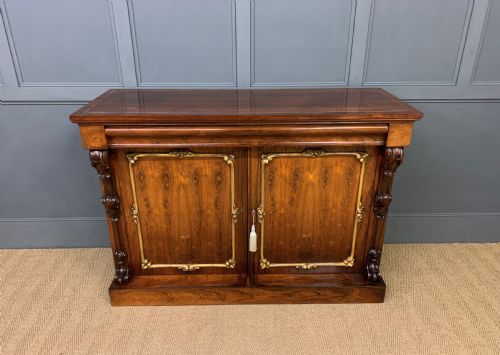
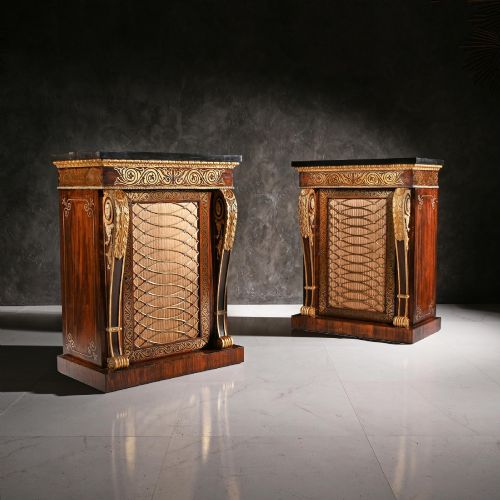
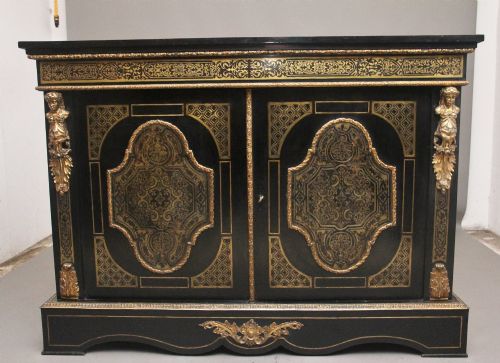
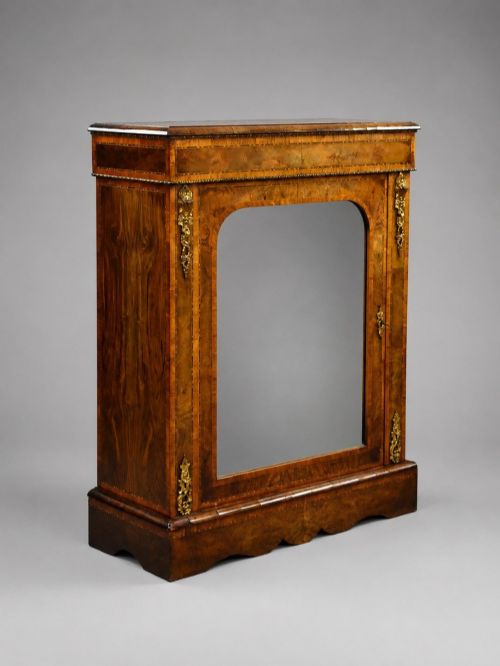
A gilt brass mounted cupboard encompasses a diverse range of cabinets, side cabinets, and credenzas spanning several centuries from the seventeenth to the twentieth. Buyers hunting for a gilt brass mounted cupboard encounter forms such as pier cabinets, side cabinets, and cabinets on stands originating from various European and Asian traditions.
How they were made
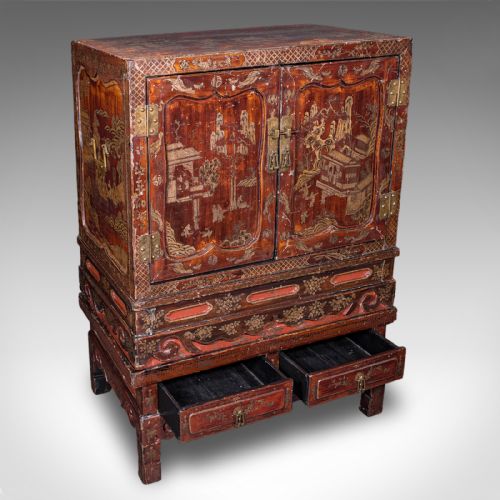
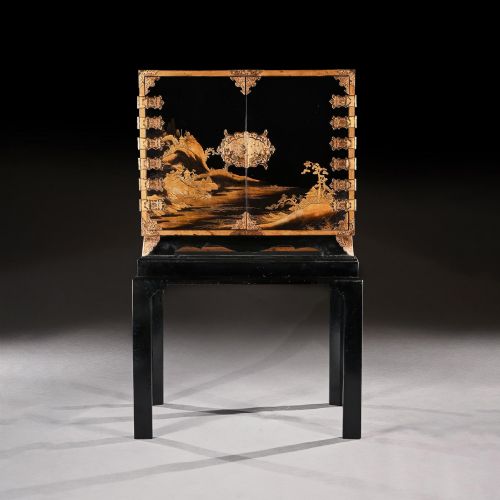
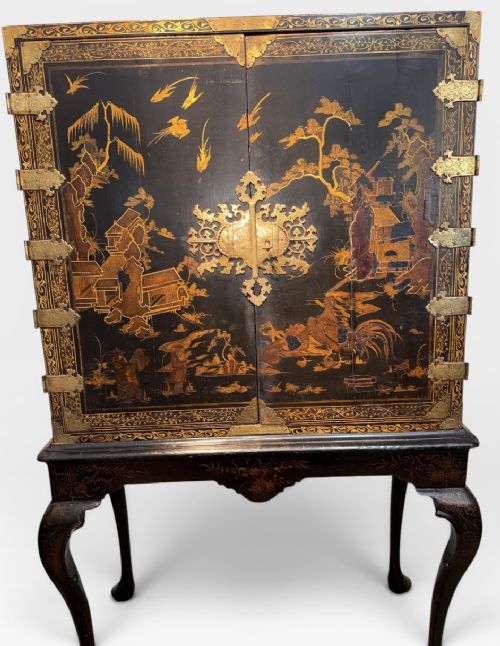
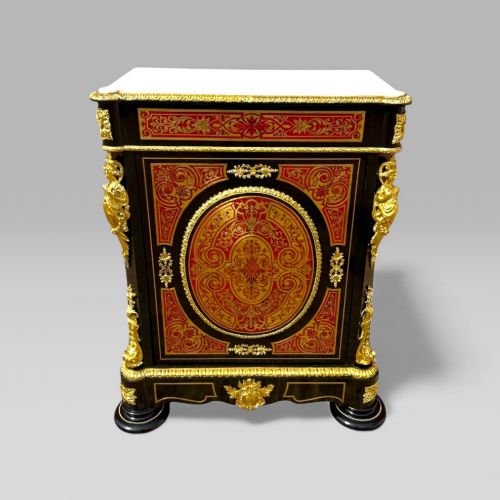
Construction relies heavily on timbers such as rosewood, burr walnut, kingwood, and ebonised wood often serving as a dark ground for applied decoration. Lacquer work and boulle technique involving brass and tortoiseshell appear frequently across the periods.
Metal enrichment utilises gilt brass, ormolu, and gilt-metal mounts secured to the exterior to highlight architectural lines and door borders. Marble tops also feature on select French and Victorian examples.
Listings feature woods including rosewood, burr walnut, ebonised wood, and kingwood alongside materials like marble and tortoiseshell.
What varies in quality
Quality rests in the precision of the cabinetmaking and the crispness of the cast mounts attached to the structure. Finer examples display meticulous attention to timber grain selection, marquetry inlay, and the integration of porcelain plaques or lacquer panels.
The handling of the gilt brass or ormolu defines the upper tiers of craftsmanship, showing sharp chiselling rather than soft, mass-produced detailing. Proportion and the integrity of the original surfaces dictate the standing of individual items.
Louis Constantin Le Gaigneur·Gillows
The Gilt Brass Mounted Cupboard Glossary
- Ormolu
- Gilded bronze used widely for decorative mounts on fine furniture. It provides a rich gold-coloured metallic finish that enhances the cabinet exterior.
- Boulle
- A form of marquetry employing brass and tortoiseshell inlaid in elaborate patterns. This technique was favored by French cabinetmakers during the nineteenth century.
- Pier Cabinet
- A narrow display cabinet designed to fit the wall space between windows. These pieces often incorporate glass doors and velvet-lined interiors.
- Credenza
- A low dining-room sideboard or cabinet used for serving food and displaying plate. Victorian iterations frequently feature elaborate marquetry and gilt mounts.
- Chinoiserie
- European artistic style reflecting Chinese motifs and techniques. It appears prominently on lacquered cabinets and stands.
Gilt Brass Mounted Cupboard: Frequently Asked Questions
What periods do these cabinets come from?
The pieces span from the seventeenth century through the Victorian era up to the twentieth century. Examples include Regency rosewood side cabinets and late seventeenth-century Japanese lacquer work.
Each period brings distinct stylistic traits, from Spanish baroque influences to Napoleon III ebonised finishes.
Where were these cabinets placed in a home?
Side cabinets and credenzas typically stood against principal drawing room or dining room walls for storage and display. Pier cabinets fitted specifically into narrow wall spaces between architectural openings.
Cabinets on stands functioned as prominent focal points in formal reception rooms.
How do I care for wood and lacquer surfaces?
Maintain stable room temperatures and protect the timber and lacquer finishes from direct sunlight to prevent fading. Dust gently with a soft dry cloth.
Avoid liquid polishes or harsh chemical cleaners that can damage delicate gilt brass mounts and tortoiseshell.
What is a cabinet on stand?
A cabinet on stand consists of a main enclosed storage box elevated on a separate supporting framework. This form highlights imported lacquer panels or decorative woodwork.
The supporting stand often mirrors the decorative vocabulary of the upper cabinet.