





Gilt Architectural Wall Mirror
A gilt architectural wall mirror brings depth and classical proportion to a room, using reflective glass and gilded framing to command the wall.
Gilt Architectural Wall Mirror
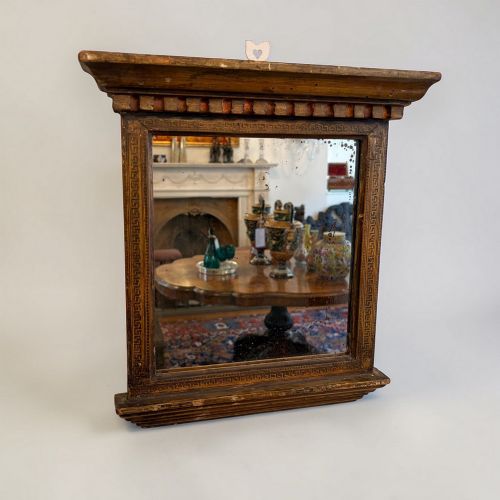
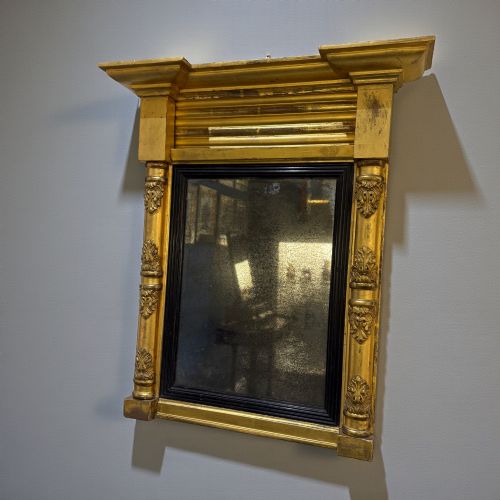
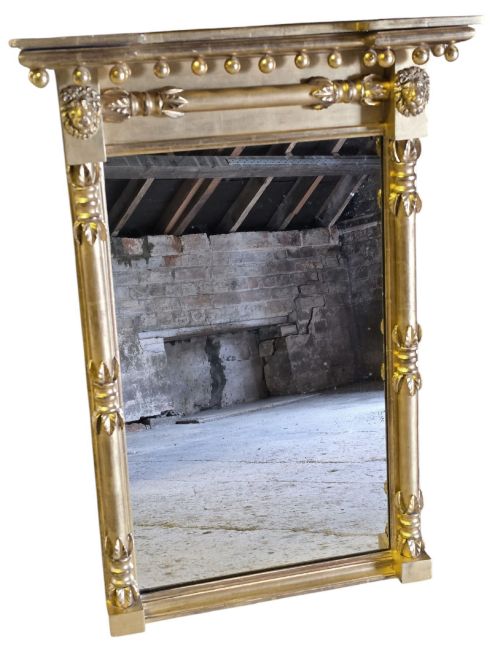
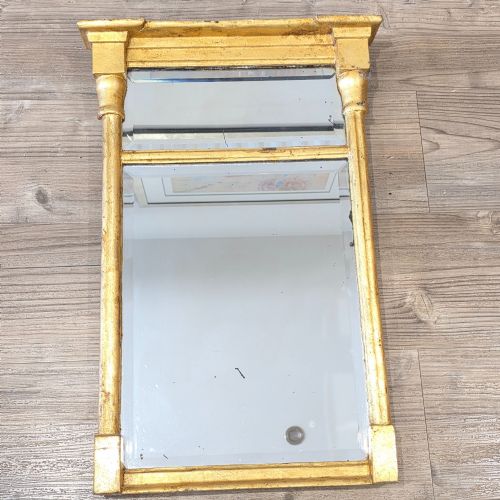
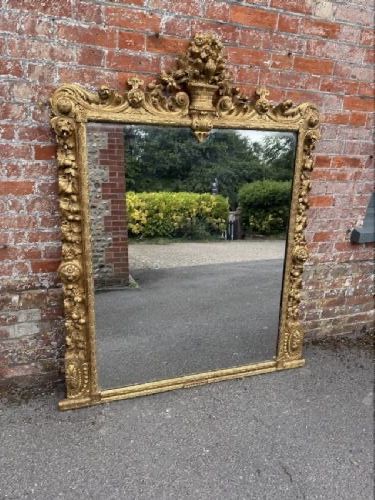
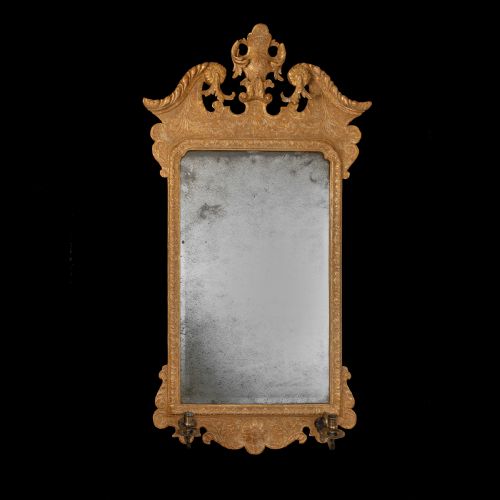
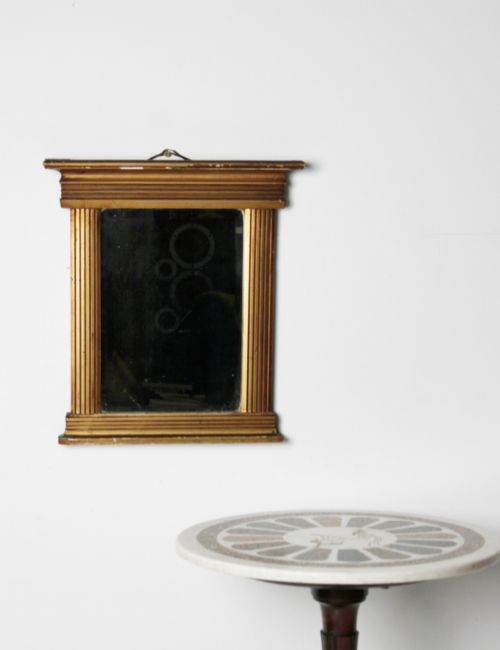
A gilt architectural wall mirror is a grand furnishing designed to reflect light and expand the visual space of an interior. These pieces draw on classical vocabulary, taking the form of large overmantels, pier mirrors, and wall glasses that mirror architectural elements like pilasters and cornices. The examples found here span the eighteenth and nineteenth centuries, including Regency, Victorian, and George II periods.
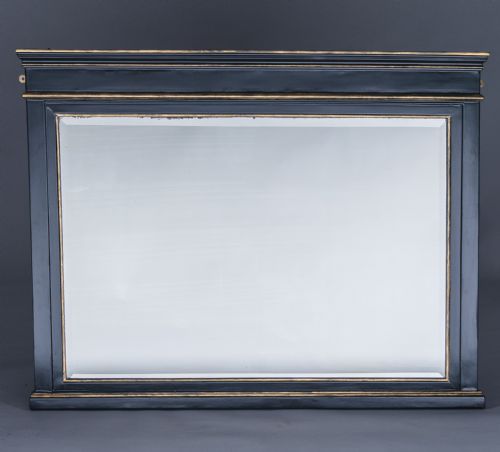
Overmantle mirrors dominate the selection, built long and low to sit above a fireplace mantelpiece. Pier mirrors offer a narrower format intended to hang on the wall space between windows. Alongside these, buyers will find neoclassical, Empire, and Rococo Revival styles shaped by earlier design movements.
How they were made
The construction of these frames relies upon carved timber bases shaped from wood such as walnut or mahogany. Artisans applied layers of gesso - a chalk and glue mixture - over the wood to build up crisp relief details and mouldings before gilding. Gold leaf or liquid gilding was then laid down to create the bright metallic finish characteristic of the style.
Many surfaces incorporate composition ornament, a pressed putty material moulded and applied to the wooden frame to achieve intricate decorative motifs quickly. Mirror glass plates from earlier centuries were frequently cast or blown, resulting in subtle imperfections that catch the light differently than modern float glass.
Some antique mirror glass retains small wavy distortions that turn modern reflections into a charming oil painting.
What varies in quality
Quality rests in the crispness of the carved or moulded detail and the depth of the gilding layers. Finer pieces display hand-carved wooden enrichment that retains sharp edges, whereas simpler production relies heavily on moulded composition ornament over plain timber.
The integrity of the original mirror plate and the backing boards also distinguishes the pieces. Retaining the original mercury or silvered glass plate adds historical weight, while later replacements alter the character of the reflection.
William Kent
The Gilt Architectural Wall Mirror Glossary
- Giltwood
- Wood that has been coated with thin sheets of gold leaf. This technique creates a durable and luminous metallic surface that resists tarnishing over decades.
- Gesso
- A mixture of gypsum or chalk mixed with a binding agent. It provides a smooth white ground on wooden frames for subsequent gilding and relief carving.
- Pier glass
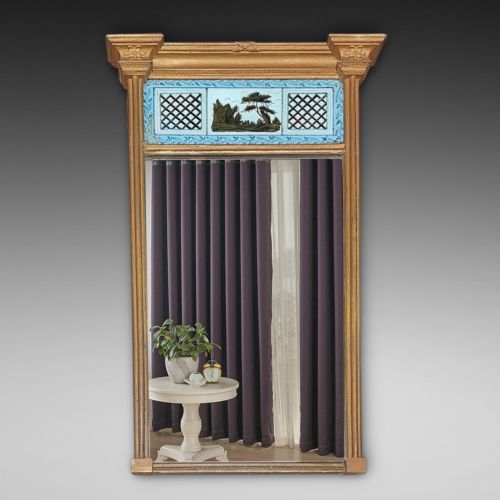
- A tall mirror designed specifically to hang on the narrow wall between two windows. They often sat above matching console tables in formal reception rooms.
- Overmantle mirror
- A wide horizontal mirror created to hang directly above a fireplace mantelpiece. These often incorporated tripartite glass plates and architectural cornices.
- Verre eglomise
- A cold decoration technique where design elements are gilded and painted onto the reverse side of glass. It appears frequently in the frieze panels of Regency pier mirrors.
- Composition
- A moulded mixture of whiting, resin, linseed oil and glue pressed into shape while warm. It allowed makers to produce ornate decorative mouldings more rapidly than hand carving.
Gilt Architectural Wall Mirror: Frequently Asked Questions
Where should I hang an overmantle mirror?
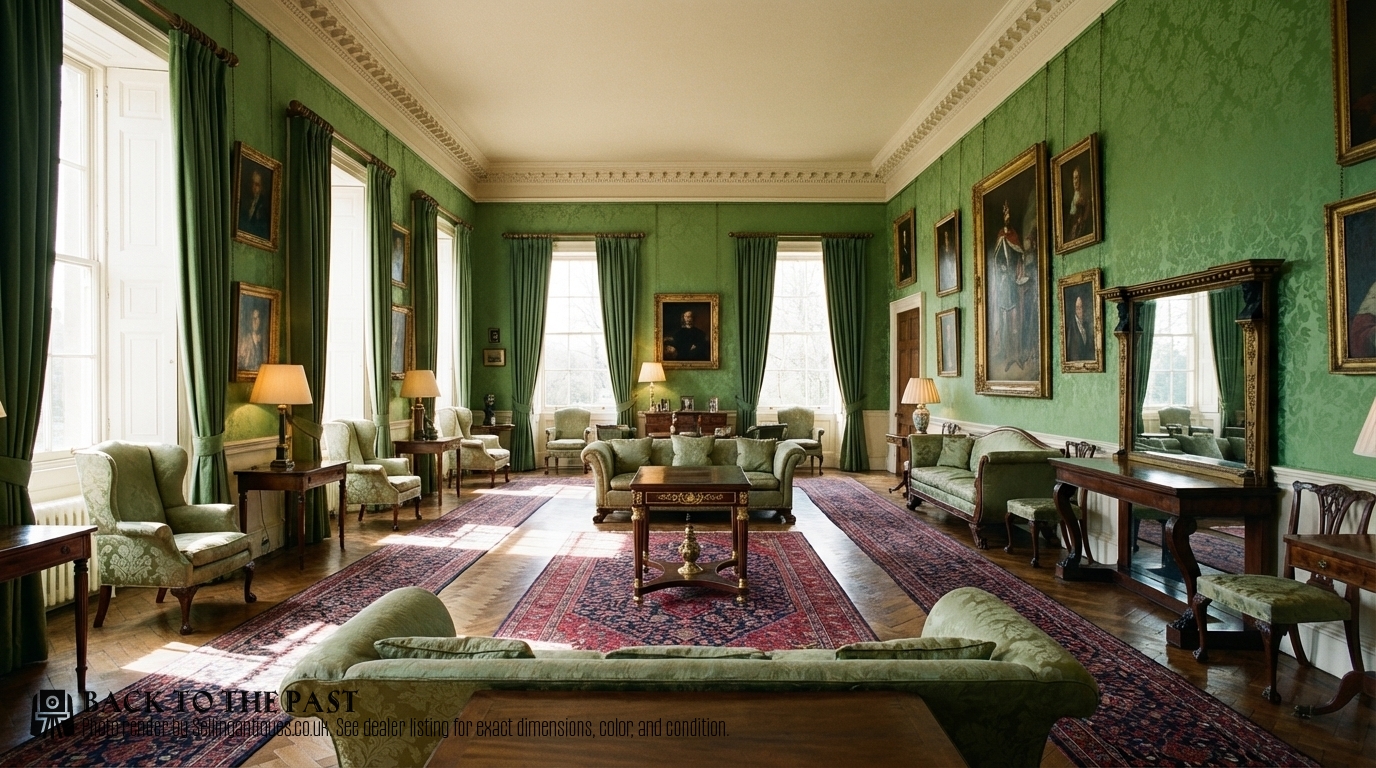
These mirrors traditionally sit directly above the fireplace mantelpiece, anchoring the vertical space of the chimney breast. Their generous proportions help draw the eye upward and reflect natural light across the room.
Ensure the wall fixings are rated to support the considerable weight of a wooden and gesso frame. Positioning the glass to reflect a window or chandelier maximises its impact in the interior.
How do I identify a Regency period mirror?
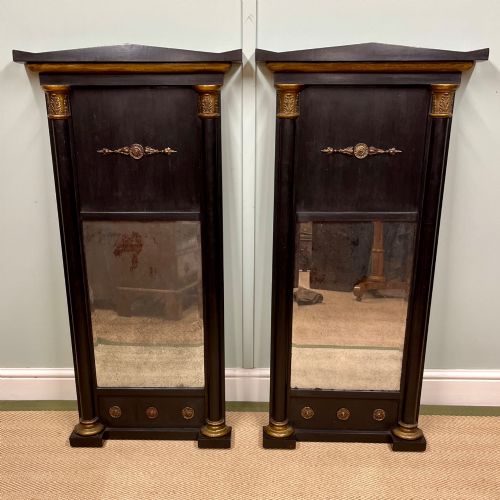
Regency mirrors often feature classical motifs such as reeded columns, ball-stud frames, and ebonised details. The influence of neoclassical and Egyptian revival styles appears frequently in the framing.
Look for verre eglomise panels in the upper section and convex or flat plates held within architectural cornices. Construction details on the reverse help confirm the nineteenth-century origin.
What is the difference between a pier mirror and an overmantle?
Pier mirrors are built taller and narrower to fit the specific wall space between two windows. They were made to pair with pier tables placed below them.
Overmantle mirrors are broader and lower, designed to span the horizontal width of a fireplace. While both use giltwood and classical motifs, their differing proportions serve distinct architectural locations.
How do I care for antique giltwood?
Dust the gilded surface gently with a soft, dry brush to prevent accumulation without disturbing the delicate gold leaf. Avoid liquid cleaners and chemical sprays, which can strip the thin metallic layers from the gesso underneath.
Keep the mirrors away from direct sunlight and damp environments to protect the wooden substrate and silvered glass plate from deterioration.