



Gillows Style Chairs
Gillows style chairs bring robust Lancaster cabinet-making into the room, spanning formal dining sets to library armchairs.
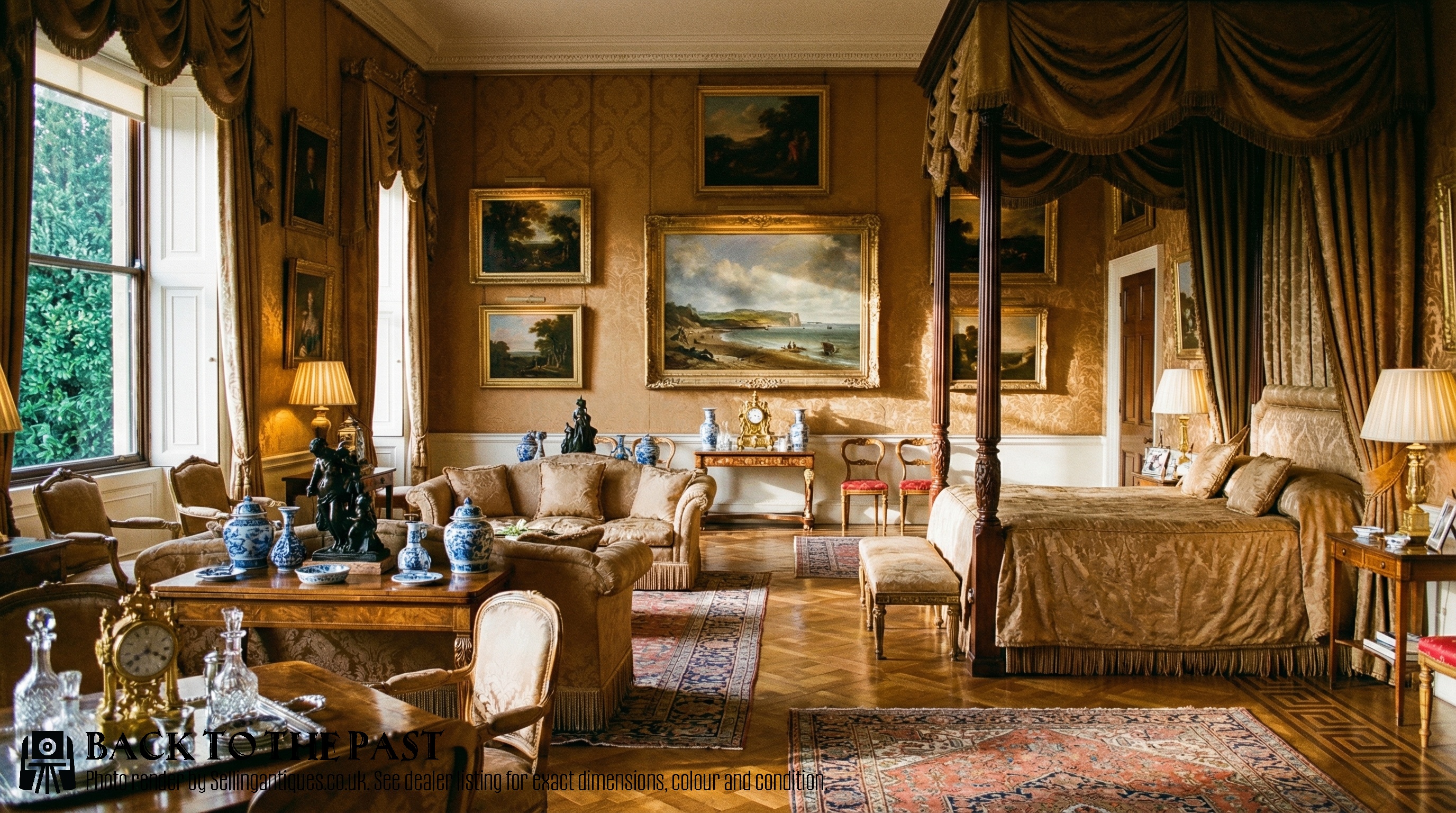
Gillows Style Chairs
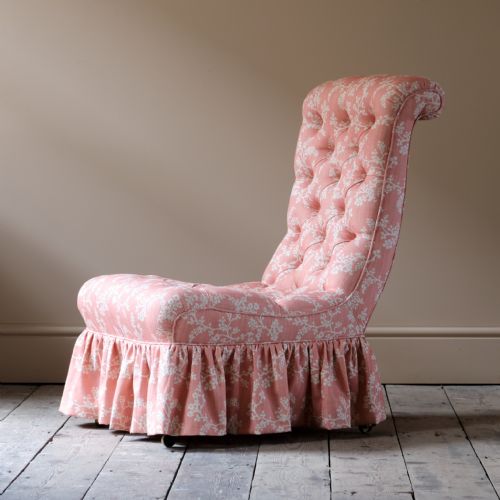
When buyers search for gillows style chairs, they are looking at seating created in the manner of the celebrated Lancaster firm or within its distinct aesthetic tradition. These pieces span formal dining sets, library armchairs, hall chairs, and occasional seating across several decades.
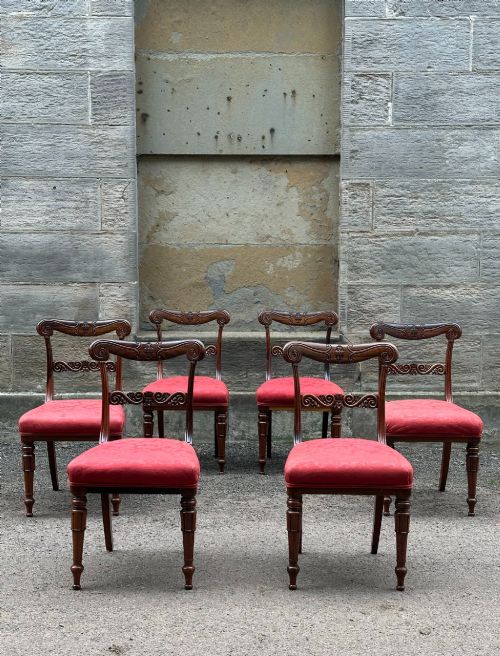
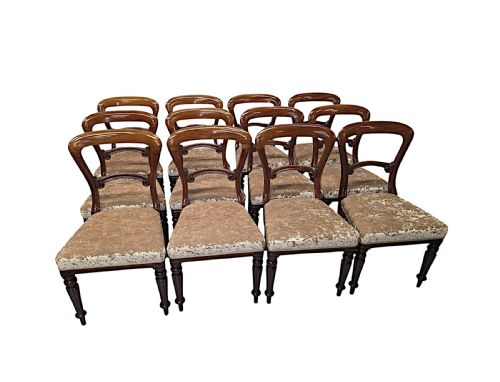
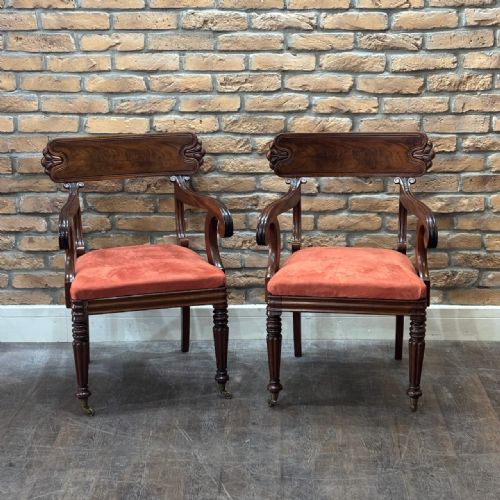
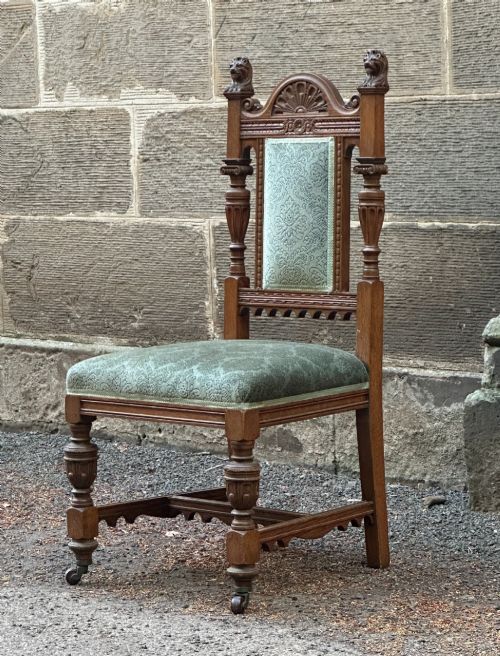
The versions most likely to be met on this page include Regency and Victorian dining chairs in mahogany or rosewood, alongside library armchairs and hall chairs. Sets of dining chairs appear frequently, often featuring solid timbers and substantial craftsmanship.
Origins stretch from the Georgian and Regency periods through the nineteenth century, encompassing various interpretations of the firm's robust output. Buyers encounter both pieces explicitly attributed to the workshop and those created in the recognised manner.
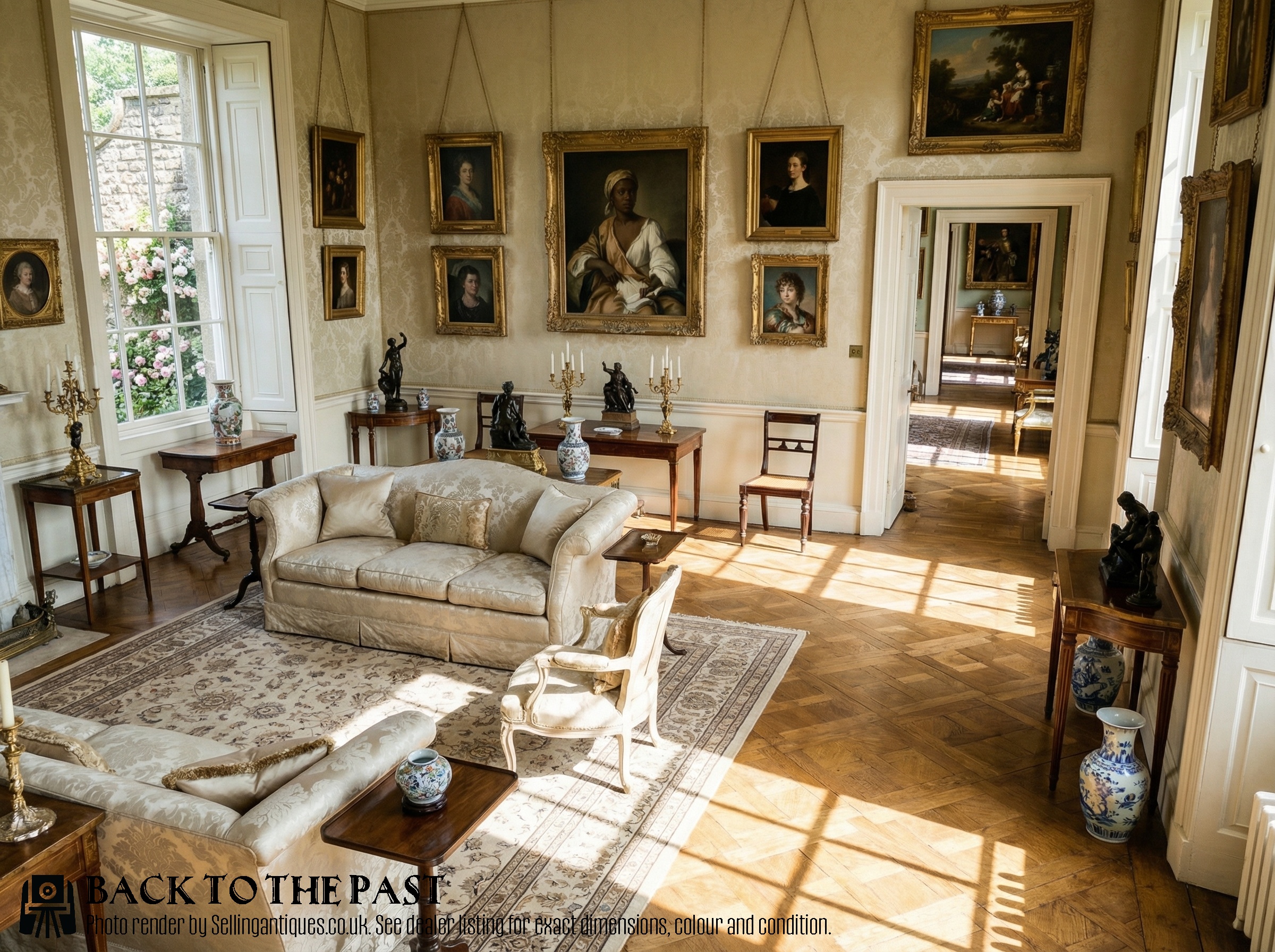
How they were made
Construction relies heavily on dense timbers such as mahogany, rosewood, and oak, chosen for structural integrity and fine grain. Cabinet-makers employed solid woods alongside careful joinery to ensure enduring strength in daily use.
Upholstery utilised traditional materials including leather, velvet, cane, and fabric, often paired with brass detailing or bespoke padding. Frames frequently showcased precise turning, carving, or inlay work executed by skilled hands.
Gillows Style Chairs Retail Price Guide 2026
Typical asking prices for gillows style chairs among the pieces listed under this phrase on Sellingantiques today, from the lower quarter to the upper quarter. They describe what is for sale here now, not the wider market.
Listings feature mahogany, rosewood, and oak timbers alongside leather, cane, and velvet upholstery across multiple nineteenth-century periods.
What varies in quality
The standard of timber selection and the crispness of carved or turned details set the finest pieces apart from standard workshop output. Heavier gauge woods and superior grain figuration indicate a higher grade of manufacture.
The integrity of the frame construction and the subtlety of proportion determine the overall success of the piece. Subtle distinctions in the execution of stylistic motifs reveal the skill of the original maker.
Bruce Talbert·Bruce James Talbert·Waring and Gillow
The Gillows Style Chairs Glossary
- Bergère
- An enclosed upholstered armchair with wooden sides and back. This form often incorporates cane panels and loose squab cushions.
- Hall chair
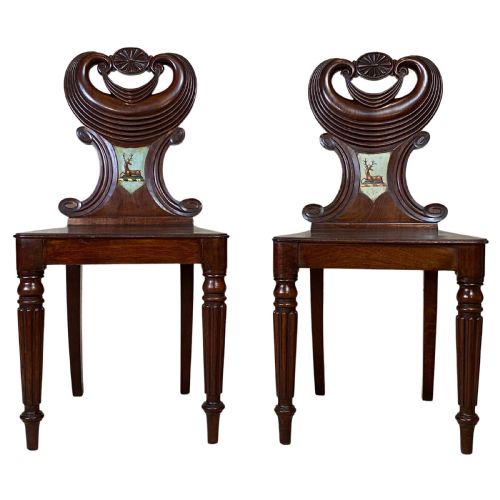
- A rigid wooden seat designed for an entrance hall, typically featuring a solid timber seat and a carved or painted back bearing family crests.
- Library armchair
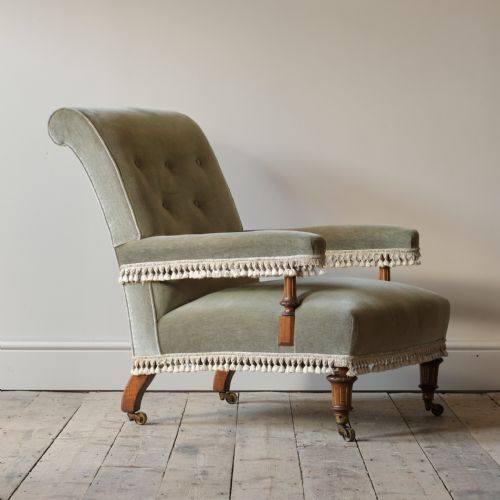
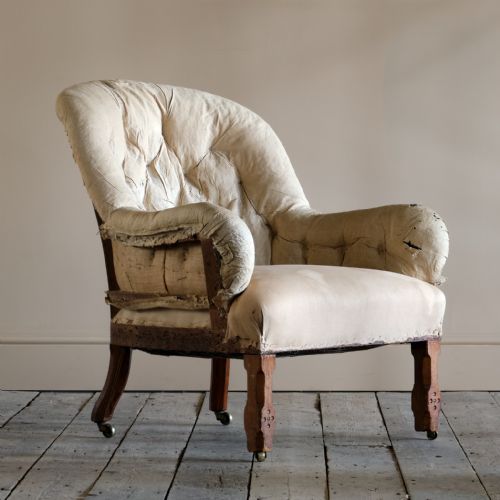
- A comfortable seated form designed for reading, frequently upholstered in leather and built with substantial arm supports.
- X frame
- A structural support consisting of crossing members that form an X shape beneath the seat. This configuration appears on library chairs and occasional seating.
- Shield back
- A chair back shaped like a heraldic shield, popular during the Georgian period and frequently utilised in dining sets.
Gillows Style Chairs: Frequently Asked Questions
How do I spot a true Gillows chair?
Authentication typically relies on documented workshop characteristics, timber choice, and specific construction methods associated with the Lancaster firm.
Many pieces bear stamped signatures or distinct numerical tallies, though attribution often rests on stylistic comparison with recorded works.
Were these chairs used in dining rooms?
Dining sets formed a significant part of the firm's output, ranging from single pairs to large sets of twelve.
These pieces were constructed from durable timbers like mahogany to withstand frequent use around the dining table.
What is a library armchair?
A library armchair is a heavily upholstered seating option designed for comfort during extended periods of reading.
These chairs frequently feature leather upholstery and robust wooden frames to support the user.
How do I care for leather upholstery?
Leather upholstery requires regular dusting and occasional conditioning to maintain suppleness and prevent cracking over time.
Keeping these surfaces away from direct heat sources preserves the natural oils within the hide.