

Gilded Wood Side Table
A gilded wood side table brings instant warmth and metallic theatre to a room through centuries of revival styles.
Defining the Gilded Wood Side Table
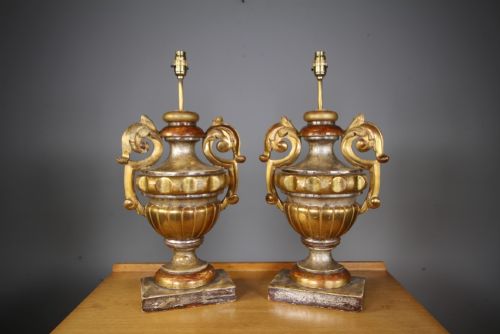
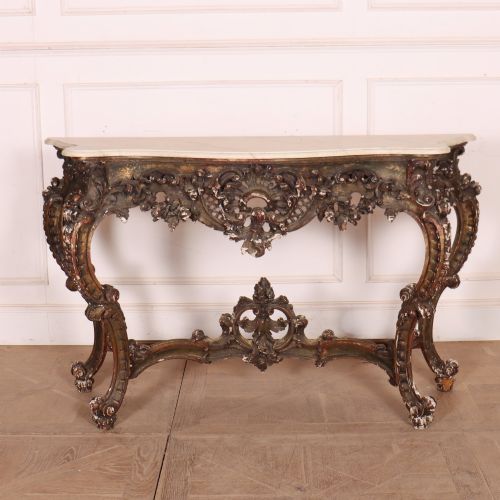
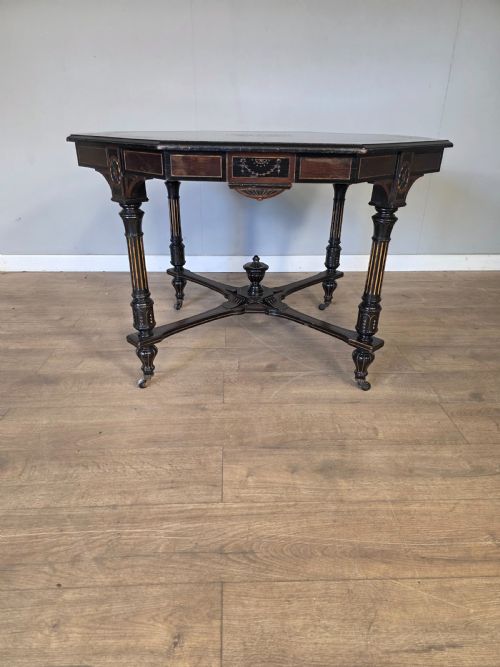
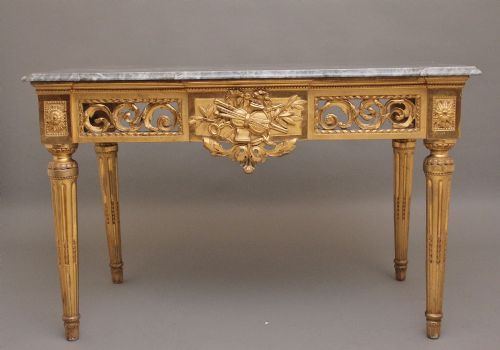
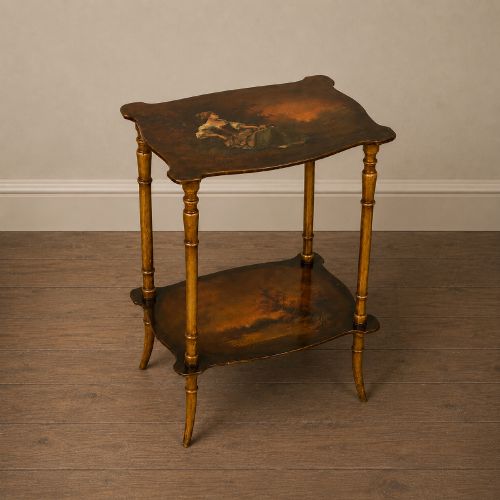
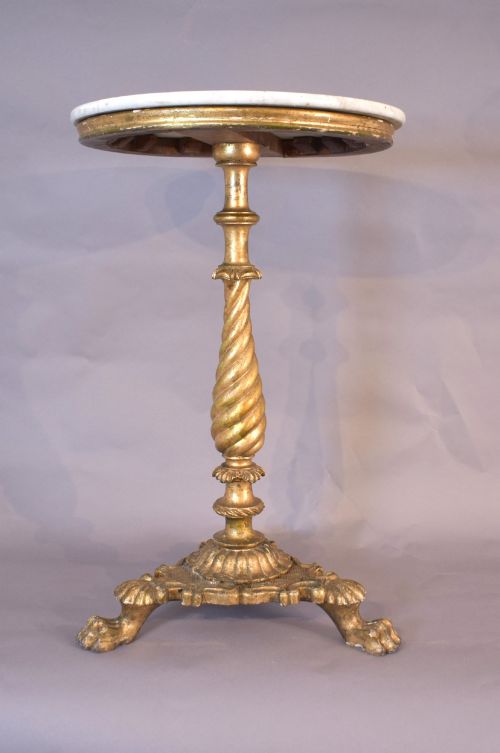
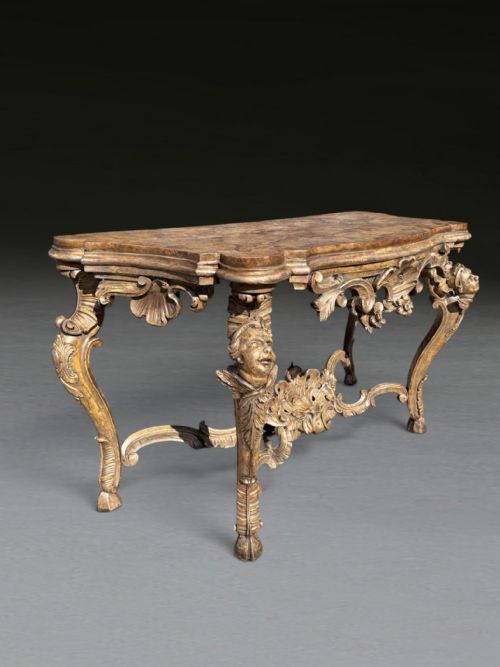
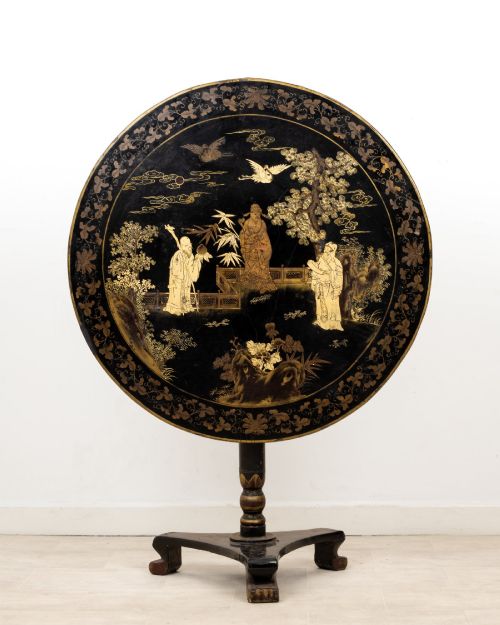
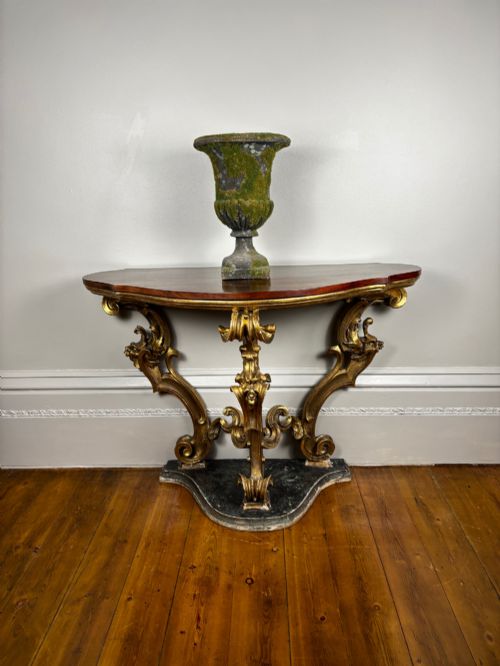
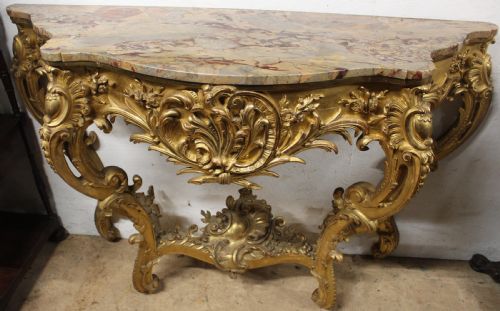
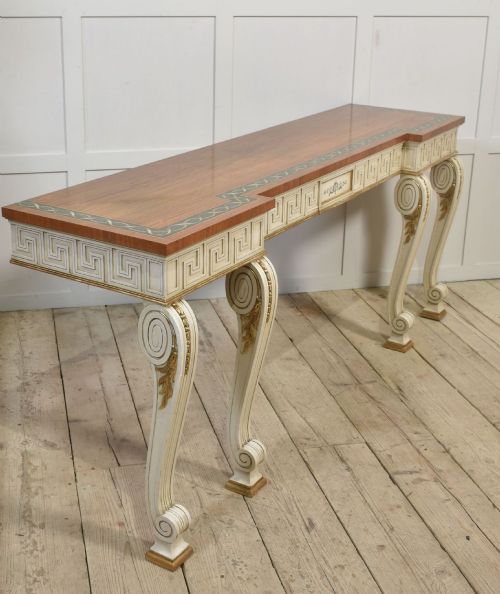
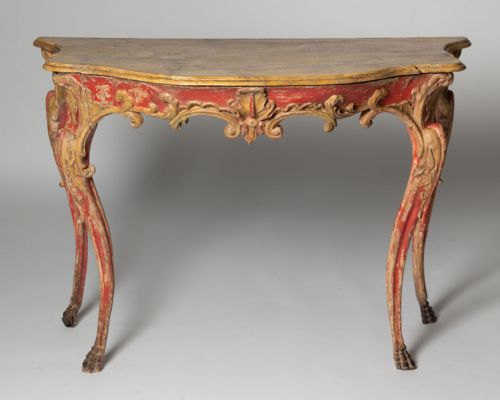
A gilded wood side table appears in several distinct revival styles and regional interpretations across the nineteenth and early twentieth centuries. These tables take the form of circular lamp tables, centre tables, and carved display surfaces designed for reception rooms.
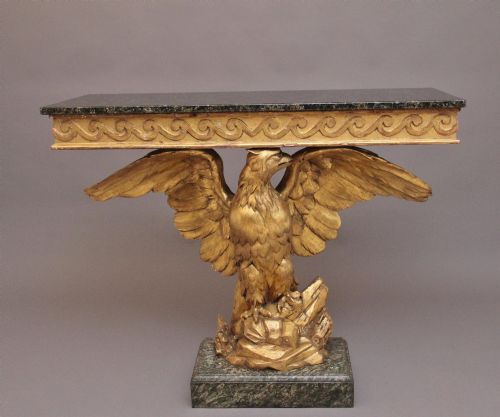
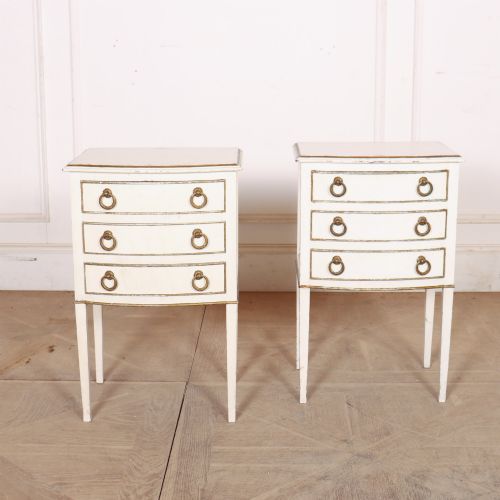
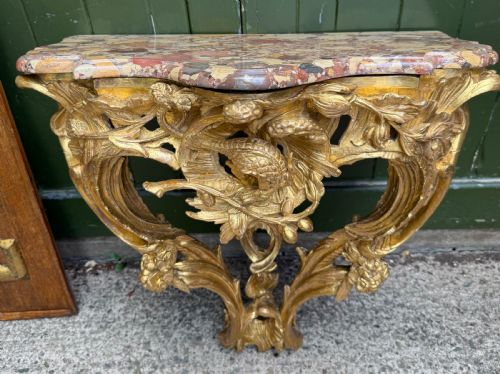
The material vocabulary spans from Italian Neoclassical and Venetian Rococo to Regency Revival and Swedish Gustavian aesthetics. Buyers frequently encounter pieces featuring contrasting surfaces such as amboyna veneer or marble tops paired with gilded supports.
Materials and Construction
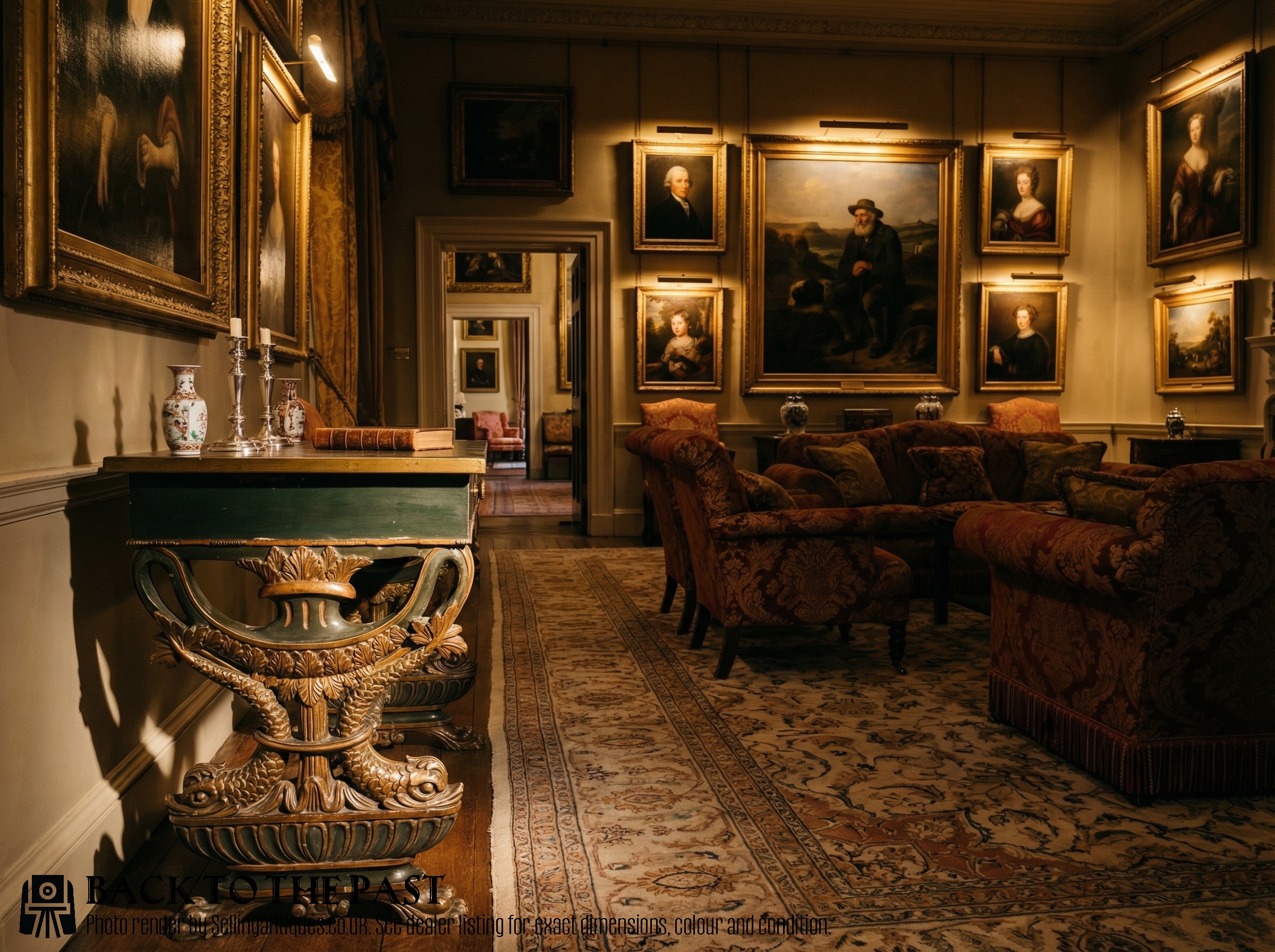
Wood carcasses of softwood and carved wood form the structural foundation, prepared with gesso layers before the application of gold leaf or paint. Artisans carved intricate details by hand, creating complex supports like dolphin motifs or classical architectural forms.
Surface variation arises through the combination of metallic leaf with contrasting materials, including inset marble slabs and exotic amboyna veneers. These decorative schemes rely on traditional joinery and surface preparation to secure the delicate metallic layers over time.
Retail Price Guide 2026
Typical UK retail prices for gilded wood side table, calculated from the Sellingantiques database of over a million retail prices indexed since 2003. This retail price guide relies exclusively on Sellingantiques data; no external sources or auction records are used, so the figures do not describe the wider market.
Carved wooden dolphins occasionally serve as structural table legs, proving that nineteenth-century artisans took maritime seating very literally.
Assessing Quality and Execution
Quality reveals itself in the crispness of the wood carving and the depth of the gesso preparation beneath the gold leaf. Finer examples display meticulous hand-tooling on sculptural elements like dolphins and classical scrolls rather than heavy, uniform casting.
The selection of secondary materials further distinguishes the tier of execution, with inset marble slabs and amboyna veneer representing higher ambition in design. Integration between the gilded frame and the top demonstrates the maker's structural confidence.
The Gilded Wood Side Table Glossary
- Giltwood
- Wood that has been coated with thin sheets of gold leaf over a prepared gesso ground. This technique creates a luminous metallic surface that catches interior candlelight and daylight.
- Gesso
- A plaster mixture applied to wooden furniture frames to create a smooth surface for gilding or painting. It allows carvers to achieve sharp relief details before the metal leaf is laid.
- Amboyna Veneer
- A highly figured exotic wood veneer valued for its rich, mottled grain patterns. It provides a dark, warm contrast against bright gilded framing.
- Rococo Revival
- A nineteenth-century design movement inspired by the flamboyant curves and asymmetrical scrolls of the eighteenth-century French style. It dominates many Victorian interpretations of decorative tables.
Frequently Asked Questions
Where should I place a gilded wood side table?
These tables function effectively in drawing rooms, hallways, or living spaces as accent surfaces beside seating. Their reflective finishes bounce light into darker corners of a room.
Position them away from direct heat sources and strong moisture to protect the delicate gold leaf and gesso surfaces from cracking.
How do I clean a gilded wood surface?
Dust the carved details gently with a soft, dry ostrich feather duster or a clean, dry artist brush. Avoid all liquid cleaners, polishes, and abrasive cloths that can strip the metallic leaf.
Professional conservation is recommended if structural stabilization or surface consolidation becomes necessary over time.
What periods do these tables represent?
The available pieces span the nineteenth and early twentieth centuries, capturing various revival movements like Regency and Rococo. Craftsmen reinterpreted earlier historical aesthetics during these decades using traditional joinery and carving methods.
Stylistic markers such as neoclassical symmetry or Venetian asymmetry help distinguish between these regional periods.
Are marble tops original to these tables?
Inset marble tops frequently appear on nineteenth-century centre and lamp tables to provide a durable, cool surface. These stone inserts were chosen by makers to contrast with the ornate gilded wooden bases.
Matching the edge profile and thickness to the rebate in the wooden frame helps confirm authenticity.