
Gilded Wood Sconces
Gilded wood sconces bring candlelit warmth and carved Italian flair to a room, offering centuries of decorative brilliance.
Gilded Wood Sconces
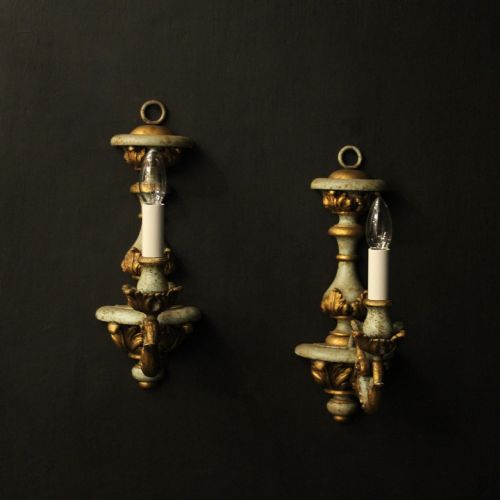
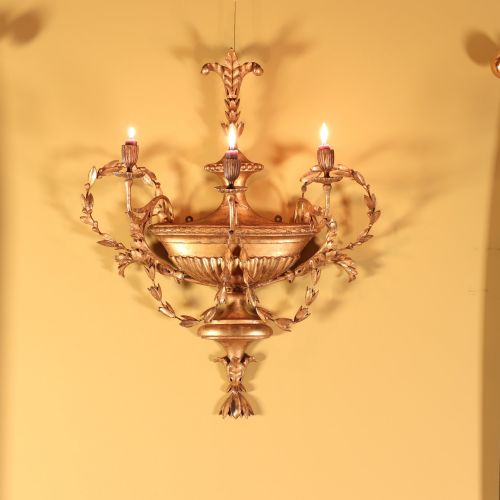
Gilded wood sconces illuminate interiors through wall-mounted candleholders and electrical adaptations framed in carved wooden structures. These pieces emerge from periods spanning the eighteenth century through to the nineteen-thirties, reflecting diverse regional aesthetics.
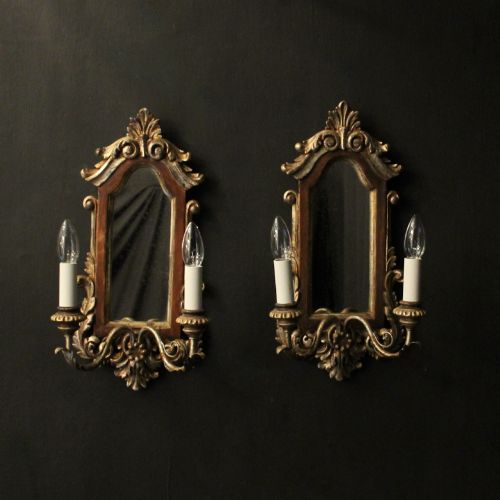
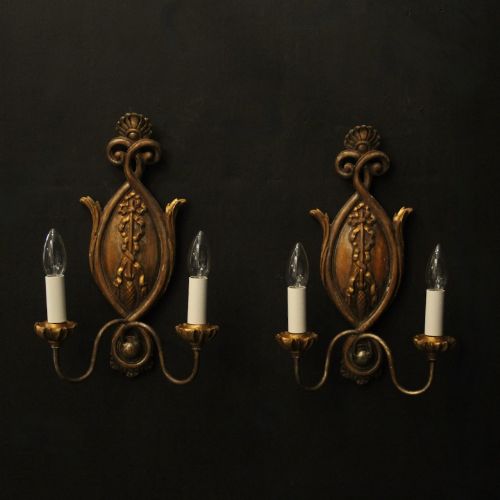
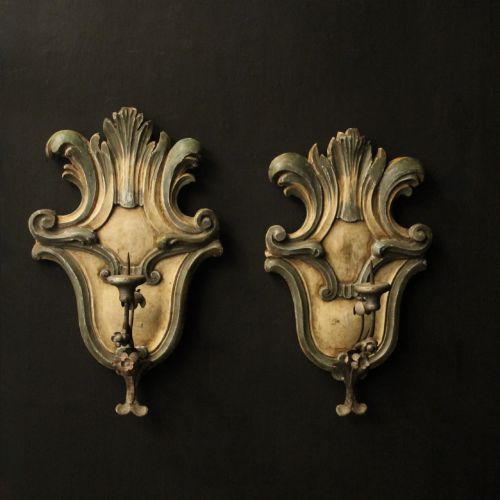
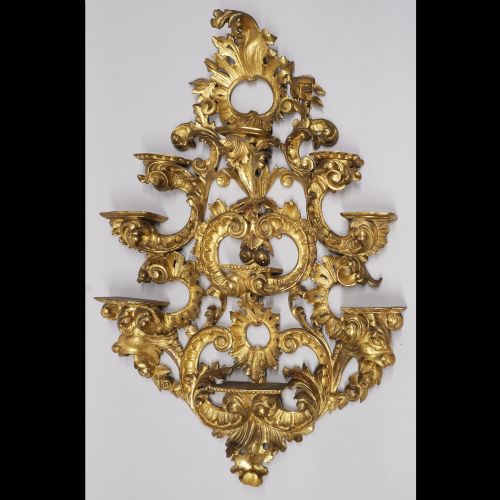
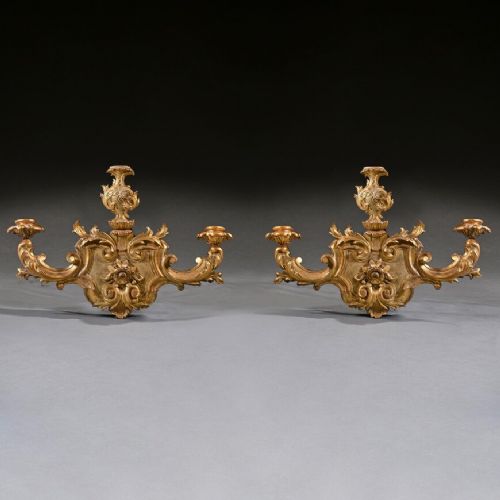
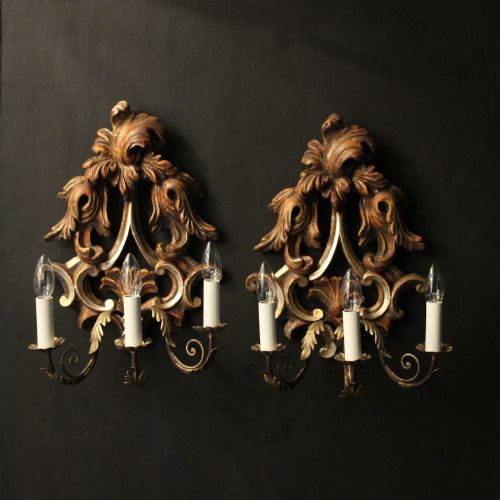
Italian workshops, particularly Florentine and Venetian centres, dominate the selection with intricate rococo and baroque wall lights. Buyers frequently encounter pairs featuring twin or triple arms, often accompanied by matching girandoles and wall brackets.
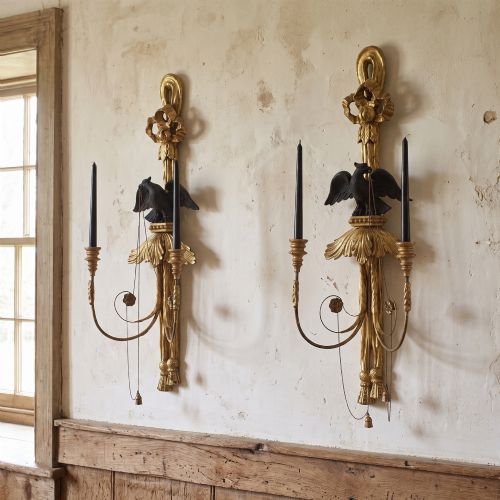
The inventory includes Georgian styles alongside Victorian interpretations, demonstrating enduring popularity across European design history. Pieces range from simple carved wooden brackets to elaborate multi-arm wall sconces adorned with gesso and gold leaf.
How they were made
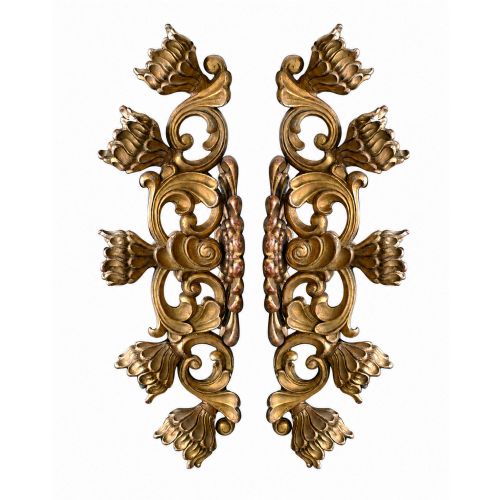
Artisans carved softwoods and hardwoods by hand, shaping intricate foliage, scrolls and figurative elements before applying surface finishes. Gesso, a plaster mixture, was laid over the carved wood to provide a smooth ground for subsequent gilding.
Gold leaf or silver leaf was meticulously applied to the prepared surfaces, sometimes burnished to create contrasting matte and reflective textures. Polychrome highlights and paint layers frequently complement the metallic finishes on Italian and French examples.
Gilded Wood Sconces Retail Price Guide 2026
Typical asking prices for gilded wood sconces among the pieces listed under this phrase on Sellingantiques today, from the lower quarter to the upper quarter. They describe what is for sale here now, not the wider market.
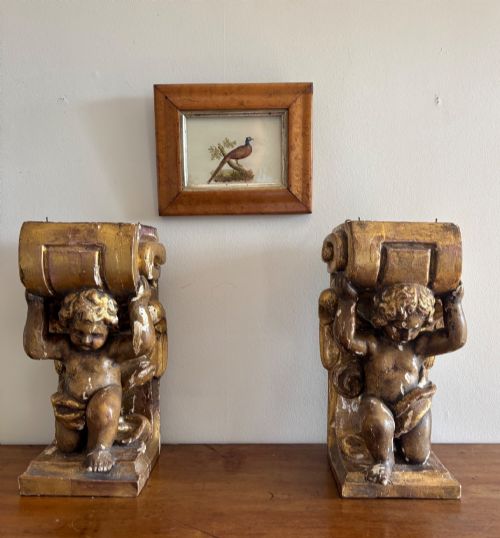
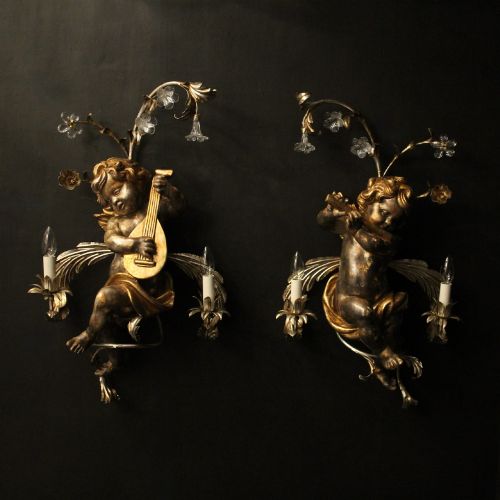
Cherubs occasionally peer from carved wooden branches, holding candle sockets with permanent expressions of angelic surprise.
What varies in quality
Depth and crispness of the hand-carving distinguish superior examples from simpler production pieces. Skilled carvers achieved dynamic movement and fine detail in foliage and rococo scrolls that lesser hands left heavy or blunt.
The integrity and application of the original gilding and gesso layers dictate visual impact. Superior surfaces retain their warmth and texture through centuries, whereas heavy restoration or poor re-gilding obscures the underlying woodcarving.
Benjamin Goodison
The Gilded Wood Sconces Glossary
- Giltwood
- Wood that has been coated with thin sheets of gold leaf. This technique provides a luminous, durable finish characteristic of fine antique wall lights.
- Gesso
- A mixture of gypsum, chalk and binder applied to wood before gilding. It creates a smooth, receptive base for carving details and metallic leaf.
- Girandole
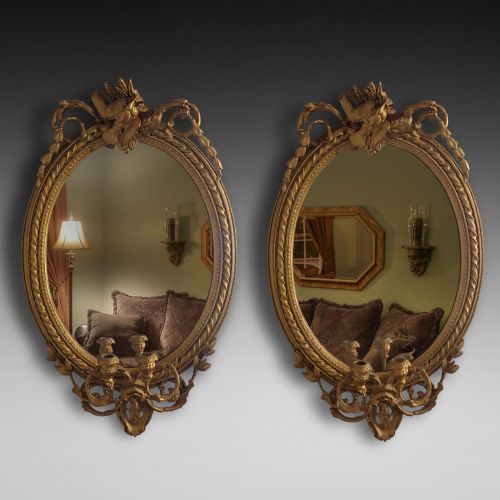
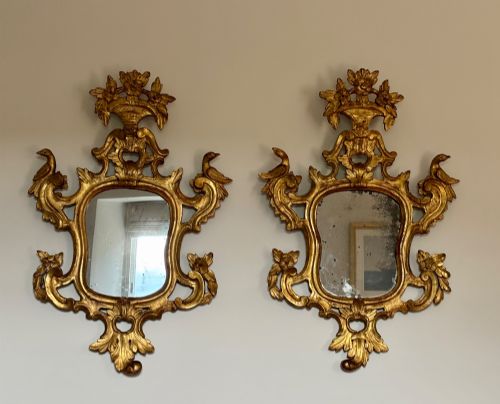
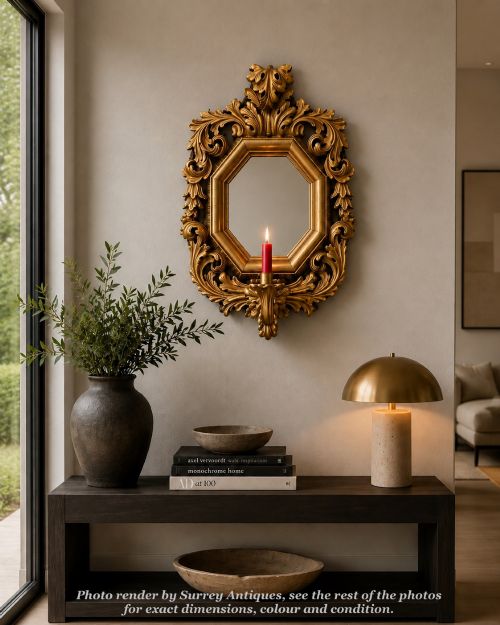
- An ornamental bracket wall light featuring a mirror. The reflective glass amplifies the candle flame to distribute more light into the room.
- Cartouche
- An ornamental tablet or panel resembling a rolled-up scroll, often forming the central frame of eighteenth-century Italian mirrors and sconces.
- Pricket
- A sharp spike on a candleholder designed to secure the base of a candle. This form appears frequently on older ecclesiastical and domestic wall sconces.
Gilded Wood Sconces: Frequently Asked Questions
How do I install antique sconces?
Many surviving wall lights were originally designed for candles and require careful conversion for modern electrical wiring by a qualified specialist. Bracket forms often mount directly to wall studs using secure fixing points behind the carved body.
Positioning depends on ceiling height and room proportions, typically placing them at eye level to optimize both illumination and decorative presence. Consulting an electrician ensures safe integration of period metal fittings and candle tubes.
What is a girandole?
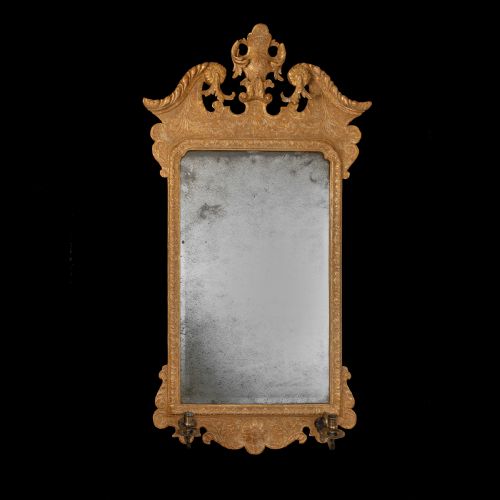
A girandole combines a wall mirror with attached candle arms, designed to multiply the light cast into a room. The reflective glass plate sits behind or between the sconce branches.
Originating in earlier centuries, these pieces served both functional lighting purposes and ornamental display within formal interiors. Foxed or original mirror plates enhance the historic character of these dual-purpose wall fixtures.
How do I date an eighteenth-century sconce?
Dating relies upon stylistic markers such as asymmetric rococo cartouches, hand-carved gesso application, and the construction methods of the wooden backing. Eighteenth-century pieces often display distinct tool marks and aged patination beneath the gold leaf.
Comparative analysis with documented cabinetmaker output helps determine the specific period of origin. Original mirror plates and hardware further assist in verifying the age of the fixture.
How should I clean gilded wood?
Maintenance requires gentle dusting with a soft, dry brush to prevent accumulation without disturbing fragile gold leaf or gesso. Avoid liquid cleaners, polishes, and abrasive cloths entirely.
Professional conservators should handle any repairs or deep cleaning to preserve the historical surface integrity. Keeping pieces away from direct heat sources prevents the wood from warping and the gesso from cracking.