

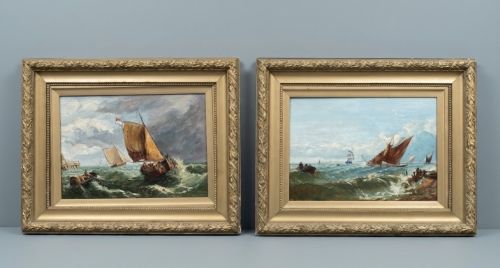
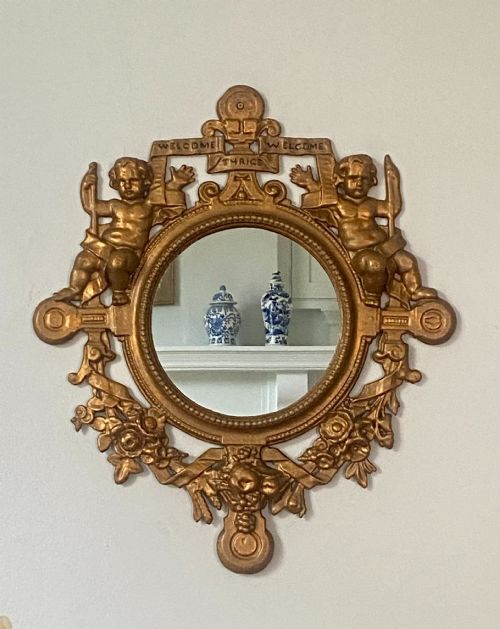

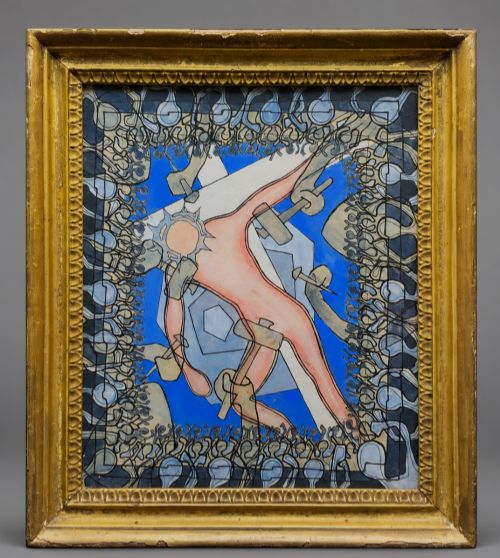
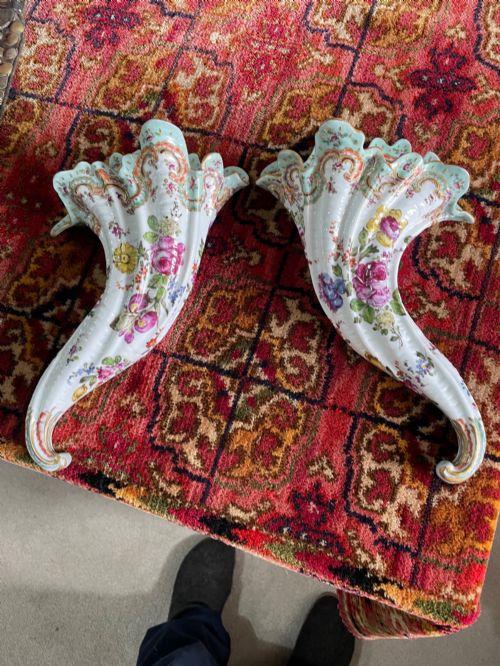

Gilded Wall Decor
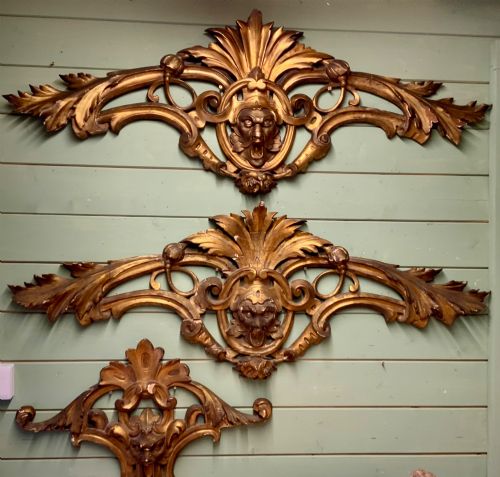
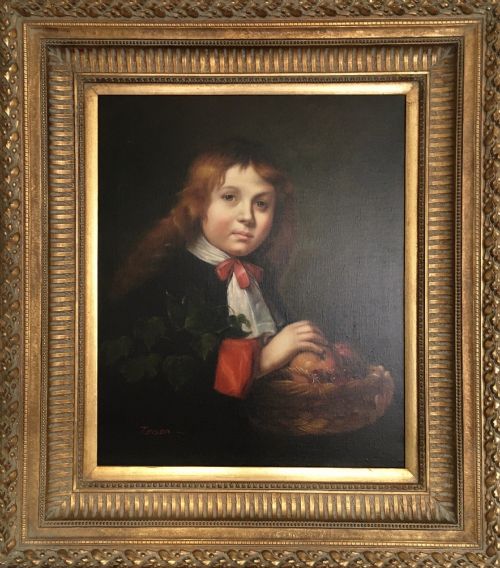
Gilded wall decor encompasses mirrors, paintings, plaques, and carved panels that bring historical gold leaf and carved timber into domestic interiors.
Gilded Wall Decor
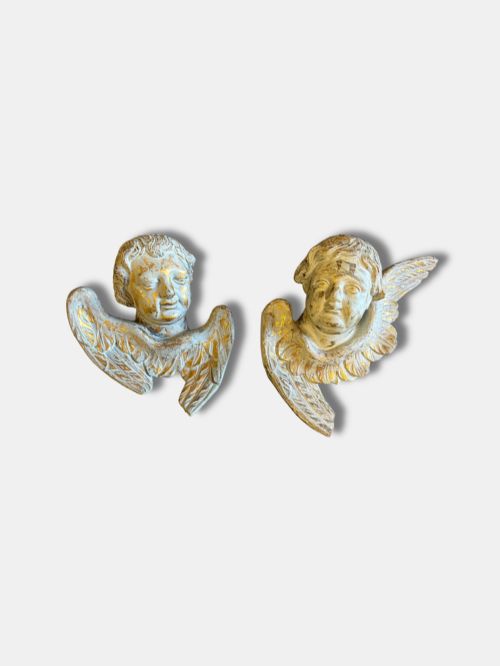
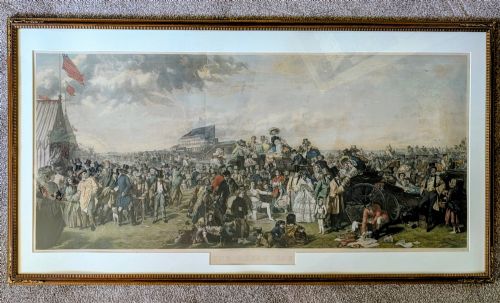
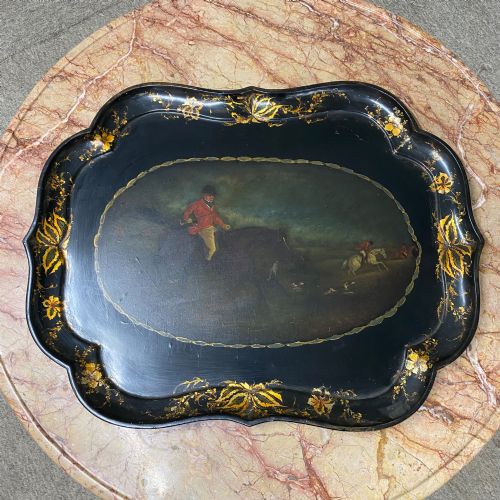
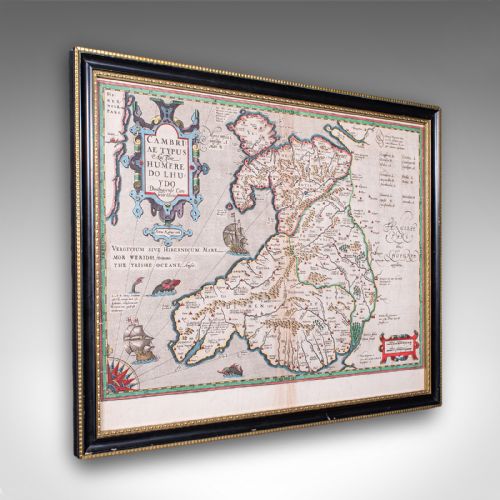
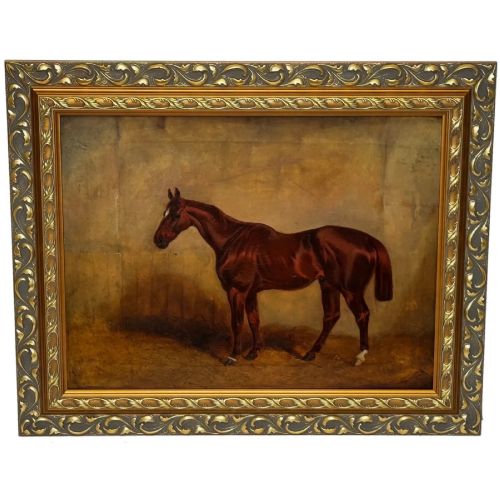
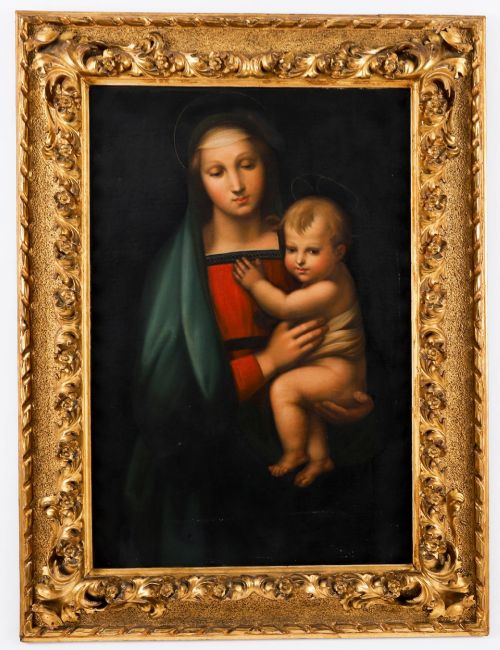
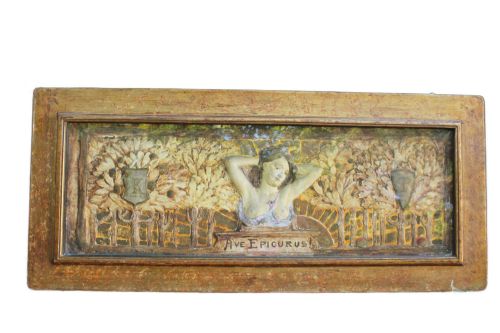
When buyers search for gilded wall decor, they encounter a diverse assortment of objects designed to be mounted on interior walls. These items range from oil paintings in period frames to carved wood wall panels, mirrors, and armorial shields spanning several centuries.
The selection on this page most frequently includes nineteenth-century and twentieth-century oil paintings, carved wooden ornaments, and giltwood mirrors. Pieces hail from British, French, Dutch, and Asian workshops, reflecting diverse aesthetic movements from Renaissance Revival to Victorian and Edwardian tastes.
How they were made
Maker construction relies heavily on timber foundations, whether carved softwood panels, hardwood shields, or stretched canvas for oil paintings. Wood is frequently layered with gesso before receiving an application of gold leaf or gilt finish.
Surface ornamentation combines traditional painting media like oil, watercolour, and print techniques with hand-carved relief work. Gilding and plaster applications create the reflective and tactile qualities characteristic of these wall pieces.
Gilded Wall Decor Retail Price Guide 2026
Typical asking prices for gilded wall decor among the pieces listed under this phrase on Sellingantiques today, from the lower quarter to the upper quarter. They describe what is for sale here now, not the wider market.
Listings feature materials such as wood, glass, gold leaf, gesso, oil on canvas, paper, giltwood, and canvas across various wall art forms.
What varies in quality
Quality separates objects by the crispness of hand-carved detail in wood and gesso versus moulded or cast substitutes. Superior examples demonstrate confident draughtsmanship in paintings and precise execution in carved architectural elements.
The preservation of original surface finishes, particularly the integrity of aged gold leaf and patinated giltwood, dictates the standing of an item. Pieces retaining their original framing and untouched painted surfaces command greater scholarly and decorative interest.
Charles Bilger Spalding·Humphrey Llwyd·Thomas Beach·Sir Peter Markham Scott·Icilio Federico Joni·George Edwards·John Frederick Herring Jnr·Robert Thorne Waite·Rembrandt van Rijn·Jean Baptiste Isabey·Henry H Parker
The Gilded Wall Decor Glossary
- Giltwood
- Timber carved and surfaced with a thin layer of gold leaf or metallic powder. It forms the lustrous frames and decorative mouldings seen on many mirrors and panels.
- Gesso
- A plaster mixture applied to wood surfaces as a smooth preparation base before gilding or painting. It allows intricate relief work to be carved or moulded.
- Armorial
- Relating to heraldry and family coats of arms, often displayed on carved wooden shields or plaques. These objects record lineage and identity.
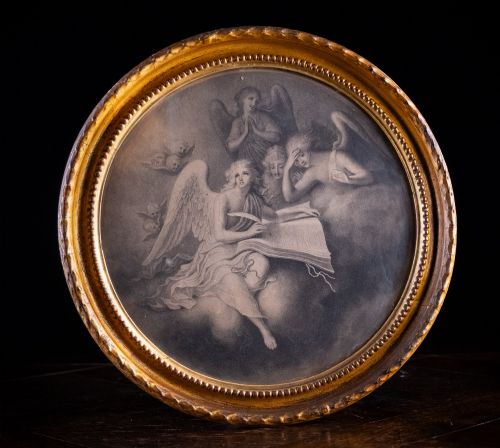
- Mezzotint
- A printmaking process of the tonal engraving method, allowing smooth gradations of light and shade. Fine examples are often found mounted behind glass.
- Girandole
- An ornamental bracket mirror featuring candle sconces that reflect light into a room. They often showcase elaborate giltwood frames from the nineteenth century.
Gilded Wall Decor: Frequently Asked Questions
How do I hang heavy giltwood mirrors safely?
Heavy mirrors and carved panels require professional wall fixings suited to the specific wall construction, such as brick or studwork. Weight should be distributed evenly across sturdy brackets rather than single picture hooks.
Ensure the frame itself is structurally sound and that fixings are secured directly into wall studs or masonry using appropriaterawl plugs.
How should I clean antique gilded frames?
Dust gilded surfaces gently with a very soft, dry brush to prevent the delicate gold leaf from flaking. Avoid using water, chemical sprays, or abrasive cloths.
Moisture can penetrate underlying gesso and wood, causing the metallic leaf to lift. Professional conservators should handle major cleaning or repair work.
What periods do these wall decorations cover?
The items span multiple eras, ranging from sixteenth-century map excerpts and seventeenth-century portraits to Victorian, Edwardian, and mid-century works. Each era introduces distinct framing styles and painting techniques.
Stylistic markers such as Renaissance Revival or French Empire help contextualise the specific manufacturing period of each piece.
Can oil paintings be displayed in direct sunlight?
Direct sunlight damages oil paintings and faded pigments over time, while also causing timber frames and panels to dry out and crack. Position wall art away from intense windows and conservatories.
Stable indoor humidity and indirect lighting preserve both the canvas media and the underlying wooden structures effectively.