




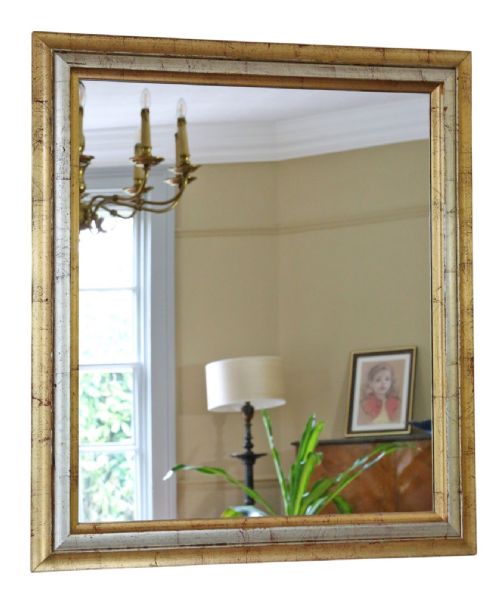

Gilded Vanity Mirror
A gilded vanity mirror brings warmth and reflective light to a dressing table, taking many forms from compact easel pieces to grand Victorian wall hangings.
Gilded Vanity Mirror
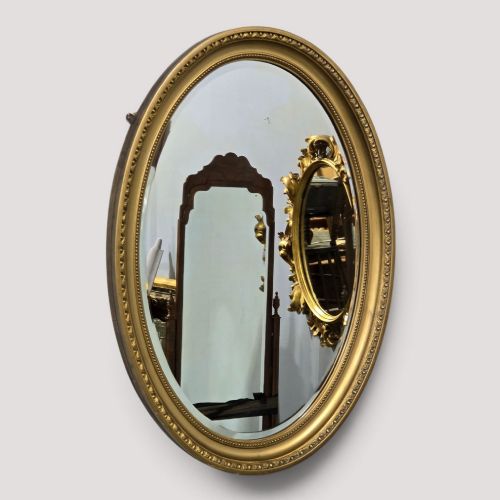
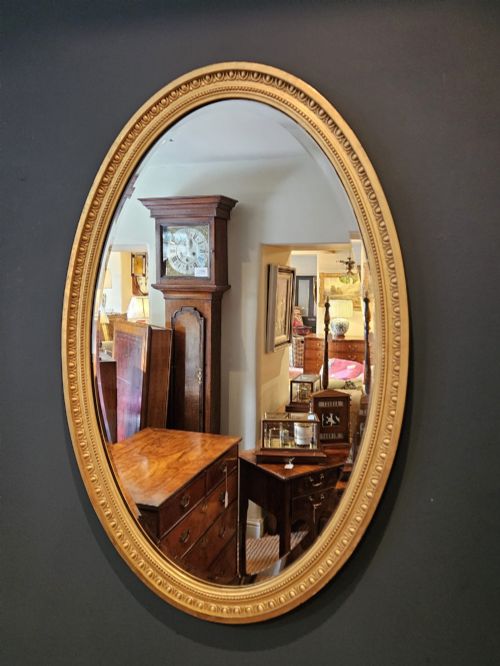
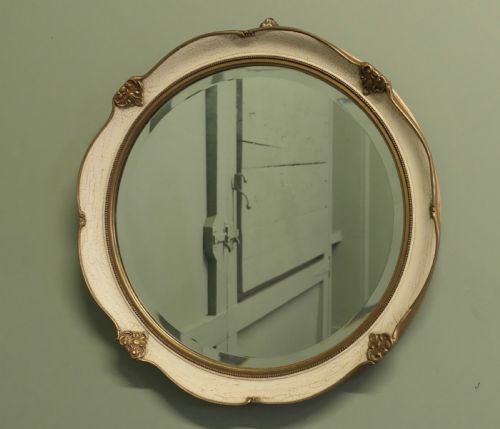
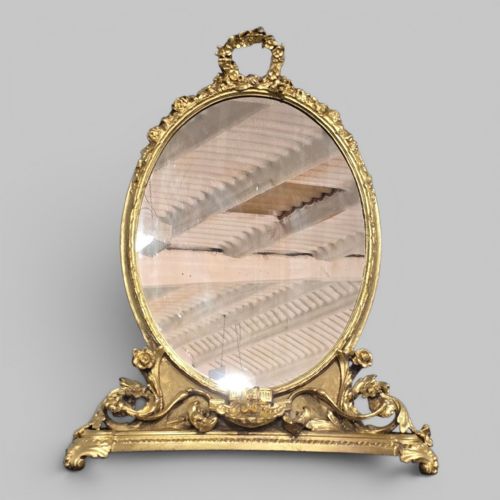
When you search for a gilded vanity mirror, you enter a field populated by small table-top glasses, dressing table companions and larger wall-mounted pieces designed for personal grooming and decoration. These objects appear in various formats, from simple oval frames to elaborate rococo revivals with intricate scrollwork.
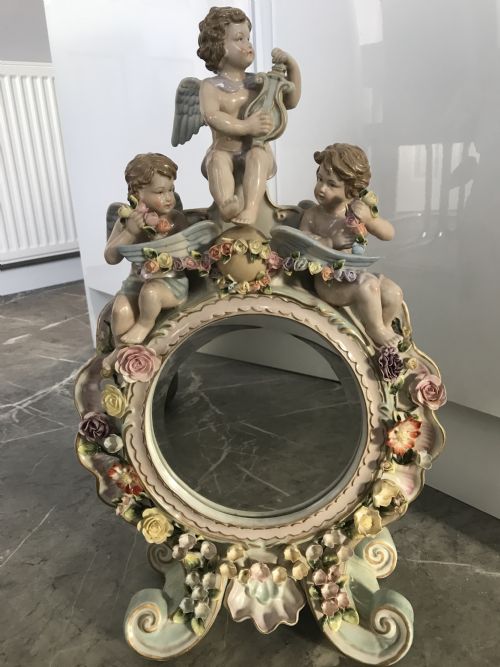
On this page, the pieces you meet most often date from the nineteenth century and the early twentieth century, spanning Victorian, Edwardian and Art Deco periods. Many examples employ traditional giltwood and gesso, whilst others incorporate porcelain, brass and painted wood.
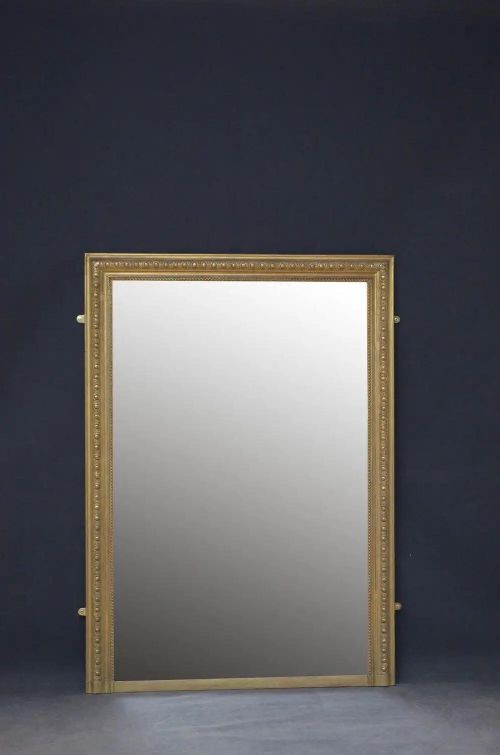
Origins range across English workshops, French studios and Italian makers, offering a diverse selection of forms including table mirrors with easel backs and wall mirrors suitable for boudoirs and hallways.
How They Were Made
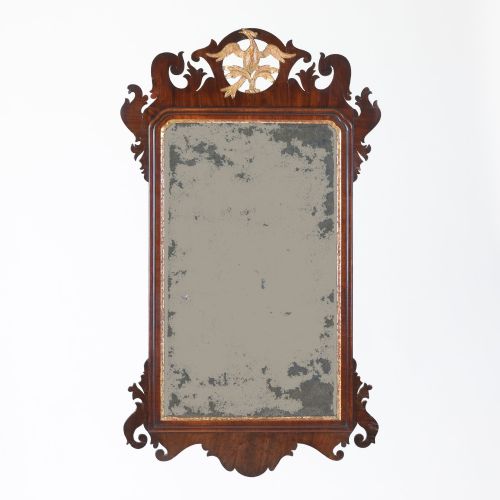
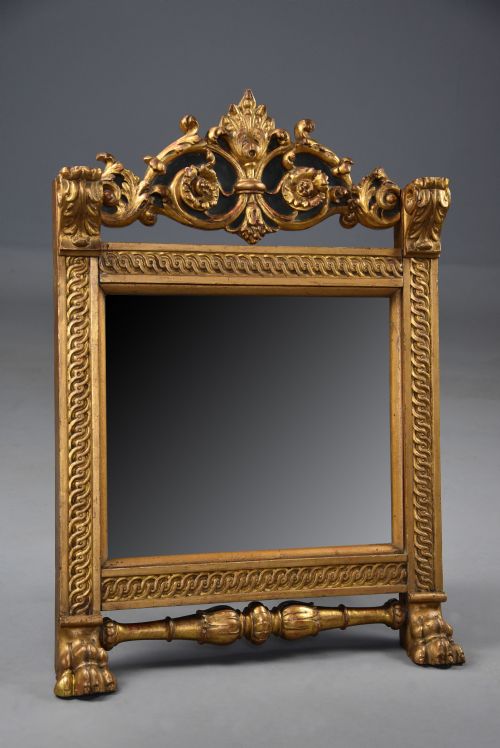
Craftsmen built the underlying structures of these mirrors from timbers such as mahogany, walnut and general hardwoods, providing a stable foundation for the decorative surface treatments. Carved wooden frames received applications of gesso, a plaster-like mixture moulded into scrolls, leaves and ribbon motifs before gilding.
Makers applied gold leaf or metallic finishes to the prepared surfaces, sometimes combining gilding with painted details or ebonised accents. Mirror glass was set securely into the rebates, backed with protective panels and fitted with hardware for wall hanging or hinged easel stands.
Some dressing table mirrors hide tiny compartments behind the glass, once used for storing secret love letters or visiting cards.
What Varies in Quality
The distinction between ordinary and superior pieces rests on the crispness of the carving and the depth of the gesso work. Hand-carved wooden ornament shows sharp definition and subtle undercut details, whereas mass-produced or later cast substitutes appear softer and less distinct.
The integrity of the gilding and the preservation of the original mirror plate further define standard. Rich patination on gold leaf and older silvered glass with authentic foxing indicate age and careful preservation over centuries.
Continental Factory·Rudolstadt Volstedt
The Gilded Vanity Mirror Glossary
- Giltwood
- Wood that has been treated with a thin layer of gold leaf or powder. This finish gives frames a bright, reflective metallic sheen.
- Gesso
- A plaster mixture applied to wood frames and carved or moulded into decorative reliefs. It forms the base for traditional gilding.
- Easel back
- A hinged prop attached to the rear of a table mirror allowing it to stand unsupported on a dressing table or surface.
- Rococo revival
- A nineteenth-century design style mimicking the asymmetrical curves, C-scrolls and natural motifs of the mid-eighteenth century.
- Chinoiserie
- European artistic style incorporating Chinese-inspired motifs, often seen in painted or lacquered framing details.
Gilded Vanity Mirror: Frequently Asked Questions
How do I date a gilded vanity mirror?
Dating relies on examining the construction methods of the frame, the type of wood used beneath the gesso, and the style of the mirror glass itself. Older pieces often display hand-beveled glass and distinct joinery on the backboards.
Changes in decorative motifs also provide strong clues, moving from heavy Victorian neoclassical interpretations to lighter Edwardian and Art Deco geometries.
Were these mirrors meant for walls or tables?
Gilded mirrors served multiple domestic functions depending on their scale and the presence of support hardware. Smaller examples with easel backs or pivoting frames were made specifically for dressing tables and chest tops.
Larger formats functioned as wall mirrors in bedrooms, hallways and reception rooms, providing both light and reflection.
How should I clean an antique gilt frame?
Antique gilt surfaces require gentle maintenance because moisture and harsh chemicals can damage fragile gesso and lift the gold leaf. Dusting with a very soft, dry brush removes surface particles safely without harming the finish.
Avoid using water, liquid cleaners or modern polishing agents on both the gilded frame and older mirror glass.