





Gilded Timber Frame
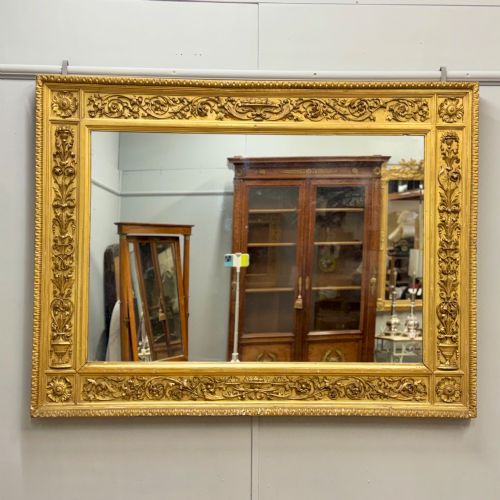
These gilded timber frame pieces combine carved wood and gold leaf to hold mirrors and artwork, bringing historical elegance into a room.
Gilded Timber Frame
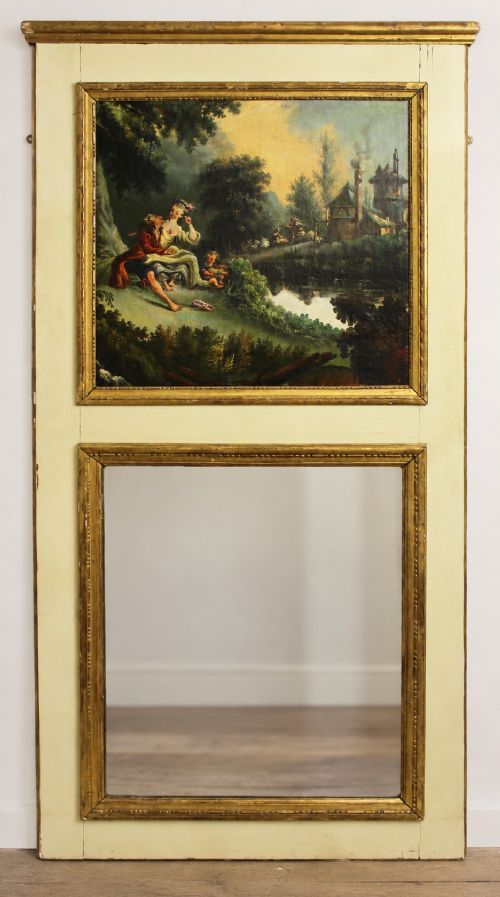
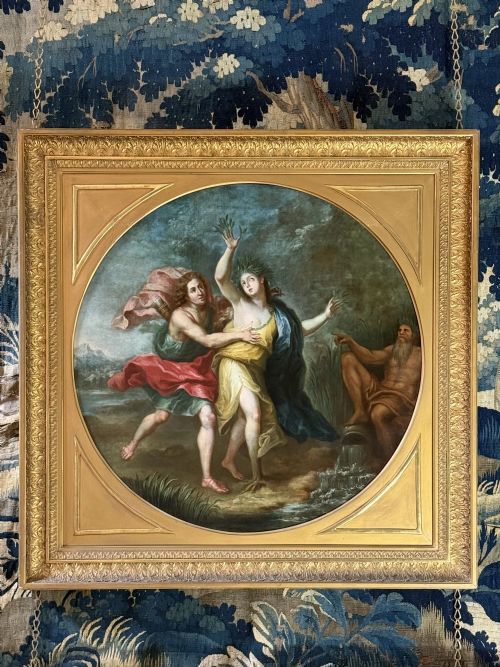
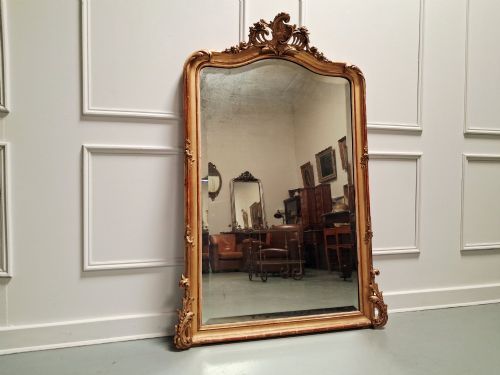
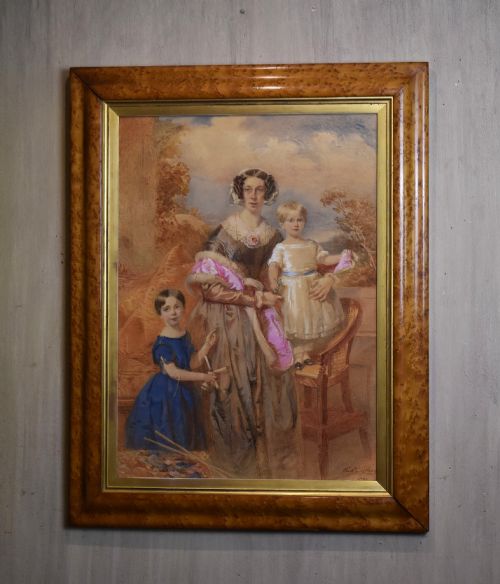
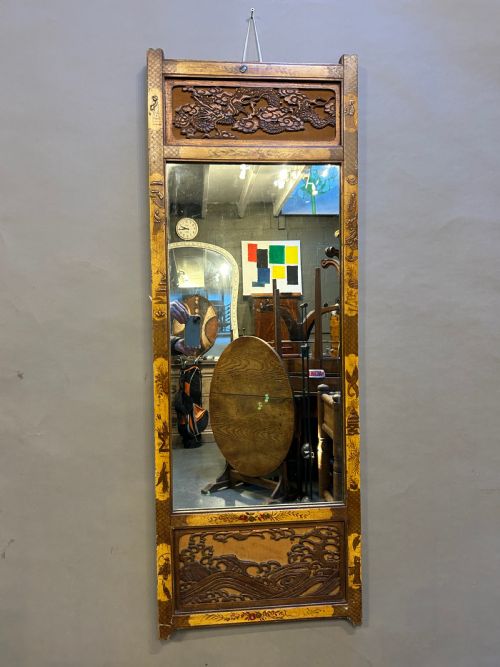
A gilded timber frame provides structural support and decorative brilliance for mirrors, portraits, and religious icons. When you search for a gilded timber frame, you encounter wall mirrors, overmantel mirrors, and oil paintings encased in ornate wooden borders.
The selections span multiple eras, offering Victorian, Georgian, and 19th-century examples alongside mid-century British artworks. French Rococo designs and Florentine styles appear frequently, showing distinct regional tastes in carving.
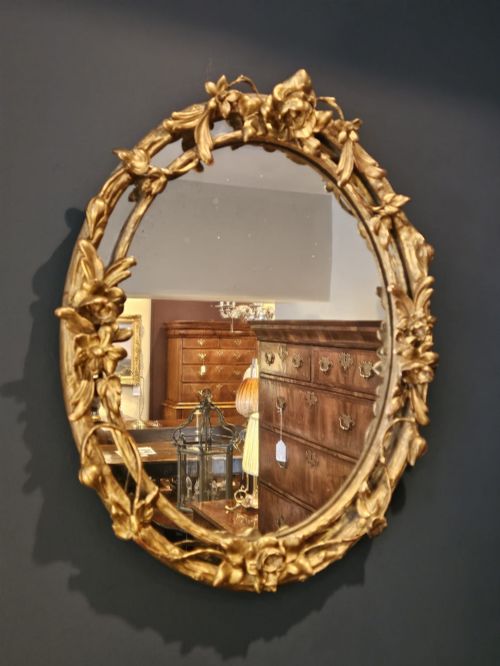
Mirrors dominate the selection, ranging from simple oval timber frames to large decorative overmantels and pier wall mirrors. Framed oil paintings and watercolours also feature prominently, demonstrating how painters and carvers worked together.
Materials and construction
Artisans constructed these items using timber, mahogany, and walnut as a sturdy base for the decorative layers. Gesso was then applied to the wood surface to smooth imperfections and create a detailed foundation for subsequent ornamentation.
Workers applied gold leaf or gilt wood finishes over the prepared ground to achieve a reflective metallic sheen. Hand carving shaped the wood into floral motifs, vine patterns, and baroque scrolls before the final gilding process took place.
Gilded Timber Frame Retail Price Guide 2026
Typical asking prices for gilded timber frame among the pieces listed under this phrase on Sellingantiques today, from the lower quarter to the upper quarter. They describe what is for sale here now, not the wider market.
Listings feature items from the 17th, 18th, 19th, and 20th centuries, utilising materials such as glass, gesso, timber, and oil on canvas.
Evaluating craftsmanship
Quality rests in the depth and precision of the wood carving, where hand-tooled details surpass simpler moulded decorations. Superior pieces exhibit crisp lines in the gesso and careful application of gold leaf that adheres evenly to the timber contours.
The integrity of the underlying timber frame and the preservation of the original gilt surface dictate the overall standard. Examples that retain their historical glass and original carved elements demonstrate greater integrity than those with replaced components.
Charles-Antoine Coypel·Frederick Tatham·Harry Freckleton·George E Sharpe·Henry H Parker·William Woodhouse
The Gilded Timber Frame Glossary
- Giltwood
- Timber coated with gold leaf or a metallic substitute. This finish provides the characteristic metallic gleam seen on antique mirrors and picture surrounds.
- Gesso
- A plaster mixture applied to wood before gilding. It creates a smooth, absorbent surface ideal for holding intricate carved details.
- Overmantel
- A large mirror designed to hang above a fireplace mantel. These expansive pieces often feature decorative crests and extensive gilded timber frames.
- Pier wall mirror
- A tall mirror intended for the wall space between two windows. They reflect additional light into darker Victorian and Georgian rooms.
- Reverse print on glass
- An image painted or transferred directly onto the back of a glass panel. This technique creates a glossy finish often paired with antique frames.
Gilded Timber Frame: Frequently Asked Questions
How do I hang a heavy gilded timber frame?
These frames require secure wall anchors suited to their substantial weight, often utilising heavy-duty picture wire or steel brackets attached directly to the timber structure.
Professional installation is recommended for large overmantel mirrors to ensure the wall supports the combined weight of the wood, glass, and gesso.
How should I clean a gilded timber frame?
Dust the carved surfaces gently with a soft, dry brush to prevent abrasive particles from damaging the delicate gold leaf layer. Avoid chemical cleaners and moisture, as liquids can penetrate the gesso and cause the historic finish to flake off.
Take care around intricate rococo scrolls and carved vine details where dust tends to accumulate over time.
What rooms suit a gilded timber frame?
Living rooms and hallways benefit from large wall mirrors that amplify natural light and create a sense of expanded space. Dining rooms provide a traditional setting for framed oil paintings and decorative overmantels.
The reflective gold surfaces complement both period interiors and modern spaces seeking a focal point.
How do I date a gilded timber frame?
Examine the construction methods of the timber backing, the composition of the gesso, and the style of the carving. Georgian pieces often feature mahogany and distinct architectural symmetry, while Victorian examples lean toward exuberant floral and vine motifs.
French Rococo and Baroque influences introduce asymmetrical scrolls and shell patterns specific to their respective periods.