


Gilded Rococo Wall Glass
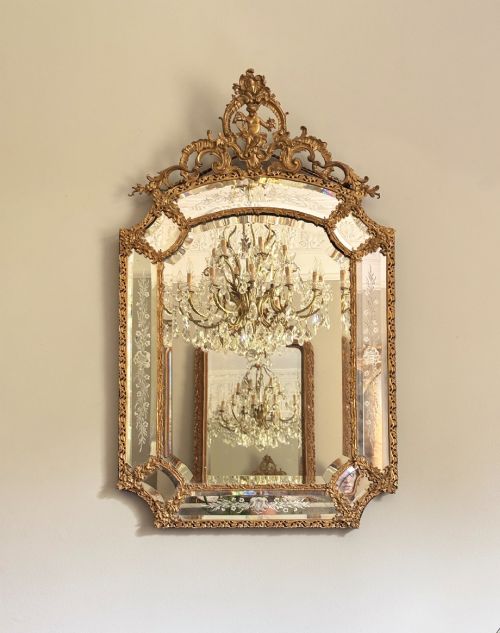
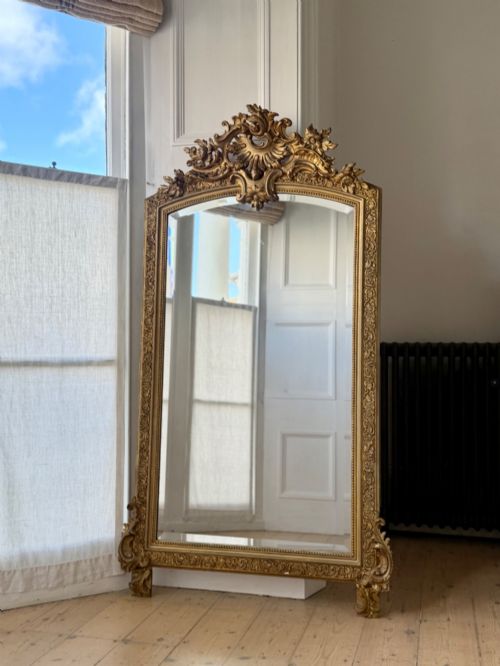
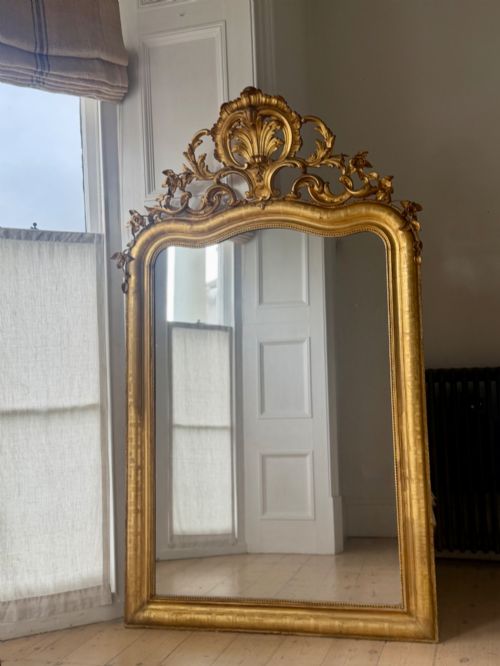
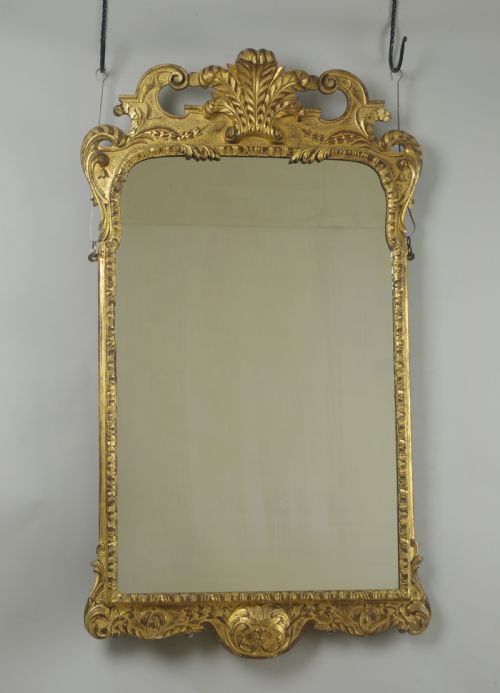
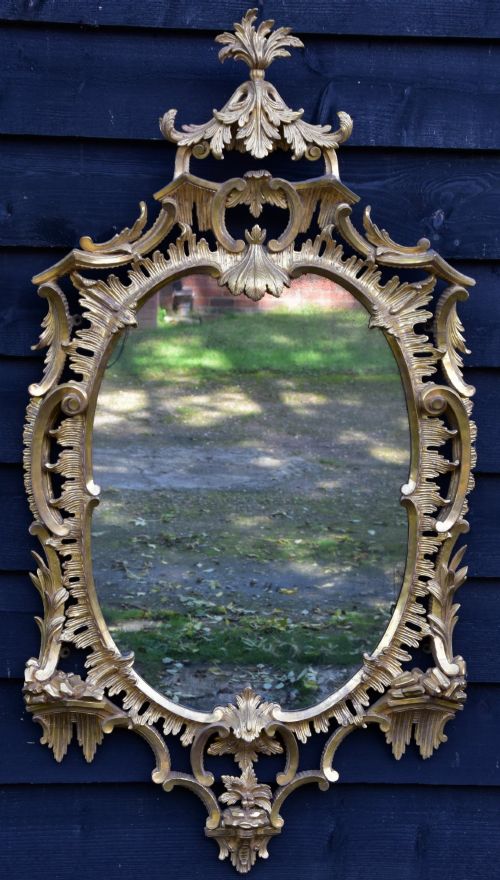
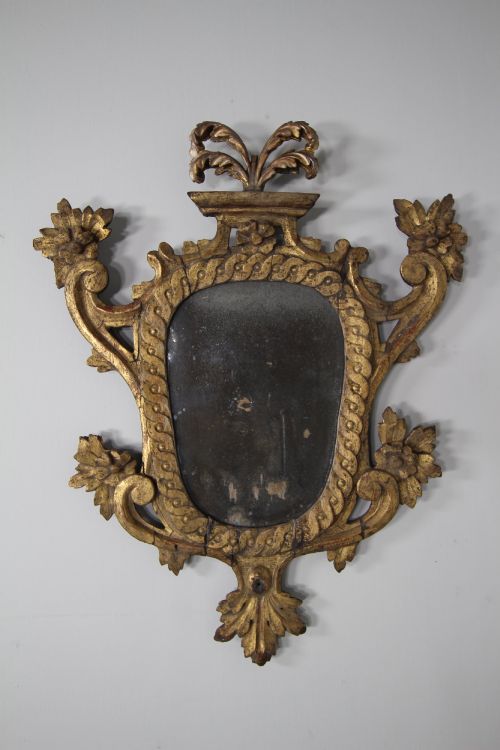
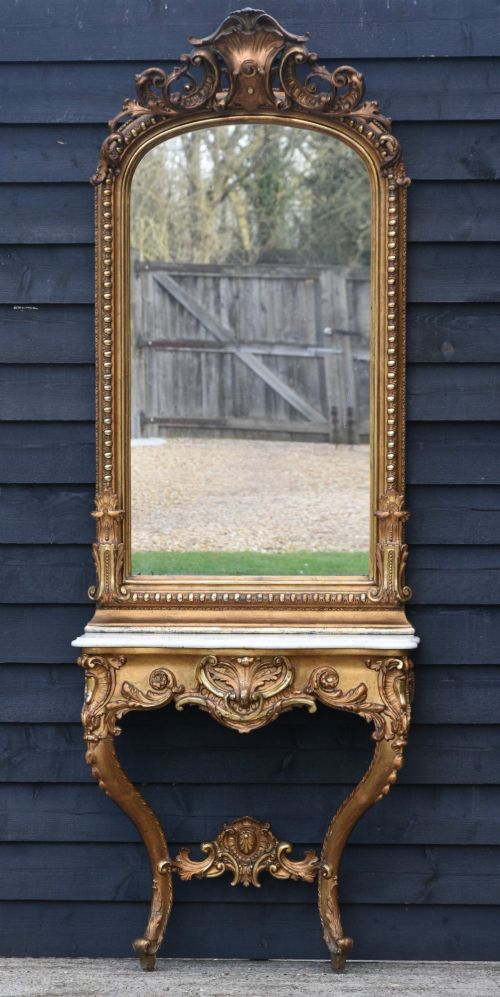
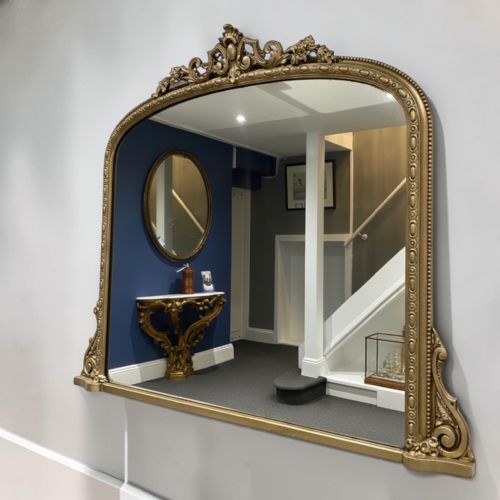
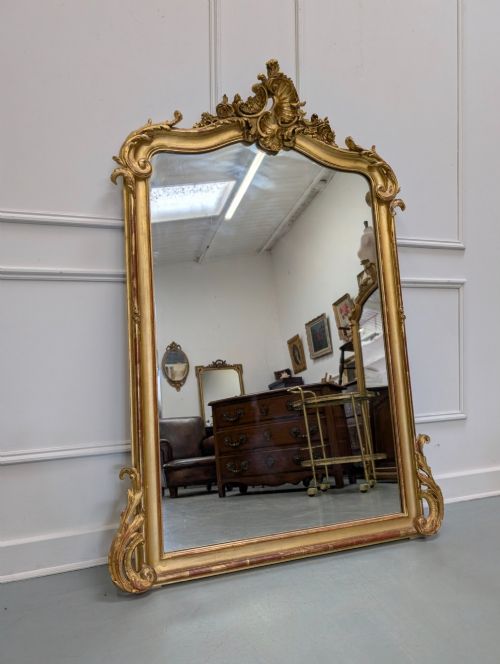
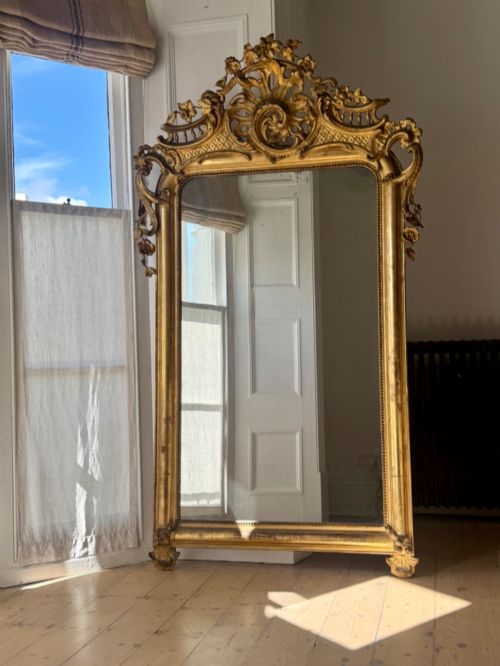
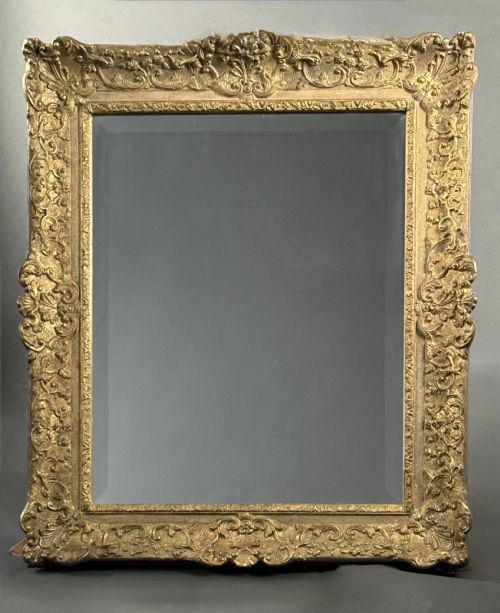
These gilded rococo wall glass pieces combine exuberant carved frames and reflective plates, bringing asymmetric flourish and bright reflection to a room.
Gilded Rococo Wall Glass
A gilded rococo wall glass search brings up items designed to catch and scatter light across a chamber, utilising the signature curved lines and organic motifs of the style. Most examples encountered here date from the eighteenth and nineteenth centuries, spanning French, Italian, and Georgian origins.
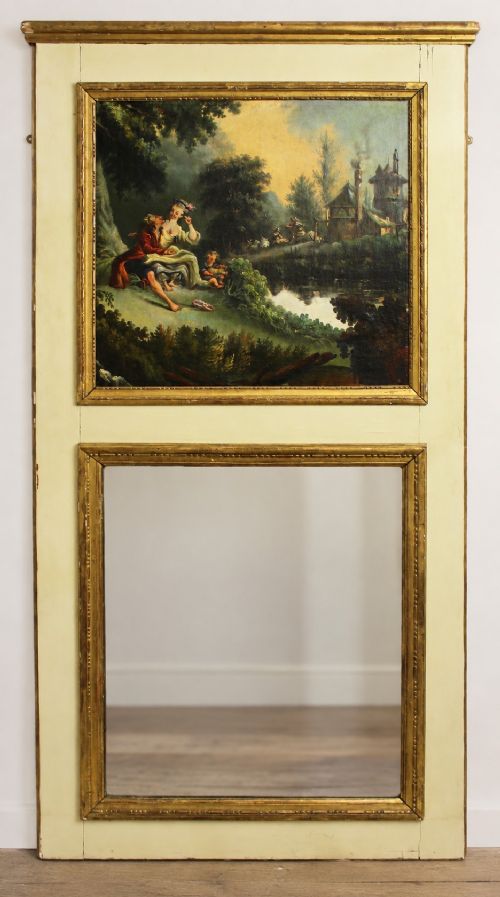
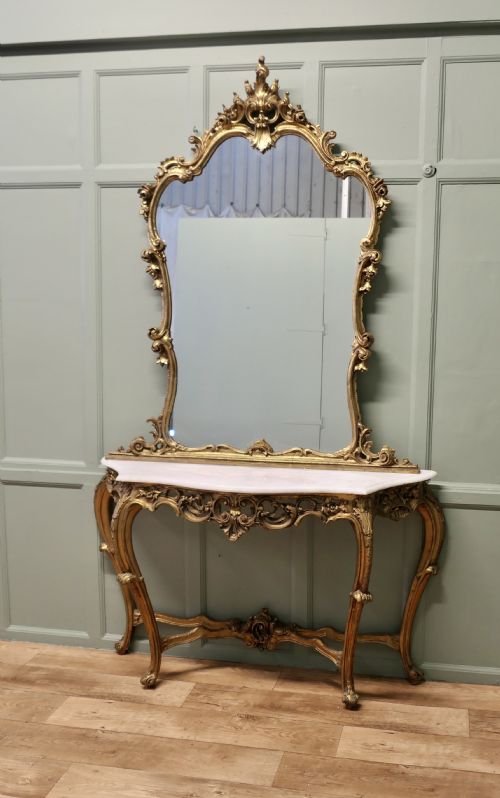
The objects take several distinct forms beyond standard wall mirrors, including monumental overmantel mirrors, tall trumeau panels incorporating pastoral oil paintings, and paired console tables with matching pier glasses. Alongside these hung pieces, related lighting fixtures such as gilt bronze half lanterns, wall lights, and wall sconces appear frequently.
The aesthetic draws heavily on revival movements in the Victorian era and around nineteen hundred, alongside genuine eighteenth-century pieces. Buyers select these mirrors and fixtures to anchor a room with period character and reflective depth.
How They Were Made
Makers built the foundational structures from timber such as wood and walnut, applying layers of gesso to create a smooth surface for carving intricate scrollwork, putti, and floral motifs. Artisans then applied gold leaf or liquid gilding over the prepared gesso base to achieve a brilliant metallic sheen.
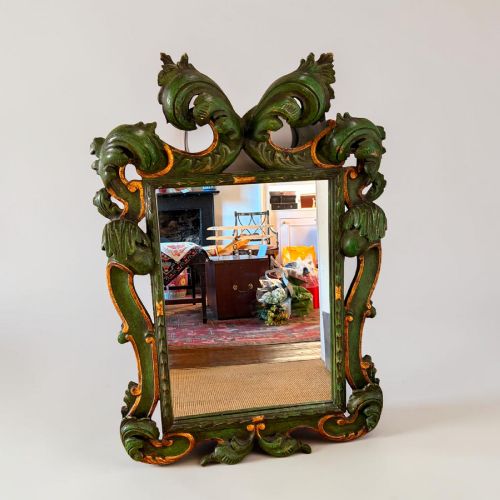
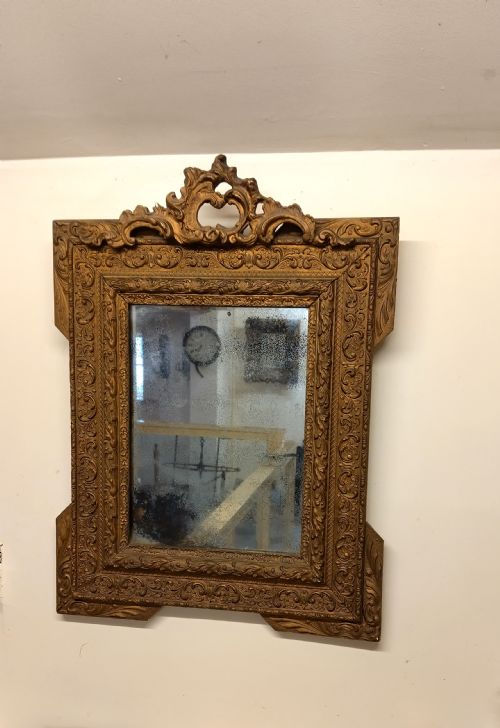
The optical components rely on traditional mirror glass, including mercury glass plates that often show foxing and age spots, alongside bevelled plates and engraved glass sections. Frames also incorporate materials like marble for console tops and painted wood finishes.
Gilded Rococo Wall Glass Retail Price Guide 2026
Typical asking prices for gilded rococo wall glass among the pieces listed under this phrase on Sellingantiques today, from the lower quarter to the upper quarter. They describe what is for sale here now, not the wider market.
What Varies in Quality
The depth and crispness of the hand-carved wooden details distinguish finer pieces from simpler productions, particularly where foliage and cartouche forms meet the glass edge. Original gilding and untouched surfaces hold more integrity than later repainting or partial re-gilding.
The character of the mirror plate itself influences value, with genuine mercury glass showing appropriate foxing compared to later replacement plates. Structural stability in large frames and console combinations also dictates the overall execution.
The Gilded Rococo Wall Glass Glossary
- Gesso
- A plaster mix applied to wood frames to provide a smooth base for carving and gilding. This mixture allows artisans to achieve sharp relief details.
- Mercury glass
- An early type of mirror plate produced by pouring a mercury and tin amalgam behind glass. It creates a dark, mottled reflection known as foxing.
- Trumeau
- A decorative wall panel that incorporates a mirror alongside an oil painting or carved relief. These pieces often hang above fireplaces or console tables.
- Cartouche
- An ornamental frame resembling a rolled-up scroll or shield, frequently forming the outline of rococo mirrors. This shape emphasises asymmetry and fluid curves.
- Pier glass
- A tall mirror specifically designed to hang on the wall space between windows. They frequently pair with console tables beneath them.
Gilded Rococo Wall Glass: Frequently Asked Questions
How do I hang a heavy gilded mirror?
Large nineteenth-century frames require secure wall anchors fixed directly into masonry or heavy timber studs to support the substantial combined weight of wood, gesso, and glass.
Professional mirror hangers often utilise French cleats or heavy-duty strap hangers attached to the main structural frame rather than relying on decorative loops.
What causes foxing on old mirror glass?
Foxing occurs when atmospheric moisture seeps behind the glass plate over many decades, reacting with the reflective backing to create dark spots and patches.
Collectors often prize this natural ageing process as proof of authenticity and age on eighteenth and nineteenth-century pieces.
Are these mirrors cleaned with normal glass spray?
Standard household cleaners contain ammonia and harsh chemicals that can damage fragile antique gilt surfaces and old mirror backing if oversprayed.
Dust frames gently with a soft brush and clean the glass using a lightly dampened microfiber cloth without touching the exposed edges.
How can I tell an eighteenth-century mirror from a revival piece?
Eighteenth-century examples typically show hand-cut timber joinery, older hand-beveled mercury glass, and distinct wear patterns in the gesso and gold leaf beneath close inspection.
Revival pieces from the Victorian era or later often feature machine-sawn backing boards and uniform modern mirror plates despite adopting earlier rococo styling.