

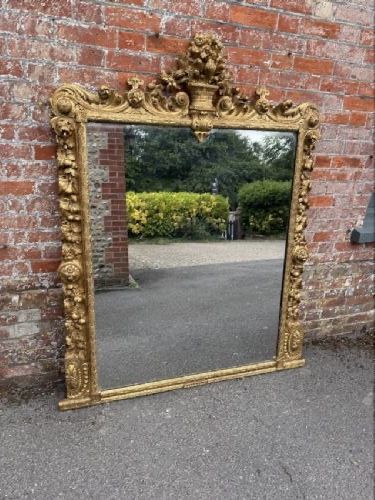
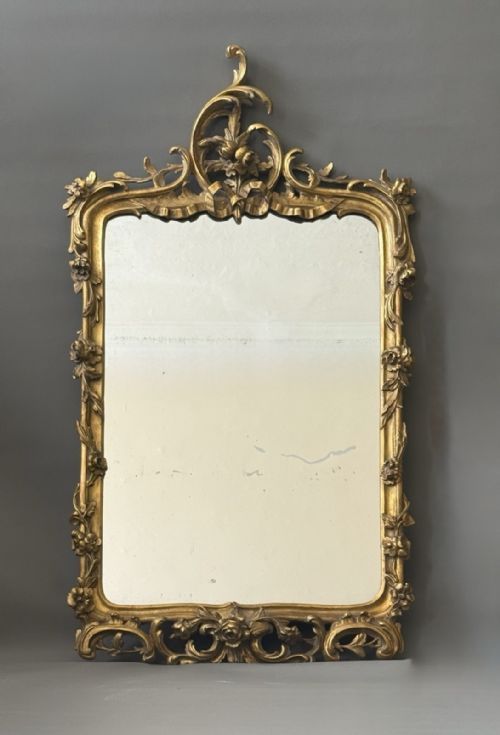
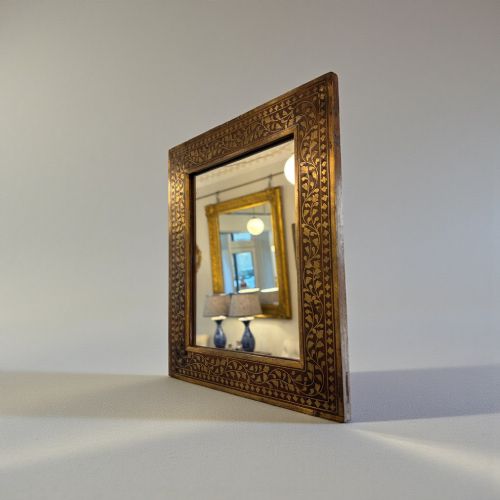
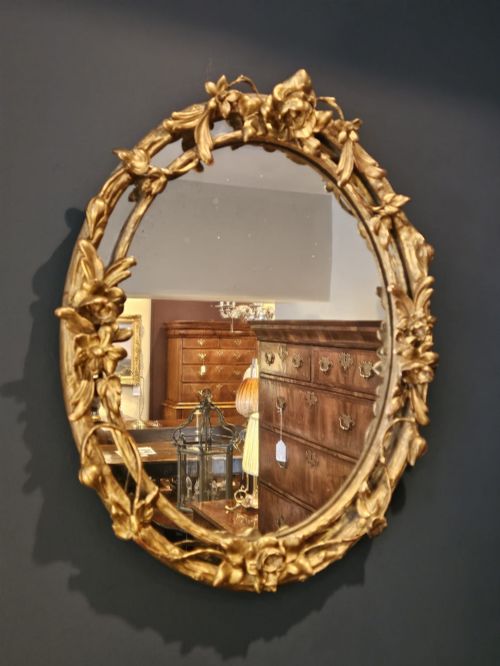
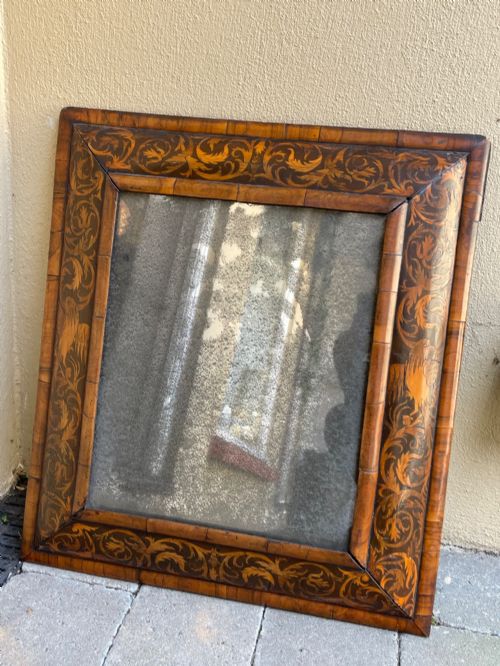


Carved Floral Mirror
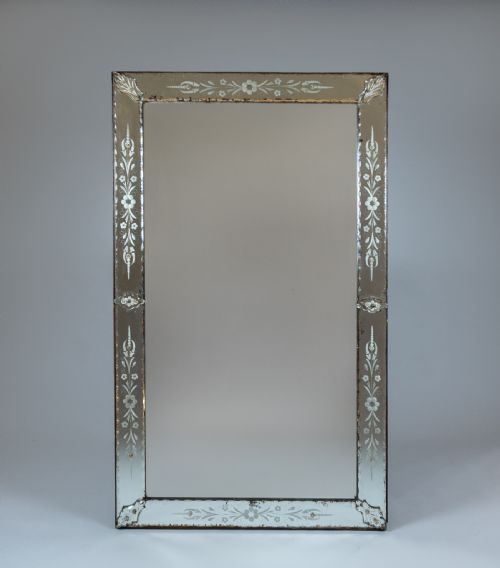
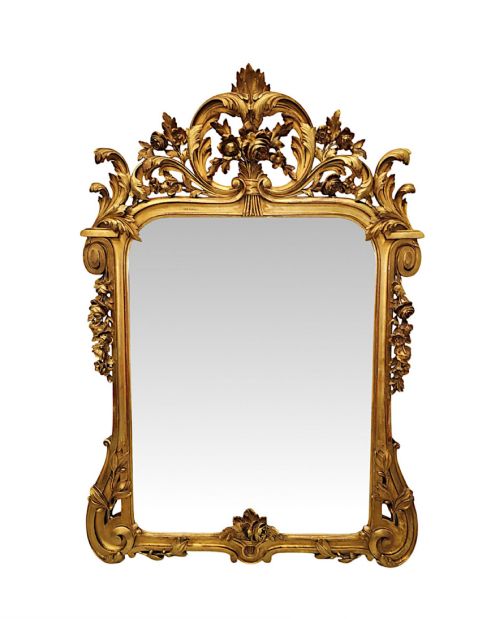
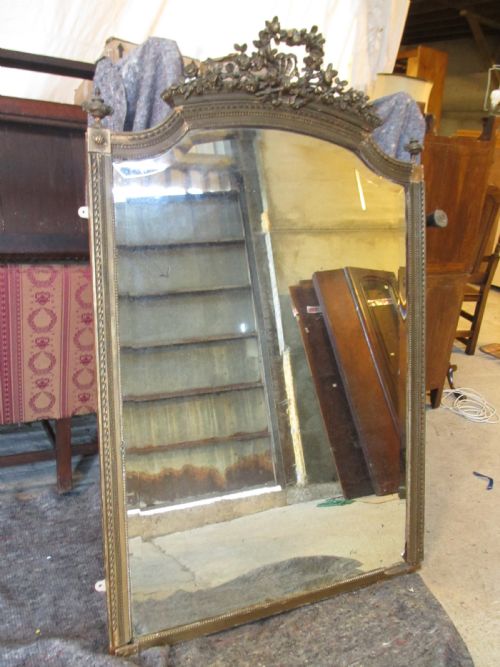
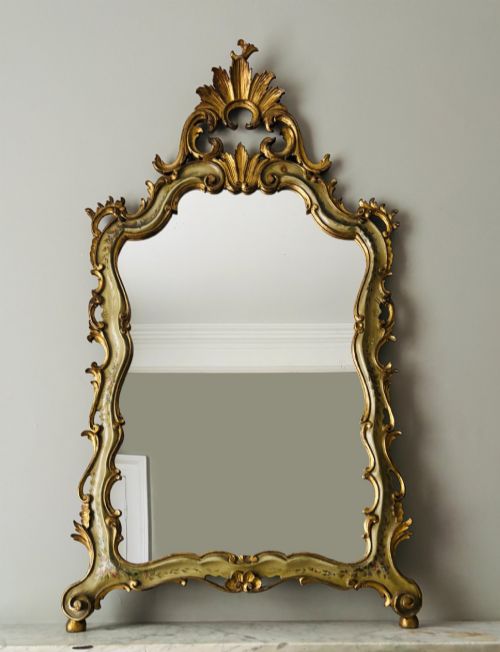
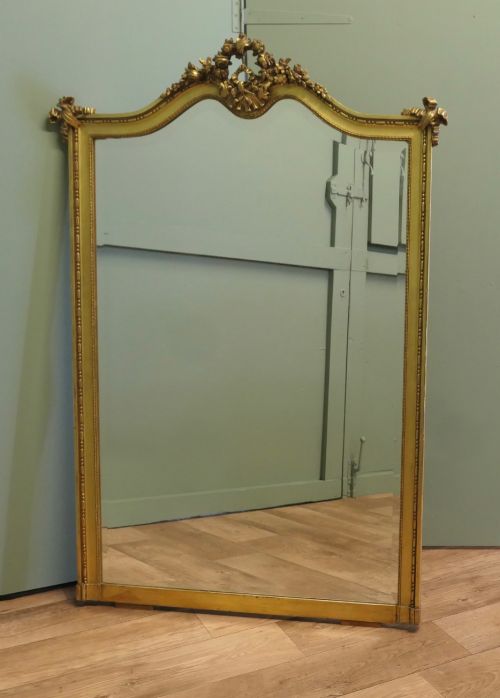
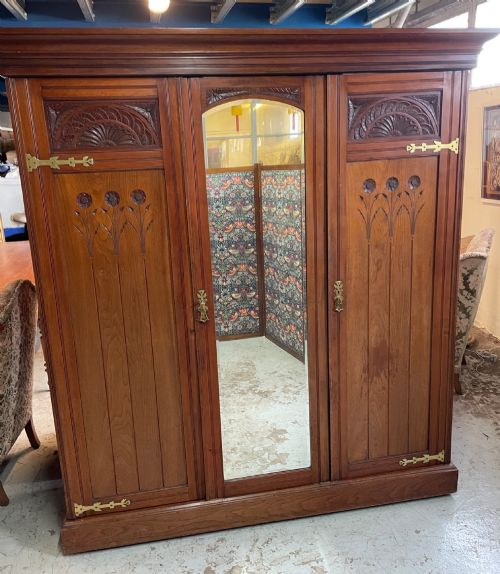
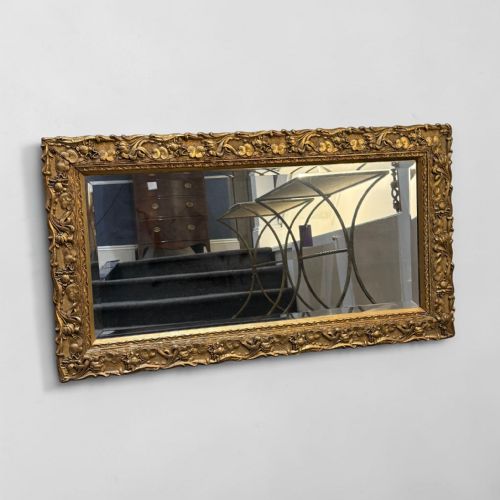
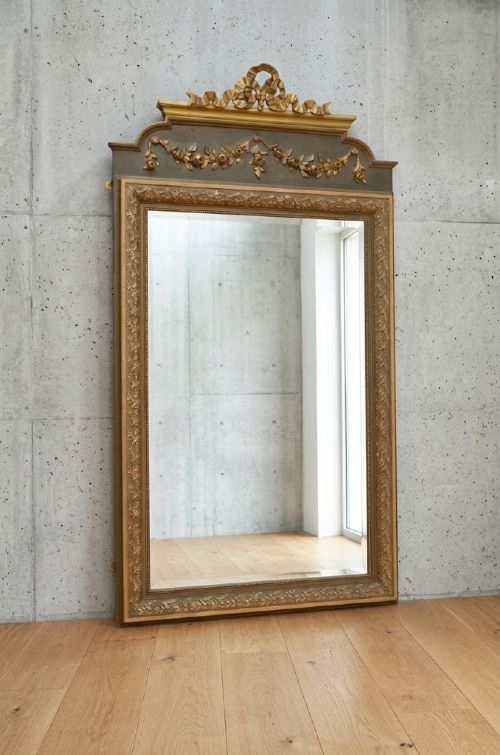
These carved floral mirror examples bring together timber, gesso and giltwood to turn a plain wall into a focal point.
Carved Floral Mirror
A carved floral mirror brings botanical motifs and organic forms into domestic spaces, drawing on a long tradition of ornamental joinery. When you search for a carved floral mirror, you encounter pieces ranging from compact oval wall pieces to grand overmantels.
The selection on this page leans heavily toward nineteenth century Victorian examples, alongside eighteenth century continental pieces and twentieth century interpretations. Forms vary from simple painted timber frames to elaborate French Rococo and Art Nouveau designs.
How they were made
Craftsmen built these frames using traditional hardwoods like walnut, mahogany, beech, pine and oak, often shaping the timber before applying surface decoration. Carved details were either worked directly into the solid wood or modelled in gesso built up over a wooden base.
Finishes relied on gold leaf applied over bole, liquid gilding, or oil paint, frequently combining painted surfaces with gilt highlights to accentuate the floral carving. Glass plates were hand-silvered or bevelled, and later pieces sometimes incorporated marquetry inlay or brass work.
Carved Floral Mirror Retail Price Guide 2026
Typical asking prices for carved floral mirror among the pieces listed under this phrase on Sellingantiques today, from the lower quarter to the upper quarter. They describe what is for sale here now, not the wider market.
Several pieces feature ribbon crests and rose vines carved so delicately that even the botanical purist approves.
What varies in quality
The crispness and depth of the hand-carving separate standard decorative frames from superior examples, as skilled carvers achieved naturalistic petal and vine definition rather than shallow, repetitive stamping. The integrity of the gesso layer and the richness of the original gilding dictate the visual weight of the piece.
Structural joinery in the underlying timber frame determines longevity, while the character of the mirror plate itself - whether original antique glass with subtle foxing or a later replacement - shapes the overall authenticity and presence of the mirror.
The Carved Floral Mirror Glossary
- Giltwood
- Timber that has been coated with gold leaf or metallic powder over a prepared gesso ground. This technique creates a luminous surface that catches light in domestic interiors.
- Gesso
- A plaster mixture applied to wood frames to create a smooth base for intricate carved ornamentation. It allows for sharp relief work before gilding or painting.
- Trumeau
- A decorative wall mirror paired with an upper panel containing painting or carving. These pieces originated in grand French interiors.
- Pier glass
- A tall, narrow mirror designed to hang on the wall space between windows. They often feature hand painted details and ornate crests.
Carved Floral Mirror: Frequently Asked Questions
How do I date a carved floral mirror?
Dating relies on combining stylistic clues with construction methods visible on the reverse of the frame. Art Nouveau pieces show sinuous floral lines typical of nineteen hundred, while Rococo revivals display asymmetric C-scrolls and heavy gilding.
Examine the wood behind the frame and the type of fixings used. Hand-cut screws, pegged joints and oxidised mirror plates point towards earlier periods like the eighteenth or nineteenth century.
Where should I hang an overmantel mirror?
Overmantel mirrors were traditionally designed to sit directly above a fireplace mantelpiece, anchoring the room's main focal point. Their generous proportions reflect light from windows across the space.
Ensure the wall fixings are rated to support the substantial weight of timber, gesso and glass. Positioning the mirror at eye level maximises its decorative impact in a living room or dining area.
Are antique mirror plates always original?
Many antique mirrors retain their original glass, which often exhibits characteristic foxing, minor dark spots and soft reflections. These flaws indicate age and authenticity.
Some pieces have received replacement glass over the decades to improve clarity. Both original plates and later replacements appear in these listings depending on the history of the piece.
How do I care for a giltwood frame?
Giltwood surfaces require gentle handling because the gold leaf and underlying gesso are sensitive to moisture and friction. Dusting should be done lightly with a dry, soft brush.
Keep these mirrors away from direct sunlight and damp environments to prevent the gesso from cracking and the timber substrate from warping over time.