

French Hanging Mirror
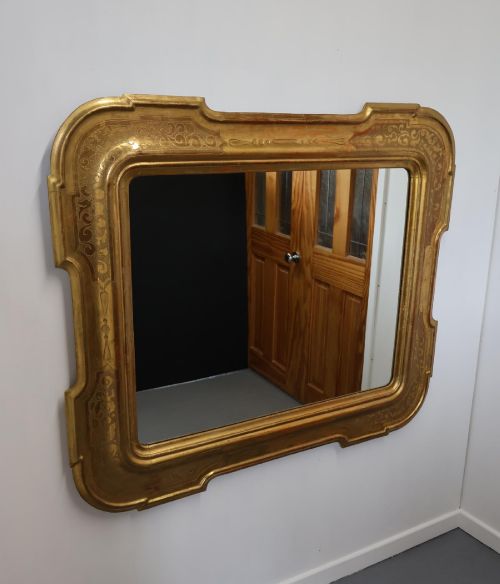
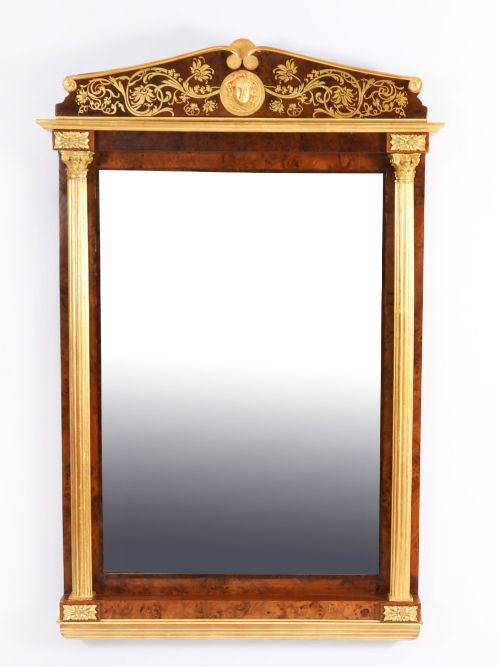
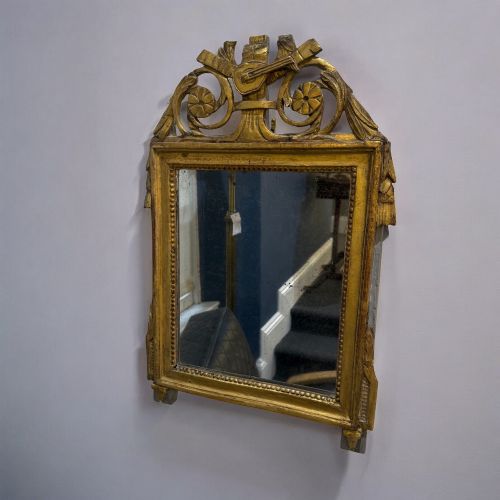
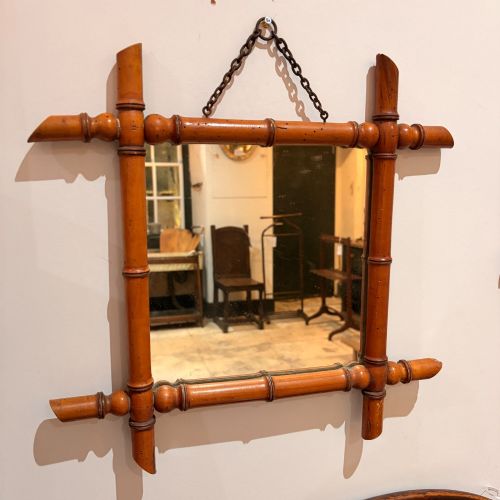
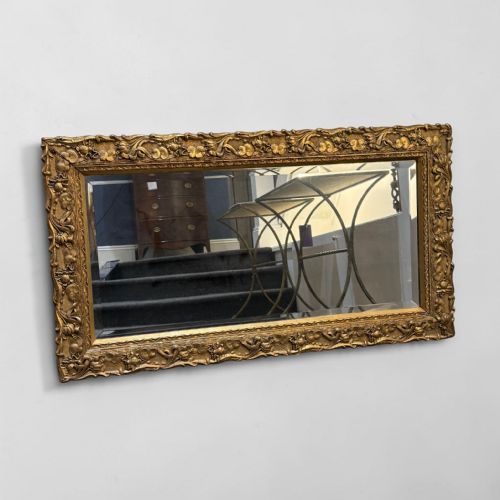
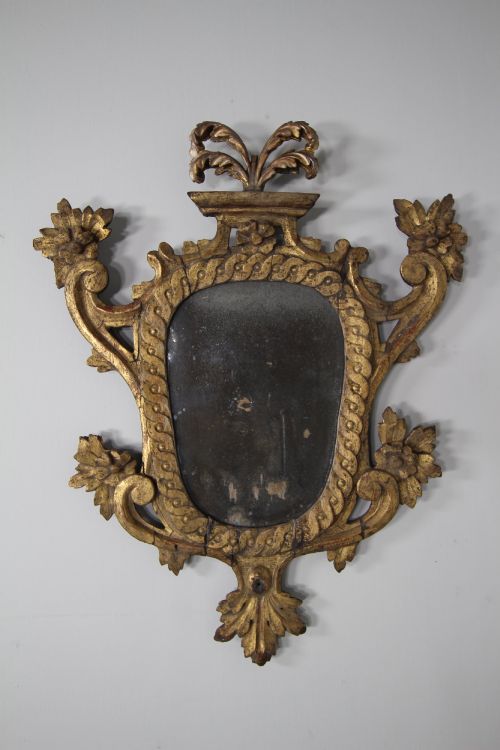
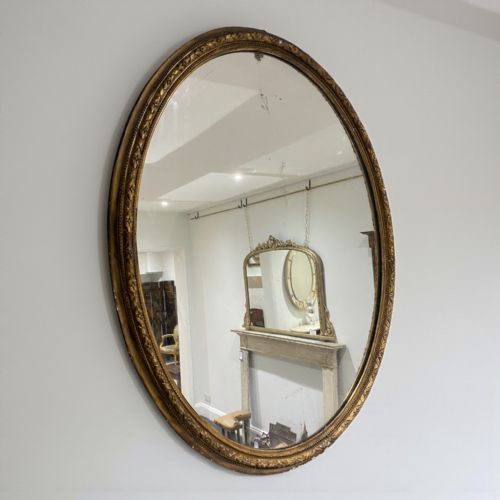
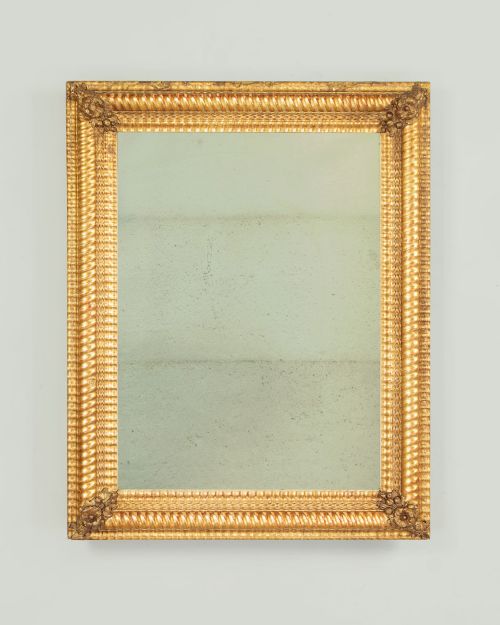
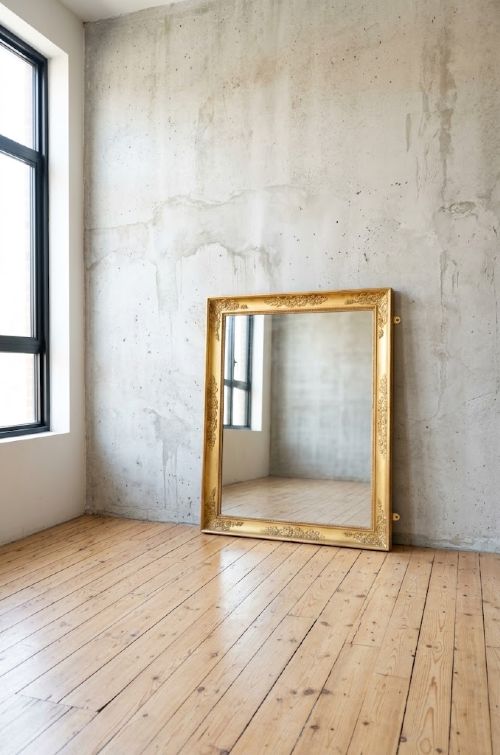
A French hanging mirror brings immediate depth and reflected light to a room through carved giltwood, gesso, and pressed brass.
French Hanging Mirror
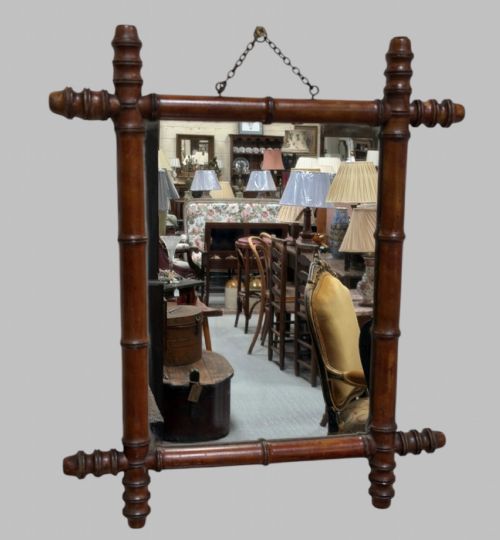
A French hanging mirror serves primarily as a decorative wall fixture, combining reflective glass with ornate wooden or metal frames. When buyers search for a french hanging mirror, they encounter wall-mounted pieces spanning the eighteenth, nineteenth, and early twentieth centuries.
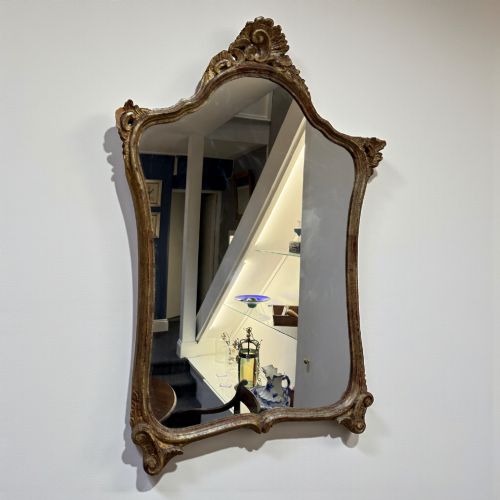
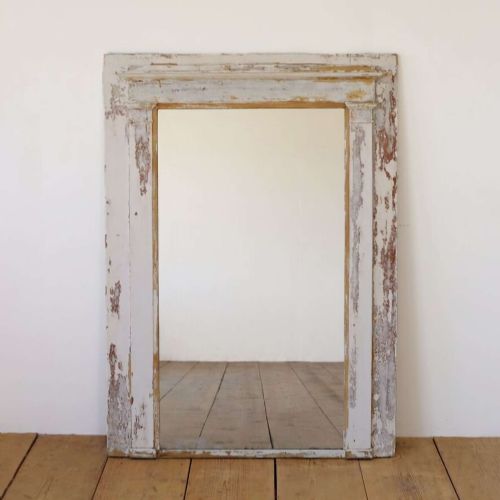
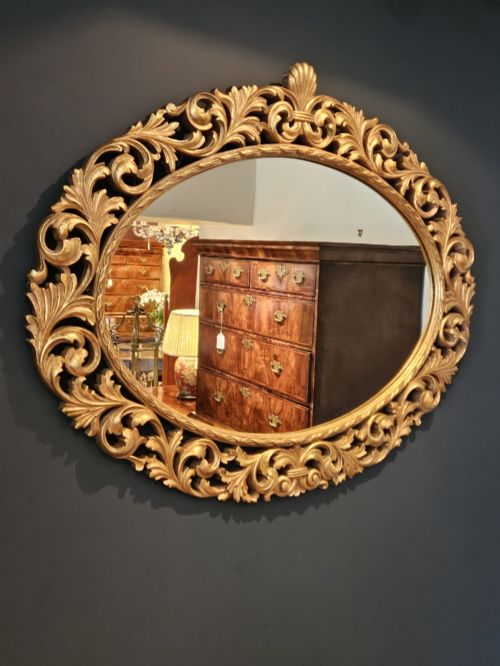
The selection on this page relies heavily upon nineteenth-century examples alongside eighteenth-century models and later revivals. Common shapes range from simple rectangular and oval formats to elaborate scrollwork and asymmetrical silhouettes.
While wall mirrors dominate the selection, related forms such as wall étagères, small console tables with mirrors, and wall cabinets occasionally appear. These variations provide both surface reflection and minor storage or display capabilities within interior spaces.
Materials and Technique
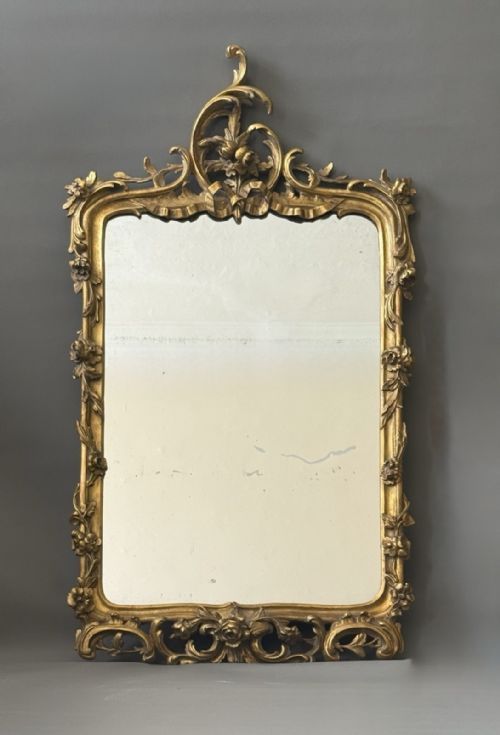
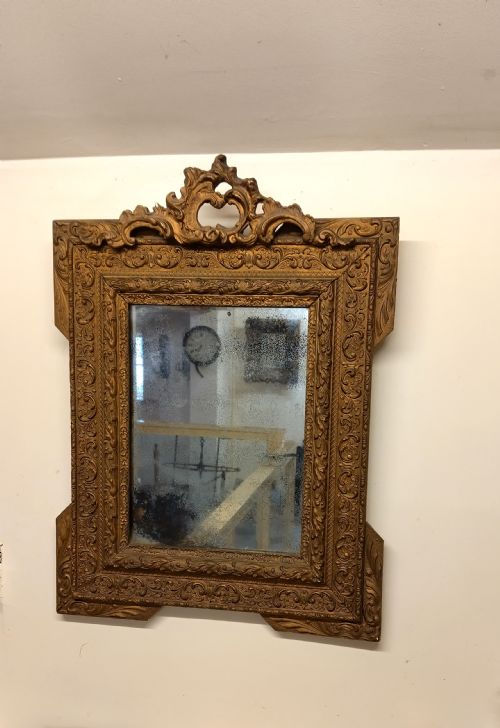
Makers constructed the primary framework of a french hanging mirror using timbers such as oak and general wood, upon which they applied layers of gesso to build up decorative reliefs. Artisans then carved intricate floral motifs, scrolls, and mythological details directly into the material.
Surface decoration frequently involved the application of gold leaf, silver-gilt, or simple paint over the gesso and wood substrate. Metal alternatives also exist, as seen in examples constructed from pressed brass.
Reflective surfaces utilised antique glass plates, including original mercury plate. Later replacements appear where original glass deteriorated over centuries of use.
Several mirrors include secret shelves and tiny consoles, proving that past generations needed somewhere to drop their keys just as much as we do.
Craftsmanship and Detail
Quality in a french hanging mirror resides in the depth and crispness of the carved ornamentation across the timber and gesso frame. Superior pieces display fluid, hand-carved floral and scroll details that maintain sharp relief rather than soft, mass-produced moulding.
The integrity of the surface gilding separates standard items from finer examples. Hand-applied gold leaf demonstrates a richer tonal variation and greater durability than flat modern paint or degraded composition finishes.
The French Hanging Mirror Glossary
- Gesso
- A plaster-like mixture applied to wood frames to create a smooth surface for carving and gilding. Artisans mould and carve this material to produce high-relief ornamentation.
- Giltwood
- Timber coated with gold leaf or gold paint. This finish provides the characteristic metallic brilliance seen on period frames.
- Mercury plate
- An early type of mirror glass backed with a mercury and tin amalgam. It produces a characteristic mottled reflection with dark spots due to age.
- Rococo Revival
- A nineteenth-century design style emulating the ornate, asymmetrical curves of eighteenth-century French rococo decoration. It heavily influences the scrollwork and floral motifs on many mirrors.
- Étagere
- A piece of furniture with open shelves for displaying small objects. Wall-mounted versions sometimes incorporate a mirror into the design.
French Hanging Mirror: Frequently Asked Questions
How do I hang a heavy giltwood mirror?
Heavy frames require secure wall fixings distributed across multiple load-bearing points rather than relying on a single picture wire. Professional installation into masonry or wall studs ensures the weight of the timber and gesso is safely supported.
Hardware must match the substantial weight of eighteenth- and nineteenth-century wooden frames to prevent accidental detachment from the wall.
Are antique mirror plates always original?
Many surviving mirrors retain their original glass, which often exhibits minor foxing, dark spots, and distortion due to age. These natural imperfections confirm the antiquity of the piece.
Some mirrors feature replacement glass installed during past restorations to improve clarity while preserving the historic frame.
What defines the Rococo Revival style?
Rococo Revival pieces draw inspiration from eighteenth-century French design, featuring asymmetrical scrolls, C-scrolls, and abundant floral carvings. The style prioritises flowing, organic lines over rigid symmetry.
Frames from this movement display deeply undercut gesso work and dynamic, theatrical compositions.
How do I clean an antique gilt frame?
Dusting should be performed gently using a soft, dry brush to avoid disturbing fragile gesso or flaking gold leaf. Liquid cleaners and abrasive cloths must be avoided entirely.
Professional conservation is recommended for frames showing active deterioration or unstable surface decoration.